



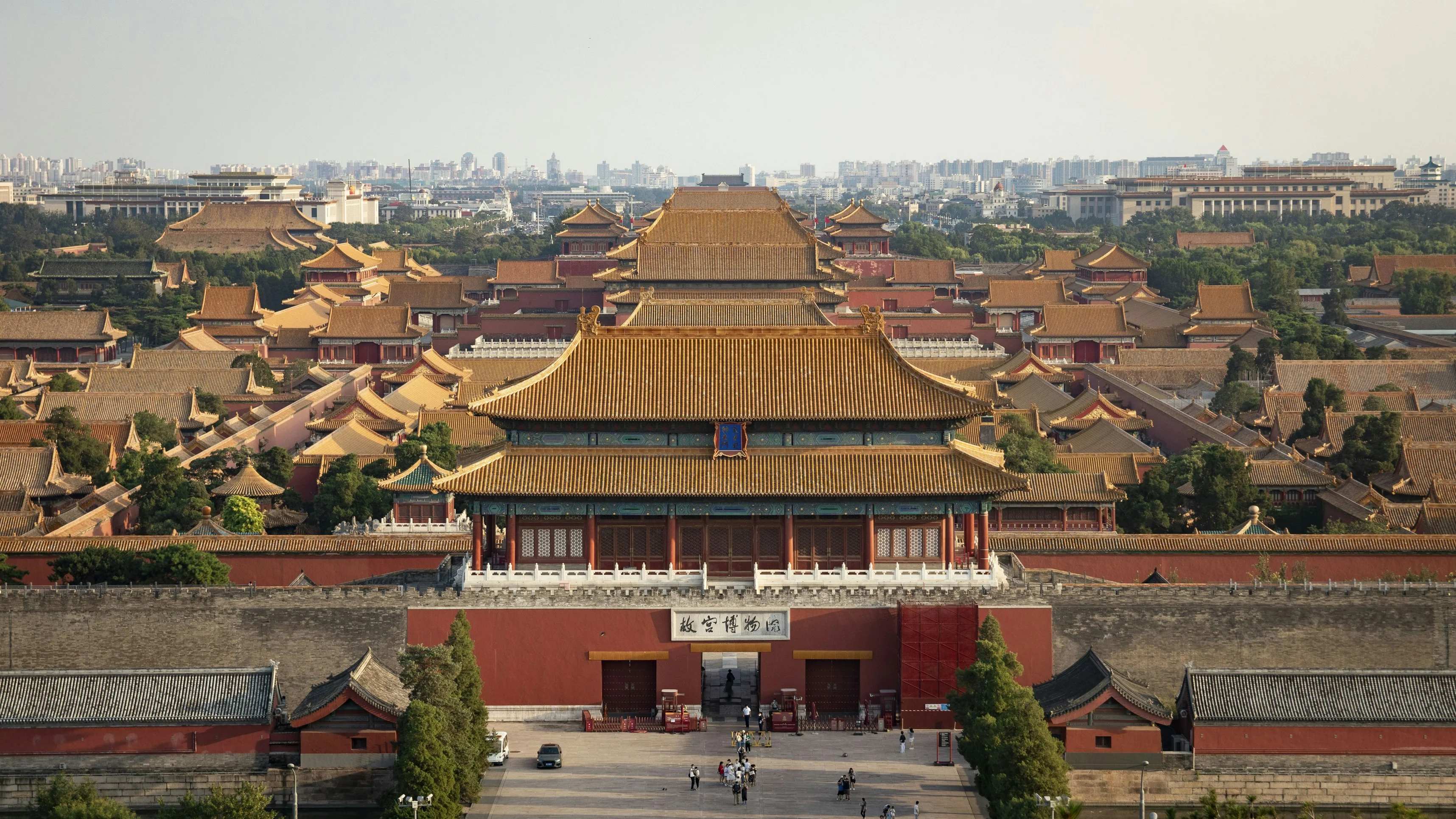
 4d $970 Beijing in Depth — Great Wall & Forbidden City, Made Easy
  18d $5,840 Classic China & Yunnan: 18 Days from Beijing to Shangri-La and Shanghai
 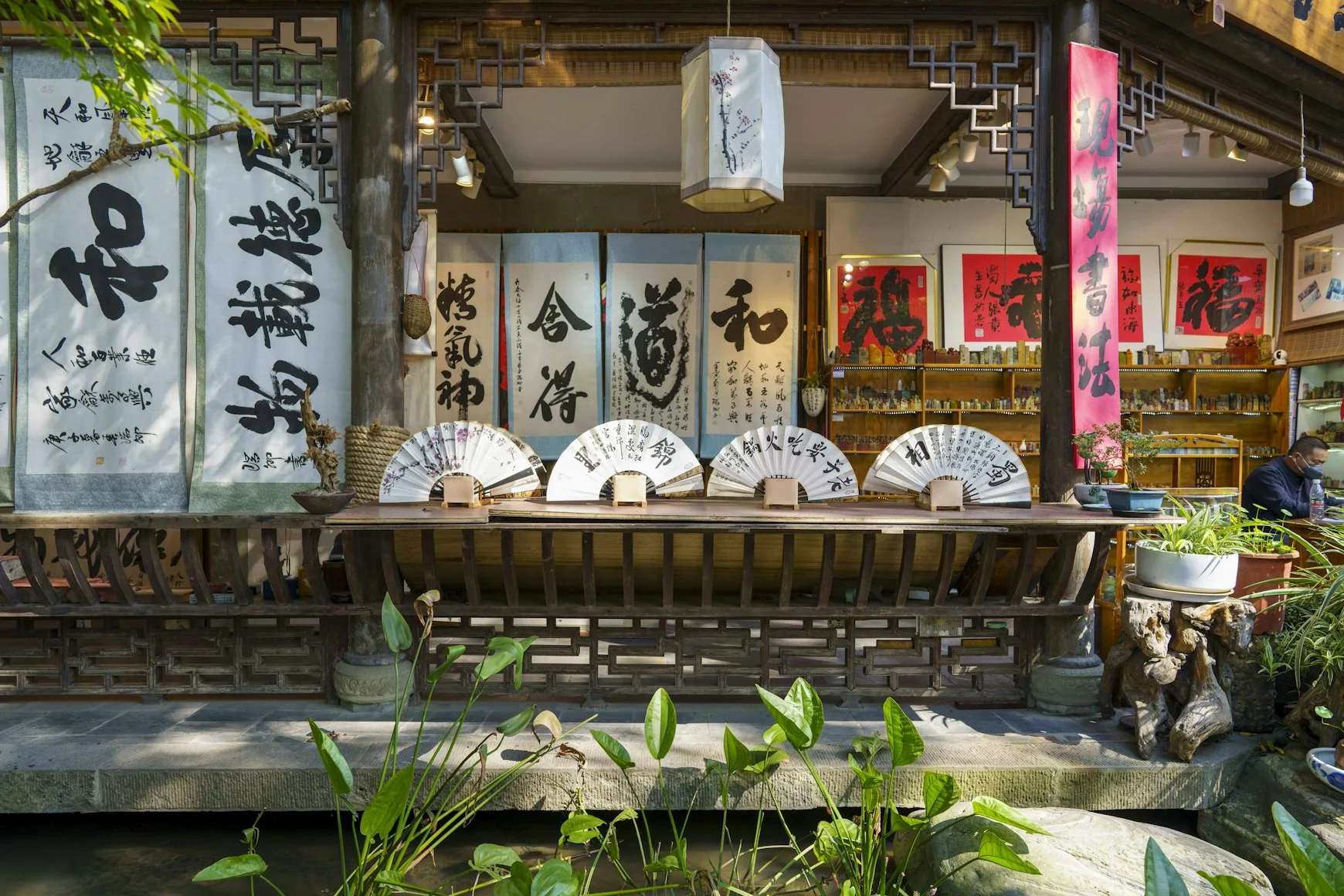 12d $3,120 Real China: 12-Day Small-Group Adventure
  10d $4,160 Silk Road Highlights: 10 Days from Xi'an to Kashgar
 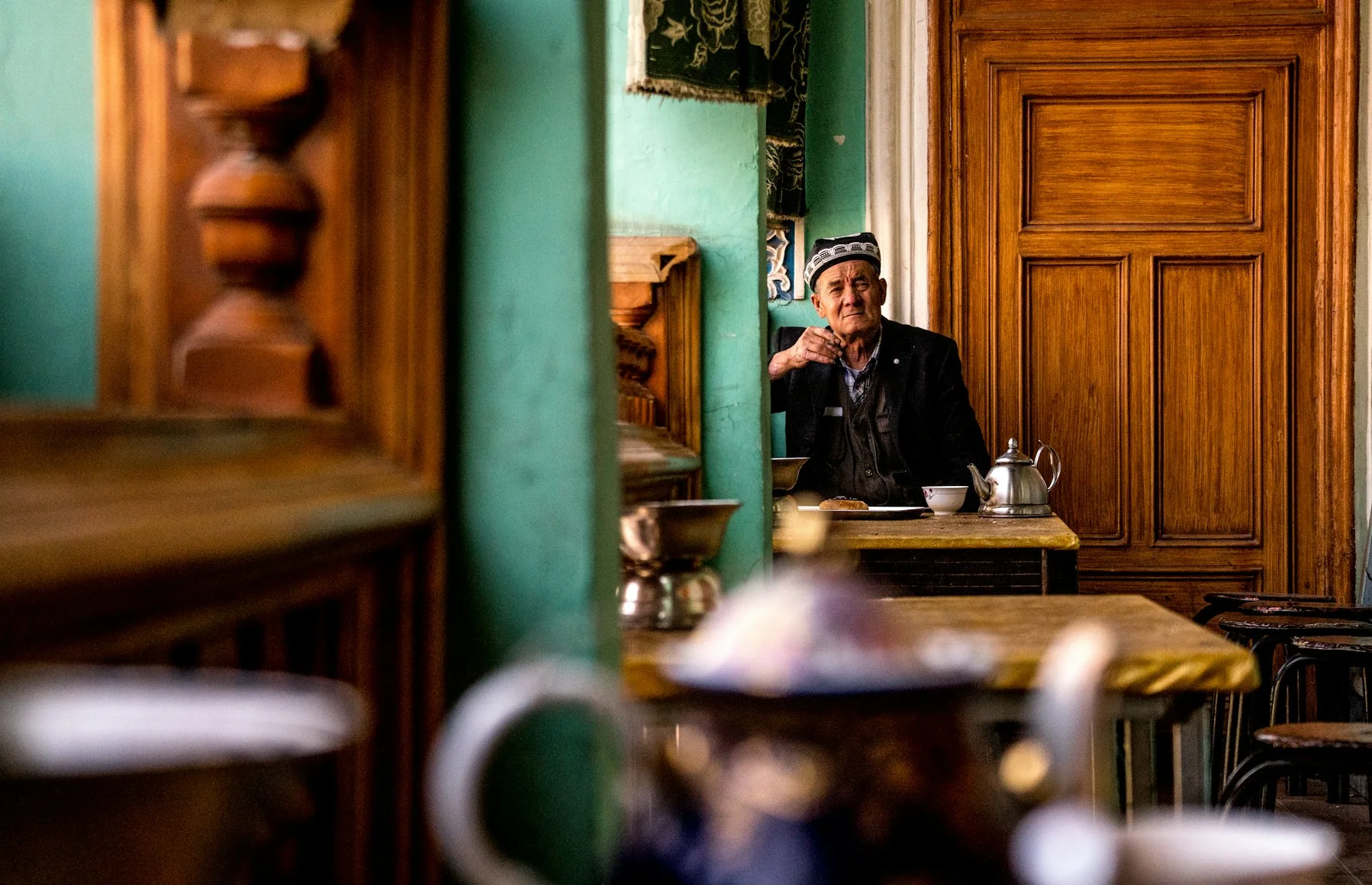 13d $3,640 Ancient Culture Tour: 13 Days from Beijing to Shanghai via the Silk Road
 Hanfu vs Qipao: What’s the Difference?
Hanfu vs qipao is a common point of confusion for first-time China travelers, shoppers, cosplayers, and brides-to-be. The short answer is simple: they are not the same thing. Hanfu is the traditional dress of the Han Chinese; the qipao is a Qing-dynasty, Manchu-derived dress — they are two separate traditions, not versions of each other.
That distinction matters if you are choosing an outfit for a cultural event, booking a photo shoot in China, or simply trying to understand what you are seeing in period dramas and fashion stores. Below, I’ll break it down clearly, starting with a quick comparison table and then the visual details that make each garment easy to recognize.
Hanfu vs Qipao at a Glance
Hanfu is traditional Han Chinese dress; qipao is a later, Manchu-derived dress that became iconic in modern China.
Here is the fastest way to compare them side by side:
| Feature | Hanfu | Qipao (Cheongsam) |
|---|---|---|
| Era of origin | Roots in the Han dynasty (206 BCE–220 CE), with styles evolving across later dynasties | Derived from Qing-era Manchu dress; modern form developed especially in the 1920s–30s |
| Ethnic tradition | Han Chinese clothing tradition | Manchu-derived, later adapted into modern Chinese fashion |
| Overall silhouette | Loose, flowing, layered | Fitted or body-skimming, streamlined |
| Collar | Often cross-collar (jiaoling), wrapped front | High standing collar is typical |
| Construction | Usually tied, wrapped, layered; often two-piece or multi-piece | Usually one-piece dress, tailored to the body |
| Key design details | Sashes, wide sleeves, skirts or trousers, draped fabric | Frog buttons (pankou), side slits, shaped waist, smooth vertical lines |
| Typical occasions today | Festivals, historical parks, photo shoots, cultural events, revival gatherings, some weddings | Banquets, formal events, weddings, stage performances, parties, fashion styling |
| Quick visual impression | Soft, elegant, robe-like, historical | Sleek, refined, urban, dress-like |
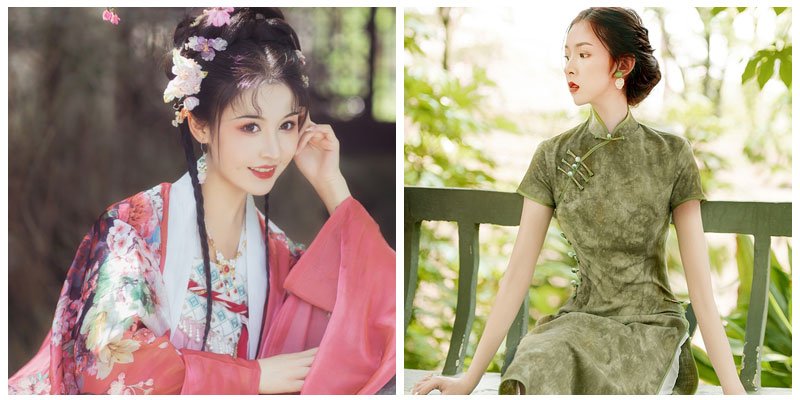
Image note: “hanfu vs qipao comparison” works well as a caption or alt text if you are using side-by-side visuals.
What Is Hanfu?
Hanfu refers to the traditional clothing system associated with the Han Chinese, the largest ethnic group in China. It is not one single outfit but a broad family of garments that developed over many centuries. When people say “hanfu,” they are usually referring to clothing inspired by historical Han Chinese dress from different dynasties, each with its own shapes, proportions, sleeve styles, and layering rules.
The signature look of hanfu is usually easy to spot once you know what to look for. Common features include a cross-collar (jiaoling), a wrapped front, flowing sleeves, layered garments, and sashes instead of modern-style zippers or close body tailoring. Some outfits combine a top and skirt; others use robe-like outer layers over inner garments. Trousers may also appear in some historical styles. Overall, the silhouette tends to feel soft, draped, and airy rather than sharply fitted.
One reason hanfu can be confusing for beginners is that it covers many historical looks. A simple, elegant set worn for a garden photo shoot may look very different from a more formal, richly layered style inspired by the Tang, Song, or Ming periods. That variety does not make it less “real” as hanfu — it simply reflects the fact that Han Chinese dress changed over time.
If you travel in China today, you may see hanfu in more places than you expect. I have seen it in old towns, temple fairs, spring blossom parks, museum districts, and dedicated photo studios. Many travelers also encounter it during cultural festivals, at historical sites, and in wedding styling. In cities with strong cultural tourism scenes, local photographers and travel agencies can help overseas visitors arrange hanfu rentals, makeup, and scenic shooting locations in a way that feels respectful rather than costume-like.
What Is Qipao (Cheongsam)?
Qipao is a Qing-dynasty, Manchu-derived dress, and in modern English, qipao and cheongsam usually refer to the same garment. The two terms are often used interchangeably, although “cheongsam” is especially common in Cantonese-influenced contexts. For most readers, the practical point is that they both describe the dress with the sleek silhouette most people recognize from vintage Shanghai fashion photos, formal events, and wedding wear.
The qipao many people picture today was shaped strongly in 1920s–30s Shanghai, a period when Chinese fashion blended with modern tailoring, cosmopolitan taste, and changing ideas about femininity and elegance. Earlier Manchu clothing and later modern qipao are not identical, but the modern qipao clearly belongs to a different historical line than hanfu.
Its visual identity is much more specific than hanfu’s. A qipao typically features a high standing collar, one-piece construction, frog buttons (pankou) near the neckline or chest, and side slits that allow movement. The silhouette is often closer to the body, creating a clean vertical line that can feel poised, polished, and formal. Fabrics range from understated solids to luxurious brocades, embroidery, and floral prints.
Today, qipao is commonly worn for weddings, banquets, holiday gatherings, stage performances, formal portraits, and fashion styling. In travel settings, it is especially popular for elegant city photo shoots, heritage hotel portraits, and bridal wardrobe changes. If a traveler asks for “something classic and Chinese, but sleek and dressy,” qipao is often what they have in mind.
Why Qipao Is Not Hanfu
Here is the clearest answer: qipao is not a type of hanfu because the two garments come from different historical periods and different ethnic clothing traditions.
Hanfu belongs to the Han Chinese dress system. Qipao descends from Manchu dress associated with the Qing era, and its modern iconic form developed much later through urban fashion history. That is why the labels should not be used as if they mean the same thing.
A simple way to say it is this: “The qipao came centuries after classical hanfu and from a different ethnic tradition, which is why it is not classified as hanfu.”
This distinction does not mean one garment is more “Chinese” than the other in everyday cultural memory. Both are meaningful parts of Chinese clothing history, and both are widely recognized today. The important thing is accuracy. If you call a qipao “hanfu,” you are mixing two separate traditions. If you are shopping, writing about Chinese dress, planning a wedding look, or booking a cultural photo session, that difference is worth getting right.
Key Differences Explained
If you are comparing outfits online or trying to choose between them, these are the differences that matter most.
Era and Origin
Hanfu has much older roots, stretching back to early imperial China and evolving across multiple dynasties. It is tied to the long development of Han Chinese dress.
Qipao is historically later. Its background is linked to Qing-era Manchu clothing, and the modern form many people know today was refined in the early 20th century, especially in Shanghai. So even before you get to shape or styling, the timelines are different.
Silhouette and Construction
Hanfu is usually layered, draped, tied, and often two-piece or multi-piece. It may include inner and outer garments, skirts, robes, shawl-like layers, and long fabric ties that create movement as the wearer walks. The effect can feel graceful and almost cinematic, with fabric that catches the wind and sleeves that trail softly through the air.
Qipao is typically one-piece, tailored, and body-hugging or at least body-skimming. Instead of emphasizing layering, it emphasizes line. It follows the shape of the body more closely and usually looks more structured, polished, and urban.
Collar and Details
Hanfu often features cross-collars, broad lapels, wrapped fronts, and sashes. The closure method is part of the visual language: you often see ties, overlaps, and layered fronts rather than a dress-like center structure.
Qipao usually features a standing collar, frog closures, and side slits. Those details are among the quickest clues for beginners. If you see a fitted dress with a neat high collar and decorative knotted buttons, you are usually looking at a qipao rather than hanfu.
How to Tell Hanfu and Qipao Apart in a Photo
If you only have a second to identify an outfit, use this quick visual test.
If it looks flowing, wrapped, and layered, it is more likely hanfu. If it looks sleek, fitted, and one-piece, it is more likely qipao.
Here are more fast ID tips:
- Look at the neckline first. A cross-over front usually points to hanfu. A high standing collar points to qipao.
- Check the overall shape. Wide sleeves and draped layers suggest hanfu. A narrow, dress-like outline suggests qipao.
- Look for closures. Sashes and wrap styling are common in hanfu. Frog buttons and a structured collar are classic qipao signs.
- Notice the lower half. A long skirt or layered robe effect usually fits hanfu. A single dress with side slits usually fits qipao.
- Think about movement. Hanfu tends to float and ripple. Qipao tends to fall in a clean, close line.
This is especially useful when browsing online marketplaces, social media, or costume listings, where labels are not always accurate. I have seen overseas travelers book “hanfu” experiences only to discover the rental rack mostly contains qipao, or the other way around. If you are arranging a shoot in China, it helps to send reference photos in advance and ask directly whether the look is Han-style hanfu or modern qipao/cheongsam.
Which One Should You Choose?
The better choice depends on the experience you want.
Choose hanfu if you want a historical, romantic, or ethereal look. It works especially well in classical gardens, old streets, blossom seasons, temple settings, and cultural parks. If your goal is to feel immersed in a historical atmosphere, hanfu often creates that effect more strongly.
Choose qipao if you want something elegant, streamlined, and formal. It suits cityscapes, heritage hotels, wedding banquets, dinner events, and vintage-inspired portraits. Many travelers who feel unsure about managing multiple layers find qipao easier to wear at first.
If you are planning a trip to China and want to try either style, a good local travel partner can help with practical details that matter more than people expect: rental quality, correct sizing, makeup style, hairstyle, weather suitability, and the best locations for each silhouette. That kind of support makes a big difference, especially if you want photos that feel authentic rather than generic.
FAQ
Are hanfu and qipao the same thing?
No. Hanfu and qipao are not the same thing. Hanfu belongs to the traditional Han Chinese clothing system, while qipao is a Qing-dynasty, Manchu-derived dress that later became a modern Chinese fashion icon.
Is qipao a type of hanfu?
No. Qipao is not a type of hanfu because it comes from a different historical period and a different ethnic clothing tradition.
What is the difference between qipao and cheongsam?
In most modern English usage, there is little or no difference. “Qipao” and “cheongsam” usually refer to the same garment. “Cheongsam” is the term more commonly associated with Cantonese usage.
How can I identify hanfu quickly?
Look for a cross-collar, wrapped front, flowing sleeves, layered robes, and sashes. Hanfu usually looks looser and more historical in silhouette.
How can I identify qipao quickly?
Look for a high standing collar, one-piece dress shape, frog buttons, and side slits. Qipao usually appears more fitted and tailored.
Can tourists wear hanfu or qipao in China?
Yes, in many travel settings tourists can wear both, especially for photo shoots, festivals, weddings, and cultural experiences. The key is choosing the correct garment for the look you want and wearing it respectfully.
Final Thoughts
If you remember just one thing from this hanfu vs qipao guide, let it be this: hanfu and qipao are two distinct clothing traditions, not interchangeable names for the same outfit. Hanfu is rooted in the long history of Han Chinese dress; qipao is a later, Manchu-derived dress that became a symbol of modern Chinese elegance.
Once you know that, the visual differences become much easier to spot — flowing and layered versus fitted and one-piece, cross-collar versus standing collar, sash versus frog buttons. If you have seen both while planning a China trip, saving wedding inspiration, or browsing cultural fashion online, you are definitely not the only one who mixed them up at first.
If you are deciding which style to try in China, save this guide, compare a few reference photos, and think about the atmosphere you want: historical and draped, or sleek and refined. If you have already worn one of them on a trip or at an event, your experience is worth sharing too.
FAQ
What is the main difference between hanfu and qipao?
Hanfu is the traditional clothing of the Han Chinese, while qipao is a Manchu-derived dress associated with the Qing dynasty and modern Chinese fashion. They come from different historical and cultural traditions.
How can travelers visually tell hanfu and qipao apart?
Hanfu usually looks loose, layered, and robe-like, often with cross-collars, sashes, and wide sleeves. Qipao is typically a fitted one-piece dress with a high collar, frog buttons, and side slits.