




 18 days China, End to End Beijing → Xi'an → Chuanzhusi → Jiuzhaigou → Chengdu → Zhangjiajie → Guilin → Yangshuo → Shenzhen From $6,360 View route
 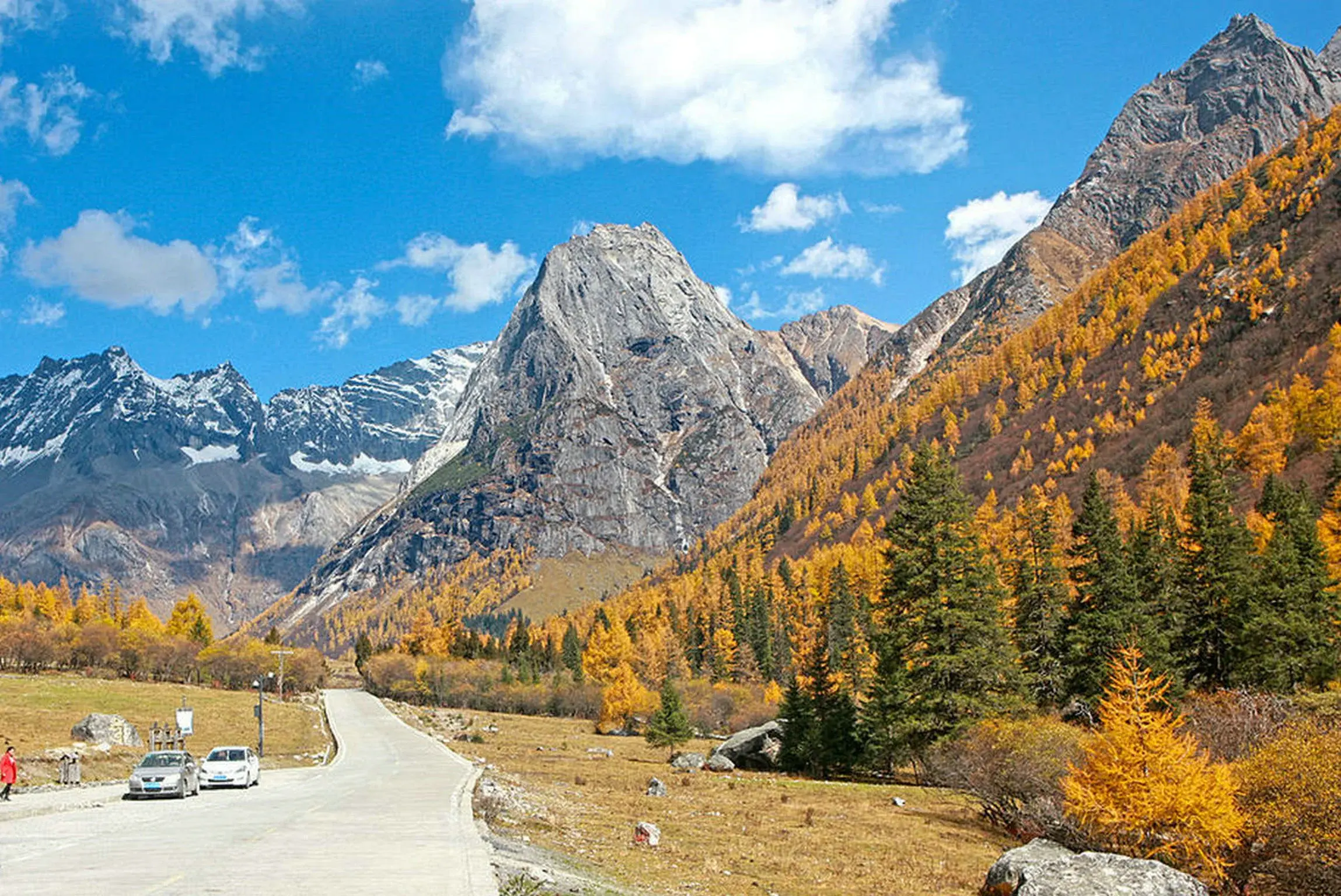 3 days 4-Day Tour of Siguniang Mountain, Biepa Gou, and Dagu Glacier Chengdu → Lixian → Heishui County From $1,599 View route
 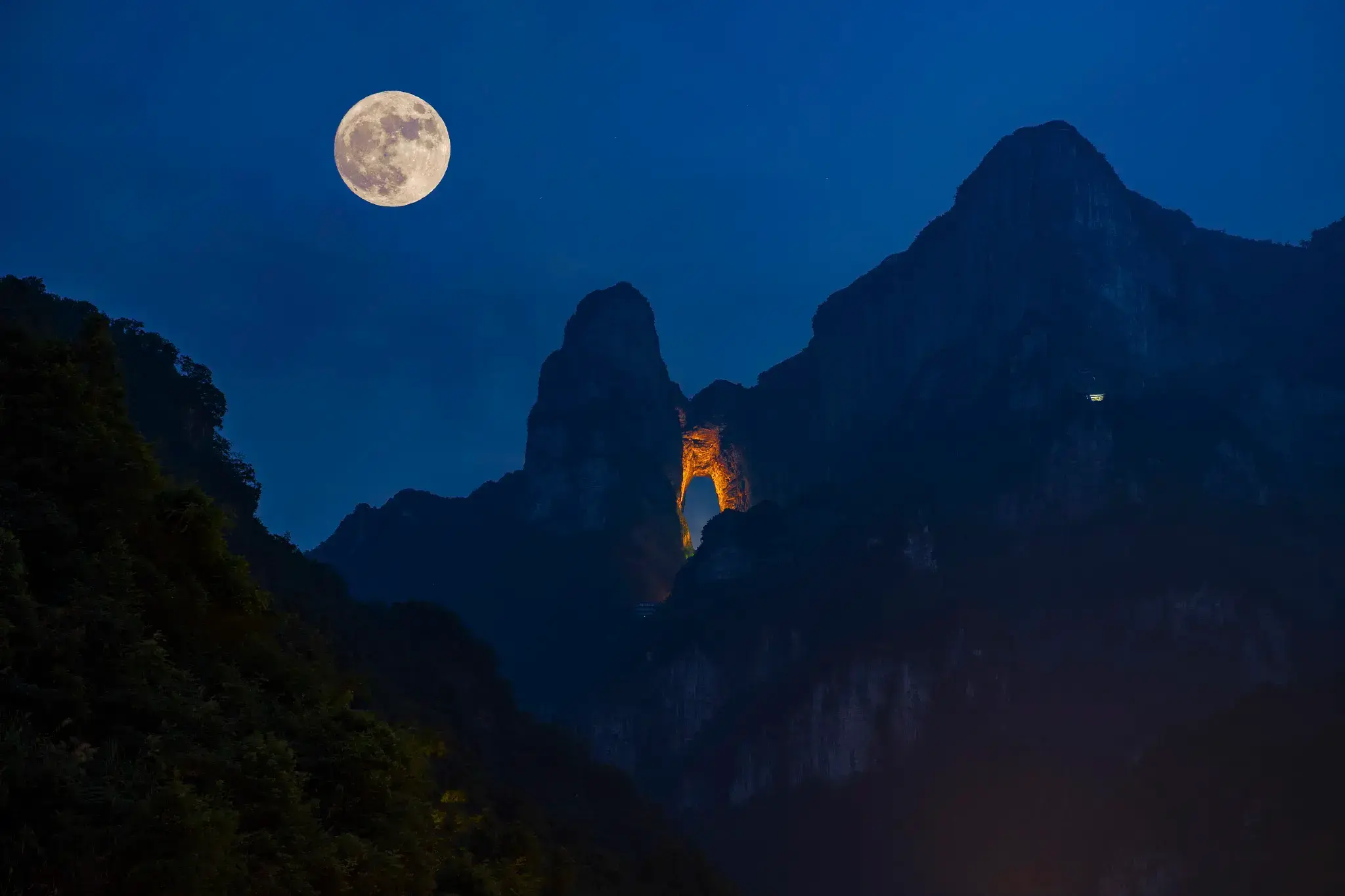 5 days Above the Pillars, Then Below Zhangjiajie From $1,430 View route
 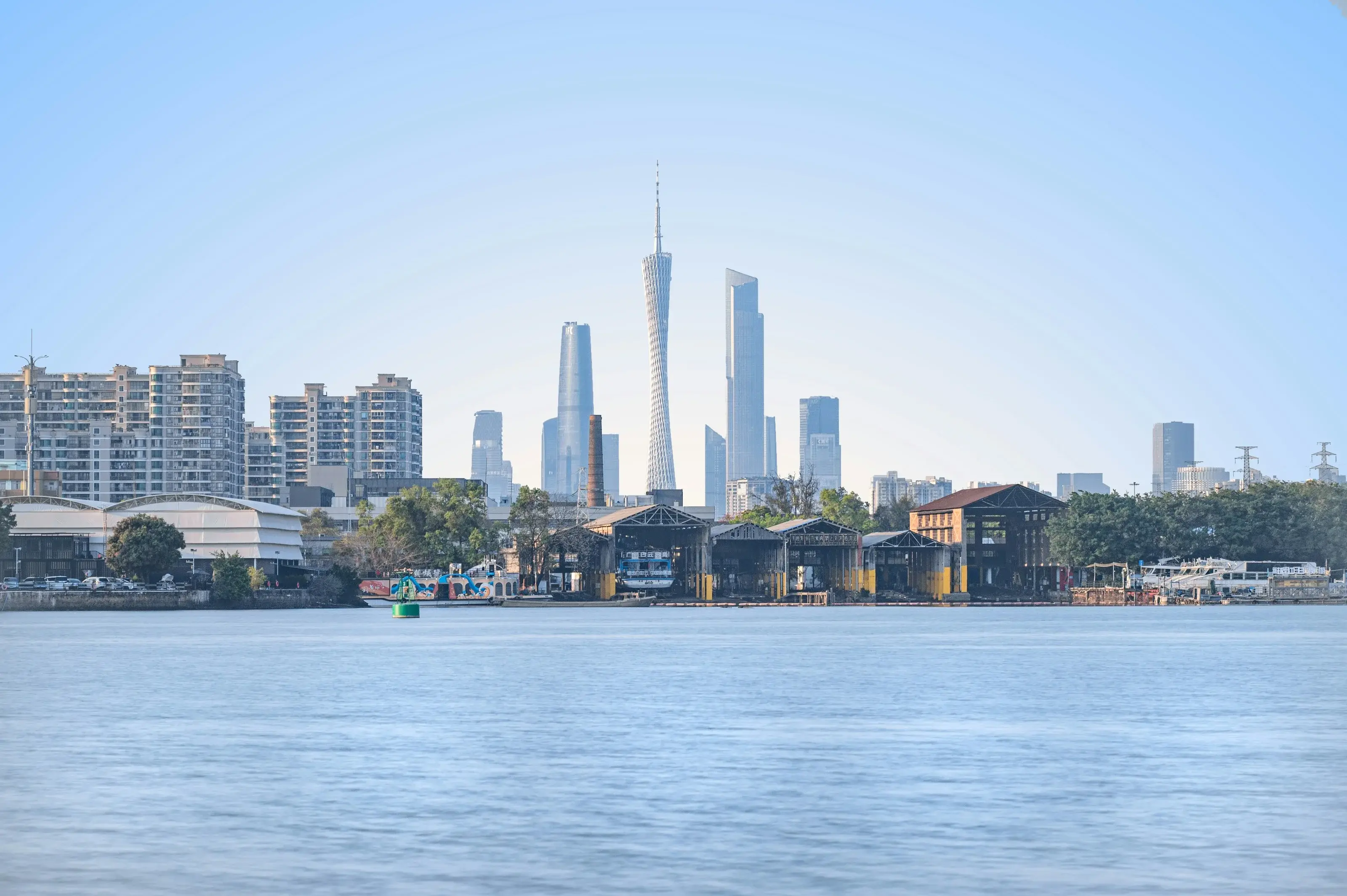 3 days After the Last Booth Guangzhou From $840 View route
  13 days All the Way West Xi'an → Dunhuang → Turpan → Kashgar → Shanghai From $3,500 View route
 TL;DR
China is one of the best-value, most family-friendly travel destinations in the world—and we say this after taking our two daughters there six times, starting when Nina was just 4.5 months old. Children under 6 ride China's 50,000+ km high-speed rail network completely free (China Railway, policy effective January 1, 2023); children under 18 enter most attractions free or at 50% off; a family of four eats well at local restaurants for $10–25; and mid-range hotels in Tier-2 cities like Chengdu and Xi'an deliver 5-star quality at $70–110/night. China's 131.9 million inbound tourists in 2024 (China Tourism Academy) included a rapidly growing family segment, drawn by 47-country visa-free entry (valid through December 31, 2026), a culture that genuinely adores children, and infrastructure—from bullet trains with hot water dispensers to shopping malls with dedicated nursing rooms—that makes traveling with babies and toddlers not just possible but genuinely enjoyable. This guide covers everything: age-by-age activity recommendations, food strategies for picky eaters, packing checklists, healthcare logistics, and three tested family itineraries from 1 to 3 weeks.
Quick Answer: Can You Really Travel China with Young Kids?
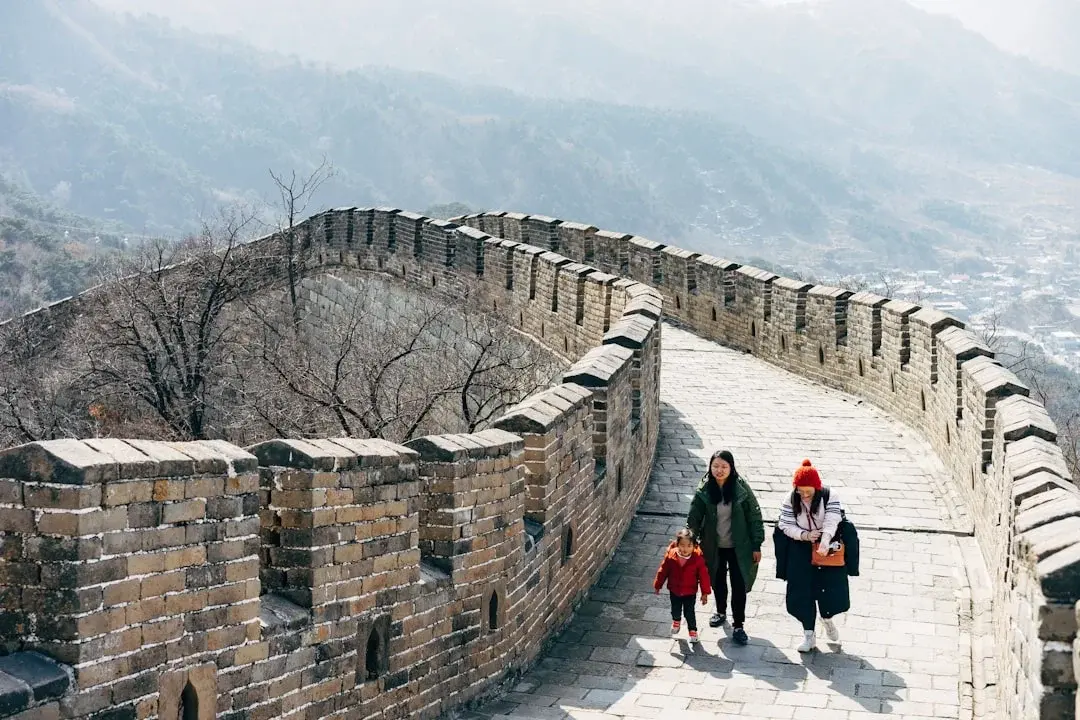
Yes—and it's easier than you think. The combination of world-class transport infrastructure, exceptionally low costs, generous child discount policies, and a culture where strangers actively help families makes China arguably more family-friendly than Japan or Western Europe at a fraction of the price. A comfortable 2-week family trip costs $4,600–7,300 for a family of four (including flights from Europe), compared to $8,000–12,000 for an equivalent trip to Japan or Europe.
Why Is China Exceptional for Family Travel?
Is China safe for families with young children?
China ranks 88th on the 2025 Global Peace Index (Institute for Economics & Peace)—higher than the United States (132nd), France, and the UK—and is officially recognized as having one of the world's lowest homicide rates and fewest gun-related incidents (China Daily, citing Ministry of Public Security data, 2025). For families, this translates into a level of day-to-day safety that is palpably reassuring: cities are clean, well-lit, and extensively monitored; violent crime toward tourists is virtually nonexistent; and children can play in public parks while parents relax nearby without anxiety.
In six trips with our daughters, we've never experienced a single safety concern. What we have experienced, repeatedly, is the opposite: strangers holding doors, carrying strollers up stairs, making funny faces to entertain a crying toddler on a train, and elderly grandmothers stopping us to admire the baby and offer parenting advice in rapid-fire Mandarin. Chinese culture doesn't just tolerate children in public spaces—it celebrates them.
Does China have the infrastructure families need?
China's infrastructure rivals and often exceeds Western standards in ways that specifically benefit families. The high-speed rail network surpassed 50,000 km in December 2025—the world's largest, covering 97% of cities with populations over 500,000 (China State Railway Group). Metro systems operate in 47 cities with 11,000+ km of track, the world's largest urban rail network (China Urban Rail Transit Association, December 2024). Mobile payment via Alipay and WeChat Pay works virtually everywhere, eliminating the need to fumble with cash while managing children. And hotels at every price point offer family-friendly service that consistently impresses Western travelers.
China's investment in mother-and-baby facilities has accelerated dramatically: the national Breastfeeding Promotion Action Plan (2021–2025) set a target of equipping 80% of public places with nursing rooms (母婴室) by 2025, and major shopping malls, train stations, and airports in Tier-1 and Tier-2 cities now routinely provide dedicated nursing and changing facilities.
How does Chinese culture treat families with children?
Chinese culture genuinely adores children—and this isn't a polite observation, it's a daily reality that transforms the travel experience. Expect restaurant staff to bring high chairs without being asked, shop owners to offer small toys or snacks to your kids, metro passengers to give up seats for families, and hotel staff to arrange baby cots proactively. Nina (4.5 months on her first trip) was treated like a minor celebrity everywhere we went. Chinese grandmothers would stop us on the street to admire her, make her laugh, and offer unsolicited but well-meaning parenting advice.
This cultural warmth toward children is not performative—it reflects deep Confucian values around family and the genuine delight that Chinese people take in young children. For traveling families, it creates a support network of strangers that makes navigating a foreign country with babies and toddlers dramatically less stressful than you'd expect.
How much does family travel in China cost compared to other destinations?
A family of four pays only marginally more than a couple in China, thanks to the most generous child discount policies of any major travel destination. Since January 1, 2023, China Railway's age-based child ticket policy provides: children under 6 travel completely free (one per adult, no reserved seat); children aged 6–14 pay half-price for a reserved seat (12306.cn official policy). Most attractions offer free entry for children under 6 or under 1.2m, and half-price for ages 6–18. Hotels allow one child under 12 to stay free in existing bedding.
| Cost Category | China (Family of 4) | Japan (Family of 4) | Europe (Family of 4) |
|---|---|---|---|
| Mid-range hotel (1 room) | \$50–120/night | \$120–250/night | \$150–300/night |
| Family dinner (local restaurant) | \$10–25 | \$40–80 | \$50–100 |
| Intercity train (2 adults + 2 kids under 6) | \$80–160 (kids free) | \$200–400 | \$150–350 |
| Major attraction (family) | \$15–35 (kids free/half) | \$40–80 | \$50–100 |
| Daily total | \$120–250 | \$300–600 | \$350–700 |
The result: a comfortable 2-week family trip to China costs $4,600–7,300 including flights from Europe—roughly 40–50% less than equivalent trips to Japan or Western Europe.
How Should You Plan Your China Family Trip?
When is the best time to visit China with kids?
April–May and September–early October deliver the best combination of comfortable weather (15–25°C), manageable crowds, and optimal conditions for outdoor family activities. These windows avoid the three critical periods that can turn a family trip into an ordeal:
| Period to Avoid | 2026 Dates | Why It\'s Problematic for Families |
|---|---|---|
| Spring Festival | Feb 15–23 | Transport chaos (9.4 billion trips during Chunyun); many businesses closed; impossible to change plans |
| Labor Day | May 1–5 | 314 million domestic tourists; attraction queues 2–4 hours; hotel prices double |
| National Day | Oct 1–7 | 888 million domestic tourists; the worst possible week for families with young children |
| Summer peak | Jul–Aug | Extreme heat (35–40°C+ in Beijing, Xi\'an, Chongqing); oppressive humidity; crowded |
Our recommendation after six trips: late September (before Mid-Autumn Festival) or mid-April through late April offer the absolute sweet spot—warm enough for comfortable outdoor time, cool enough that kids don't overheat, and uncrowded enough that you're not battling strollers through human traffic jams.
Do you need a visa for your family?
Most likely no. Citizens of 47 countries—including all EU/Schengen nations, UK, Australia, New Zealand, Canada, Japan, and South Korea—enjoy 30-day visa-free entry through December 31, 2026 (Ministry of Foreign Affairs, November 2025). This applies to every family member including infants and children—no application, no fees, no advance accommodation bookings required.
Family savings from visa-free entry:
Standard tourist visa: \~$150 per person
Family of 4 saves: $600 in visa fees alone
Eliminates: application hassle, processing wait times, passport submission stress
Enables: spontaneous trip planning (book flights and go)
For nationalities not covered by the 30-day visa-free policy (including the United States), the 240-hour (10-day) visa-free transit option is available through 65 ports across 24 provinces—requiring only an onward ticket to a third country. US families can also apply for a standard L (tourist) visa 1–2 months in advance (\~$185 per person).
Important for Hong Kong/Macau side trips: Entering Hong Kong or Macau from mainland China counts as exiting China. If you plan to return to the mainland afterward, ensure your visa-free status or visa type permits re-entry, or arrange a separate Hong Kong/Macau visit at the beginning or end of your trip.
What should you look for when booking family hotels in China?
Chinese hotels offer exceptional family value—particularly in Tier-2 cities where $70–110/night buys 5-star quality that would cost $200–350 in Shanghai, Tokyo, or European capitals. The key is knowing what to look for and which platforms to use.
Family-specific features to prioritize:
Swimming pool — common in mid-range+ hotels; the single biggest hit with kids after long sightseeing days
Breakfast buffet included — saves 30–45 minutes of morning decision-making and feeds everyone
Location near metro station — essential for easy transport with tired children
Family rooms or connecting rooms — add $20–50/night for significantly more space
Laundry service — critical for trips longer than one week with young children
Best booking platforms for families:
Trip.com — best for China hotels; English interface; clearly indicates which properties accept foreign guests (critical—not all Chinese hotels can register foreigners)
Booking.com — familiar interface but fewer Chinese hotel options
Ctrip (携程) — Chinese platform with the widest selection and often lowest prices, but primarily Chinese interface
Optimal hotel locations by city:
Beijing: Near Qianmen or Wangfujing (walking distance to Forbidden City, Tiananmen)
Xi'an: Inside the city walls (walking distance to Muslim Quarter, Bell Tower)
Chengdu: Near Chunxi Road or Taikoo Li (central, metro-accessible, family dining)
Chongqing: Near Jiefangbei (central, river views, metro-accessible)
Shanghai: Near the Bund or People's Square (central, metro hub)
Our experience across six trips: Chinese hotel staff consistently go above and beyond for families. Baby cots appear without asking, room upgrades are offered when available, and genuine warmth toward children is the norm, not the exception.
How long should you stay, and where should you go?
The pacing rule for family travel in China: minimum 3 days per city, with built-in rest days. Rushing creates stress, meltdowns, and memories of logistics rather than experiences. We've tested three itinerary frameworks across our six trips:
1 Week — Classic Introduction
Route: Beijing (4 days) → Xi'an (3 days)
Highlights: Great Wall (Mutianyu section—cable car, toboggan, less crowded), Forbidden City, Temple of Heaven, Terracotta Warriors, Muslim Quarter, city wall cycling. Best for first-time families with limited vacation time.
Budget: $1,200–2,400 for family of 4 (excluding international flights)
2 Weeks — The Golden Route (Our Recommendation)
Route: Beijing (3 days) → Xi'an (3 days) → Chengdu (3 days) → Chongqing (3 days) → 2 buffer days
Highlights: Ancient history + pandas + modern megacity + incredible food, all connected by high-speed rail. This route offers optimal diversity without exhaustion. We've done variations of this route four times—it's our gold standard.
Budget: $2,200–4,500 for family of 4 (excluding international flights)
3 Weeks — The Full Experience
Route: Beijing → Xi'an → Chengdu → Chongqing → Guangzhou → Shenzhen/Hong Kong
Highlights: North-to-south journey showcasing China's full geographic, cultural, and culinary diversity. Best for families with extended time wanting deep immersion.
Budget: $3,500–6,500 for family of 4 (excluding international flights)
How Do You Get Around China with Kids?
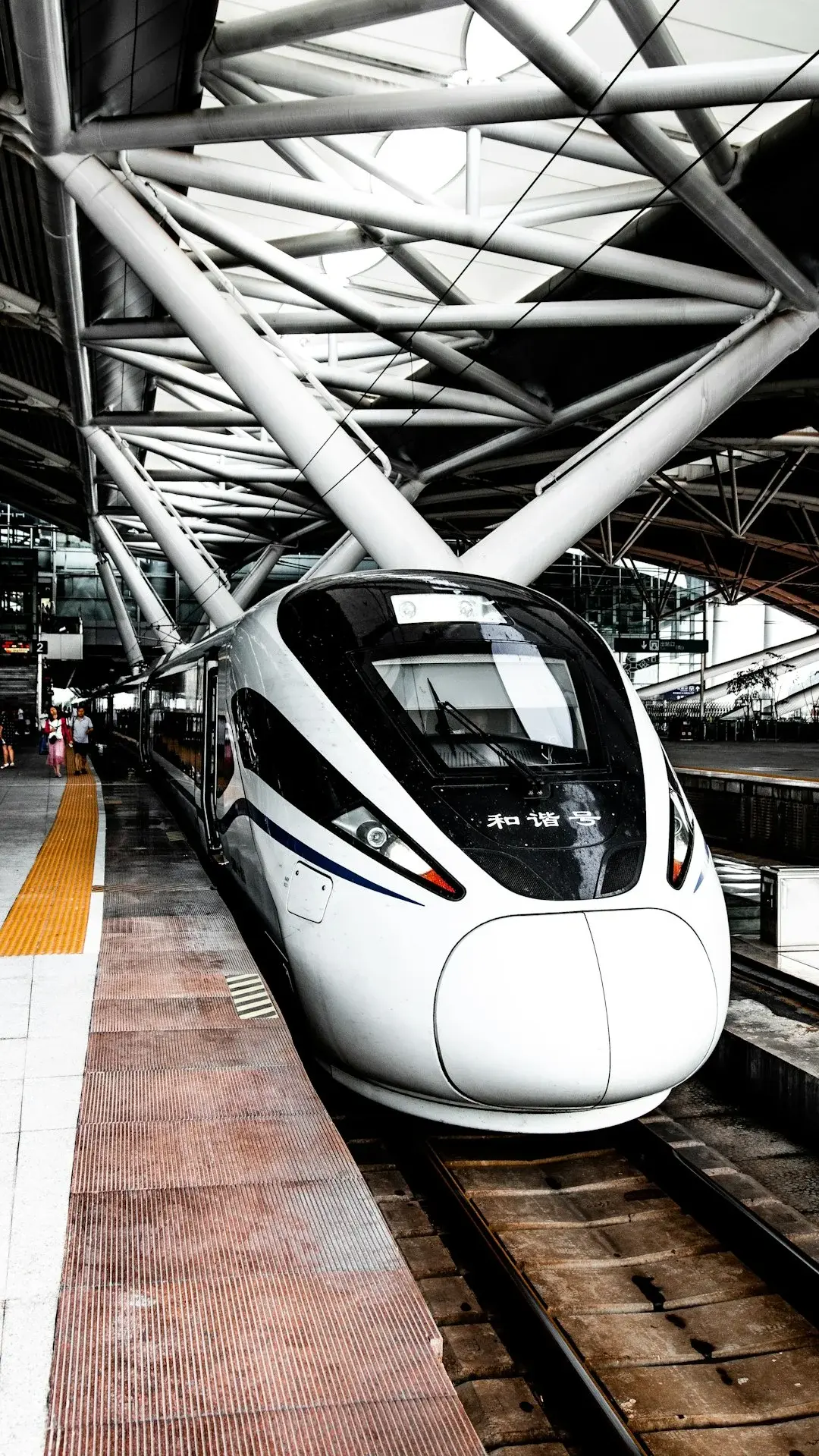
Why are high-speed trains the best option for family travel?
China's high-speed rail network—50,000+ km as of December 2025, serving over 4 billion passengers annually with 99%+ on-time performance (China State Railway Group)—is the single greatest advantage of family travel in China over virtually any other destination. Trains beat flying with kids in every dimension that matters to parents: no security theater, no ear-popping, no car seat requirements, space to move around, hot water for bottles, clean toilets, and city-center to city-center convenience.
Child ticket policy (effective January 1, 2023):
| Age | Ticket | Seat | Cost |
|---|---|---|---|
| Under 6 | Free (1 per adult) | No reserved seat (sits on parent\'s lap) | \$0 |
| 6–13 | Child discount ticket | Reserved seat | 50% of adult fare (75% for sleeper berths) |
| 14+ | Full-price ticket | Reserved seat | 100% of adult fare |
Source: 12306.cn official FAQ; policy applies to all train types including G (high-speed) and D (express)
Why families love Chinese trains:
Space: G-train 2nd class has more legroom than economy flights—kids can color, read, and play without being confined
Hot water dispensers: Available in every carriage, perfect for baby bottles, instant noodles, and warm drinks
Clean toilets: Western-style toilets in every carriage; accessible toilets with changing tables available
Smooth ride: 300–350 km/h feels like gliding—no motion sickness, no turbulence, no crying from ear pressure
Flexible: Walk around, visit the dining car, let toddlers stretch their legs between carriages
Booking trains:
Trip.com — English interface, accepts international cards, e-tickets sent to phone (no collection needed), small service fee
12306.cn — official platform, cheapest prices, but Chinese interface and requires Chinese phone number
When to book: Popular routes 7–10 days ahead; holidays 15–30 days ahead; tickets release 15 days before departure
Our experience: Our kids LOVE Chinese trains. Nina (now 5) asks when we can "ride the fast train" again. The combination of smooth ride, space to move, hot water for instant noodles, and the novelty of watching China flash past at 350 km/h makes train travel genuinely enjoyable family time rather than something to endure.
How do you navigate cities with kids?
Metro systems in 47 Chinese cities provide the fastest, cheapest, and most family-friendly urban transport—¥2–10 ($0.30–1.40) per ride, with children under 1.3m riding free in most cities. English signage is standard in Tier-1 and most Tier-2 city metro systems. Payment is effortless: scan your Alipay or WeChat Pay QR code at turnstile gates.
Family metro tips:
Avoid rush hours: 7:30–9:00 AM and 5:00–7:00 PM can be crushingly crowded
Elevator access: Many older stations lack elevators—bring a carrier, not just a stroller
Download offline metro maps: The "MetroMan" app works across all Chinese cities
Payment: Alipay QR code scanning at gates—no tickets or metro cards needed
DiDi (Chinese ride-hailing) is essential for families. When kids are too tired to walk, the metro involves too many stairs, or you're carrying a sleeping toddler, DiDi provides door-to-door transport at remarkably low prices: short city rides cost $2–4, cross-city trips $5–10, airport transfers $15–30. The app has an English interface with auto-translation, transparent pricing, real-time driver tracking, and cashless payment through WeChat/Alipay.
Important safety caveat: DiDi cars do not provide child car seats. For safety-critical trips (airport transfers, highway distances), book a private transfer with car seat through your hotel concierge or a service like GetTransfer.
Should you bring a stroller or baby carrier?
Carrier first, stroller second—this is our single most emphatic recommendation after six trips. Chinese cities present constant obstacles for strollers: metro stations with stairs and no elevators, crowded sidewalks, hills (Chongqing is essentially vertical), cobblestone hutongs, and attraction entrances with steps. A good baby carrier handles 90% of situations; a lightweight umbrella stroller serves the remaining 10% (flat city walks, hotel neighborhood strolls).
Our setup: Ergobaby Omni 360 as primary transport (newborn through toddler, multiple carrying positions), lightweight umbrella stroller for hotel neighborhood walks. The carrier got 90% of use across all six trips.
Recommended carriers by age:
Ergobaby Omni 360: Newborn to toddler (\~20kg), multiple positions, excellent back support for parents
BabyBjörn One: Simple, comfortable, good for shorter trips and younger babies
Osprey Poco: For older toddlers (18+ months), hiking-style with sun shade—excellent for Great Wall and outdoor attractions
What Apps and Digital Setup Do You Need?
China runs on apps—and setting them up before departure is non-negotiable, because many essential websites are blocked once you arrive. With tired kids in tow, you cannot afford to troubleshoot tech problems at the airport. Complete this setup at home, test everything, and arrive ready.
Which apps are essential for families?
WeChat (微信) — The Operating System of China
WeChat isn't just messaging—it's how China functions. You'll use it for payments (WeChat Pay), booking taxis (DiDi mini-program), communicating with hotels, translating menus, and connecting with other travelers. Setup: download before departure, create account with phone number, link international credit/debit card, verify identity with passport, test with a small transaction.
Alipay (支付宝) — Essential Backup Payment
Having both WeChat Pay and Alipay ensures you're never stuck. Alipay often works better for public transport QR codes and attraction ticket purchases, and its foreigner interface is more intuitive. The People's Bank of China raised the single transaction limit for foreign users to $5,000 and the annual limit to $50,000 (March 2024), making it fully practical for family trip spending.
Translation Apps
Google Translate (download offline Chinese dictionary before arrival—camera translation for menus and signs is a lifesaver with kids) and Pleco (the best Chinese-English dictionary with handwriting recognition and camera OCR). Microsoft Translator works without VPN as a backup.
Navigation
Google Maps doesn't work well in China (blocked and inaccurate). Use Apple Maps (works reasonably well, English interface) or Gaode Maps (高德地图) (Chinese interface but most accurate for China, works offline, integrates with DiDi).
Should you get an eSIM or local SIM?
eSIM is the clear winner for families: set up before departure (no airport hassle with tired kids), automatically bypasses the Great Firewall (Google, WhatsApp, YouTube work without VPN), and keeps your home number active for two-factor authentication.
| Option | Cost (3 weeks) | Firewall Bypass | Setup |
|---|---|---|---|
| eSIM (recommended) | \$19–45 (10–20GB) | ✅ Automatic | Before departure—zero airport stress |
| Local Chinese SIM | \$11–21 (15–30 days) | ❌ Needs VPN | At airport—passport required, queue with kids |
Recommended eSIM providers: Airalo, Holafly (unlimited data option—excellent if kids use tablets), MobiMatter (best value). If you choose a local Chinese SIM for cost savings on longer stays, download and configure a VPN (ExpressVPN, NordVPN, or Astrill) before entering China—VPN provider websites are blocked inside China.
What Activities Work Best for Each Age Group?
Can you travel China with a baby under 12 months?
Yes—and counterintuitively, this may be the easiest age for China travel. Babies sleep on the go (trains and carriers are perfect), have no opinions about the itinerary, attract constant positive attention from Chinese people (which buys you goodwill everywhere), and maintain flexible schedules that adapt to nap-anywhere lifestyles.
Best activities for babies:
Parks: Temple of Heaven (Beijing), People's Park (Chengdu), Beihai Park (Beijing)—gentle walking, local atmosphere, benches for feeding
Gentle sightseeing: Bund walk (Shanghai), Houhai Lake (Beijing), river promenades
Indoor spaces: Shopping malls with AC and nursing rooms, bookstores, tea houses
Avoid: Great Wall (too strenuous with carrier), very crowded attractions during peak hours
Practical baby logistics in China:
Breastfeeding: Culturally accepted; attitudes are positive though public breastfeeding is uncommon. Most malls have dedicated nursing rooms (母婴室, mǔ yīng shì). China's Breastfeeding Promotion Action Plan targeted 80% of public places equipped with nursing facilities by 2025.
Formula: International brands (Aptamil, Similac, Enfamil) widely stocked in supermarkets, pharmacies, and mother-baby stores. Hot water for bottles available on trains, in hotels, and at restaurants. No need to pack large quantities.
Nappies: Pampers, Huggies, and Merries (Japanese brand, excellent quality) available everywhere—7-Eleven, FamilyMart, supermarkets, pharmacies. Prices comparable to or cheaper than Western countries.
Changing facilities: Modern malls, train stations, and metro stations have changing tables in accessible toilets (无障碍卫生间). Quality is generally good in Tier-1 and Tier-2 cities; high-speed trains have changing tables in accessible carriage toilets.
Our experience: Nina at 4.5 months was our easiest travel companion. She slept through train rides, attracted constant positive attention that smoothed every interaction, and was perfectly content in the carrier. The main challenge was finding quiet places for naps when she was overtired—hotel rooms became our midday sanctuary.
What activities are best for toddlers (1–3 years)?
Toddlers are old enough to enjoy new experiences, young enough to be portable (carrier still works for most), and perfectly suited to China's world-class indoor playgrounds—which are unlike anything in Europe or North America.
Indoor playgrounds (the secret weapon):
China's indoor playgrounds are enormous, well-equipped, staffed with supervisors, and offer organized activities—a quantum leap beyond the sad ball pits of Western shopping malls. Cost: $10–25 for 2–3 hours of play, which buys you exhausted, happy kids and a chance to sit down with coffee.
Top playgrounds we've tested:
Neobio Family (Chongqing): Multi-story playground with themed areas, dress-up activities, staff-led games
Meland Club (multiple cities): Upscale chain with ball pits, climbing structures, art areas
Pororo Park (Shanghai, Beijing): Korean character-themed chain, excellent for ages 2–4
Other toddler-winning activities:
Parks with activities: Beihai Park boat rentals (Beijing), People's Park tea houses (Chengdu), Eling Park city views (Chongqing)
Interactive street experiences: Paint-your-own toys from street vendors ($1.50–3), music bikes in parks (exercise bikes that play music and blow bubbles), graffiti walls in Chongqing
Food as entertainment: Watching noodle-pulling, dumpling-making, street food preparation—toddlers are mesmerized
Food for picky toddlers: Order "不辣" (bù là = not spicy) and "少油" (shǎo yóu = less oil) for toddler-friendly versions of virtually any dish. Plain rice (白饭, bái fàn), steamed dumplings, noodle soup, and steamed buns are available everywhere and universally accepted by even the pickiest eaters.
Our experience: Hanna at 2.5 loved the indoor playgrounds, street food spectacles, and constant sensory stimulation. The biggest challenge was managing overstimulation—China is busy and loud, which can overwhelm toddlers. We built in quiet hotel time every afternoon, which became our non-negotiable rhythm.
Why is preschool age (3–5 years) ideal for China travel?
This is the sweet spot: old enough to remember the trip and get genuinely excited about new experiences, young enough to remain flexible and adaptable, and physically capable of walking reasonable distances while still fitting comfortably in a carrier when energy runs out.
Best activities for preschoolers:
Cultural performances: Tang Dynasty Show (Xi'an)—music, dance, costumes that mesmerize kids; Sichuan Opera face-changing (Chengdu)—magical mask transformations that produce genuine gasps; kung fu shows (Beijing)—acrobatics and martial arts
Animal encounters: Chengdu Panda Base (arrive 8–10 AM when pandas are most active; all visitors including children must book online in advance via official platforms); Chongqing Zoo (affordable at \~$3, less crowded, good variety); Beijing Zoo + Aquarium (full-day activity)
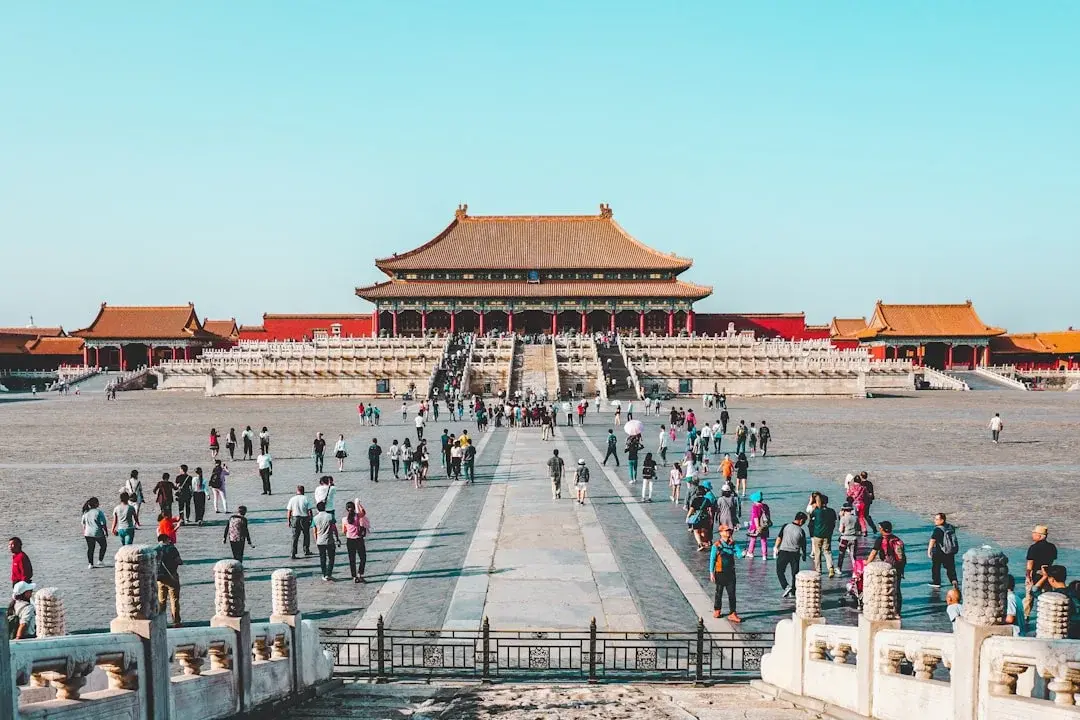
Gentle sightseeing: Forbidden City as a treasure hunt (focus on details—dragon carvings, golden lions, counting roof animals); Xi'an city wall cycling (rent a family bicycle, ride the 14km perimeter); river cruises (Huangpu River in Shanghai, Yangtze cable car in Chongqing)
Parks and outdoor spaces: Beihai Park boat rentals and playgrounds (Beijing), Nanshan One Tree observation deck (Chongqing—kids love the views), West Lake boat rides (Hangzhou)
Our experience: At 3.5, Hanna painted "graffiti" on Chongqing's designated graffiti street, was mesmerized by the Tang Dynasty Show in Xi'an, and still talks about the "fast trains." This age extracts genuine joy from new experiences while remaining flexible enough to handle the inevitable disruptions of family travel.
What experiences work best for school-age children (6+)?
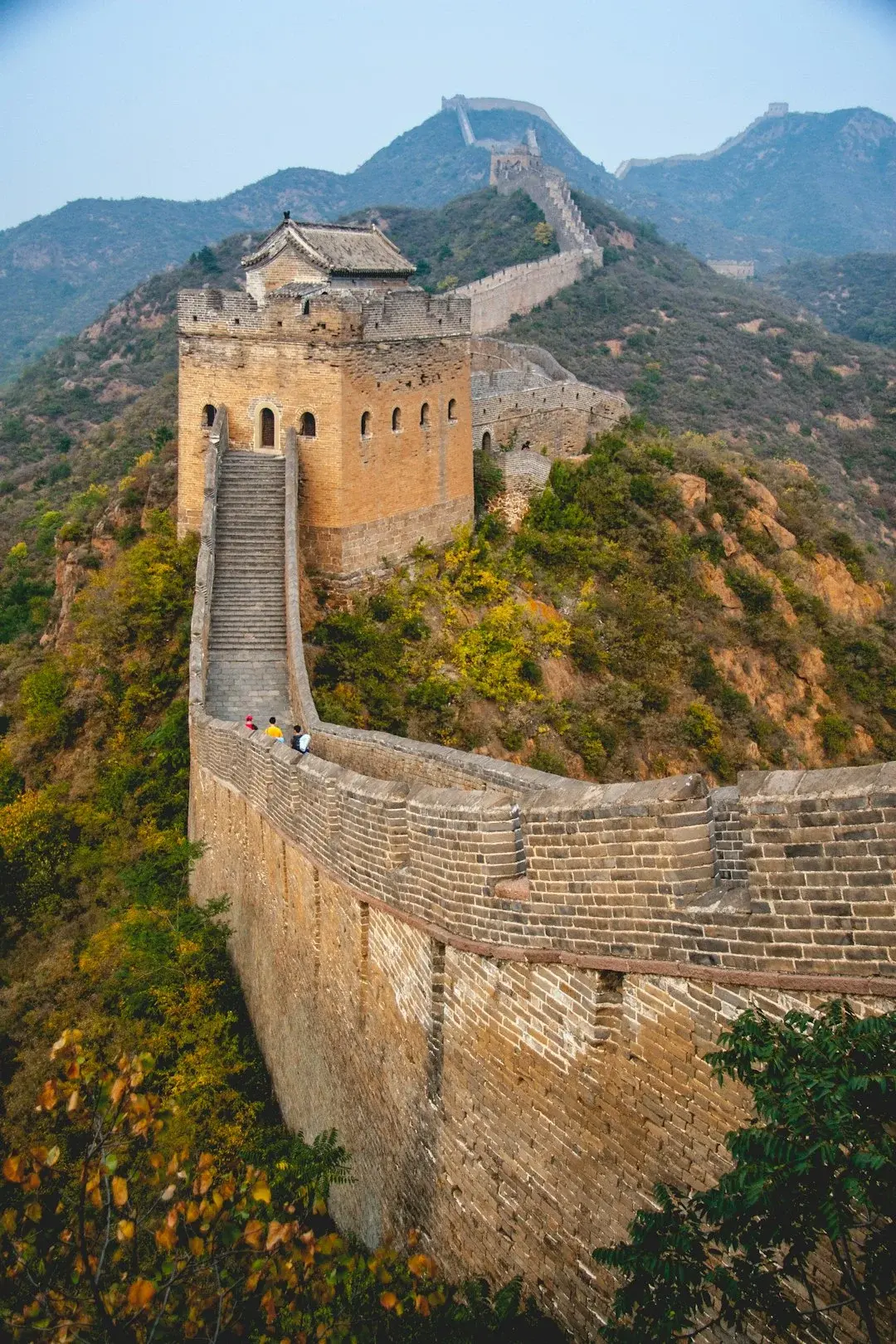
School-age children can handle the "full China experience"—major historical sites, physical challenges, cultural immersion, and educational depth that younger children can't yet appreciate.
Major historical sites (now meaningful):
Great Wall (Mutianyu section): Less crowded than Badaling, cable car option for ascent, toboggan slide for descent (kids love this), genuine sense of adventure. Hire an English-speaking guide ($20–30) to bring the history alive.
Terracotta Warriors (Xi'an): An English guide is essential here—without context, it's "a bunch of statues." With a good guide, it becomes one of the most awe-inspiring archaeological experiences on Earth.
Forbidden City (Beijing): Audio guide or guided tour transforms this from overwhelming to fascinating. Make it interactive: count the roof animals (the number indicates the building's importance), find the dragon carvings, spot the sundials.
Adventure activities:
Cycling Xi'an city wall: 14km loop, 2–3 hours, incredible views—one of our family's all-time favorite experiences
Yangtze River cable car (Chongqing): Cross the river in a glass cabin suspended above the water
Hiking: Zhangjiajie (Avatar mountains) for older kids with stamina; Tiger Leaping Gorge (Yunnan) for families with experienced hikers
Educational and cultural immersion:
Cooking classes: Family dumpling-making and noodle-pulling workshops available in most cities
Morning tai chi: Join locals in parks—free, welcoming, and a uniquely Chinese experience
Night markets: Let kids choose street food, practice basic Mandarin phrases (你好 nǐ hǎo, 谢谢 xiè xie, 多少钱 duō shǎo qián), and experience the sensory overload of Chinese evening culture
Calligraphy workshops: Many cities offer family-friendly classes where kids learn to write basic characters
Will Picky Eaters Find Food in China?
What Chinese foods are naturally kid-friendly?
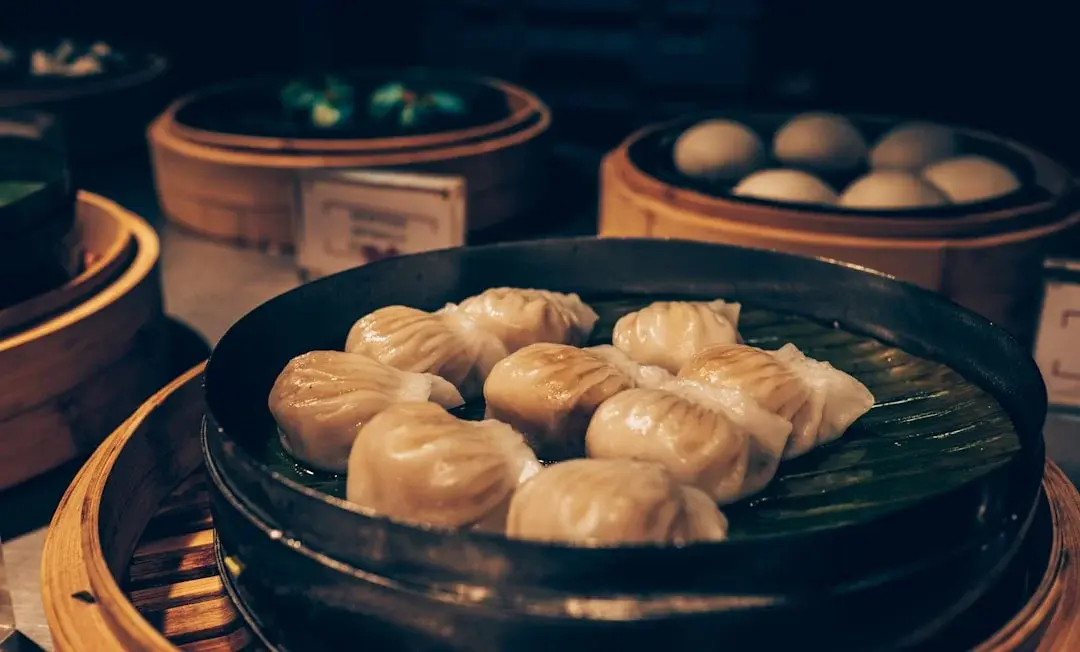
Chinese cuisine is inherently more kid-friendly than most parents expect—the staples that Chinese children eat daily are the same bland, comforting carbohydrates that picky eaters worldwide gravitate toward. Plain white rice (白饭), steamed dumplings (蒸饺), noodle soup (汤面), steamed buns (馒头), fried rice (炒饭), scrambled eggs with tomato (番茄炒蛋), and congee (粥, rice porridge) are available at virtually every restaurant in China and universally accepted by even the most selective young palates.
The economics of Chinese dining make picky eating stress-free: meals are so affordable ($10–25 for a family of four at local restaurants) that ordering extra dishes and letting kids pick what they like costs almost nothing. Wasted food doesn't break the budget, and the family-style sharing format means no child is locked into a single dish they might reject.
How do you order mild, kid-friendly food?
Five essential phrases solve 90% of family dining challenges. Save these in your phone and show them to waiters—they understand immediately:
不辣 (bù là) = "Not spicy"
少油 (shǎo yóu) = "Less oil"
少盐 (shǎo yán) = "Less salt"
白饭 (bái fàn) = "Plain white rice"
清淡 (qīng dàn) = "Mild flavor"
How does spice level vary by region?
Regional cuisine varies dramatically in spice level, and understanding this prevents unpleasant surprises for young palates:
Sichuan/Chongqing: Default is VERY spicy (málà = numbing-spicy). Order "微辣" (wēi là = mildly spicy) or "不辣" (bù là = not spicy). Even "not spicy" may retain some heat—always taste before serving to kids. Safe bets: plain noodles, steamed dumplings, steamed dishes.
Northern China (Beijing, Xi'an): Less spicy, more wheat-based (noodles, buns, flatbreads). Easiest region for picky eaters. Xi'an's Muslim Quarter offers lamb dishes and flatbreads that most kids enjoy.
Southern China (Shanghai, Guangzhou): Sweeter flavors, minimal spice. Cantonese dim sum culture (small plates, visual variety) is perfect for kids who want to try small amounts of many things.
Can kids eat hot pot?
Yes—even in Chongqing, the hot pot capital of the world. Order 鸳鸯锅 (yuān yāng guō, "yin-yang pot") with one spicy side and one mild side. Cook food in the mild side for kids: tofu, mushrooms, noodles, thinly sliced meat, and vegetables. Let kids dip cooked food in sesame sauce (mild, nutty, delicious). The interactive cooking format—choosing ingredients, watching them cook, fishing them out—makes hot pot genuinely fun for children. Our kids loved Chongqing hot pot from their first experience.
What's the backup plan for truly picky moments?
Three reliable fallbacks exist everywhere in China:
Street food: Steamed buns, dumplings, and noodles available on virtually every block—cheap ($1–3), fast, and kids can see the food before committing
Convenience stores: 7-Eleven and FamilyMart on every corner stock yogurt drinks, fruit cups, packaged snacks, sandwiches, and onigiri—perfect for picky moments or early breakfasts
Familiar snacks from home: Pack a small supply as emergency backup, but in six trips we've rarely needed them—Chinese snacks are surprisingly appealing to Western kids
What Practical Logistics Do Families Need to Know?
Can you buy nappies and baby supplies everywhere?
Yes—China is fully modernized, and the image of split-pants toddlers is thoroughly outdated. International brands (Pampers, Huggies, Merries) and quality Chinese brands (Babycare, Curious Baby) are stocked in convenience stores, supermarkets, pharmacies (Watsons, Mannings), and specialized mother-baby stores in every city. Prices are comparable to or cheaper than Western countries: a pack of Pampers costs $8–15 depending on size. The total number of nursery care facilities in China grew 13.8% year-on-year to 114,000 in 2024, reflecting the country's massive investment in child-related infrastructure (China Daily, citing National Health Commission data, December 2025).
Our advice: Bring enough nappies for the first 2–3 days (to cover jet lag recovery and initial orientation), then buy as needed. No need to sacrifice luggage space for supplies that are readily available.
Is the toilet situation manageable for families?
Modern China has invested heavily in public toilet infrastructure—the squat-toilet-only era is largely over in tourist areas of major cities. Here's what to realistically expect:
| Location | Toilet Type | Changing Table | Cleanliness |
|---|---|---|---|
| Tier-1 cities (Beijing, Shanghai, Shenzhen) | Western toilets in malls, metro stations, attractions | Common in accessible toilets | Generally clean, well-maintained |
| Tier-2 cities (Chengdu, Chongqing, Xi\'an) | Mix of Western and squat; malls and newer areas have Western | Available but less common | Generally good |
| High-speed trains | Clean Western toilets in every carriage | Available in accessible toilet carriage | Well-maintained |
| Older public facilities | Squat toilets more common | Rare | Variable |
Essential: Always carry toilet paper (many public restrooms don't provide it), wet wipes, and hand sanitizer. Look for the "无障碍卫生间" (accessible toilet) sign for the best family facilities with changing tables.
Our experience: In six trips, we've never had a toilet emergency. Modern facilities are abundant in tourist areas. The situation is dramatically better than even five years ago and continues to improve rapidly.
What if someone gets sick?
Chinese healthcare is modern, affordable, and accessible—but travel insurance is essential because hospitals require upfront payment before treatment. We speak from direct experience: we visited a hospital when Hanna was unwell, and the care was fast (seen within 30 minutes), comprehensive (blood test, examination, IV fluids), professional (modern equipment, competent staff), and remarkably affordable (total cost \~$50 before insurance reimbursement).
How Chinese hospitals work for families:
Register at front desk (bring passport)
Receive healthcare card (stores medical records, works nationwide)
Pay upfront for each service (consultation, tests, medication)
Collect receipts for insurance reimbursement
Typical costs (before insurance):
| Service | Cost |
|---|---|
| Doctor consultation | \$7–15 |
| Blood test | \$15–30 |
| X-ray | \$20–40 |
| IV fluids/medication | \$20–50 |
| Typical total visit | \$50–150 |
Travel insurance is non-negotiable for families. Verify coverage includes: medical evacuation (essential for remote areas or Tibet), pre-existing conditions if applicable, and high-altitude coverage if visiting Tibet or Xiahe (above 3,000m). Many family policies cover children under 17 free on a parent's plan.
Pharmacies are abundant in every Chinese city. Basic medications (pain relievers, cold medicine, digestive aids) are available without prescription. Pharmacists in major cities often speak some English. Always bring prescription medications from home in original packaging with a doctor's note.
What Should You Pack for a Family Trip to China?
Essential Documents and Money
☑ Passports (6+ months validity for all family members)
☑ Printed accommodation confirmations (immigration may request at visa-free entry)
☑ Travel insurance documents + emergency contact numbers
☑ Prescription medication letters (if applicable)
☑ Children's birth certificates (copies—occasionally useful for age verification at attractions)
☑ Credit/debit cards (notify bank of China travel; Wise card recommended for best exchange rates on Alipay/WeChat Pay)
☑ Cash backup: ¥1,000–2,000 ($140–280) for emergencies
Technology
☑ Unlocked smartphone with eSIM capability (pre-configured with eSIM, Alipay, WeChat Pay, VPN, translation apps, offline maps)
☑ Portable charger (10,000+ mAh minimum—your phone is your wallet, map, translator, and camera)
☑ Universal adapter (China uses 220V with Type A/C/I plugs)
☑ Headphones for kids' tablets on trains (essential for maintaining sanity on 4+ hour journeys)
☐ Kids' tablet loaded with offline content (optional but highly recommended for train travel)
Baby and Toddler Gear
☑ Baby carrier (Ergobaby, BabyBjörn, or similar—the single most important piece of family travel gear)
☑ Nappies for first 2–3 days (buy rest in China)
☑ Wet wipes (multipurpose: hands, faces, surfaces, emergency toilet paper)
☑ Hand sanitizer
☑ Favorite comfort item (stuffed animal, blanket—the one thing you cannot replace in China)
☑ Small first aid kit (band-aids, children's pain reliever/fever reducer, thermometer, antihistamine, electrolyte solution)
☐ Lightweight umbrella stroller (optional—only for flat cities)
Clothing
☑ Comfortable walking shoes for everyone (expect 10,000+ steps daily)
☑ Extra outfit in day bag for kids (spills, accidents, weather changes)
☑ Layers (air conditioning can be aggressively cold indoors; outside temperatures vary)
☑ Swimwear (many hotels have pools—the post-sightseeing swim is a family ritual)
☑ Sun hat and sunscreen (SPF 30+)
☑ Light rain jacket (spring/summer)
What NOT to Pack
❌ Excessive nappies (buy in China—save luggage space)
❌ Large quantities of formula (available everywhere)
❌ Bulky stroller (carrier is more versatile)
❌ Excessive Western snacks (Chinese snacks are great; convenience stores everywhere)
❌ Too many clothes (laundry services are cheap and fast—¥20–50 per load)
❌ Physical guidebooks (this guide + offline maps is sufficient)
What Does a Family Trip to China Actually Cost?
How much should you budget?
A family of four spends $80–400/day in China depending on comfort level—dramatically less than equivalent family travel in Japan or Europe, primarily because accommodation is per-room (not per-person), child discounts are generous, food is extraordinarily cheap, and tipping doesn't exist.
| Category | Budget | Mid-Range | Comfortable |
|---|---|---|---|
| Accommodation | \$30–50/night | \$60–120/night | \$120–250/night |
| Food (family of 4) | \$15–30/day | \$25–50/day | \$40–80/day |
| Local transport | \$5–10/day | \$10–20/day | \$20–40/day |
| Activities | \$5–15/day | \$15–35/day | \$30–60/day |
| Daily total | \$55–105 | \$110–225 | \$210–430 |
Why do families save so much money in China?
The savings compound across every category:
Accommodation: Per room, not per person. A family of four shares one room for the same price as a couple. One child under 12 stays free in existing bedding. Result: accommodation cost is identical whether you're traveling as a couple or a family.
Children's discounts: Under 6: free train travel (no seat). Ages 6–13: half-price trains. Under 18: free or 50% off at most attractions. Many Beijing attractions (including some museums): free for all under-18s regardless of nationality.
Food: Family of four eats well at local restaurants for $10–25. Street food: $1–3 per person. No tipping culture saves 15–20% versus Western countries.
Free activities: Parks (tai chi, playgrounds, local life), hutong wandering, night markets, museum visits (many free), riverside walks, people-watching.
Example: Family of 4, 2-Week Golden Route, Mid-Range Comfort
| Category | Cost |
|---|---|
| International flights (Europe, 2 adults + 2 children) | \$2,400–3,500 |
| Hotels (13 nights × \$80–120) | \$1,040–1,560 |
| High-speed trains (Beijing→Xi\'an→Chengdu→Chongqing) | \$300–450 (kids under 6 free) |
| Food (14 days × \$30–50) | \$420–700 |
| Activities and attractions | \$200–400 |
| Local transport (metro, DiDi) | \$140–280 |
| eSIM, insurance, miscellaneous | \$140–340 |
| Total | \$4,640–7,230 |
What this buys: Comfortable 4-star hotels with pools, all meals at good local restaurants, high-speed trains between cities, all major attractions, indoor playgrounds and activities, eSIM data for both parents, and comprehensive travel insurance.
Comparison: An equivalent 2-week family trip to Japan costs $8,000–12,000; to Western Europe, $9,000–14,000. China delivers comparable (often superior) experiences at 40–50% less.
FAQ
Is China a good destination with kids?
Yes. China is safe, high-value, and culturally welcoming to children, but families need realistic pacing, family-friendly hotels, and careful handling of payments, food, and transport.
What is the best age for kids to visit China?
School-age children often get the most from history and culture, but toddlers and younger kids can travel well with slower pacing, private transfers, and flexible meal planning.
Which China destinations work best for families?
Beijing, Xi'an, Chengdu, Shanghai, Guilin or Yangshuo, and Hong Kong are strong family choices because they mix recognizable highlights with practical infrastructure.
How long should a family trip to China be?
Ten to fourteen days is the sweet spot for most families. It allows several major places without forcing a new hotel every night.
What should families avoid when planning China?
Avoid public holiday peaks, overlong walking days, too many one-night stays, late train arrivals, and hotels that are far from food or transport.
Do families need a private guide in China?
Not every day, but private guiding helps with child-friendly pacing, tickets, restaurant ordering, bathroom stops, transfers, and explaining sites in a way kids can follow.