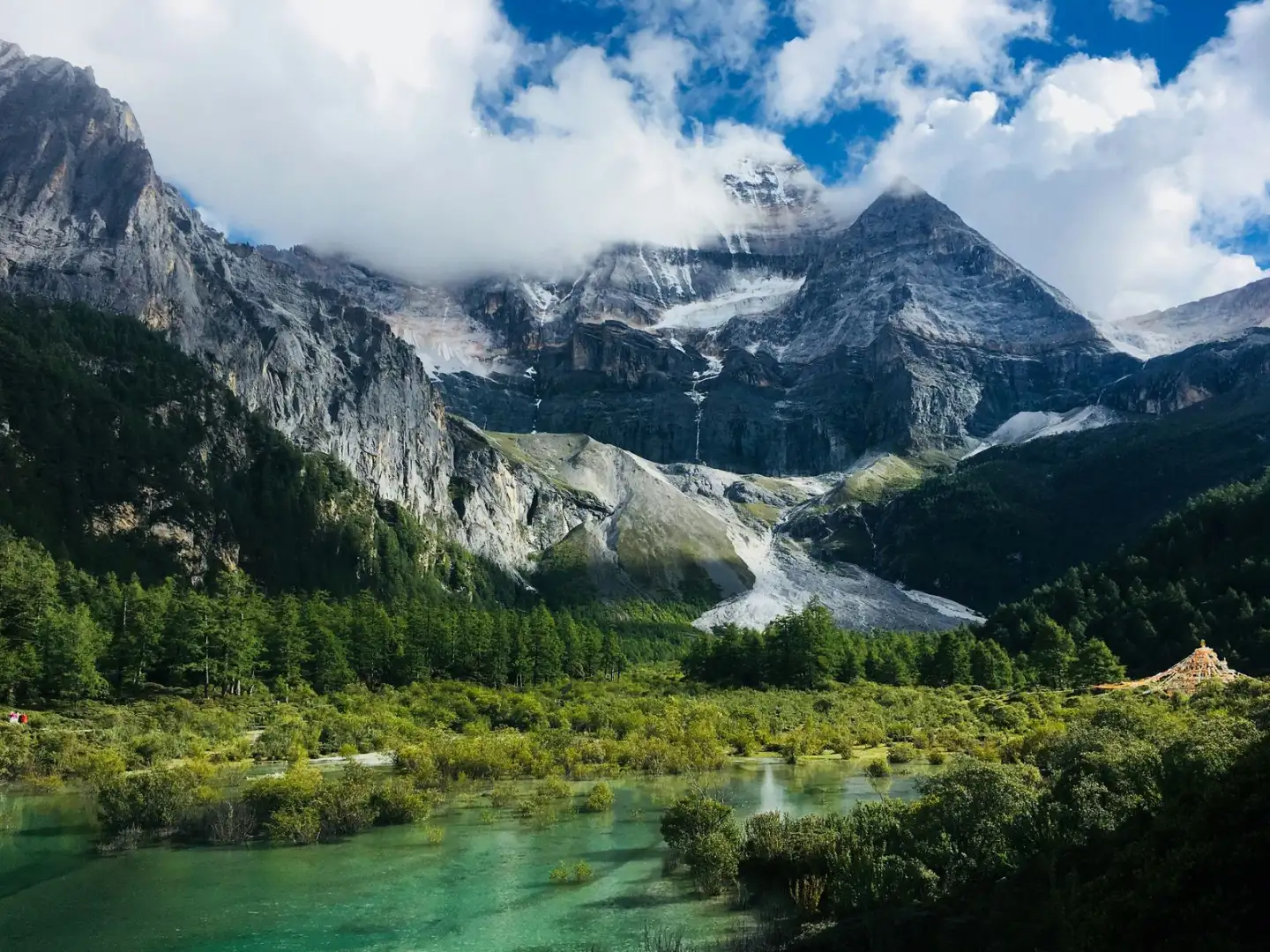




 18 days China, End to End Beijing → Xi'an → Chuanzhusi → Jiuzhaigou → Chengdu → Zhangjiajie → Guilin → Yangshuo → Shenzhen From $6,360 View route
 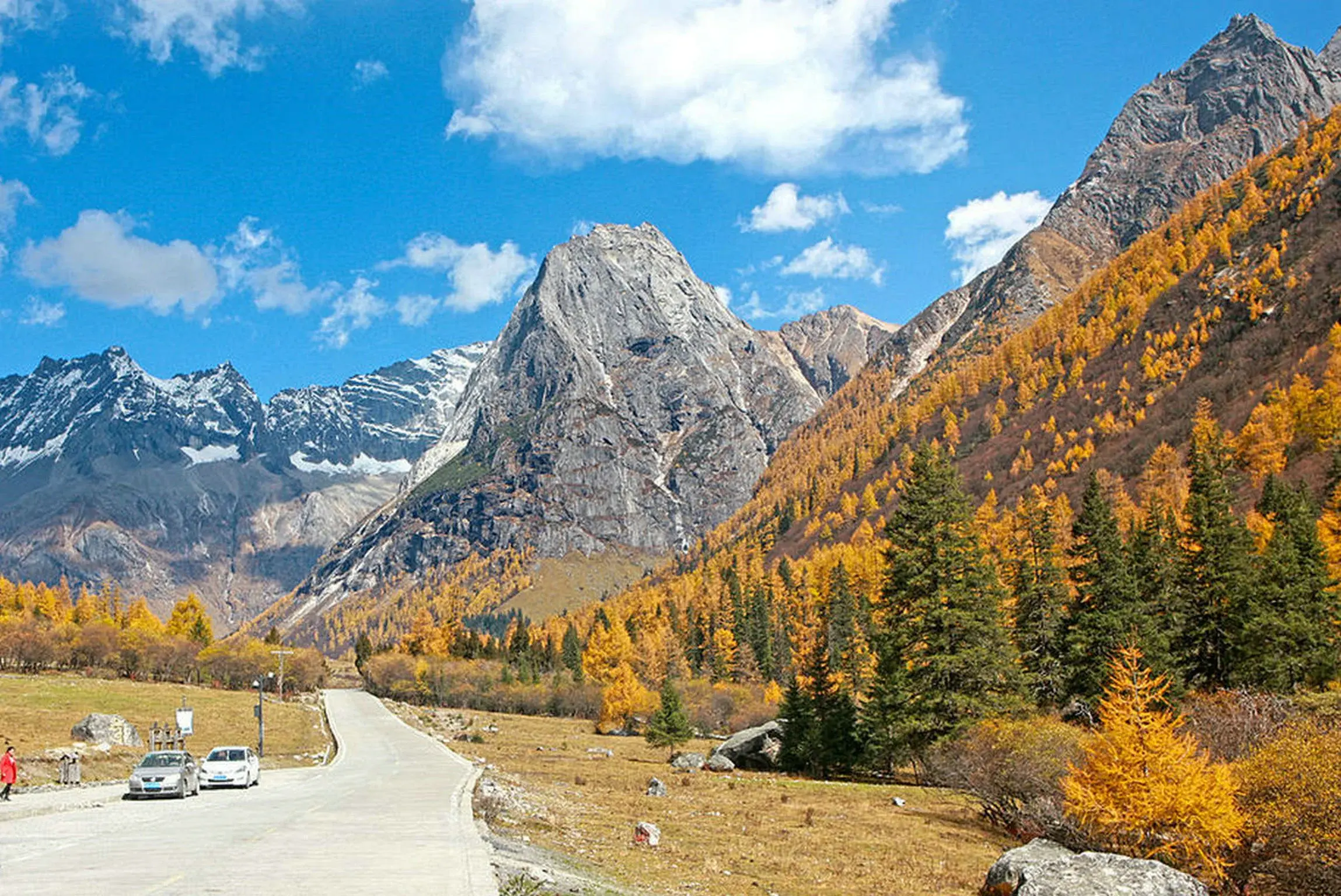 3 days 4-Day Tour of Siguniang Mountain, Biepa Gou, and Dagu Glacier Chengdu → Lixian → Heishui County From $1,599 View route
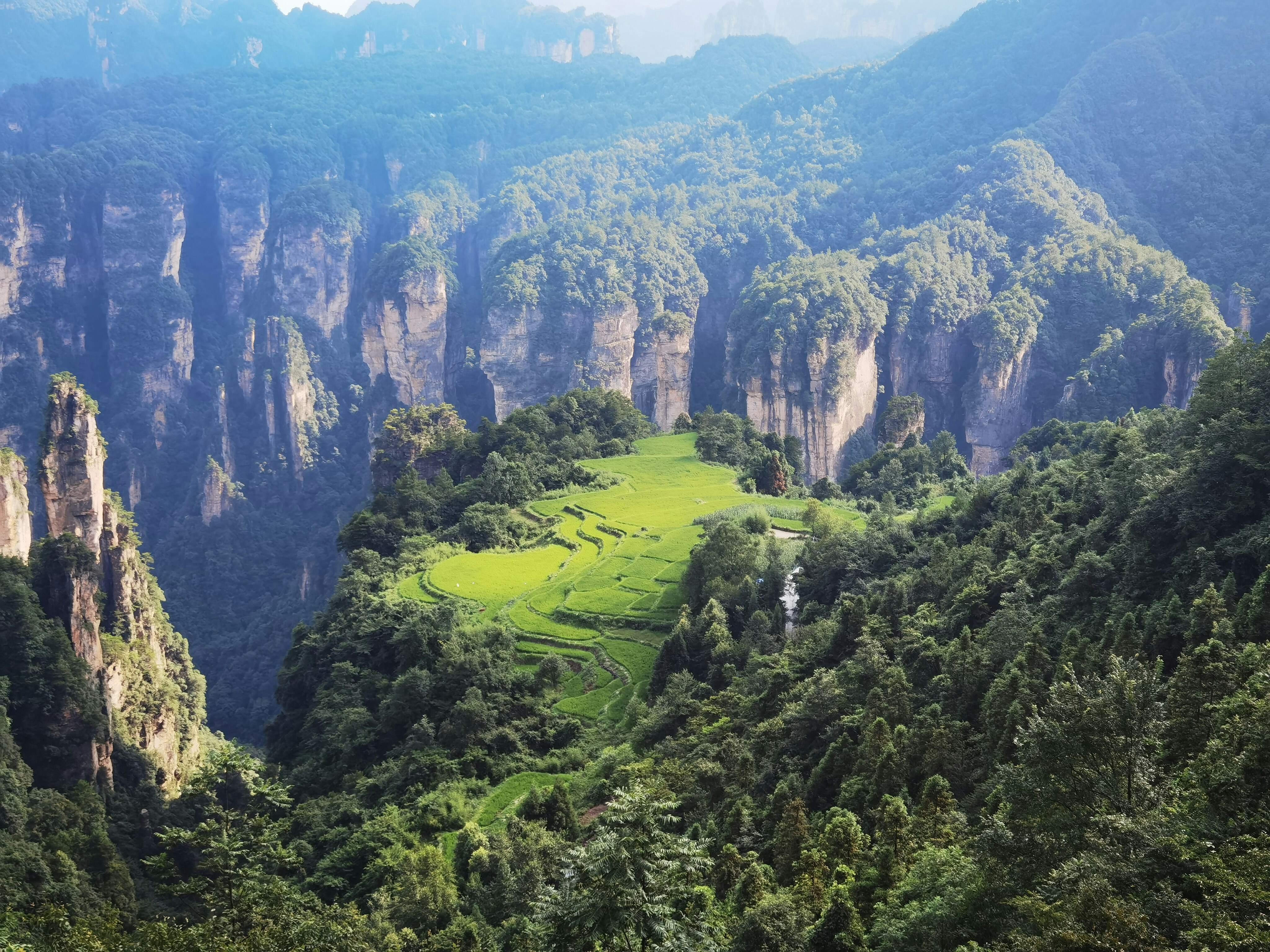
 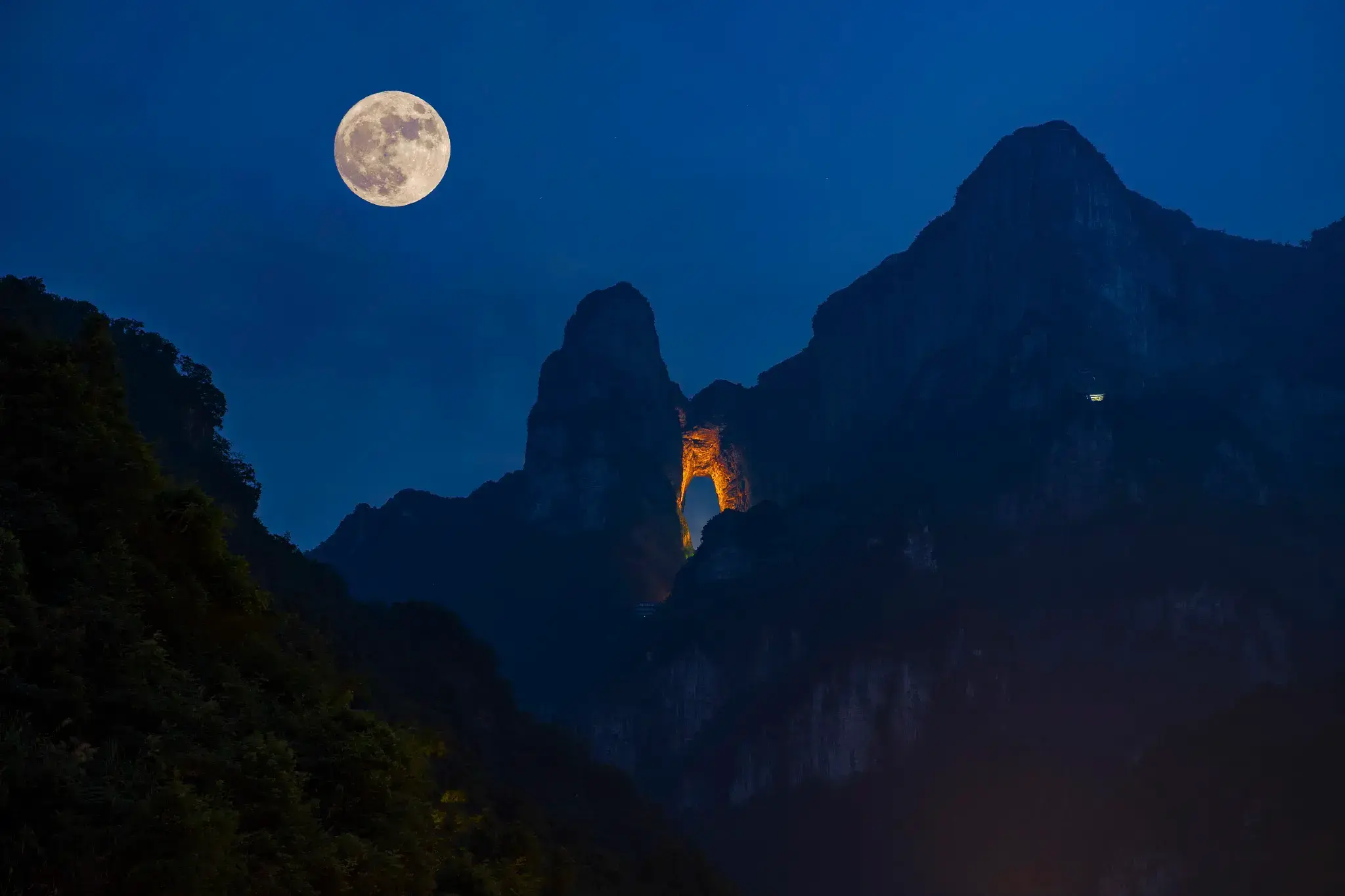 5 days Above the Pillars, Then Below Zhangjiajie From $1,430 View route
  3 days After the Last Booth Guangzhou From $840 View route
  13 days All the Way West Xi'an → Dunhuang → Turpan → Kashgar → Shanghai From $3,500 View route
 TL;DR
China is one of the world's most underrated romantic destinations — offering a combination of dramatic natural scenery, 5,000 years of love-legend-saturated culture, and a luxury hotel landscape that now includes properties from Aman, Banyan Tree, Four Seasons, and Capella in settings no European or Maldivian resort can replicate: converted tea villages beside Buddhist temples, karst-peak villas overlooking rivers that appear on banknotes, and Naxi courtyard retreats beneath Himalayan snow mountains. The 2025–2026 visa-free entry for 47 countries (extended through December 31, 2026) has eliminated the planning friction that once made China a logistically daunting honeymoon choice, while the opening of WeChat Pay and Alipay to foreign credit cards means couples no longer need to carry cash in a 90%+ cashless society. This guide covers six romantic destination archetypes matched to different couple personalities, three itineraries (9–15 days), verified 2025–2026 luxury hotel pricing, and the practical details — from proposal logistics to the "what if we want different things" compromise framework — that generic romance guides never address.
Why China for Couples: Beyond the Clichés
Every couples' travel guide opens with the same breathless promise: "unforgettable romantic moments." This is meaningless. What makes a destination genuinely romantic for couples is not the presence of sunsets (every country has those) but the presence of shared intensity — experiences so vivid, so unlike daily life, that they become permanent reference points in a relationship's private mythology. "Remember when we\..." is the grammar of romance, and China generates more of those sentences per travel day than almost any destination on Earth.
The reason is contrast density. In a single day in Yangshuo, you cycle through rice paddies where water buffalo graze beneath 300-million-year-old karst peaks, take a bamboo raft down a river so still it mirrors the sky, learn to cook Guilin rice noodles together in a village kitchen, and end the evening watching 600 performers on the Li River in Zhang Yimou's Impression Liu Sanjie — a spectacle that uses the actual river and mountains as its stage. No resort in the Maldives, no château in Provence, no ryokan in Kyoto packs that range of sensory and emotional experience into 14 hours.
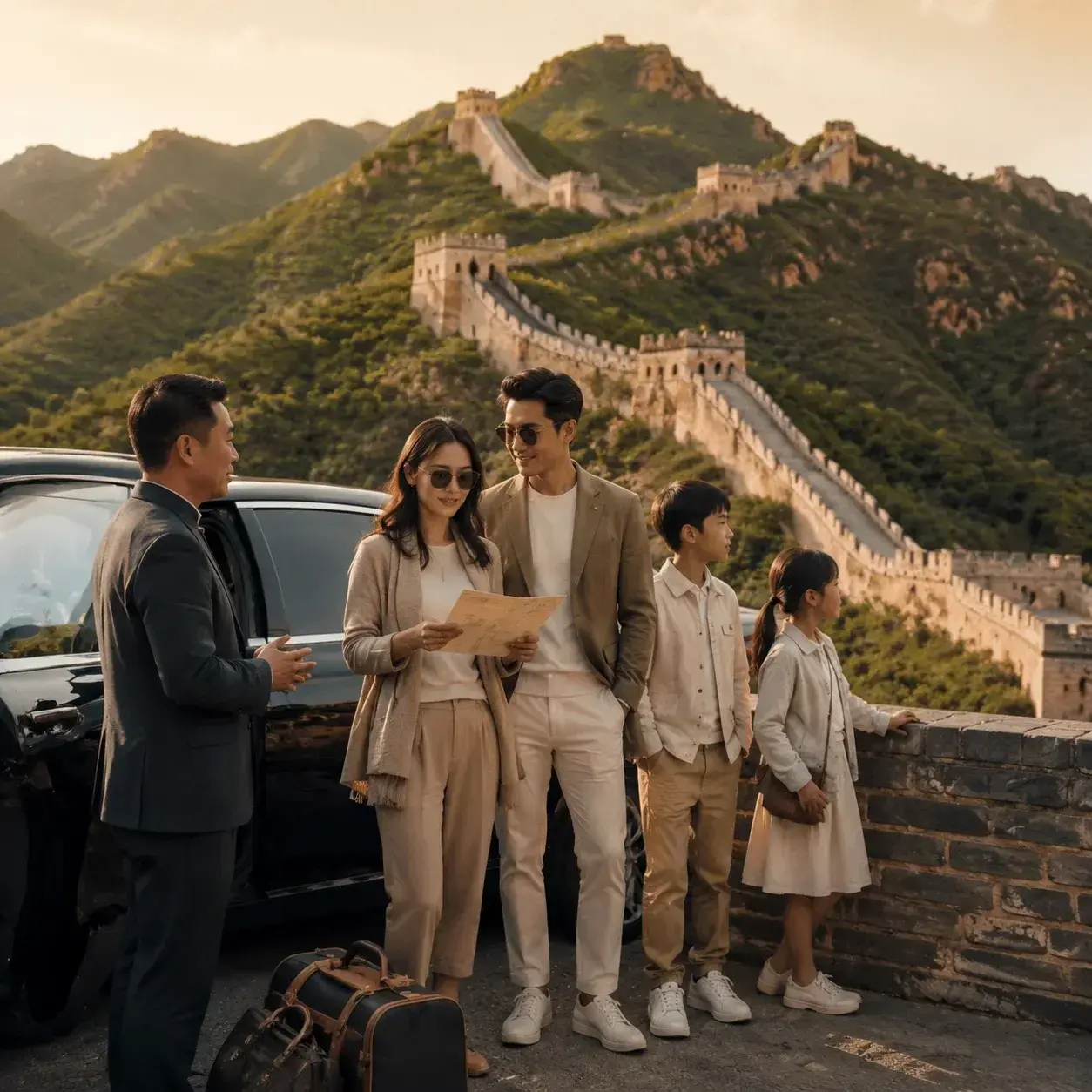
China also possesses something that purely "romantic" destinations lack: narrative depth. West Lake in Hangzhou is not just beautiful — it is the setting of the \Legend of the White Snake\, China's most famous love story, a tale of devotion so powerful it has been retold for 1,000 years and whose landmarks (Leifeng Pagoda, Broken Bridge) you can visit and touch. The Great Wall is not just a photo backdrop — watching sunset from a watchtower on the Jinshanling section, with the wall snaking across ridgelines in both directions until it disappears into haze, creates a shared experience of awe that bonds couples in ways a beach sunset cannot. Romance in China is layered with meaning, and meaning is what transforms a vacation into a story you tell for decades.
The Six Romantic Archetypes: Which Couple Are You?
Couples are not interchangeable. A honeymoon couple seeking luxury immersion needs a fundamentally different itinerary than an adventure couple who bonds over shared physical challenges. The mistake most China travel guides make is presenting a single "romantic itinerary" and assuming it works for everyone. It doesn't. Here are six archetypes — most couples are a blend of two or three — and the destinations that match each one.
Archetype 1: The Luxury Immersion Couple
You want: World-class hotels, fine dining, spa treatments, seamless logistics, and the feeling that every detail has been curated for you. You're celebrating something — a honeymoon, a milestone anniversary, a "we survived the year" escape — and you want it to feel special.
Your destinations: Hangzhou (Amanfayun) → Yangshuo (Banyan Tree) → Shanghai (The Puli or Capella)
Why this sequence works: You begin in Hangzhou's tea-village serenity, where Amanfayun — a restored ancient village of 46 rooms nestled among Buddhist temples and bamboo groves — delivers what multiple reviewers describe as "a cultural experience you can't get anywhere else." Starting rates hover around $822/night in 2025, but the experience — morning walks to Lingyin Temple through mist-shrouded paths, afternoon tea ceremonies overlooking terraced plantations, spa treatments rooted in traditional Chinese medicine — justifies the premium for couples who define romance as curated tranquility. You then transition to Banyan Tree Yangshuo, where private villas with outdoor bathtubs face directly onto karst peaks, and the resort provides complimentary bicycles and a shuttle to town — luxury without isolation. You finish in Shanghai, where Capella's Art Deco elegance or The Puli's minimalist sophistication provides the urban counterpoint: rooftop cocktails overlooking the Bund, Michelin dining at Ultraviolet (the world's most immersive restaurant experience — 10 seats, 20 courses, synchronized projections, scents, and music), and the electric energy of a city that never sleeps.
Budget reality: $500–1,200/night for accommodation; $600–1,000+/day per couple all-inclusive with private guide. A 10-day luxury itinerary runs $7,000–12,000+ per couple.
Archetype 2: The Adventure Couple
You want: Shared physical challenges that create bonding through mutual accomplishment. You'd rather hike the Great Wall at dawn than sip champagne on a rooftop. Your love language is "let's do something slightly terrifying together."
Your destinations: Beijing (Great Wall wild sections) → Zhangjiajie (Avatar mountains) → Yangshuo (rock climbing + cycling) → Tiger Leaping Gorge (optional extension)
Why this sequence works: The Jinshanling-to-Simatai Great Wall hike (10 km, 5 hours) is one of the world's great shared adventure experiences — you scramble over crumbling watchtowers together, help each other through steep sections, and arrive at sunset with a sense of shared accomplishment that no spa treatment can replicate. Zhangjiajie adds vertical drama: the glass bridge (430 meters long, suspended over a canyon) is the kind of experience where holding your partner's hand is not romantic performance but genuine necessity. Yangshuo's rock climbing scene — over 2,000 bolted routes on limestone cliffs — offers couples the unique intimacy of belaying each other: literal trust, literal life-in-your-hands connection.
Budget reality: $150–350/day per couple (mid-range hotels, private guide for key days, independent for others). A 12-day adventure itinerary runs $3,500–6,000 per couple.
Archetype 3: The Cultural Deep-Dive Couple
You want: To understand China, not just see it. You spend three hours in museums. You ask guides follow-up questions. You read the historical plaques. Your romance is built on shared intellectual curiosity.
Your destinations: Beijing (Forbidden City, Temple of Heaven, hutongs) → Xi'an (Terracotta Warriors, Muslim Quarter) → Chengdu (teahouse culture, Sichuan cuisine) → optional: Dali or Guizhou for ethnic minority cultures
Why this sequence works: This is the itinerary where a private guide transforms the experience most dramatically. At the Forbidden City, a knowledgeable guide doesn't just explain architecture — they tell you about Empress Dowager Cixi's power plays, about the concubine who was thrown down a well, about the acoustic engineering that allowed the emperor's voice to carry across the courtyard. At the Terracotta Warriors, they explain not just what you're seeing but why — the cosmological beliefs about the afterlife that motivated Qin Shi Huang to commission 8,000 individual clay soldiers. These shared discoveries become the couple's private vocabulary: "Remember when we learned about\..." is the cultural couple's version of "Remember when we watched the sunset."
Budget reality: $200–400/day per couple (4-star hotels, private guide throughout). A 12-day cultural itinerary runs $4,500–7,500 per couple.
Archetype 4: The Slow-Travel Healing Couple
You want: To decompress. You've been working too hard, traveling too fast, or navigating a difficult period. You need a trip that feels like exhaling. Fewer destinations, longer stays, no rushing.
Your destinations: Hangzhou (3 days) → Dali (4 days) → Lijiang (3 days)
Why this sequence works: Hangzhou's West Lake is China's most meditative landscape — a private sculling boat at dawn, mist rising from water so still it mirrors the willows, creates a silence that most couples never experience together in daily life. Dali's pace is deliberately unhurried: you cycle sections of Erhai Lake (130 km total — do what feels right, not the whole loop), discover Bai minority villages where tie-dye artisans work in courtyards open to visitors, and sit in lakeside cafés where the Cangshan Mountains fill the window. Lijiang's Old Town — UNESCO-listed, canal-threaded, backed by the 5,596-meter Jade Dragon Snow Mountain — is the kind of place where couples find themselves sitting on a rooftop terrace at sunset, saying nothing, needing nothing, and realizing that this is what they came for.
Budget reality: $150–400/day per couple depending on accommodation tier. A 10-day slow-travel itinerary runs $3,000–7,000 per couple.
Archetype 5: The Urban Sophisticate Couple
You want: World-class dining, cocktail bars, contemporary art, architecture, nightlife, and the energy of cities that are reinventing themselves in real time. Nature is nice, but you're city people.
Your destinations: Shanghai (4 days) → Hangzhou (2 days) → Chengdu (3 days)
Why this sequence works: Shanghai is Asia's most cosmopolitan city — the French Concession alone could occupy four days of boutique browsing, specialty coffee, Art Deco architecture walks, and restaurant hopping. The Bund at blue hour (30 minutes after sunset) is one of the world's great urban romantic experiences: colonial grandeur on one side, the Pudong skyline's science-fiction verticality on the other, and the Huangpu River between them. Hangzhou provides a two-day palate cleanser — West Lake's beauty is the antidote to urban intensity. Chengdu adds a different urban energy: laid-back, food-obsessed, with a teahouse culture that turns an afternoon into a meditation and a hotpot dinner into a three-hour event.
Budget reality: $200–600/day per couple depending on dining and accommodation choices. A 9-day urban itinerary runs $3,500–8,000 per couple.
Archetype 6: The Beach + Culture Couple
You want: The classic honeymoon formula — tropical beach relaxation — but with cultural substance. You don't want to spend two weeks doing nothing; you want to alternate between exploration and poolside recovery.
Your destinations: Beijing or Shanghai (3 days) → Sanya, Hainan (4 days)
Why Sanya: China's southernmost city is its tropical beach destination — think white sand, turquoise water, luxury resorts (Mandarin Oriental, Ritz-Carlton, Edition, Park Hyatt), and a climate that stays warm year-round. It's not Bali or the Maldives, but it offers something neither can: the ability to combine a genuine cultural China experience (Beijing's imperial history or Shanghai's urban sophistication) with a tropical beach finale, all within a single country and without additional visa requirements. For couples who want "adventure first, beach recovery after," this is the optimal structure.
Budget reality: $200–800/day per couple (Sanya resort pricing varies enormously by property and season). A 7-day culture + beach itinerary runs $3,000–8,000 per couple.
When Two People Want Different Things: The Compromise Framework
Here is the reality that no romantic travel guide acknowledges: couples rarely want exactly the same thing. One partner wants to hike the Great Wall; the other wants to sleep in and get a massage. One is fascinated by the Terracotta Warriors; the other finds museums exhausting. One wants street food adventures; the other wants Michelin dining.
The solution is not compromise in the sense of "neither person gets what they want." It is temporal allocation — structuring each day so that both partners get their priority experience, with shared experiences as the connective tissue.
The morning/afternoon split: One partner does a sunrise Great Wall hike with the guide while the other sleeps in and enjoys a hotel spa morning. They reunite for a late lunch and spend the afternoon together exploring hutongs — an experience both enjoy.
The alternating day model: Day 1 is "Partner A's day" (museum-heavy, culturally intensive). Day 2 is "Partner B's day" (outdoor activities, relaxed pace, food-focused). Both partners participate fully in each other's days — the gift is not absence but enthusiasm for your partner's interests.
The private guide advantage: A good guide reads couple dynamics intuitively. They notice when one partner is flagging and suggest a café break. They offer the history-lover a deeper explanation while the other partner photographs the architecture. They know when to be present and when to disappear. This social intelligence is the single biggest reason couples benefit from private tours more than any other traveler type.
Three Itineraries: Designed for How Couples Actually Travel
Itinerary 1: The 9-Day Romance Essentials
Shanghai (2) → Hangzhou (2) → Guilin/Yangshuo (4) → Shanghai departure (1)
This is the itinerary for couples who want the highest concentration of romantic experiences in the shortest time. The sequencing moves from urban sophistication (Shanghai) through cultural serenity (Hangzhou) to natural drama (Guilin/Yangshuo), creating an emotional arc that builds toward the trip's climax — the Li River and Yangshuo countryside — before returning to Shanghai for a final evening of rooftop cocktails and reflection.
The highlight reel:
Shanghai: French Concession wandering, Bund at blue hour, cocktails at Flair (Ritz-Carlton Pudong) with floor-to-ceiling skyline views, dinner at a chef's table
Hangzhou: Private sculling boat on West Lake at dawn, Longjing tea plantation walk and tasting, Leifeng Pagoda at sunset (the White Snake legend site), Impression West Lake evening show on the lake itself
Guilin/Yangshuo: Li River cruise through karst corridor, countryside cycling along the Yulong River, cooking class (making Guilin rice noodles together), bamboo rafting at sunset, Impression Liu Sanjie evening spectacle, one morning of pure leisure at a boutique hotel with mountain views
Accommodation tier options:
Mid-range ($120–250/night): Yangshuo Mountain Retreat (karst views, countryside peace), Waterhouse at South Bund (Shanghai, industrial-chic design)
Luxury ($400–1,200/night): Banyan Tree Yangshuo (private villas), Amanfayun Hangzhou (tea-village serenity), Capella Shanghai (Art Deco elegance)
Estimated cost: $4,000–10,000 per couple (range reflects accommodation tier; includes private guide, transport, activities, most meals)
Itinerary 2: The 12-Day Iconic + Romantic
Beijing (3) → Xi'an (2) → Chengdu (2) → Lijiang (3) → Shanghai (2)
This is the honeymoon itinerary for couples who want the comprehensive China experience — iconic monuments and romantic immersion. The structure alternates between "wow" days (Great Wall, Terracotta Warriors, Giant Pandas) and "us" days (Lijiang Old Town strolls, Chengdu teahouse afternoons, Shanghai rooftop evenings).
The highlight reel:
Beijing: Great Wall at Jinshanling (fewer crowds, more dramatic than Mutianyu — arrange a picnic lunch on the wall with your guide), Forbidden City private tour, hutong evening walk ending at a courtyard restaurant for Peking duck
Xi'an: Ancient City Wall cycling at dusk (rent a tandem bike — 14 km perimeter, 90 minutes), Terracotta Warriors with guide, Muslim Quarter street food evening
Chengdu: Giant Panda Breeding Center at opening (7:30 AM — the shared "aww" experience), afternoon at Heming Teahouse in People's Park, evening Sichuan hotpot (individual pots available for couples who disagree on spice levels)
Lijiang: Three unhurried days — Old Town canal walks, Jade Dragon Snow Mountain cable car (4,506 m — check health before ascending), Baisha Village ancient murals, rooftop café sunsets with craft beer, Naxi music concert
Shanghai: French Concession, Michelin dinner, Huangpu River night cruise, farewell rooftop cocktails
Estimated cost: $5,500–10,000+ per couple
Itinerary 3: The 15-Day Yunnan Deep Romance
Kunming (1) → Dali (4) → Lijiang (3) → Shangri-La (3) → Chengdu (2) → Shanghai (2)
This is the itinerary for couples who have already seen Beijing and Shanghai (or don't care about iconic monuments) and want depth over breadth. Yunnan province is China's most romantically diverse region: Bai minority villages, Tibetan monasteries, Himalayan foothills, ancient towns, and a climate that stays mild year-round. The pace is deliberately slow — four days in Dali is not a mistake, it is the point.
The highlight reel:
Dali: Erhai Lake cycling (electric bikes, do sections not the full 130 km loop), Xizhou Bai village (tie-dye workshop together, traditional courtyard architecture), Cangshan Mountain cable car, Old Town evening strolls, lakeside café mornings with mountain views
Lijiang: Old Town canals at dawn (before the crowds), Jade Dragon Snow Mountain, Shuhe Ancient Town (quieter alternative to Lijiang Old Town), rooftop evenings
Shangri-La: Tibetan culture immersion — Songzanlin Monastery (the "Little Potala"), high-altitude grasslands (3,200 m), yak butter tea, Dukezong Old Town. This is where the trip reaches its emotional peak: the altitude, the vast sky, the prayer flags, the monastery chanting — it creates a shared experience of something larger than yourselves
Chengdu: Decompression — pandas, teahouses, hotpot, the laid-back energy that makes Chengdu China's most livable city
Shanghai: Urban finale — the contrast between Shangri-La's spiritual intensity and Shanghai's cosmopolitan energy is itself a romantic experience
Important note: Shangri-La sits at 3,200 m. Altitude sickness affects some travelers. Acclimatize for one day before strenuous activity. If either partner has respiratory or cardiac conditions, consult a doctor before including this segment.
Estimated cost: $4,500–9,000 per couple
The Accommodation Decision: What Actually Matters for Couples
Hotel selection matters more for couples than for any other traveler type. Solo travelers need a bed and Wi-Fi. Families need space and logistics. Couples need atmosphere — the room, the view, the bathroom, the bed, the silence or the energy — to feel like an extension of the romantic experience rather than merely a place to sleep.
The Verified Luxury Tier (2025–2026 Pricing)
Amanfayun, Hangzhou — From $822/night. A restored ancient village of 46 rooms among Buddhist temples and tea plantations. The experience: morning walks through bamboo groves to Lingyin Temple, afternoon spa treatments rooted in traditional Chinese medicine, evening silence so complete you hear bamboo creaking in the wind. Multiple independent reviewers note that Amanfayun delivers "a cultural experience you can't get anywhere else" — the Four Seasons West Lake, while excellent, feels "manicured" by comparison. For couples who define romance as shared stillness, this is the pinnacle.
Banyan Tree Yangshuo — From $350–600/night. Private villas with outdoor bathtubs overlooking karst peaks. The resort sits 12 km outside Yangshuo town (free shuttle provided), offering seclusion without isolation. Complimentary bicycles, a Chinese restaurant with mountain views, and a spa with couples' treatment rooms. The combination of luxury accommodation and Yangshuo's adventure activities (cycling, rafting, climbing) makes this the ideal base for couples who want both.
Banyan Tree Lijiang / Amandayan — From $400–700/night. Naxi-style architecture with Jade Dragon Snow Mountain views. Amandayan (Aman's Lijiang property) draws particular praise for service that feels "warmer and more genuine" than comparable luxury properties, and food that "was surprisingly good, much better than previous Aman stays." Private hot springs in select villas.
Capella Shanghai — From $350–600/night. Art Deco elegance in the former French Concession. Shikumen (stone-gate) architecture, private courtyards, and the kind of design-forward aesthetic that makes the hotel itself a romantic experience.
Four Seasons West Lake, Hangzhou — From $400–800/night. Lakeside location, impeccable Four Seasons service, beautiful grounds. The "safer" choice compared to Amanfayun — more polished, more predictable, less soul. Choose based on whether you want curated perfection (Four Seasons) or atmospheric authenticity (Aman).
The Smart Mid-Range Tier ($100–300/night)
Yangshuo Mountain Retreat — $120–200/night. A boutique hotel in the Yangshuo countryside with direct karst mountain views, peaceful gardens, and a restaurant that sources from local farms. This is the sweet spot for couples who want romance without luxury pricing.
The Linden Centre, Dali — $180–300/night. A meticulously restored Bai minority courtyard compound in Xizhou village. Cultural immersion is built into the experience: the architecture itself tells the story of Bai craftsmanship, the food reflects local traditions, and the setting — a working village rather than a tourist zone — provides authenticity that no resort can manufacture.
Heritage guesthouses in Lijiang Old Town — $60–150/night. Traditional Naxi courtyard homes converted to intimate guesthouses. Central location, authentic atmosphere, rooftop terraces with mountain views. The trade-off: smaller rooms, thinner walls, and Old Town noise (music from bars carries at night). Request a room facing the interior courtyard for quiet.
Practical Details for Couples
Proposals in China
China is an extraordinary proposal destination — the combination of dramatic scenery and the logistical support of a private tour operator means you can create a moment that feels both spontaneous and perfectly orchestrated.
The logistics: Share your plan with your tour operator 2–4 weeks in advance. They coordinate timing (golden hour at the Great Wall, sunset on a Li River bamboo raft, blue hour on a West Lake private boat), arrange a discreet photographer ($200–500 for a half-day session), and handle details (champagne, flowers, the ring's safe transport). Your guide manages the "getting your partner to the right place at the right time without suspicion" challenge — they are experienced at this and genuinely enjoy it.
The best locations: Great Wall at Jinshanling (sunset, private section), Li River bamboo raft (sunset), West Lake private boat (dawn or dusk), Shanghai rooftop bar (night skyline), Lijiang Old Town bridge over canal (lantern-lit evening). The common thread: water or elevation, golden or blue hour light, and enough privacy that the moment belongs to you rather than to 200 onlooking tourists.
Visa and Payment (Quick Reference)
Couples benefit from the same 2025–2026 policy changes that have transformed all China travel: visa-free entry for 47 countries (30 days, extended through December 31, 2026), 240-hour transit for 55 countries (10 days, 65 ports), and WeChat Pay/Alipay now accepting foreign Visa and Mastercard directly. Set up both payment apps before arrival. For detailed setup instructions, see our Solo Travel Guide's Digital Survival Kit section — the information applies equally to couples.
The Best Seasons for Couples
Spring (April–May): Cherry blossoms in Beijing, rapeseed flowers creating golden landscapes in Guilin, comfortable temperatures everywhere. Avoid May 1–5 (Labor Day holiday — domestic travel surge).
Autumn (September–November): Universally considered the best season. Clear skies, comfortable temperatures, fall foliage in northern regions, harvest season. The single most important warning for 2026: the Mid-Autumn Festival (September 25–27) sits just days before National Day Golden Week (October 1–7) — this 12-day stretch is the most crowded and expensive period of the entire year. Book 4–6 months ahead or avoid entirely.
Winter (December–February): Lowest prices, fewest tourists, and southern China (Yunnan, Guilin, Sanya) remains mild. The romantic advantage: you'll have scenic viewpoints, restaurants, and hotel common areas largely to yourselves. The trade-off: northern China is bitterly cold, and some mountain attractions have reduced access.
The Honest Case for Private Tours (For Couples Specifically)
Private tours benefit couples more than any other traveler type, for reasons that go beyond logistics.
The privacy calibration: A good guide intuitively reads couple dynamics. They provide rich cultural context at the Forbidden City, then disappear when you reach a quiet garden where you clearly want to sit together in silence. They suggest the restaurant with the river-view table for two, make the reservation, and then leave you to your evening. They take couple photos at golden hour from angles that strangers with your iPhone cannot achieve. This social intelligence — knowing when to be present and when to be invisible — is what separates a couples' private tour from a standard guided experience.
The logistics liberation: Every moment spent navigating a Chinese train station, negotiating with a taxi driver, or deciphering a restaurant menu is a moment not spent enjoying each other's company. For couples — especially on honeymoons or anniversary trips where the emotional quality of time matters more than its cost — outsourcing logistics to a guide is not an expense but an investment in the trip's romantic return.
No single supplement: Unlike group tours that charge 50–100% extra per person for couples who want a private room (which is\... all couples), private tours price per person regardless. A couple on a private tour pays the same per-person rate as a group of four.
Your Romantic China Journey
China's romance is not the manufactured kind — no heart-shaped pools, no rose petals on beds (unless you specifically request them), no "honeymoon packages" designed to extract premium pricing for standard experiences. China's romance is earned: it emerges from standing together on the Great Wall as the sun drops below the ridgeline, from the shared silence of a West Lake dawn, from the laughter of a cooking class where your dumplings look nothing like the instructor's, from the vertigo of holding hands on Zhangjiajie's glass bridge, from the quiet recognition — in a Lijiang rooftop café, watching snow mountains turn pink at sunset — that this moment, this person, this place, will become one of the stories you tell forever.
The visa-free policies through December 2026 have made this the most accessible moment in history to experience China as a couple. The only question is which version of romance you're looking for — and this guide has given you the framework to answer it.
FAQ
Is China a good destination for couples?
Yes. China works well for couples who want a mix of scenery, boutique hotels, cultural depth, food, and private pacing rather than a standard beach-only honeymoon.
What are the most romantic places in China?
Hangzhou, Yangshuo, Lijiang, Dali, Shanghai, and parts of Yunnan are especially strong for couples because they combine atmosphere, scenery, dining, and slower days.
What kind of China itinerary works best for couples?
Couples usually enjoy routes that balance one or two iconic cities with softer places such as Hangzhou, Yangshuo, Lijiang, or Dali, with enough unscheduled time built in.
Can China work for a honeymoon?
Yes, especially at the comfort or luxury level. Private guides, boutique hotels, tea villages, river landscapes, and fine dining can make the trip feel personal and celebratory.
How should couples handle different travel styles?
Build the route around shared anchor experiences, then alternate active days with slower days. Private planning makes it easier to split interests without losing the trip's rhythm.
When is the best season for a romantic China trip?
Spring and autumn are best for most couples. April, May outside holidays, September, late October, and November offer more comfortable walking and better scenery.