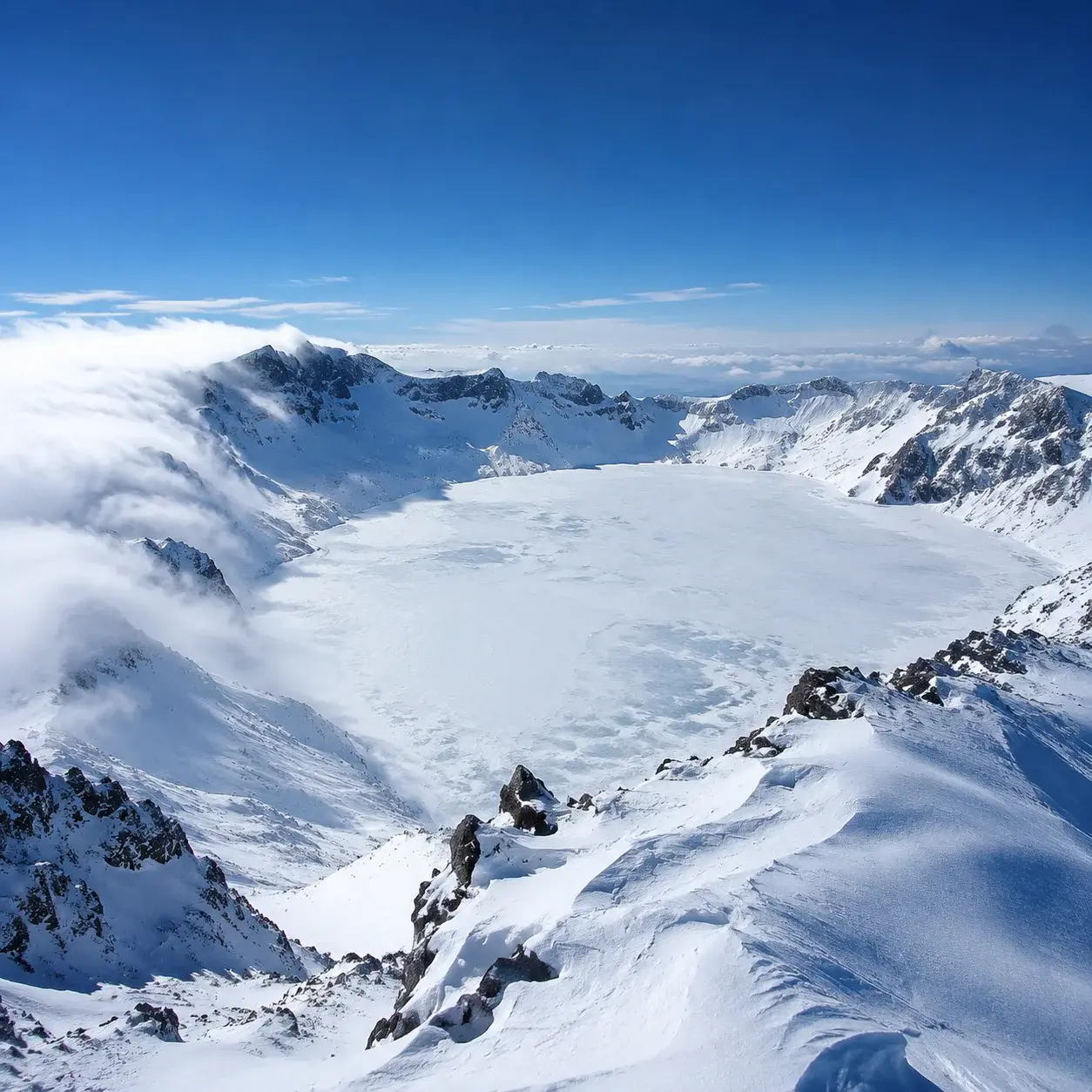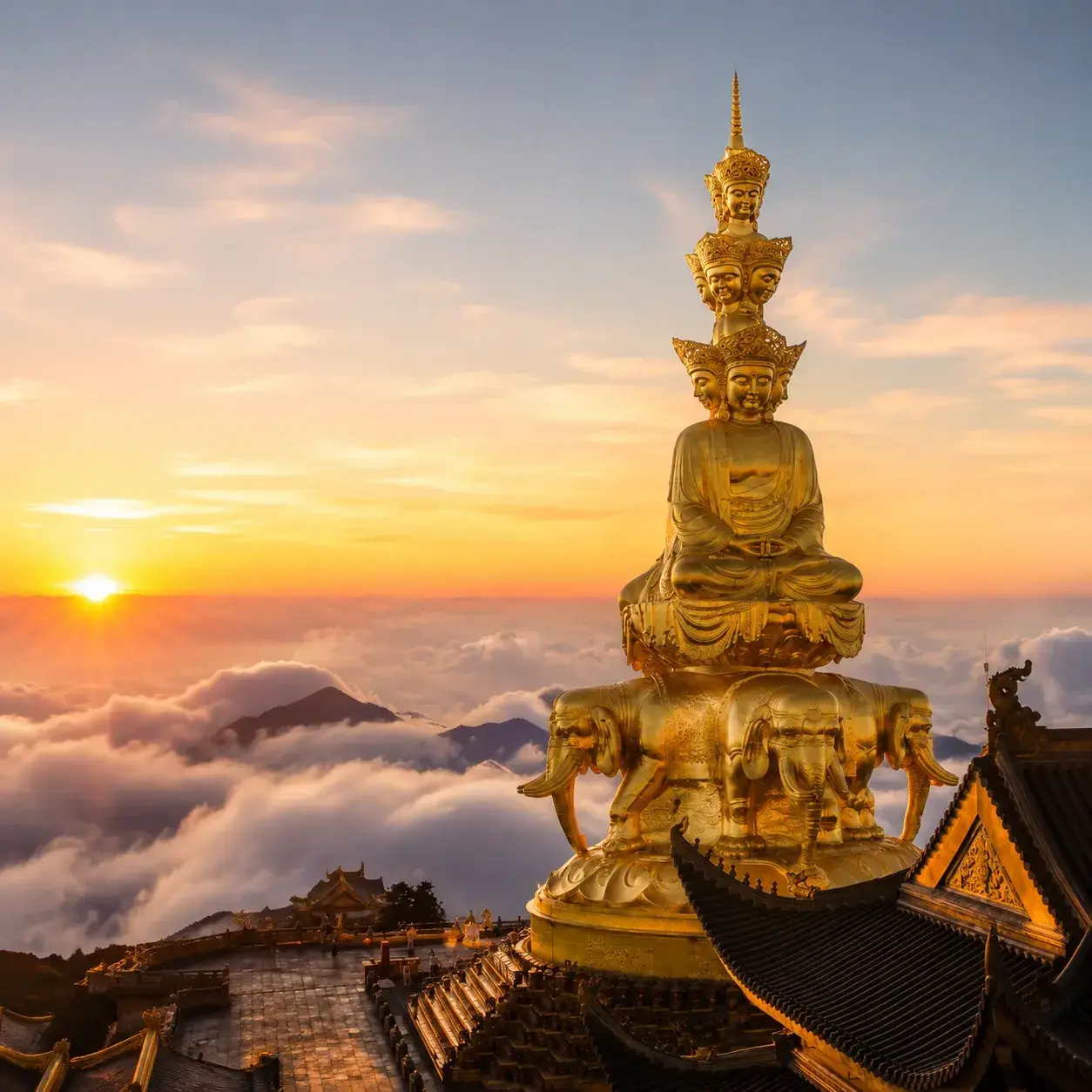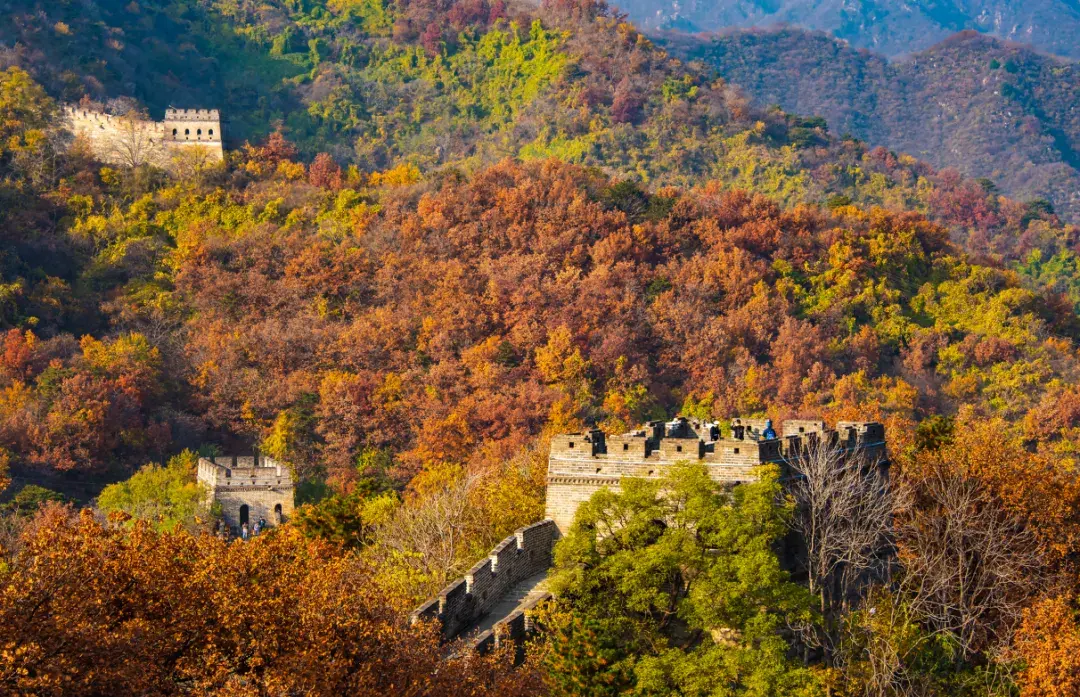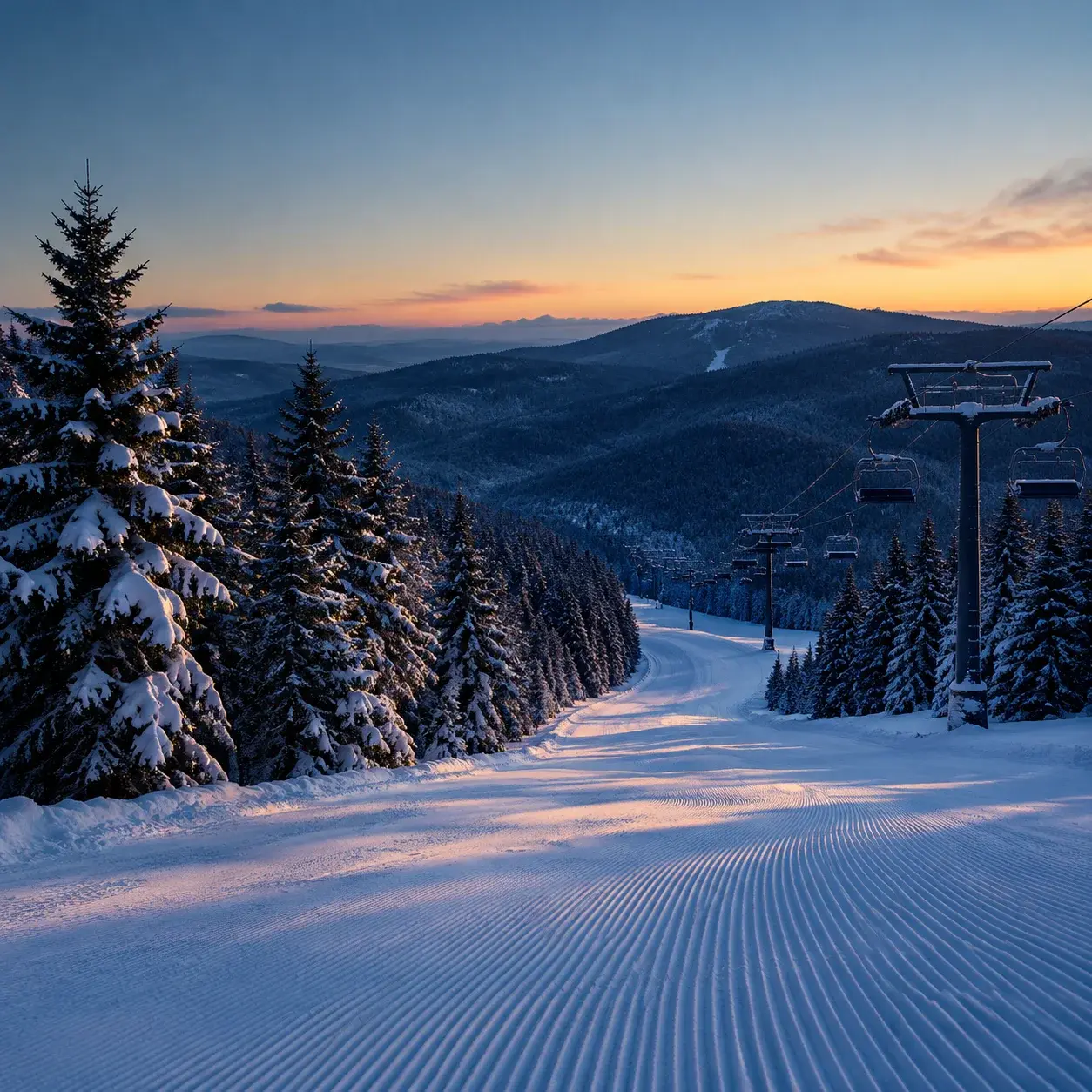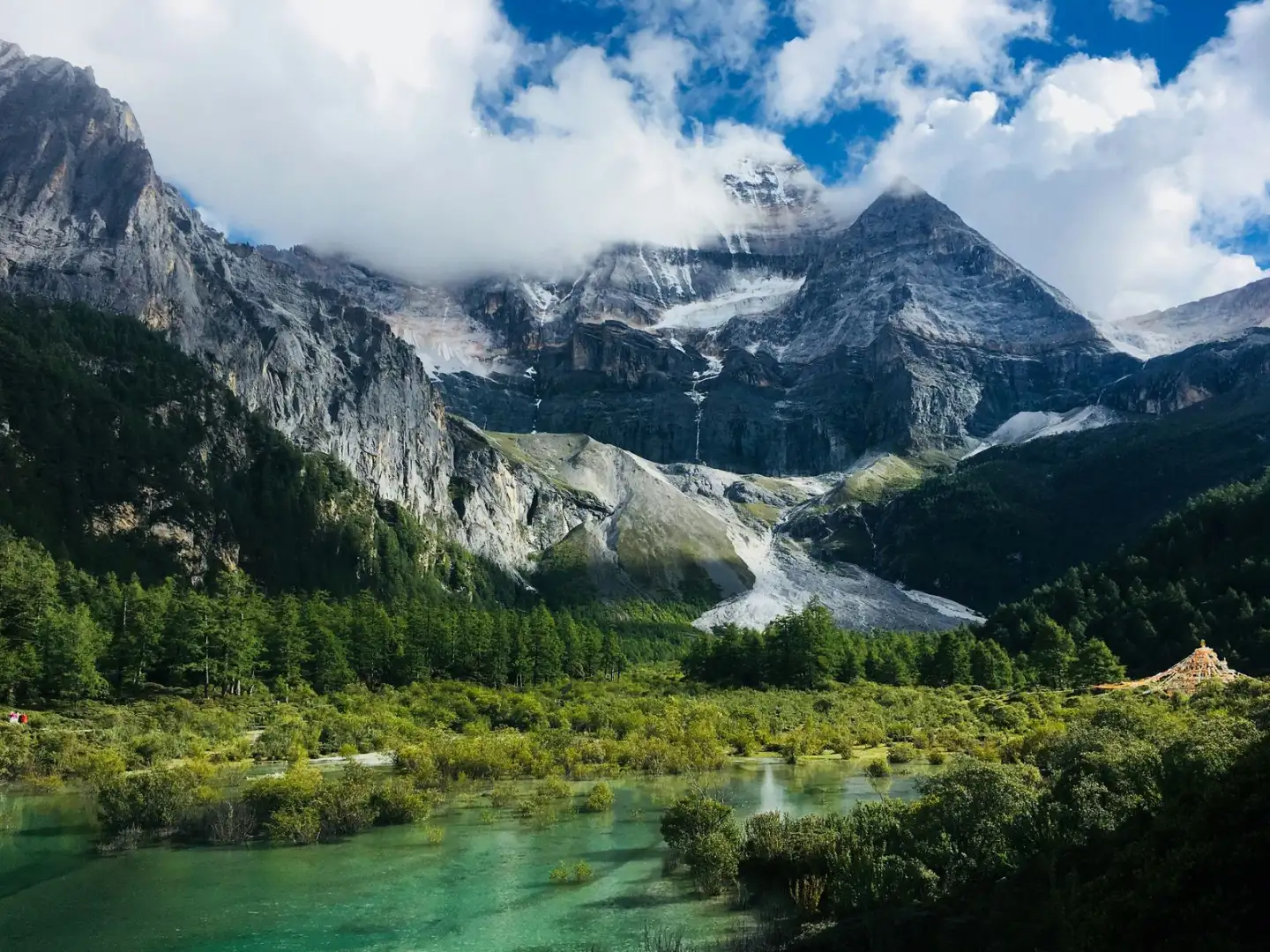




 18 days China, End to End Beijing → Xi'an → Chuanzhusi → Jiuzhaigou → Chengdu → Zhangjiajie → Guilin → Yangshuo → Shenzhen From $6,360 View route
 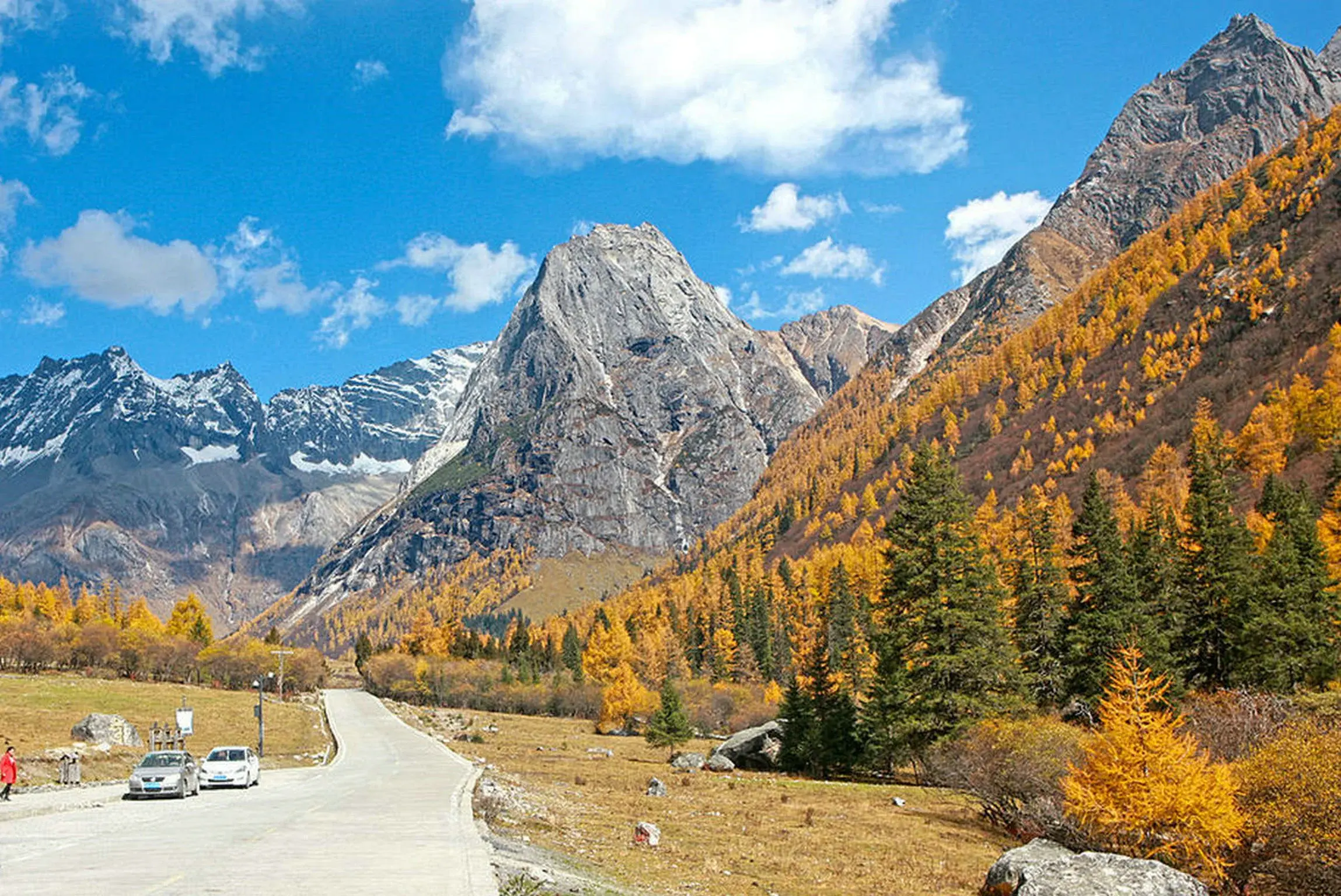 3 days 4-Day Tour of Siguniang Mountain, Biepa Gou, and Dagu Glacier Chengdu → Lixian → Heishui County From $1,599 View route
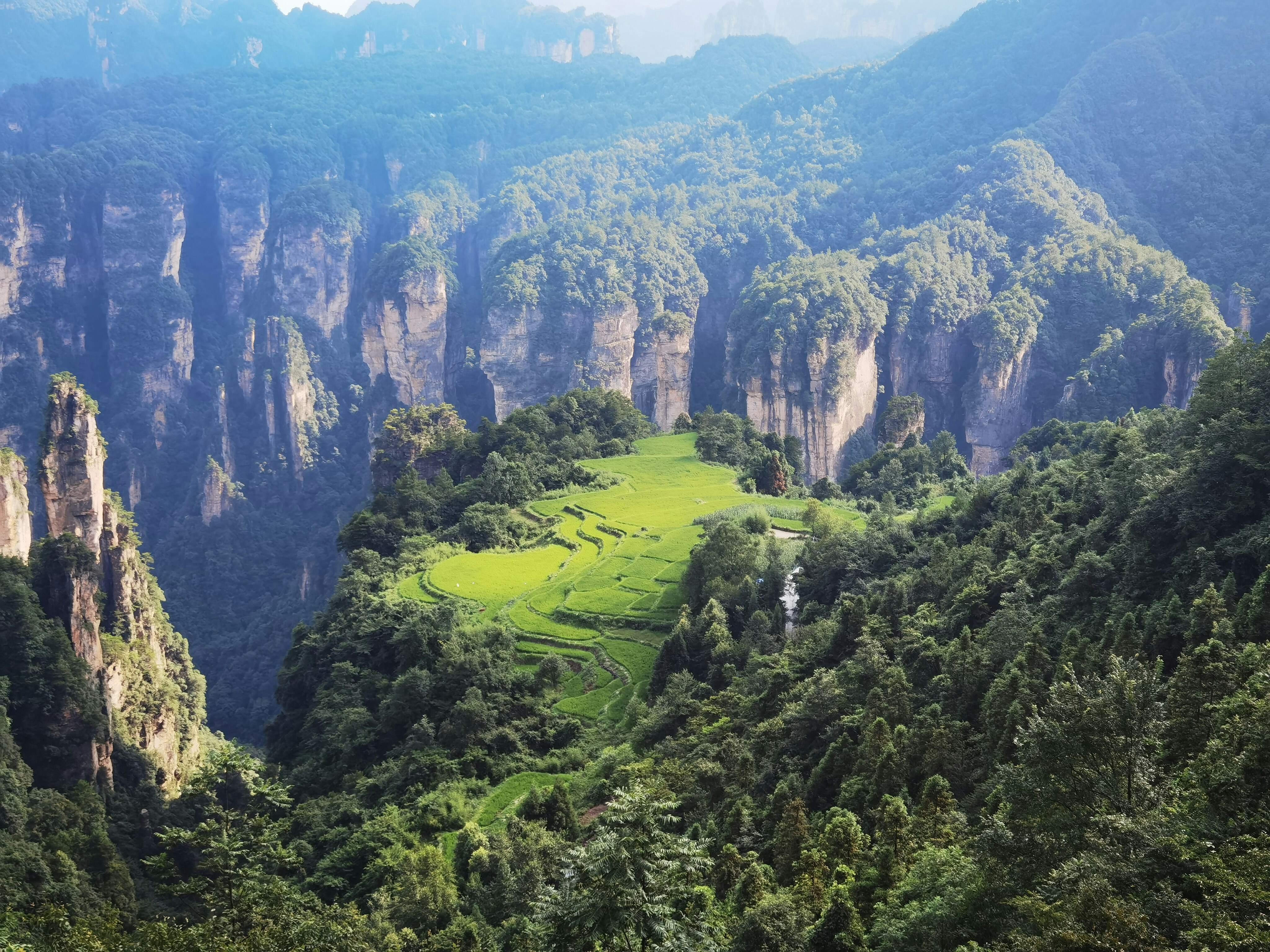
 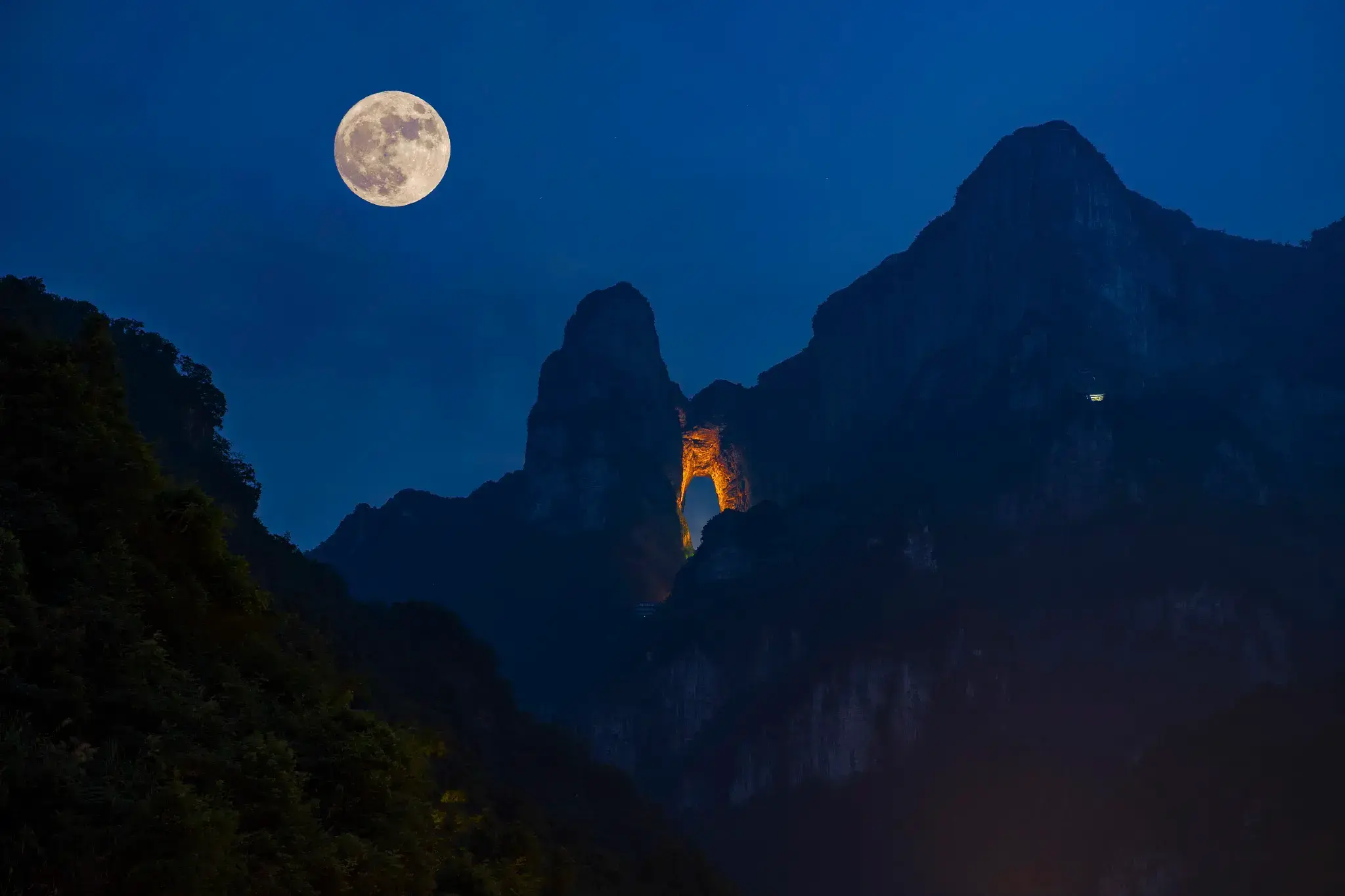 5 days Above the Pillars, Then Below Zhangjiajie From $1,430 View route
  3 days After the Last Booth Guangzhou From $840 View route
  13 days All the Way West Xi'an → Dunhuang → Turpan → Kashgar → Shanghai From $3,500 View route
 TL;DR
China contains at least eight landscape and cultural photography subjects that have no equivalent anywhere else on Earth — 200-meter sandstone pillar forests, karst peaks reflected in mirror-still rivers, 1,300-year-old rice terraces that change color with every season, mudflats where bamboo poles create geometric abstractions at sunrise, granite peaks floating above seas of cloud, unrestored Great Wall ridgelines, polyphonic-singing ethnic minorities in silver headdresses, and the world's most dramatic urban skyline juxtaposed with 600-year-old hutong alleyways. Bookings by international travelers for immersive cultural and experiential activities in China — including photography-focused tours — surged 300% year-on-year in 2025, driven by expanded visa-free access for 48 nations and a high-speed rail network now exceeding 50,400 kilometers that puts even remote photography destinations within hours of a major city. This guide covers the eight definitive China photography destinations with precise seasonal timing, verified viewpoint locations, updated 2026 drone regulations, field-tested equipment recommendations, and three itineraries (13–21 days) designed around the reality that great photography requires flexible scheduling, weather contingency days, and the willingness to wake up at 4:30 AM.
What Makes China Different for Photographers
Every serious landscape photographer has a mental list of bucket-list destinations: Patagonia, Iceland, Namibia, New Zealand. China rarely appears on that list — a failure of marketing, not of subject matter. The country contains more UNESCO World Heritage Sites (60) than any other nation, more distinct landscape types (karst, sandstone pillars, alpine lakes, desert dunes, rice terraces, mudflats, granite peaks, volcanic plateaus) than any single continent except perhaps Africa, and a cultural diversity (56 ethnic groups, three philosophical traditions, 5,000 years of architectural heritage) that provides portrait and documentary opportunities unmatched anywhere in Asia.
What separates China from other photography destinations is infrastructure. In Iceland, reaching Kirkjufell requires a 5-hour drive from Reykjavik on a two-lane road. In China, you step off a high-speed train in Guilin and are standing at the Li River's most iconic viewpoint within 40 minutes. The 50,400-kilometer high-speed rail network — expanded by 33% during 2021–2025 — means that even destinations considered "remote" by Chinese standards (Zhangjiajie, Xiapu, Yuanyang) are accessible within a single travel day from a major hub. This infrastructure doesn't diminish the photography — the sandstone pillars are still 200 meters tall, the sea of clouds still materializes at dawn — but it eliminates the logistical suffering that consumes shooting days in comparable destinations elsewhere.
The challenge for photographers in China is not finding subjects — it is choosing among them. This guide solves that problem by identifying the eight destinations that deliver the highest density of portfolio-worthy images per shooting day, with precise seasonal timing that determines whether you capture a masterpiece or a mediocre snapshot of the same location.
The Eight Definitive Photography Destinations
1. Zhangjiajie: The Pillar Forest That Inspired Avatar (3–5 Days)
The scene at 6:15 AM: You are standing on the Yuanjiajie viewing platform as the first light hits the Southern Sky Column — the 150-meter sandstone pillar that James Cameron's team photographed and digitally extended to create the floating Hallelujah Mountains in \Avatar\. Below you, a sea of white cloud fills the valley, and the pillar tops emerge like islands in a celestial ocean. The light shifts from cold blue to warm gold in the space of four minutes. You are shooting continuously — wide-angle for the panoramic scale, telephoto to compress the layers of pillars receding into infinity, then switching to a 10-stop ND filter for a 30-second exposure that turns the drifting clouds into silk.
What makes Zhangjiajie irreplaceable: No other landscape on Earth looks like this. The sandstone pillars — over 3,000 of them, some exceeding 200 meters in height — were formed by 300 million years of erosion and create a vertical landscape that defies photographic convention. The challenge is not finding a composition but choosing among hundreds of them. The mist and cloud behavior changes hourly, meaning the same viewpoint produces fundamentally different images at sunrise, midday, and sunset.
Key viewpoints and timing:
Yuanjiajie (Avatar Hallelujah Mountain): Sunrise — arrive 45 minutes before dawn for blue hour. The Southern Sky Column is best lit from the east in morning light. Wide-angle (16–24mm) for scale; telephoto (100–200mm) for isolating individual pillars against cloud.
Tianzi Mountain: Sunset — the western-facing viewpoints catch golden light on the pillar forest. The "Imperial Brush Pen" formation (a cluster of thin pillars resembling calligraphy brushes) is best shot with a 70–200mm to compress the layers.
Golden Whip Stream: Midday — the valley floor is one of the few locations where harsh midday light works, because the canopy filters it into dappled patterns on the stream. Polarizing filter essential to cut reflections and reveal the stream bed.
Tianmen Mountain: The 999-step staircase leading to Heaven's Gate (a natural arch in the cliff face) is best shot from below with an ultra-wide lens (11–16mm) for dramatic perspective. The glass walkway at 1,400 meters provides vertigo-inducing compositions.
Optimal season: September–November (clear skies, best visibility, comfortable temperatures). March–May also excellent (flowers, occasional mist). Avoid June–August (heavy rain, poor visibility, extreme humidity that fogs lenses within seconds of leaving air conditioning).
Weather contingency: Zhangjiajie's weather is notoriously unpredictable. Plan 4 shooting days minimum to guarantee 2–3 days of usable conditions. Cloudy/misty days are not wasted — they produce the ethereal, moody images that define Zhangjiajie's visual identity. Only heavy rain with zero visibility is a true loss.
Practical details:
Getting there: High-speed train from Changsha (2.5 hours) or direct flights from Beijing, Shanghai, Guangzhou
Accommodation: Stay inside the park at Tianzi Mountain area for sunrise access (basic but functional guesthouses), or at hotels in Wulingyuan town outside the park entrance
Cost: $400–600/person for 4 days (includes guide, park fees, accommodation, transport)
2. Guilin & Yangshuo: The Karst Landscape That Defines Chinese Art (4–5 Days)
The scene at 5:45 AM: You are standing on Xianggong Hill — a 20-minute pre-dawn hike from the road — looking down at the Li River as it curves through a corridor of karst peaks. The river is mirror-still, and each peak is reflected perfectly in the water, creating a symmetry so precise it looks digitally manipulated. A single bamboo raft appears around the bend, its fisherman silhouetted against the silver water. You have exactly 12 minutes of this light before the sun clears the eastern peaks and the reflections begin to break.
This is the landscape that appears on China's ¥20 banknote, that has been painted by Chinese artists for over 1,000 years, and that remains — despite being one of the most photographed locations in Asia — genuinely capable of producing images that stop viewers mid-scroll. The reason is the light: Guilin's subtropical humidity creates a natural atmospheric haze that separates the karst layers into distinct tonal planes, producing the depth and mystery that makes these images work.
Key viewpoints and timing:
Xianggong Hill (sunrise): The single most important viewpoint in the Guilin region. The 20-minute hike is steep but short. Arrive 45 minutes before sunrise. Wide-angle for the sweeping river bend; telephoto (200mm+) for isolating individual peaks with their reflections.
Xingping (¥20 banknote view): Accessible from the riverbank near Xingping town. Best at dawn or dusk when the water is calmest. Compare your composition to the banknote in your pocket.
Yulong River, Yangshuo: Bamboo rafting at dawn — the Yulong is narrower and quieter than the Li, with more intimate compositions. The ancient stone bridges (Fuli Bridge, Yulong Bridge) provide foreground anchors.
Cormorant fisherman: Traditional fishing with trained cormorants is now primarily staged for photographers (the practice is no longer commercially viable), but the images remain iconic. Your guide can arrange a private session at dusk with lantern light — expect to pay ¥300–500 for a 1–2 hour session with a fisherman and his birds.
Yangshuo countryside: Cycling through rice paddies with karst peaks as backdrop. Best in late afternoon golden light. A 50mm or 85mm prime lens captures the pastoral intimacy.
Optimal season: April–May (misty mornings, comfortable temperatures, green rice paddies) and September–October (clear skies, excellent reflections, harvest gold). Avoid June–August (heavy monsoon rain, flooding, extreme heat).
Practical details:
Getting there: Direct flights from most major Chinese cities; high-speed train to Guilin (2.5 hours from Guangzhou)
Accommodation: Stay in Xingping for Li River sunrise access, or Yangshuo for countryside and Yulong River access
Cost: $350–500/person for 4 days
3. Yuanyang Rice Terraces: 1,300 Years of Hani Engineering as Art (3–4 Days)
The scene at 6:30 AM: You are at the Duoyishu viewpoint, and the sun is about to clear the eastern ridge. Below you, 3,000 steps of rice terraces cascade down the mountainside — and every single terrace is filled with water, transforming the slope into a mosaic of mirrors. As the first light hits, each terrace catches a different angle of sky — some reflect pure gold, others deep blue, others the pink of scattered clouds — creating a patchwork of color that shifts and evolves minute by minute. A Hani farmer in traditional indigo clothing walks along a terrace wall, silhouetted against the reflected light. You are shooting at 200mm, isolating the farmer against the abstract pattern of water and earth.
The Honghe Hani Rice Terraces — inscribed as a UNESCO World Heritage Site in 2013 — span 1,300 years of continuous cultivation by the Hani ethnic minority, covering an area of approximately 114 square kilometers with a single slope containing as many as 3,000 steps. They are, without exaggeration, the most photogenic agricultural landscape on Earth.
Critical seasonal timing — this determines everything:
December–March (water-filled terraces): THE photography season. After harvest, the terraces are flooded for the winter fallow period, creating the mirror-reflection effect that defines Yuanyang photography. January–February is peak, with frequent sea-of-clouds events adding a layer of ethereal mist. This is when professional photographers visit.
April (rice planting): Hani farmers plant seedlings in the flooded terraces — the combination of water reflections and human activity creates documentary opportunities unavailable at other times.
June–September (green rice): Lush green terraces, but less dramatic than water-filled period. Monsoon rain is frequent.
October (golden harvest): Golden rice ready for cutting — beautiful but brief (2–3 week window).
November: Post-harvest, terraces are brown stubble. Not photogenic.
Key viewpoints:
Duoyishu (sunrise): The most famous viewpoint — 3,000+ terraces facing east, catching the first light. Arrive 1 hour before dawn; the platform gets crowded with Chinese photographers. A local guide can lead you to a terraced ridge 15 minutes' hike away with comparable views and far fewer people.
Laohuzui / Tiger Mouth (sunset): Western-facing terraces that catch golden hour light. The terraces here are steeper and more dramatic than Duoyishu.
Bada (afternoon): The largest continuous terrace area — best for wide-angle compositions showing the full scale of the landscape.
Azheke Village: A 200-year-old traditional Hani village with "mushroom houses" (thatched-roof dwellings) scattered among the terraces — combines landscape and cultural photography.
Pro tip: Combine Yuanyang with Luoping rapeseed flowers (February–March) — they are on almost the same route from Kunming and the golden canola fields provide a completely different color palette.
Practical details:
Getting there: 5-hour drive from Kunming (no rail connection). Stay in Xinjie Town (old town of Yuanyang), not Nansha (new town — 1 hour from the terraces).
Accommodation: Basic guesthouses in Xinjie or near viewpoints; Oness Resort Yuanyang Terrace for more comfort
Cost: $300–450/person for 3 days
4. Xiapu Mudflats: Abstract Art Created by Fishermen (3–4 Days)
The scene at 5:30 AM: You are on the Beiqi observation platform overlooking the mudflats of Xiapu County, Fujian Province. The tide is out, and the vast tidal flats stretch to the horizon — but they are not empty. Thousands of bamboo poles, planted by fishermen to support seaweed and shellfish farming, create geometric patterns across the mud. As the sun rises, the golden light catches the wet mud between the poles, transforming the functional infrastructure of aquaculture into an abstract composition of lines, shadows, and reflections that looks like a painting by Mondrian rendered in earth tones. A fisherman in a conical hat wades through the shallow water, his silhouette breaking the geometric perfection.
Xiapu is ranked among China's "top 10 photography bases" and is a destination that exists almost entirely for photographers — there is no other reason to visit this quiet Fujian coastal county. The mudflats change with every tide, every season, and every angle of light, meaning no two visits produce the same images. The subjects are inherently graphic: the S-curves of tidal channels, the parallel lines of bamboo poles, the circular patterns of fishing nets, the silhouettes of fishermen against backlit water. A photograph from Xiapu won a category in the 2025 Drone Photo Awards, confirming the location's status in the international photography community.
Key locations:
Beiqi (sunrise): The most famous viewpoint — elevated platform overlooking vast mudflats with bamboo pole patterns. Arrive 30+ minutes early to secure position.
Xiaohao Village (sunset): Versatile location 20 km from Xiapu county — the sandy mudflat catches warm sunset light year-round. Fishermen catching young fish and drying seaweed provide human elements.
Shajiang Village: Famous for its "S-bend" mudflats — the tidal channel creates a sinuous curve through the bamboo poles that is one of China's most recognized aerial photography compositions.
Yangjiaxi: Mangrove forests and fishing village — different character from the open mudflats, with more intimate, enclosed compositions.
Optimal season: April–June and September–November (mild weather, dramatic tidal patterns). Tides matter more than season — check tide tables and coordinate with your guide to ensure low tide coincides with golden hour.
Practical details:
Getting there: High-speed train to Xiapu station (4 hours from Shanghai, 1.5 hours from Fuzhou)
Accommodation: Basic hotels in Xiapu town
Cost: $250–400/person for 3 days (including local photography guide who knows tide patterns and viewpoints)
5. Huangshan (Yellow Mountain): Where Chinese Landscape Painting Was Born (2–3 Days)
The scene at 6:00 AM: You are on Lion Peak, and the valley below has filled with cloud overnight. The granite peaks of Huangshan emerge from the white ocean like islands in a celestial archipelago, each crowned with ancient Huangshan pines twisted into shapes that look deliberately sculpted but are entirely natural. The famous Guest-Greeting Pine — a 1,000-year-old tree growing horizontally from a cliff face, one branch extended as if welcoming visitors — is silhouetted against the cloud sea. This is the landscape that originated the Shanshui ("Mountain and Water") school of Chinese painting, and standing here at dawn, you understand why: the real landscape looks more like a painting than any painting could look like the real landscape.
Huangshan is a UNESCO World Heritage Site renowned for its "Five Wonders": fantastic pines, grotesque rocks, sea of clouds, hot springs, and winter snow. For photographers, the sea of clouds is the primary draw — when mist fills the valleys below the peaks, the mountains appear to float, creating compositions of extraordinary depth and mystery. This phenomenon occurs most frequently in spring and autumn, particularly after rain or snow, and is best witnessed at sunrise from Lion Peak or Refreshing Terrace.
Key viewpoints:
Lion Peak (sunrise): Best location for sea-of-clouds photography. Requires overnight stay on the mountain (book well in advance — summit hotels sell out quickly and are expensive).
Refreshing Terrace (sunrise/sunset): Wide panoramic views across multiple peak ranges. Popular with photographers — arrive early.
West Sea Grand Canyon: A dramatic gorge with vertigo-inducing walkways and viewing platforms. Best in afternoon light when the sun penetrates the canyon.
Guest-Greeting Pine (Yingke Song): The most iconic single tree in China — photograph it with a telephoto from the Yuping Cable Car area to isolate it against the cliff face.
Optimal season: Mid-May to early June (fewer visitors, less rainfall, late spring greenery) and mid-October to November (autumn colors, clear skies, best sea-of-clouds probability). Winter (December–February) offers rare but stunning snow-and-rime scenes — frosted pines against blue sky — but conditions are harsh and unpredictable.
Practical details:
Getting there: High-speed train to Huangshan North station (4.5 hours from Shanghai, 3.5 hours from Hangzhou), then shuttle bus to mountain base
Accommodation: Stay one night on the summit for sunrise access (¥800–2,000/night — expensive but essential for photographers). Book 1–2 months ahead.
Cost: $300–500/person for 2–3 days
6. Longji Rice Terraces: The Accessible Alternative (2–3 Days)
While Yuanyang is the photographer's ultimate rice terrace destination, Longji (Dragon's Backbone) near Guilin offers a more accessible alternative that can be combined with a Guilin/Yangshuo itinerary. The terraces are smaller in scale but more varied in ethnic character — both Zhuang and Yao minorities inhabit the villages, and the Yao women's tradition of growing hair to extraordinary lengths (never cutting it, wrapping it in elaborate styles) provides unique portrait opportunities.
Key viewpoints:
Jinkeng Terraces: "Seven Stars Accompanying the Moon" — seven small hills surrounded by terraces, best at sunrise
Ping'an Terraces: "Nine Dragons Five Tigers" — the classic postcard view, best at sunset
Critical seasonal timing:
Late April–early May: Water-filled terraces reflecting sky — the most photogenic period
Mid-September–early October: Golden rice ready for harvest — a 2–3 week window
Avoid November–March: Terraces are empty brown stubble
Practical details:
Getting there: 2.5-hour drive from Guilin
Accommodation: Village guesthouses at Ping'an or Jinkeng (basic but with terrace views from your room — essential for sunrise access)
Cost: $200–350/person for 2 days
7. The Great Wall: Ancient Engineering Across Mountain Ridgelines (1–2 Days)
The Great Wall is the most photographed structure in China, which means most photographs of it look identical. The key to original Great Wall photography is choosing the right section and the right conditions.
For photographers, three sections matter:
Jinshanling (the photographer's choice): The most photogenic section — a mix of restored and wild wall with dramatic watchtowers, curves, and mountain backdrop. The 10 km stretch to Simatai offers continuous compositional variety. Sunrise and sunset shoots are both excellent. Autumn foliage (October–November) adds warm color to the grey stone. This is where professional photographers go.
Jiankou (the adventurer's choice): Unrestored "wild wall" — crumbling, overgrown, dramatic. The "Eagle Flies Facing Upward" section is one of the most iconic Great Wall compositions. Requires hiking experience and a guide. Not for the faint-hearted or the clumsy — sections are genuinely dangerous with steep drops and loose stone. Best in autumn or after rare snowfall.
Mutianyu (the accessible choice): Well-restored with cable car access for sunrise shoots. Less dramatic than Jinshanling but more reliable for consistent conditions. Autumn foliage is beautiful. Badaling section received over 500,000 inbound visitors in 2025 — avoid it entirely for photography (too crowded for any composition that doesn't include hundreds of tourists).
Optimal timing: Arrive 1 hour before sunrise for blue hour. Wide-angle (16–24mm) for the wall snaking across ridgelines; telephoto (100–200mm) for compressing wall sections and isolating watchtowers. Winter snow on the wall is rare but produces the most dramatic images — monitor Beijing weather forecasts and be ready to mobilize on short notice.
8. Shanghai: The Urban Counterpoint (2–3 Days)
Every photography itinerary needs contrast, and Shanghai provides the urban counterpoint to China's natural landscapes. The Bund — a 1.5 km waterfront promenade lined with Art Deco and neoclassical buildings from the 1920s–1930s — faces directly across the Huangpu River at the Pudong skyline, creating a single composition that contains 100 years of architectural history. Blue hour (20–30 minutes after sunset) is the definitive shooting window: the sky retains deep blue color while the buildings on both sides are fully illuminated.
Key shots:
The Bund at blue hour: Tripod essential. Wide-angle from the elevated walkway near the Waibaidu Bridge captures both the colonial Bund buildings and the Pudong skyline in a single frame. Shoot at f/8–f/11 for maximum sharpness across the frame.
Pudong from rooftop bars: Several Bund-side hotels (Fairmont Peace Hotel, Waldorf Astoria) have rooftop bars with unobstructed Pudong views. Buy a drink, set up your tripod, and shoot the skyline as it transitions from sunset to full illumination.
French Concession: Tree-lined streets with Art Deco apartment buildings — best in late afternoon dappled light. A 35mm or 50mm prime lens captures the intimate scale. Street photography of café culture, vintage architecture, and the contrast between old and new.
Yu Garden and Old City: Traditional Chinese architecture surrounded by modern towers — telephoto compression creates dramatic juxtapositions.
Three Photography Itineraries
Itinerary 1: The Landscape Masterclass (13 Days)
Beijing/Great Wall (2 days) → Zhangjiajie (4 days) → Guilin/Yangshuo (4 days) → Longji Rice Terraces (2 days) → Guilin departure (1 day)
Why this works: Concentrates China's three most photogenic natural landscape types (sandstone pillars, karst peaks, rice terraces) into a single trip with weather contingency days at each location. The daily rhythm is built around golden hour: pre-dawn departure (4:30–5:30 AM), shoot through sunrise, breakfast and rest during harsh midday light, scout new locations in early afternoon, shoot through sunset and blue hour, dinner and image review.
Optimal timing: Late September–late October (clear skies across all three locations; Longji terraces in golden harvest phase; comfortable temperatures; autumn foliage at Zhangjiajie).
2026 budget benchmark: $5,500–8,500/person (includes photography-savvy guide, flexible scheduling, weather contingency days, all logistics)
Itinerary 2: Landscapes + Ethnic Portraits (17 Days)
Beijing/Great Wall (2 days) → Zhangjiajie (4 days) → Guilin/Yangshuo (3 days) → Longji (2 days) → Kunming (1 day) → Yuanyang (3 days) → Kunming departure (1 day) → Shanghai (2 days)
Why this works: Adds Yuanyang's UNESCO rice terraces and Hani minority culture to the landscape itinerary, plus Shanghai's urban photography as a counterpoint. The Yuanyang segment provides both landscape (terraces at sunrise/sunset) and documentary/portrait opportunities (Hani farmers, traditional "mushroom house" villages, market scenes).
Optimal timing: This itinerary has a timing conflict — Longji is best in late April–May (water-filled) or late September–October (golden), while Yuanyang is best December–March (water-filled). Solution A: Travel in late April–early May when both Longji AND Yuanyang have water-filled terraces (Yuanyang is transitioning to planting season — still photogenic). Solution B: Travel in late September–October for golden Longji and green Yuanyang (less dramatic but still beautiful). Solution C: Travel in January–February for peak Yuanyang water season and skip Longji (combine with Luoping rapeseed flowers instead).
2026 budget benchmark: $7,000–10,500/person
Itinerary 3: The Ultimate China Photography Expedition (21 Days)
Beijing/Great Wall (2 days) → Huangshan (3 days) → Xiapu (3 days) → Zhangjiajie (4 days) → Guilin/Yangshuo (3 days) → Longji (2 days) → Kunming (1 day) → Yuanyang (3 days) → Shanghai (2 days)
Why this works: This is the comprehensive China photography itinerary — eight distinct subject types (ancient wall, granite peaks/cloud sea, coastal mudflats, sandstone pillars, karst river landscapes, rice terraces × 2, ethnic minority culture, urban skyline) in a single trip. The routing moves geographically from north to south and east to west, following the autumn season as it progresses across China's climate zones.
Optimal timing: Mid-October to mid-November. Huangshan has peak sea-of-clouds probability and autumn color. Xiapu has excellent tidal patterns and mild weather. Zhangjiajie has clear skies. Guilin/Yangshuo has perfect reflections. Longji is in golden harvest phase. Yuanyang is transitioning toward water-filled season (November terraces begin flooding).
2026 budget benchmark: $9,000–14,000/person
The 2026 Drone Reality: What You Must Know Before Packing
China's drone regulations underwent a fundamental shift on January 1, 2026, when drones were formally classified as aircraft under national aviation law. The regulatory environment is now significantly stricter than what older guides describe, and the consequences of non-compliance are serious — drone seizures have been reported in major cities during illegal flight events in 2024–2025.
The practical reality for foreign photographers in 2026:
Can you bring a drone into China? Yes. There is no ban on importing personal drones. Chinese customs may inspect and register your drone at entry.
Can you fly it legally? Technically yes, but the process is complex. All drones require real-name registration through the UOM (Unmanned Aircraft Real-Name Registration) system. Foreign tourists can register using a passport and hotel address, but the system is designed primarily for Chinese residents and the technical hurdles (Chinese-language interface, Chinese phone number for verification) are significant. Registration with hotel addresses is generally accepted in practice.
Where can you fly? The no-fly zone list is extensive and strictly enforced:
✗ Airports and airways (automatic geofencing on DJI drones)
✗ Urban cores of major cities (Beijing, Shanghai, Shenzhen)
✗ Military and government installations
✗ National parks and cultural heritage sites (most UNESCO sites prohibit drones)
✗ Border zones
✗ Any area during public events or holidays
Where can you realistically fly? Rural areas, natural landscapes away from restricted zones, and some scenic areas that explicitly permit drone photography with advance arrangement. Tolerance varies greatly by region — rural Yunnan and Fujian are generally more relaxed than urban areas or politically sensitive regions.
Our recommendation: For most visiting photographers, the hassle-to-reward ratio of bringing a drone to China is unfavorable unless you are specifically targeting aerial compositions (Xiapu mudflats, Yuanyang terraces from above). If you do bring one, register it before departure if possible, carry all documentation, and always ask local staff/guides for permission before flying. Consider hiring a local licensed drone operator through your tour company for specific aerial shots — this is the legally cleanest and practically easiest solution.
Equipment Recommendations: China-Specific Considerations
Rather than repeating generic gear lists, here are the China-specific equipment considerations that most guides miss:
Lens Selection for Chinese Landscapes
China's landscapes reward two focal lengths above all others:
Ultra-wide to wide-angle (14–24mm): Essential for Zhangjiajie (conveying the vertical scale of 200m pillars), Great Wall (the wall snaking across ridgelines), and Huangshan (peaks emerging from cloud sea). In China's dramatic landscapes, the wide-angle lens is not just for "getting more in the frame" — it is for creating the sense of immersive scale that defines these locations.
Telephoto (100–400mm): Equally essential and often underestimated. China's layered landscapes — karst peaks receding into atmospheric haze at Guilin, sandstone pillars stacked in depth at Zhangjiajie, rice terrace patterns at Yuanyang — are compression subjects. A 200mm or 300mm lens isolates these layers and creates the depth-stacking effect that produces the most striking images. At Xiapu, telephoto is mandatory — the mudflat patterns are too distant for wide-angle to resolve.
The versatile mid-range (24–70mm): Useful for street photography in Shanghai and Beijing, architectural interiors, and portraits. Not the primary lens for landscape work in China.
China-Specific Gear Challenges
Humidity: Southern China (Guilin, Zhangjiajie, Xiapu) is subtropical. Walking from an air-conditioned vehicle into 85% humidity will instantly fog every lens surface. Solution: Remove lens caps 10 minutes before shooting and let equipment acclimatize. Carry a microfiber cloth at all times. Store silica gel packets in your camera bag.
Altitude: At Huangshan (1,864m summit), Shangri-La (3,200m), and especially Tibet (3,650m+), cold temperatures drain batteries at 2–3x the normal rate. Solution: Carry 3–4 spare batteries and keep them in an inside jacket pocket against your body heat. Swap batteries before they die — cold-drained batteries often recover partial charge when warmed.
Dust: Rural China (Silk Road, Yunnan villages, construction zones near scenic areas) generates significant airborne dust. Solution: Change lenses inside your camera bag, not in open air. Carry a rocket blower. Clean sensor before and after the trip.
Tripod reality: A sturdy tripod is non-negotiable for sunrise/sunset/blue hour/long exposure work — which is 80% of China landscape photography. Carbon fiber saves weight on hikes (Xianggong Hill, Jinshanling Great Wall, Huangshan). Bring a ball head for quick adjustments and a remote shutter release (or use your camera's 2-second timer) to eliminate shake.
Backup and Storage
Shoot RAW — always. China's landscapes have extreme dynamic range (bright sky, dark foreground at sunrise; bright clouds, shadowed valleys) that requires the editing latitude RAW provides.
Daily backup protocol: Copy all files to a portable SSD every evening. If you have reliable internet (major cities only — rural China's internet is slow and unreliable), upload selects to cloud storage. Never reformat memory cards in the field — keep all cards until you are home with verified backups. Bring 2–3x the memory card capacity you think you need.
Ethical Photography: The Real Conversation
Photographing Ethnic Minorities
China's ethnic minority communities — Miao, Dong, Hani, Naxi, Tibetan, Yao, and dozens of others — provide extraordinary portrait and documentary opportunities. But the ethics are not simple, and the "just ask permission" advice that most guides offer is insufficient.
The reality: In tourist-oriented villages (Xijiang Miao village, Zhaoxing Dong village), photography is expected and many residents wear traditional dress specifically for tourist cameras. A small payment (¥5–20) for posed portraits is standard and appropriate — it is a transaction, not exploitation, and the income supports cultural preservation.
In non-tourist villages, the dynamic is different. You are a guest, not a customer. The appropriate approach is to spend time first — share a meal, accept tea, learn a greeting in the local language — and let photography emerge naturally from the relationship rather than leading with the camera. Bring small gifts (printed photos from previous visits are the most valued; small toys for children; fruit or tea as household gifts). Your guide's existing relationships with village communities are the most important factor — a trusted guide transforms you from "foreign photographer taking pictures" to "guest of our friend."
In temples and religious sites: Never photograph inside prayer halls without explicit permission. Never photograph monks or pilgrims during active worship without asking. Walk clockwise around Buddhist sites. Remove hats indoors. The most powerful religious images come from patience — sit quietly, observe, and wait for moments that reveal themselves rather than directing or intruding.
The Cormorant Fisherman Question
The traditional cormorant fishing scenes at Guilin/Yangshuo — old fisherman on bamboo raft, lantern light, trained cormorants with rings around their necks — are among the most iconic images in Chinese photography. They are also, in 2026, almost entirely staged for photographers. The practice is no longer commercially viable as a fishing method. The fishermen who participate are performing a cultural tradition for camera revenue.
Is this authentic? That depends on your definition. The fishermen are real. The cormorants are real. The technique is historically accurate. The setting is genuine. What is artificial is the context — they are doing it for your camera, not for their dinner. Many photographers are comfortable with this; others are not. Make your own decision, but make it informed.
Seasonal Photography Calendar: The Decision Matrix
| Destination | Jan | Feb | Mar | Apr | May | Jun | Jul | Aug | Sep | Oct | Nov | Dec |
|---|---|---|---|---|---|---|---|---|---|---|---|---|
| Zhangjiajie | ○ | ○ | ◐ | ◐ | ● | ✗ | ✗ | ✗ | ● | ●● | ●● | ○ |
| Guilin / Yangshuo | ○ | ○ | ◐ | ● | ● | ✗ | ✗ | ✗ | ● | ●● | ◐ | ○ |
| Yuanyang Terraces (water) | ●● | ●● | ● | ◐ | ○ | ○ | ○ | ○ | ○ | ○ | ◐ | ● |
| Longji Terraces (water) | ✗ | ✗ | ○ | ● | ●● | ◐ | ◐ | ○ | ◐ | ● | ✗ | ✗ |
| Longji Terraces (golden) | ✗ | ✗ | ✗ | ✗ | ✗ | ✗ | ✗ | ✗ | ● | ●● | ✗ | ✗ |
| Xiapu Mudflats | ○ | ○ | ◐ | ● | ● | ◐ | ○ | ○ | ● | ●● | ● | ○ |
| Huangshan | ◐ | ○ | ◐ | ◐ | ● | ○ | ○ | ○ | ◐ | ● | ●● | ◐ |
| Great Wall | ◐ | ○ | ◐ | ◐ | ● | ○ | ○ | ○ | ● | ●● | ● | ◐ |
| Shanghai | ○ | ○ | ◐ | ● | ● | ○ | ○ | ○ | ● | ● | ● | ○ |
| Tibet | ✗ | ✗ | ✗ | ✗ | ● | ● | ◐ | ◐ | ● | ●● | ✗ | ✗ |
Legend
| Symbol | Meaning |
|---|---|
| ●● | 🔥 Peak photography season — Light, weather, and landscape all at their best |
| ● | ✅ Excellent — Well worth a dedicated trip |
| ◐ | ⚠️ Good with caveats — Possible haze, overcast skies, or sub-optimal landscape conditions |
| ○ | 💤 Possible but not ideal — Shootable, but not worth building an itinerary around |
| ✗ | 🚫 Avoid — Severe weather, poor landscape conditions, or destination inaccessible |
How to Read This Table
Scan vertically by your travel month: Find your column, then every destination marked ●● or ● is your best bet.
Quick examples:
Traveling in October → Nearly every destination hits ● or ●● — the single best all-round photography month of the year
Traveling in Jan–Feb → Head straight to Yuanyang Terraces (●●) — the only destination at peak conditions
Traveling in May → Longji water terraces (●●) + Zhangjiajie / Guilin / Xiapu / Huangshan / Great Wall (●) — one of the richest months for variety
FAQ
What are the best places in China for photography?
Zhangjiajie, Guilin and Yangshuo, Yuanyang Rice Terraces, Xiapu Mudflats, Huangshan, Xinjiang, Yunnan, and Beijing hutongs are among the strongest photography subjects.
When should I photograph Yuanyang Rice Terraces?
Yuanyang is best in the flooded terrace season, when water creates reflections and sunrise color. The exact window should be checked before booking because conditions vary by year.
Is Zhangjiajie good for serious photographers?
Yes. Zhangjiajie is excellent for mist, sandstone pillars, scale, and dramatic viewpoints, but it needs flexible timing because weather can change the entire shoot.
Do photography tours need private transport?
Private transport is strongly recommended for sunrise, sunset, remote viewpoints, and gear-heavy days because public schedules rarely match the best light.
Can I fly a drone in China for travel photography?
Drone use is restricted in many scenic areas, cities, and sensitive regions. Check local rules for each location and do not assume a drone is allowed just because the landscape is open.
What should photographers prioritize when planning a China route?
Prioritize season, light windows, weather flexibility, rest time, and fewer destinations. A slower route usually produces better images than a packed sightseeing itinerary.