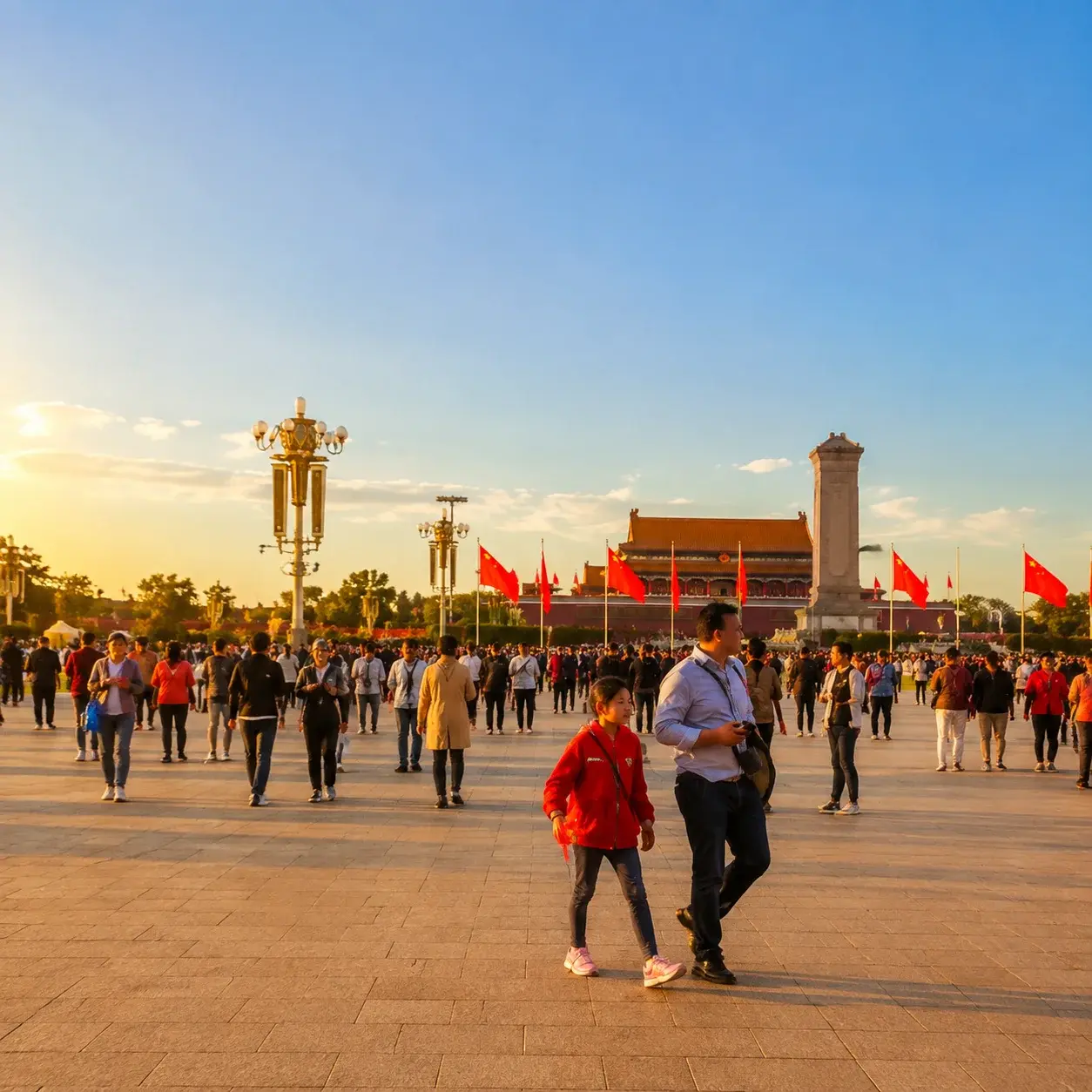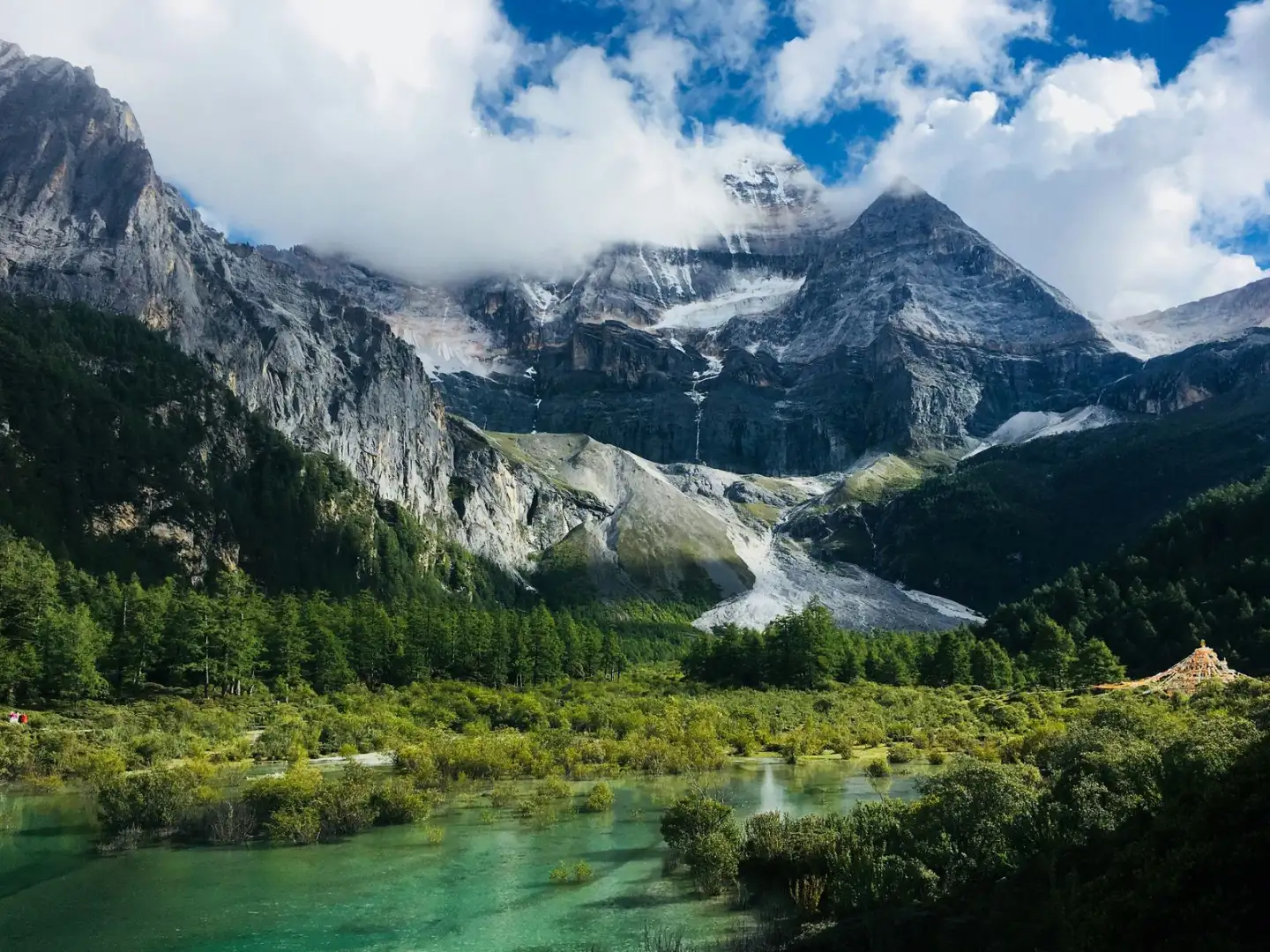




 18 days China, End to End Beijing → Xi'an → Chuanzhusi → Jiuzhaigou → Chengdu → Zhangjiajie → Guilin → Yangshuo → Shenzhen From $6,360 View route
 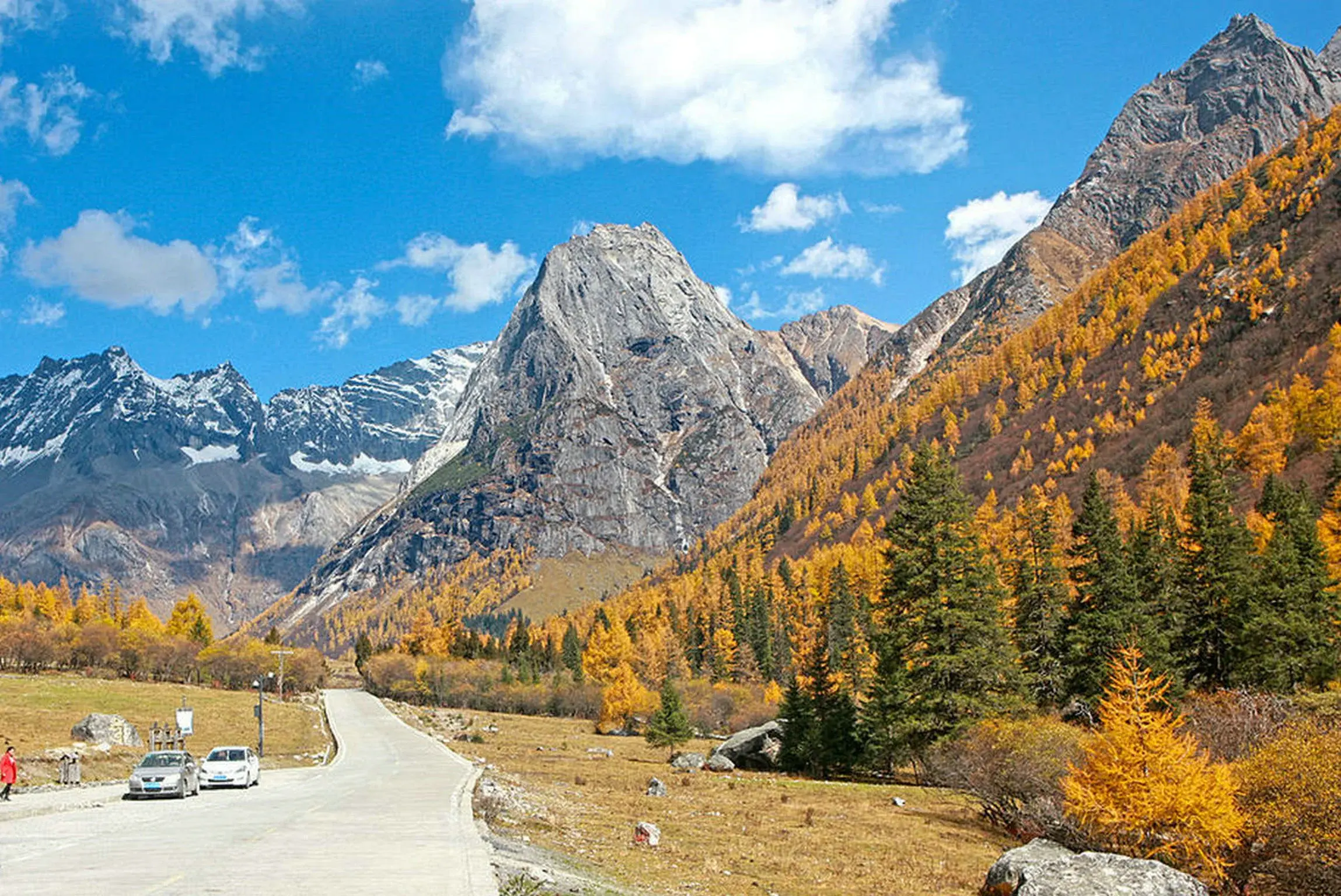 3 days 4-Day Tour of Siguniang Mountain, Biepa Gou, and Dagu Glacier Chengdu → Lixian → Heishui County From $1,599 View route
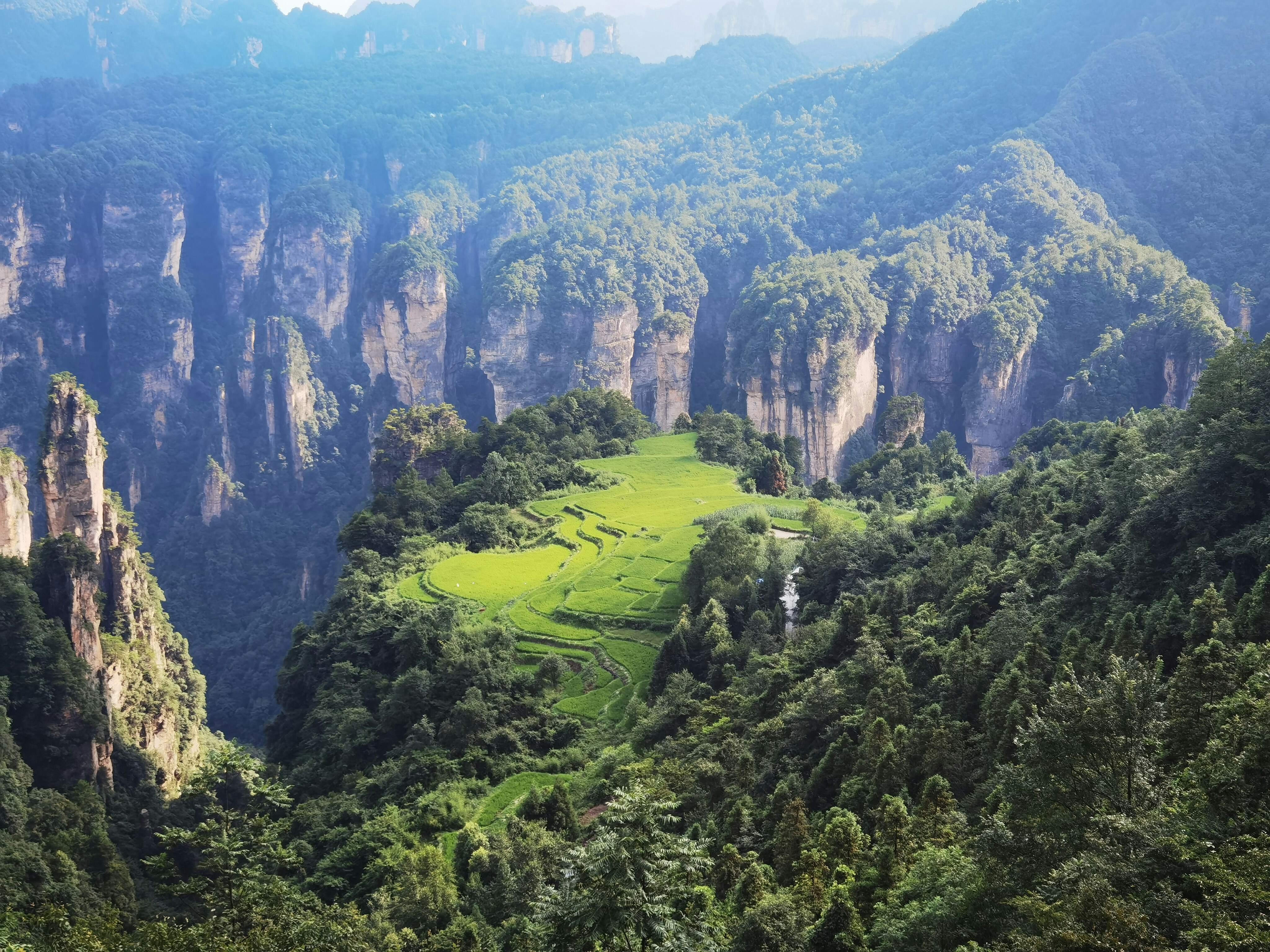
 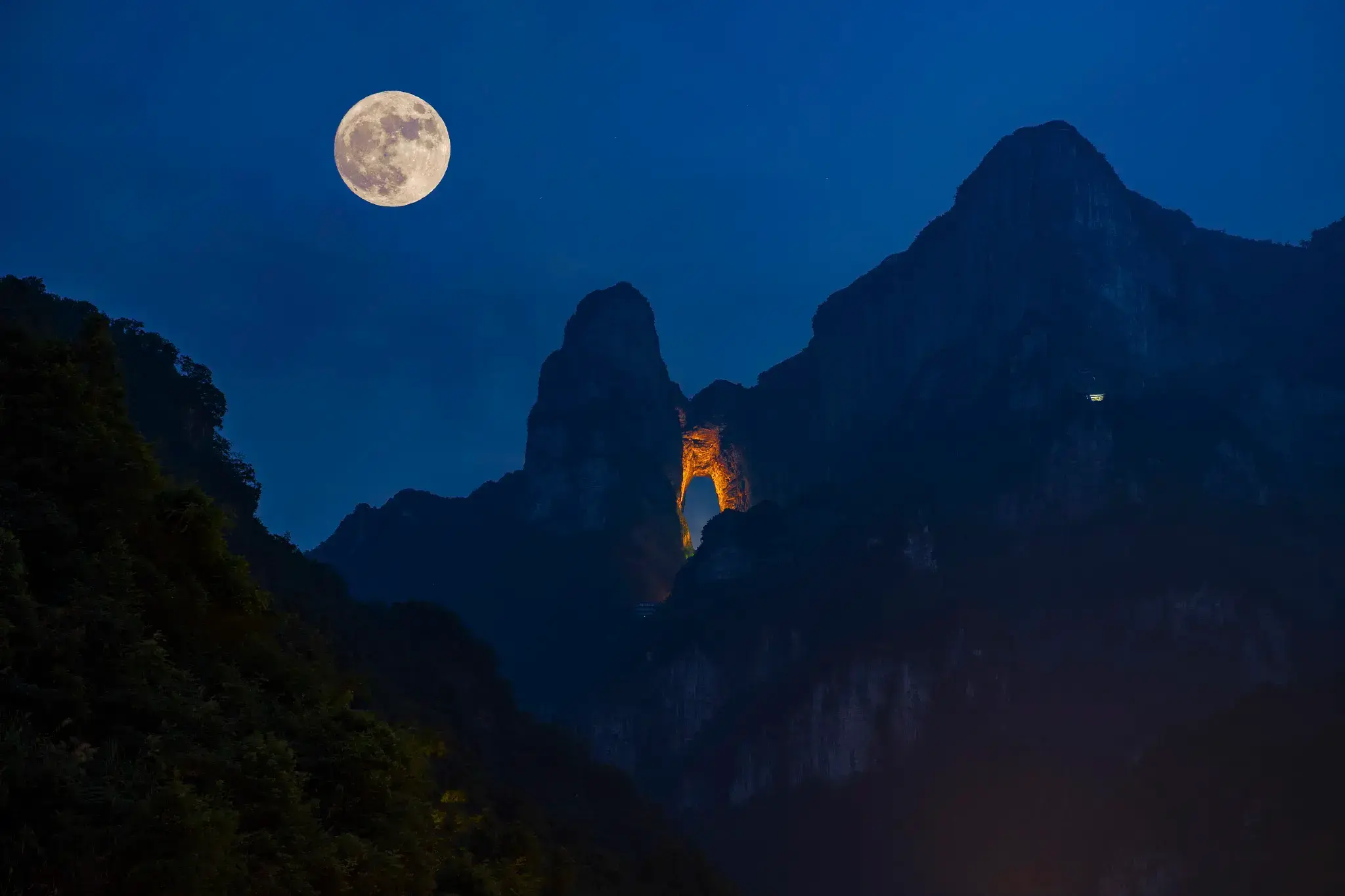 5 days Above the Pillars, Then Below Zhangjiajie From $1,430 View route
 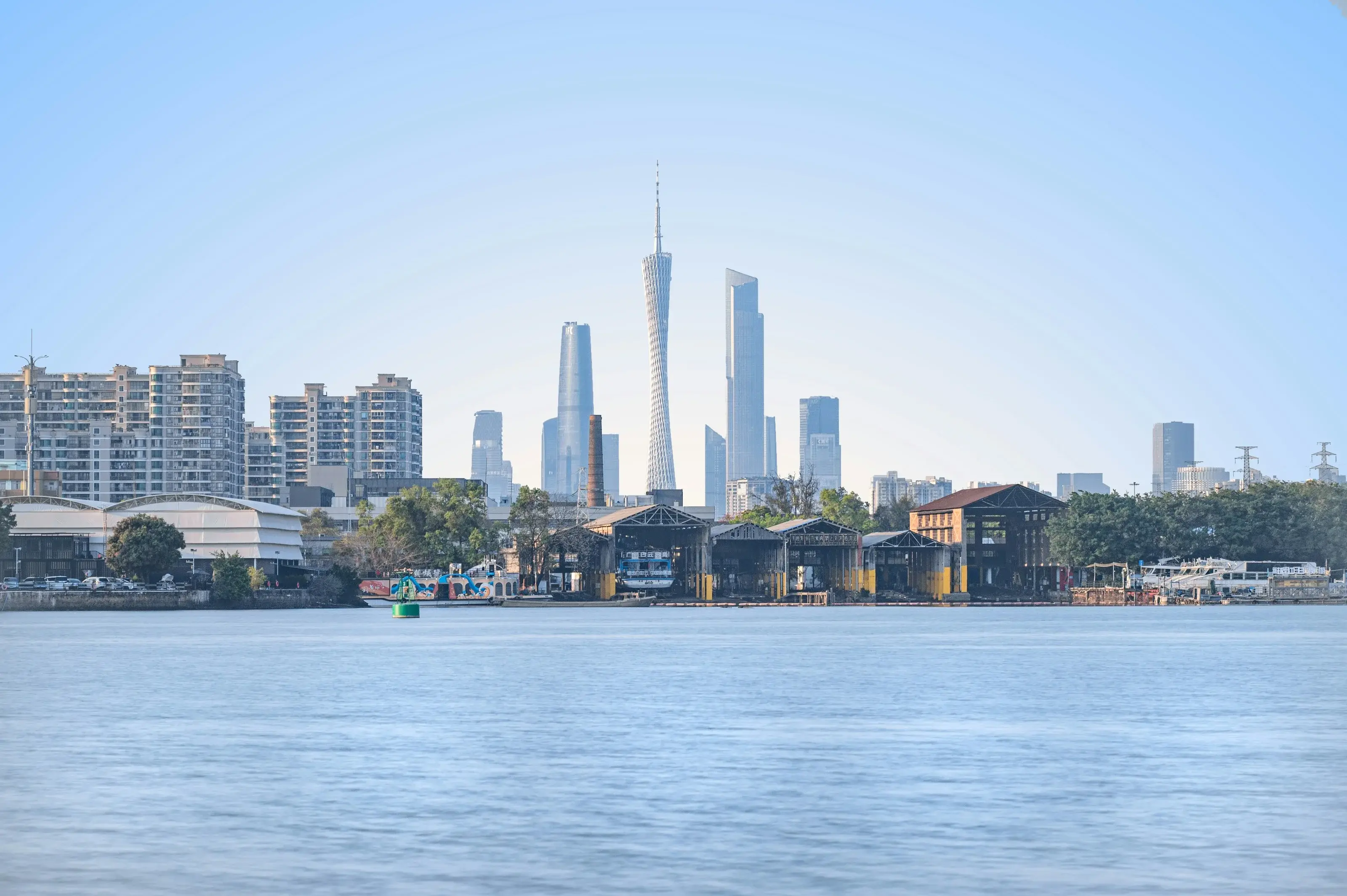 3 days After the Last Booth Guangzhou From $840 View route
 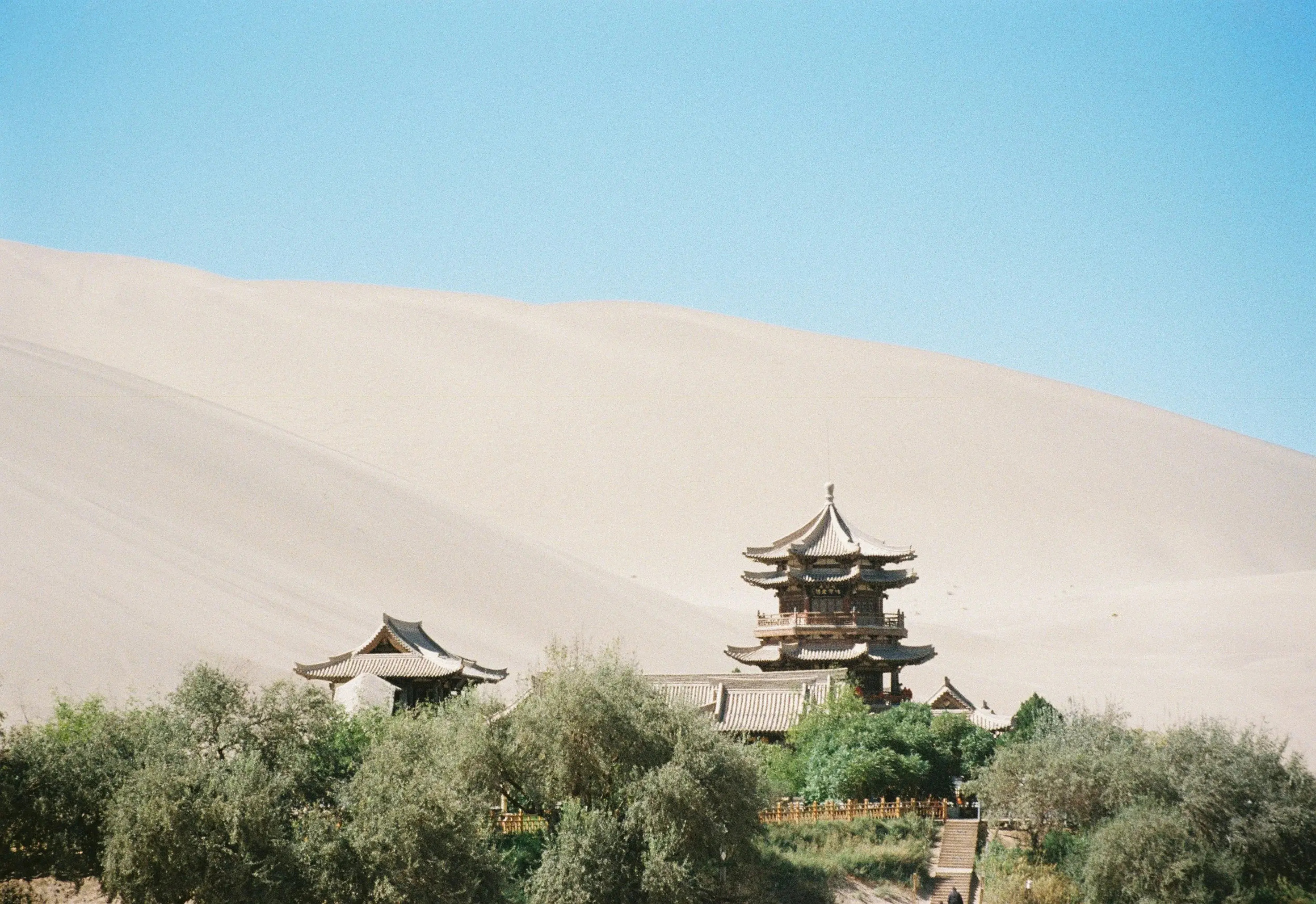 13 days All the Way West Xi'an → Dunhuang → Turpan → Kashgar → Shanghai From $3,500 View route
 TL;DR
China's 50,400-kilometer high-speed rail network — the world's largest, expanded by 33% during the 2021–2025 period — connects a country spanning 9.6 million square kilometers so efficiently that you can travel from Beijing to Shanghai in 4.5 hours, Beijing to Xi'an in 4.5 hours, or Shanghai to Hangzhou in 59 minutes, making strategic itinerary design the single most important factor in whether your trip feels rushed or revelatory. This guide provides a decision framework — not a menu of cookie-cutter routes — organized by the five variables that actually determine your ideal itinerary: available days (7 to 30+), primary interest (imperial history, natural landscapes, ethnic cultures, adventure, or modern China), physical capability, budget tier ($90–$500+/day), and travel season. Each itinerary includes real daily pacing, verified 2026 transportation logistics, and cost benchmarks cross-referenced against multiple independent sources.
The Five Variables That Determine Your Ideal China Itinerary
Most China itinerary guides present a list of routes and ask you to pick one. This is backwards. The right itinerary emerges from understanding five variables in sequence — each one narrows the possibilities until only a few optimal routes remain. Skip a variable, and you end up with a beautiful-sounding itinerary that doesn't actually work for your body, your budget, or your calendar.
Variable 1: How Many Days Do You Actually Have?
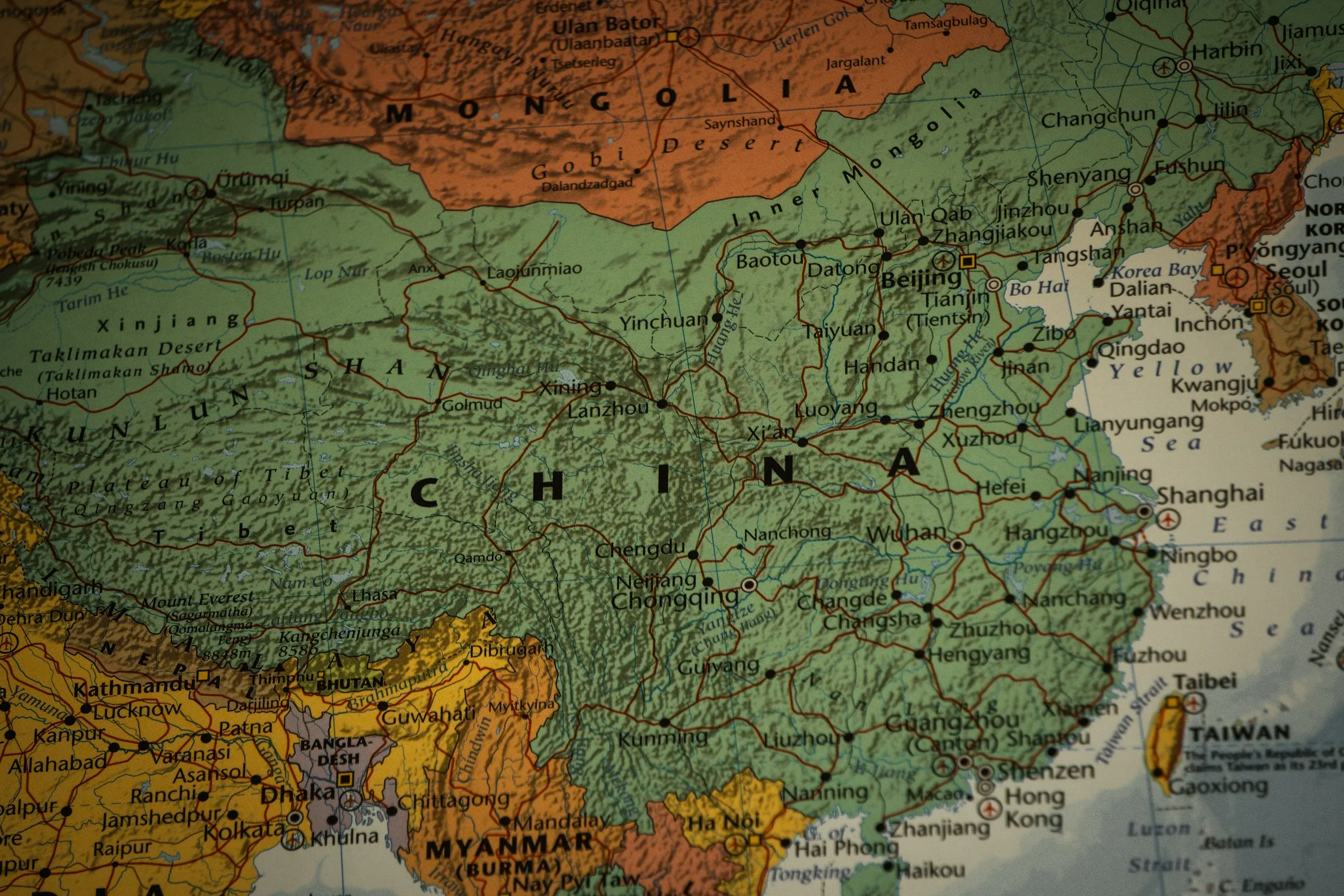
This is the constraint that eliminates 80% of options immediately. China is not a country you can "do" — it is a continent-sized civilization that happens to have a single government. Beijing to Kashgar is 3,500 kilometers — farther than New York to Los Angeles. Beijing to Lhasa is 3,700 kilometers. Even with the world's fastest rail network, moving between regions consumes time that many travelers underestimate.
The honest framework:
| Available Days | What\'s Realistic | What\'s Not |
|---|---|---|
| 7–8 days | 2–3 cities in one region (e.g., Beijing + Xi\'an, or Shanghai + Hangzhou + Suzhou) | Anything involving Yunnan, Tibet, the Silk Road, or more than 3 cities |
| 10–12 days | 4–5 cities across two regions — the sweet spot for first-timers | Adding Tibet, the Silk Road, or Guizhou to a classic route |
| 14–16 days | Classic route + one deep regional extension (Yunnan OR Zhangjiajie/Guilin OR Chengdu) | Trying to cover all of the above |
| 18–21 days | Full Silk Road, OR comprehensive Yunnan + Guizhou, OR classic route + Tibet | Combining Silk Road AND Tibet AND ethnic minorities |
| 28+ days | True comprehensive coverage — the Grand Tour becomes possible | Nothing is off the table, but pacing matters more than ever |
Variable 2: What Draws You Most?
China offers at least five distinct "travel genres," each requiring different routing, pacing, and preparation. Most travelers have a primary interest and one or two secondary interests. Identifying your primary interest determines the backbone of your route; secondary interests add extensions.
Imperial History & Ancient Civilization: Beijing, Xi'an, Luoyang, Datong, Nanjing — the ancient capitals that collectively span 3,000 years of dynastic rule. This is the backbone of every first-time itinerary because these cities contain the monuments that define China in the global imagination: the Forbidden City, the Great Wall, the Terracotta Warriors.
Natural Landscapes: Zhangjiajie (Avatar mountains), Guilin/Yangshuo (karst peaks), Jiuzhaigou (turquoise alpine lakes), Huangshan (misty granite peaks), Tiger Leaping Gorge (one of the world's deepest gorges). China's natural scenery is as dramatic as its history, but these destinations are geographically scattered and require dedicated routing.
Ethnic Minority Cultures: Yunnan (25 ethnic groups — Bai, Naxi, Tibetan, Dai), Guizhou (Miao, Dong, Bouyei — 37% minority population), Tibet. These experiences require slower pacing, flexibility, and willingness to accept basic accommodation in exchange for authenticity.
Adventure & Outdoors: Yangshuo rock climbing (2,000+ bolted routes), Tiger Leaping Gorge trekking, Great Wall wild sections, Tibet high-altitude expeditions, Silk Road desert crossings. Physical fitness requirements vary dramatically — from moderate (Guilin cycling) to extreme (Everest Base Camp at 5,200m).
Modern China & Urban Culture: Shanghai, Shenzhen, Chengdu, Chongqing — the cities that represent China's 21st-century transformation. Best combined with historical cities for contrast rather than visited in isolation.
Variable 3: What's Your Physical Capability?
This variable is underestimated by 90% of travelers and determines more about your actual experience than any other factor.
| Capability Level | What Works | What Doesn\'t |
|---|---|---|
| High mobility | Any itinerary; consider hiking-focused routes (Great Wall wild sections, Tiger Leaping Gorge, Zhangjiajie multi-day treks) | — |
| Moderate mobility | Most standard itineraries; use cable cars at the Great Wall (Mutianyu), electric carts on Xi\'an\'s city wall, boats in Guilin | Wild Great Wall sections, Tiger Leaping Gorge, high-altitude Tibet |
| Limited mobility | City-focused routes with good infrastructure; Yangtze River cruise (minimal walking, multiple destinations); flat terrain in Shanghai, Hangzhou, Suzhou | Zhangjiajie (thousands of stairs), any trekking route, Tibet |
| Altitude sensitivity | Everything below 2,500m is fine; Shangri-La (3,200m) requires caution; Tibet (3,650m+) requires medical clearance and 2–3 days acclimatization | Flying directly to Lhasa from sea level — severe altitude sickness risk |
Variable 4: What's Your Daily Budget?
China's cost structure in 2026 is remarkably favorable for international travelers. Multiple independent sources converge on consistent price ranges, and the country offers genuine value at every tier — a mid-range trip in China costs less than equivalent comfort in Japan, South Korea, or Western Europe.
| Tier | Per Person/Day (USD) | What You Get |
|---|---|---|
| Budget | \$35–70 | Hostels/budget hotels, street food and local restaurants, public transport, self-guided sightseeing |
| Mid-range (independent) | \$80–165 | 3–4 star hotels, restaurant meals, high-speed trains, entrance fees, occasional guided experiences |
| Mid-range (private guided tour) | \$200–350 | 4-star hotels, private guide and driver, all entrance fees and activities included, restaurant meals curated by guide |
| Comfortable (private guided tour) | \$350–500 | 5-star hotels, dedicated cultural guide, premium experiences, all logistics handled |
| Luxury | \$500–1,500+ | Top-tier properties (Aman, Peninsula, Banyan Tree), exclusive access, VIP services, Michelin dining |
Important note on private tour pricing: The per-person cost decreases significantly with group size. A private tour for 2 travelers costs $250–350/person/day at mid-range; the same tour for 4 travelers drops to $180–280/person/day because guide, driver, and vehicle costs are shared. Solo travelers pay a premium but avoid the "single supplement" charges that group tours impose.
Variable 5: When Are You Traveling?
Season determines not just weather but crowd levels, pricing, and which destinations are accessible at all.
| Season | Best For | Avoid | Pricing |
|---|---|---|---|
| Spring (Mar–May) | All destinations; cherry blossoms in Beijing, rapeseed flowers in Wuyuan, comfortable temperatures everywhere | — | Shoulder season (20–30% below peak) except Golden Week (April 4–6) |
| Summer (Jun–Aug) | Tibet (only accessible season), high-altitude Yunnan, Jiuzhaigou | Low-altitude cities (Beijing 38°C, Xi\'an 40°C, Shanghai 37°C + extreme humidity) | Peak domestic tourism; highest prices, worst crowds |
| Autumn (Sep–Nov) | Everything — universally considered the best season; fall foliage, harvest festivals, ideal temperatures, clear skies | — | Peak international tourism (October especially); book 3–6 months ahead |
| Winter (Dec–Feb) | Harbin Ice Festival, southern China (Guilin, Yunnan remain mild), Chinese New Year experiences, lowest prices | Northern China (bitter cold), Tibet (closed or extreme), high-altitude areas | Lowest prices except Chinese New Year week (most expensive + most crowded period of the year) |
The Core Itineraries: Organized by Duration
Every itinerary below is designed as a complete, self-contained trip. They are presented in order of duration, with the understanding that shorter itineraries are subsets of longer ones — if you start with the 7-day Golden Triangle and later return for a second trip, the 14-day extensions pick up exactly where the first trip left off.
The 7–8 Day Golden Triangle: The Essential First Visit
Beijing (3 days) → Xi'an (2 days) → Shanghai (2–3 days)
This route exists because it works. It captures 3,000 years of Chinese civilization — imperial power (Beijing), ancient history (Xi'an), and modern dynamism (Shanghai) — connected by two high-speed train rides that are themselves experiences (Beijing–Xi'an: 4.5 hours through the North China Plain; Xi'an–Shanghai: 6 hours or a 2-hour flight). Approximately 40% of first-time international visitors choose some version of this route, and the booking data confirms why: it delivers the highest density of iconic experiences per day of any China itinerary.
What a real day looks like (Day 2 — Great Wall day):
Your guide meets you at 7:30 AM. By 8:00 you're in a private car heading to Mutianyu — 90 minutes from central Beijing, but your guide chose this section specifically because it's less crowded than Badaling (which received over 500,000 inbound visitors in 2025 alone, a 33% year-on-year jump) while offering better-restored watchtowers and mountain views. You take the cable car up, walk 2–3 kilometers along the wall with 23 watchtowers and panoramic mountain views, then descend via the toboggan slide — a stainless-steel chute winding down the mountainside. By 1:00 PM you're at a countryside restaurant eating hand-pulled noodles. By 3:00 PM you're back at the hotel for rest. At 6:00 PM your guide takes you to a hutong neighborhood for Peking duck at a restaurant that doesn't appear on English-language review sites.
Critical 2026 logistics:
Forbidden City: Daily cap of 30,000 visitors; tickets released 7 days in advance at 8:00 PM Beijing time; sell out within minutes during peak season. Your guide or tour operator must secure these — do not attempt to book independently without a Chinese phone number and WeChat Pay.
Terracotta Warriors (Xi'an): Online reservation required; passport number needed at booking
Train tickets: Beijing–Xi'an and Xi'an–Shanghai high-speed trains sell out 7–10 days before departure on popular dates; book as early as possible (tickets release 15 days in advance)
2026 budget benchmark (per person, based on 2 travelers, private guided tour):
| Level | 7 Days | 8 Days |
|---|---|---|
| Mid-range (4-star hotels) | \$2,000–2,800 | \$2,400–3,200 |
| Comfortable (5-star hotels) | \$3,200–4,500 | \$3,800–5,200 |
Pros: Maximum iconic experiences per day; efficient routing; manageable pace
Cons: No nature experiences; no ethnic minority culture; fast-paced by design
The 10–12 Day Comprehensive First Visit: The Sweet Spot
Beijing (3 days) → Xi'an (2 days) → Chengdu (2 days) → Guilin/Yangshuo (2–3 days) → Shanghai (2 days)
This is the itinerary that balances breadth and depth — the one we recommend to first-time visitors who have the time. It adds two experiences that transform the trip from "impressive" to "unforgettable": Chengdu's Giant Panda Breeding Base (260+ pandas in a 240-hectare habitat, best visited at 8:00 AM when the animals are active and the crowds haven't arrived) and Guilin/Yangshuo's karst landscape (the four-hour Li River cruise through emerald peaks reflected in still water is the scene printed on China's ¥20 banknote).
Why this sequence works: The route moves geographically south and west, following China's climate gradient from temperate (Beijing) through continental (Xi'an) to subtropical (Chengdu, Guilin) to maritime (Shanghai). Each city offers a fundamentally different China: imperial power → ancient Silk Road gateway → laid-back teahouse culture with pandas → rural karst paradise → 21st-century global metropolis. The emotional arc matters as much as the geographic one — you end in Shanghai, where the contrast between the Bund's colonial architecture and Pudong's futuristic skyline crystallizes everything you've experienced about China's relationship between past and present.
Transportation logistics:
Beijing → Xi'an: High-speed train, 4.5 hours (¥515 second class / \~$70)
Xi'an → Chengdu: High-speed train, 3.5 hours (¥263 second class / \~$36) — this route through the Qinling Mountains, opened in 2017, reduced what was once a 16-hour journey to under 4 hours
Chengdu → Guilin: Flight, 2 hours (\~$80–150)
Guilin → Shanghai: Flight, 2.5 hours (\~$80–150)
2026 budget benchmark (per person, based on 2 travelers, private guided tour):
| Level | 10 Days | 12 Days |
|---|---|---|
| Mid-range (4-star hotels) | \$3,000–4,200 | \$3,600–5,000 |
| Comfortable (5-star hotels) | \$4,500–6,500 | \$5,500–7,500 |
The 14–16 Day Extended Exploration: Adding Regional Depth
At two weeks, you have enough time to add one major regional extension to the classic route. The choice depends entirely on your primary interest (Variable 2):
Extension A: Yunnan Ethnic Minority Circuit (Add 5–6 Days)
\...→ Chengdu (2 days) → Kunming (1 day) → Dali (2 days) → Lijiang (2 days) → Shangri-La (2 days) → Shanghai (2 days)
Why choose this: Yunnan is home to 25 of China's 56 ethnic groups — Bai, Naxi, Tibetan, Dai, Yi, and 20 others — each maintaining distinct languages, customs, dress, and artistic traditions. The province's climate is mild year-round (Kunming is called "Spring City"), the scenery ranges from Erhai Lake's pastoral beauty to Jade Dragon Snow Mountain's 5,596-meter peak, and the cultural density is unmatched: in a single week you move through Bai tie-dye workshops in Dali, Naxi Dongba pictographic script lessons in Lijiang, and Tibetan Buddhist monasteries in Shangri-La.
Who should choose this: Culture enthusiasts, photographers, travelers seeking less-touristy experiences, anyone whose primary interest is ethnic minority cultures.
Altitude note: Shangri-La sits at 3,200 meters. Most travelers acclimatize naturally if they've spent 2–3 days at lower elevations in Dali (1,970m) and Lijiang (2,400m) first — which this itinerary provides by design.
Additional cost for Yunnan extension: $1,500–2,500/person (mid-range) or $2,500–4,000/person (comfortable)
Extension B: Natural Wonders Circuit (Add 4–5 Days)
Beijing (2 days) → Zhangjiajie (3 days) → Guilin/Yangshuo (3 days) → Shanghai (2 days) (replaces Xi'an and Chengdu)
Why choose this: For travelers who have already seen Europe's cathedrals and Japan's temples and crave landscapes that don't exist anywhere else on Earth. Zhangjiajie's sandstone pillars — the real-life inspiration for the floating mountains in Avatar — rise vertically from subtropical forest. The Bailong Elevator (326 meters, built into a cliff face) and the Tianmen Mountain glass skywalk (1,400 meters above the valley floor) provide visceral, physical awe that no photograph can convey.
Who should choose this: Outdoor enthusiasts, photographers, hikers, repeat China visitors who've already done the Golden Triangle.
Physical requirement: Moderate to high — Zhangjiajie involves thousands of stairs and significant elevation changes. Cable cars and elevators reduce but don't eliminate the physical demand.
Extension C: Tibet (Add 5–7 Days)
\...→ Xi'an (2 days) → Xining (1 day, acclimatization) → Lhasa (3–4 days) → Shigatse (optional 2 days) → Shanghai (2 days)
Why choose this: Tibet is the most profound spiritual and landscape experience available in China — the Potala Palace, the Jokhang Temple's morning pilgrimage circuit, Sera Monastery's monk debates, and the vast Tibetan Plateau create an experience that is categorically different from anything else on this list.
Who should choose this: Spiritual seekers, adventure travelers comfortable with high altitude, those with strong physical fitness.
Non-negotiable requirements:
Tibet Travel Permit + Alien's Travel Permit (arranged by tour operator, 15–20 days processing)
Mandatory registered tour operator and guide — independent travel not permitted
2–3 days acclimatization before high-altitude activities (Lhasa is 3,650m)
Season: May–October only
Medical clearance recommended; altitude sickness affects 50%+ of visitors
Additional cost for Tibet extension: $2,500–4,500/person (Tibet's permit requirements, mandatory guide, and remote logistics make it significantly more expensive than other regions)
The 18–21 Day Deep Immersion: Two Major Options
At three weeks, you can pursue routes that are impossible in shorter timeframes. Two stand out:
Option 1: The Grand Cultural Survey (21 Days)
Beijing (3 days) → Datong (2 days) → Xi'an (3 days) → Chengdu (3 days) → Guilin/Yangshuo (3 days) → Hangzhou (2 days) → Suzhou (2 days) → Shanghai (3 days)
This is the comprehensive first visit for travelers with generous time — retirees, sabbatical travelers, and anyone who refuses to rush. It adds three destinations that most shorter itineraries sacrifice: Datong (the 5th-century Yungang Grottoes — 51,000 Buddhist statues carved into sandstone cliffs, rivaling the Mogao Caves in artistic significance), Hangzhou (West Lake, Longjing tea plantations, and the literati tradition), and Suzhou (nine UNESCO-listed classical gardens that embody Chinese aesthetic philosophy). The pace allows for rest days, spontaneous discoveries, and the kind of deep local interactions — an afternoon in a Chengdu teahouse playing mahjong with retirees, a morning cycling through Yangshuo's rice paddies — that transform tourism into understanding.
2026 budget benchmark (per person, based on 2 travelers, private guided tour):
| Level | Estimated Cost |
|---|---|
| Mid-range | \$5,500–8,000 |
| Comfortable | \$8,000–12,000 |
Option 2: The Silk Road Expedition (18–21 Days)
Xi'an (3 days) → Lanzhou (1 day) → Xiahe/Labrang (2 days) → Dunhuang (3 days) → Turpan (2 days) → Urumqi (1 day) → Kashgar (4 days) → return via Urumqi → Beijing (2 days)
This is the journey that traces 2,000 years of cultural exchange between East and West — from Xi'an, where the Silk Road began, through Tibetan Buddhist monasteries at Labrang (one of the six great Gelug monasteries, at a manageable 2,900 meters without Tibet permit requirements), past the Mogao Caves' 492 grottoes of Buddhist art spanning ten centuries, across desert oases where Uyghur culture blends Central Asian and Chinese traditions, to Kashgar's Sunday Market — the largest traditional market in Central Asia. The cultural layers accumulate with each stop until you understand, viscerally, that Chinese civilization was never isolated — it was always a conversation with the wider world.
Who should choose this: History and archaeology enthusiasts, adventure travelers, those interested in Central Asian cultures, repeat China visitors seeking something fundamentally different from the classic route.
Practical considerations: Long distances between stops (some segments require overnight trains or flights), extreme temperature variations (Turpan can reach 47°C in summer; Dunhuang drops below -10°C in winter), and less developed tourism infrastructure than eastern China. Best season: May–June or September–October.
2026 budget benchmark (per person, based on 2 travelers):
| Level | Estimated Cost |
|---|---|
| Mid-range | \$5,500–8,000 |
| Comfortable | \$8,000–11,000 |
Option 3: The Ethnic Minority Deep Dive (18–21 Days)
Kunming (2 days) → Dali (3 days) → Shaxi (2 days) → Lijiang (3 days) → Shangri-La (2 days) → Guiyang (1 day) → Kaili/Miao villages (3 days) → Zhaoxing/Dong villages (2 days) → Guilin (2 days)
This route explores China's ethnic minority heartland with minimal Western tourist presence. In Yunnan, you move through Bai, Naxi, and Tibetan cultures; in Guizhou, you immerse in Miao and Dong traditions — including the UNESCO-recognized polyphonic Grand Song of the Dong people, performed without conductor or sheet music in wooden drum towers built without a single nail. Multiple homestays replace hotels. Craft workshops (tie-dye, batik, silver ornament making) replace museum visits. The discomfort (squat toilets, basic rooms, limited English) is inseparable from the authenticity.
2026 budget benchmark (per person, based on 2 travelers):
| Level | Estimated Cost |
|---|---|
| Standard (village guesthouses + 3–4 star in cities) | \$4,500–6,500 |
| Enhanced (boutique hotels where available + village homestays) | \$6,000–9,000 |
The 28+ Day Grand Tour: When Time Is Not the Constraint
Beijing (4 days) → Datong (2 days) → Xi'an (3 days) → Chengdu (3 days) → Jiuzhaigou (3 days) → Chongqing (1 day) → Yangtze River Cruise (4 days) → Zhangjiajie (3 days) → Guilin/Yangshuo (4 days) → Hangzhou (2 days) → Huangshan (3 days) → Shanghai (3 days)
A month in China is not about seeing more — it's about seeing differently. The pace drops to 1–2 activities per day with built-in rest days every 3–4 days. You have time to linger in a Chengdu teahouse for three hours, to wait for the clouds to clear at Huangshan for the perfect photograph, to accept a spontaneous dinner invitation from a family you meet in Yangshuo. The Yangtze River cruise (4 days from Chongqing to Yichang through the Three Gorges) provides a natural rest segment — multiple destinations with zero packing and unpacking.
What you gain with a month: The freedom to say "let's stay another day" when a place captivates you. The ability to schedule weather contingency days at photography-critical locations. The space for serendipity — the unplanned encounters that become the stories you tell for decades.
2026 budget benchmark (per person, based on 2 travelers, private guided tour):
| Level | Estimated Cost |
|---|---|
| Mid-range | \$8,000–12,000 |
| Comfortable | \$12,000–18,000 |
| Luxury | \$20,000–40,000+ |
Itineraries by Travel Style: Quick Decision Guide
Rather than duplicating the detailed content available in our specialized guides, this section provides the essential framework for each travel style with cross-references to deeper resources.
Families with Children (10–14 Days)
Recommended backbone: Beijing (3 days) → Xi'an (2 days) → Chengdu (3 days) → Shanghai (3 days)
Key principles: No more than 2 major activities per day; build in pool time and downtime every 2–3 days; choose hotels with family rooms and Western breakfast options; prioritize interactive experiences (dumpling-making, calligraphy, panda encounters) over passive sightseeing; use private vehicles rather than trains (more comfortable with children, allows flexible stops).
Kid-tested highlights: Great Wall toboggan descent at Mutianyu (universally loved by children 6+), Giant Panda Breeding Center (arrive at 8:00 AM when baby pandas are active), Xi'an city wall cycling (family tandem bikes available), Shanghai Disneyland (1 day if desired).
Budget: $3,500–5,500/person (children often receive discounts at hotels and attractions; China's dual-track system uses both age and height — children under 6 OR under 1.2m typically enter free, 6–18 OR 1.2–1.5m receive half-price)
Couples & Honeymoons (10–14 Days)
Recommended backbone: Shanghai (3 days) → Hangzhou (3 days) → Huangshan (3 days) → Guilin/Yangshuo (3 days) → Hong Kong (2 days, optional)
Key principles: Boutique and luxury properties (Amanfayun Hangzhou, Banyan Tree Yangshuo, Peninsula Shanghai); private experiences (sunset cruise on West Lake, couples' cooking class, private bamboo rafting); scenic beauty over urban intensity; shoulder seasons (April–May, September–October) for ideal weather and thinner crowds.
Budget: $5,500–9,000+ per couple (luxury accommodations drive the premium)
Solo Travelers (10–21 Days)
Recommended backbone: Beijing (3 days) → Xi'an (2 days) → Chengdu (3 days) → Yangshuo (3 days) → Shanghai (3 days)
Key principles: China is exceptionally safe for solo travelers — violent crime against tourists is virtually nonexistent. Private tours work well for solo travelers because you get personalized attention without "single supplement" penalties that group tours charge. Yangshuo's international climbing community and Chengdu's social hostel scene provide natural opportunities for meeting other travelers.
Budget: $3,500–6,000 (private guided tour eliminates single supplements; solo independent travel can be done for $50–100/day)
Photographers (14–21 Days)
Recommended backbone: Beijing (2 days) → Zhangjiajie (4 days) → Guilin/Yangshuo (4 days) → Longji Rice Terraces (2 days) → Yunnan: Dali, Lijiang, Shangri-La (6 days)
Key principles: Golden hour scheduling (early morning and late afternoon shoots prioritized); weather contingency days at every major location (add 1 buffer day per 3 shooting days); local guides who know hidden viewpoints and seasonal highlights; flexible pacing to wait for optimal conditions.
Best timing: Late September–November for clear skies, fall colors, and harvested rice terraces (Longji golden rice in late September is one of China's most photographed scenes). May for Longji water-reflection terraces.
Budget: $5,000–8,500/person
Adventure Seekers (14–21 Days)
Recommended backbone: Beijing (2 days) → Zhangjiajie (4 days) → Yangshuo (4 days) → Tiger Leaping Gorge (3 days) → Shangri-La (2 days) → optional Tibet extension (5+ days)
Key principles: Physical fitness requirements escalate through the itinerary — Zhangjiajie (moderate: stairs), Yangshuo climbing (beginner to advanced routes available), Tiger Leaping Gorge (moderate: 22km trek with significant elevation), Tibet (high: altitude is the primary challenge). Build the itinerary so your body acclimatizes progressively.
Budget: $5,500–9,500/person (Tibet extension adds $2,500–4,500)
Luxury Travelers (12–18 Days)
Recommended backbone: Beijing (4 days) → Xi'an (3 days) → Guilin/Yangshuo (4 days) → Shanghai (3 days) → Hong Kong (2 days)
Key principles: Properties define the experience — Aman Summer Palace (Beijing), Shangri-La Xi'an, Banyan Tree Yangshuo, Peninsula Shanghai. Exclusive access experiences (private Forbidden City tours, after-hours Terracotta Warriors viewing where available, helicopter flights over karst landscapes). Michelin-level dining integrated into every city stop.
Budget: $12,000–25,000+/person ($800–1,500/day)
Senior Travelers (12–16 Days)
Recommended backbone: Beijing (3 days) → Xi'an (3 days) → Yangtze River Cruise (4 days) → Shanghai (2–3 days)
Key principles: Slower pace with rest days built in; choose less strenuous options (Mutianyu Great Wall with cable car, Xi'an city wall by electric cart); hotels with elevators and Western amenities; the Yangtze cruise segment is ideal — multiple destinations with zero packing/unpacking, built-in rest time, and shore excursions calibrated for moderate mobility.
Budget: $4,000–6,500/person (cruise segment adds premium but reduces physical strain)
The 2026 Logistics Reality: What Has Changed
China's travel infrastructure in 2026 is world-class but operates on systems that differ fundamentally from what Western travelers expect. Understanding these systems before departure eliminates 90% of the stress that independent travelers report.
Transportation: The High-Speed Rail Revolution
China's high-speed rail network reached 50,400 kilometers by the end of 2025 — a 33% expansion during the 2021–2025 period — and carried 4.26 billion passenger trips in 2025 alone. The network now connects virtually every major tourist destination, and for distances under 800 km (Beijing–Xi'an, Shanghai–Hangzhou, Chengdu–Chongqing), high-speed rail is faster than flying when total door-to-door time is considered (no airport security, no 2-hour early arrival, city-center to city-center).
Key routes and times for itinerary planning:
| Route | High-Speed Train | Flight | Recommendation |
|---|---|---|---|
| Beijing → Xi\'an | 4.5 hours | 2 hours + airport time | Train (scenic, city-center) |
| Beijing → Shanghai | 4.5 hours | 2.5 hours + airport time | Either (train is more comfortable) |
| Xi\'an → Chengdu | 3.5 hours | 1.5 hours + airport time | Train (spectacular mountain scenery through Qinling) |
| Shanghai → Hangzhou | 59 minutes | N/A | Train (no contest) |
| Chengdu → Guilin | 8+ hours | 2 hours | Flight |
| Beijing → Zhangjiajie | 7+ hours | 2.5 hours | Flight |
| Shanghai → Guilin | 7+ hours | 2.5 hours | Flight |
Booking reality: Popular routes sell out 7–10 days before departure during peak season. Tickets are released 15 days in advance. Your tour operator or guide should book these the moment they become available. Independent travelers can book via the 12306 app (now accepts foreign passports) or Trip.com.
The Reservation Economy
China in 2026 operates on a reservation system that has no equivalent in Western tourism. Major attractions have eliminated walk-up ticket windows entirely:
Forbidden City: Online booking only, 7 days in advance, 30,000/day cap
Terracotta Warriors: Online reservation required with passport number
Mogao Caves (Dunhuang): Strict daily limit; book 1+ month ahead in peak season
Potala Palace (Lhasa): Daily limit; arranged through mandatory tour operator
National Museum of China: Free but requires advance reservation via WeChat
This system is the single strongest argument for using a tour operator or private guide. They navigate the booking systems daily, have Chinese phone numbers and payment accounts required by many platforms, and know the timing tricks (e.g., checking for cancelled Forbidden City tickets between 8:30–9:00 PM on release day).
Payments and Connectivity
Mobile payments via Alipay and WeChat Pay dominate daily transactions — cash is accepted but increasingly inconvenient (some vendors, taxis, and small restaurants genuinely cannot make change). International credit cards work at hotels and major restaurants but not at street vendors, small shops, or most attractions. The practical solution: set up Alipay's international version (now accepts foreign credit cards) before departure, or rely on your guide to handle payments and settle daily.
VPN access for Google, WhatsApp, Instagram, and other blocked services requires preparation before arrival — download and configure a VPN app while still outside China.
Visa-Free Access in 2026
Citizens of 48 nations can now enjoy 30-day visa-free stays for business or tourism, with the policy extended through December 31, 2026. This covers most European countries, the UK, Canada, Australia, New Zealand, Japan, South Korea, and others. Transit visa exemptions (144-hour and 240-hour) have been expanded to 55 countries at major entry points. Verify your country's status before booking, as the list continues to expand.
The Five Most Common Itinerary Mistakes (and How to Avoid Them)
Mistake 1: Too many cities, not enough days.
The most common error. "We want to see Beijing, Xi'an, Chengdu, Guilin, Shanghai, AND Yunnan in 10 days" means you'll spend more time in airports and train stations than experiencing destinations. Rule of thumb: Maximum 4–5 cities for 2 weeks. Every city you add beyond this threshold subtracts from every other city's depth.
Mistake 2: Ignoring travel time between cities.
Beijing to Kashgar is 3,500 km — farther than London to Istanbul. Even with the world's fastest rail network, Beijing to Xi'an is 4.5 hours, Xi'an to Shanghai is 6 hours. These are not "quick hops." Every transit day is a day you're not experiencing a destination. Solution: Cluster destinations regionally. Beijing + Xi'an + Shanghai works. Beijing + Xi'an + Kashgar doesn't (unless you have 3+ weeks).
Mistake 3: Scheduling every hour of every day.
Packing 4–5 major activities into a single day guarantees exhaustion by Day 3 and resentment by Day 5. Solution: Limit to 2–3 activities per day maximum. Build in at least one unstructured half-day for every 3 planned days. The most memorable moments in China are unplanned — the grandmother who invites you to watch her cook, the festival procession that blocks the road, the sunset over the Li River that you'd have missed if you were rushing to the next scheduled stop.
Mistake 4: Flying directly to high altitude.
Flying from sea level to Lhasa (3,650m) without acclimatization is a medical risk, not an adventure choice. Altitude sickness affects 50%+ of visitors and can be severe. Solution: Spend 1–2 days at intermediate altitude first (Xining at 2,275m, or build Yunnan's progressive altitude — Dali 1,970m → Lijiang 2,400m → Shangri-La 3,200m — into your route before attempting Tibet).
Mistake 5: Choosing the wrong season for your destinations.
Visiting Harbin in July (no ice festival, just humidity) or Tibet in January (extreme cold, many sites closed) wastes the destination's primary appeal. Solution: Match destinations to their optimal seasons. If your travel dates are fixed, choose destinations that peak during your window rather than forcing a dream itinerary into the wrong calendar.
How to Start: The Decision Sequence
If you've read this far, you have the framework. Here's how to use it:
Lock your dates. How many days do you actually have? Be honest — subtract arrival and departure days.
Identify your primary interest. What would you regret missing most? Imperial history? Natural landscapes? Ethnic cultures? Adventure? This determines your route backbone.
Assess your physical reality. Can you climb 1,000 stairs? Handle 3,200m altitude? Walk 15km/day? This eliminates options that sound appealing but won't work for your body.
Set your budget tier. Use the benchmarks above to calculate total cost. Remember: private guided tours at mid-range ($200–350/day) deliver categorically different experiences than independent travel at the same daily spend, because the guide's local knowledge, booking access, and real-time adaptability are worth more than the price difference suggests.
Check the season. Does your travel window align with your chosen destinations' optimal timing? If not, adjust the route — don't force it.
The intersection of these five answers is your itinerary. Not a generic "Top 10 China Route" pulled from a listicle, but a trip designed around the specific reality of your time, interests, body, budget, and calendar.
FAQ
How many days do I need for a first China itinerary?
Seven to eight days can cover the basics, but 10 to 14 days is the best first-trip range. Three weeks lets you add nature, food, and slower regional travel.
What is the classic first-time China route?
The classic route is Beijing, Xi'an, and Shanghai. It covers imperial history, ancient China, and the modern city experience with efficient high-speed rail connections.
Which itinerary is best for nature lovers?
A nature-focused route often combines Zhangjiajie, Guilin or Yangshuo, and Yunnan, with Beijing or Shanghai added for international flight access.
Should I use flights or high-speed trains in China?
Use high-speed rail for efficient city pairs such as Beijing-Xi'an and Shanghai-Hangzhou. Use flights when distances are long, especially for Yunnan, Tibet, Xinjiang, or cross-country routes.
How do I avoid overpacking a China itinerary?
Limit a 10-day trip to three or four destinations, keep two or three nights in each major stop, and avoid one-night stays unless the transport logic is very strong.
What is the biggest itinerary mistake first-time visitors make?
The biggest mistake is trying to see the whole country in one trip. China rewards focus, because transport, ticketing, and walking time add up quickly.