
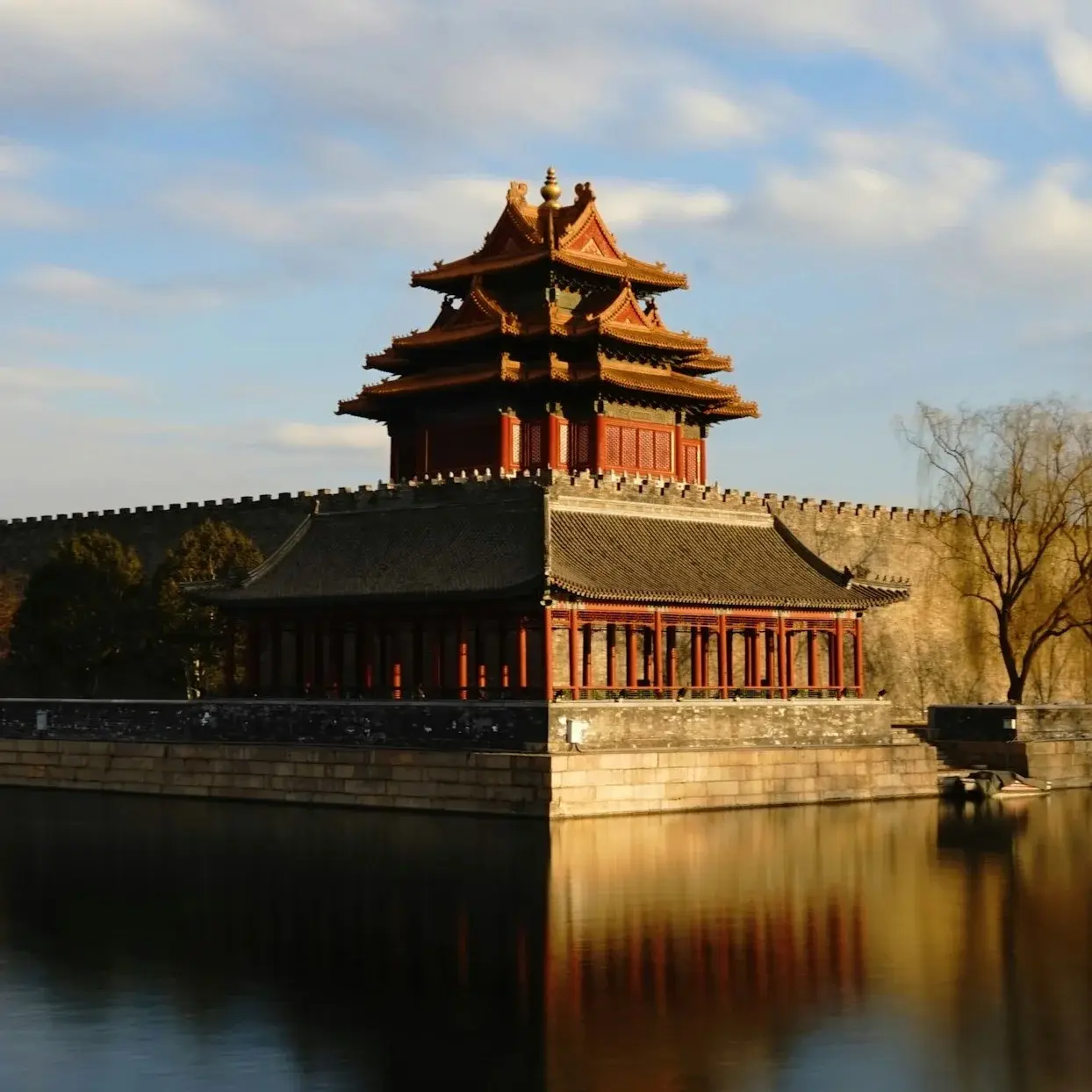
Beijing · 3 Days
Pekín



21 Days & 20 Nights — Private · Custom Itinerary
6 Days · Hidden Halls and the Conservation Lab
Beijing and Xi'an open the trip with the imperial canon at access tiers most travellers never reach — hidden halls beyond the Forbidden City's standard six, and the Terracotta Conservation Lab where Qin relics still pass through restorers' hands.
The Core
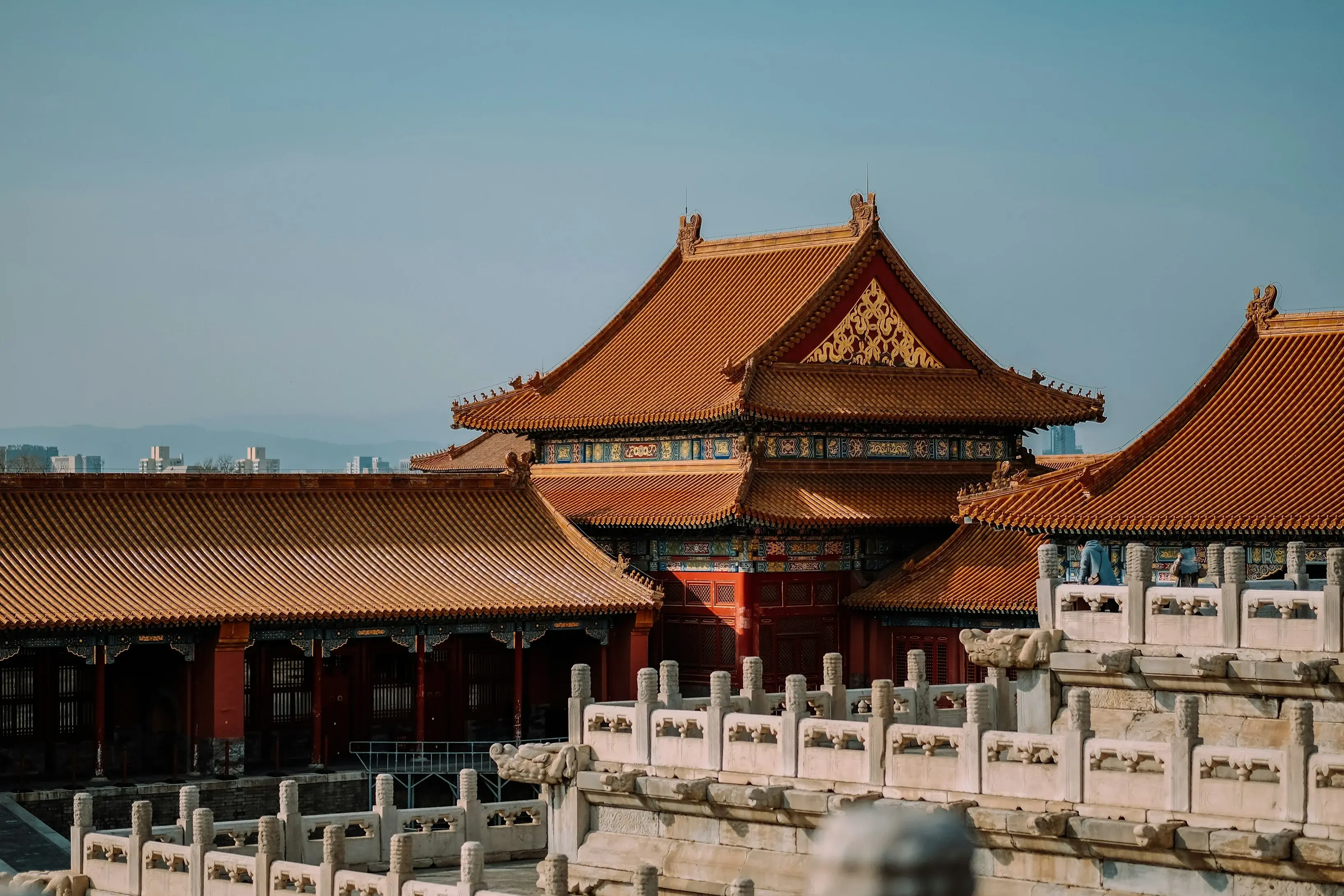
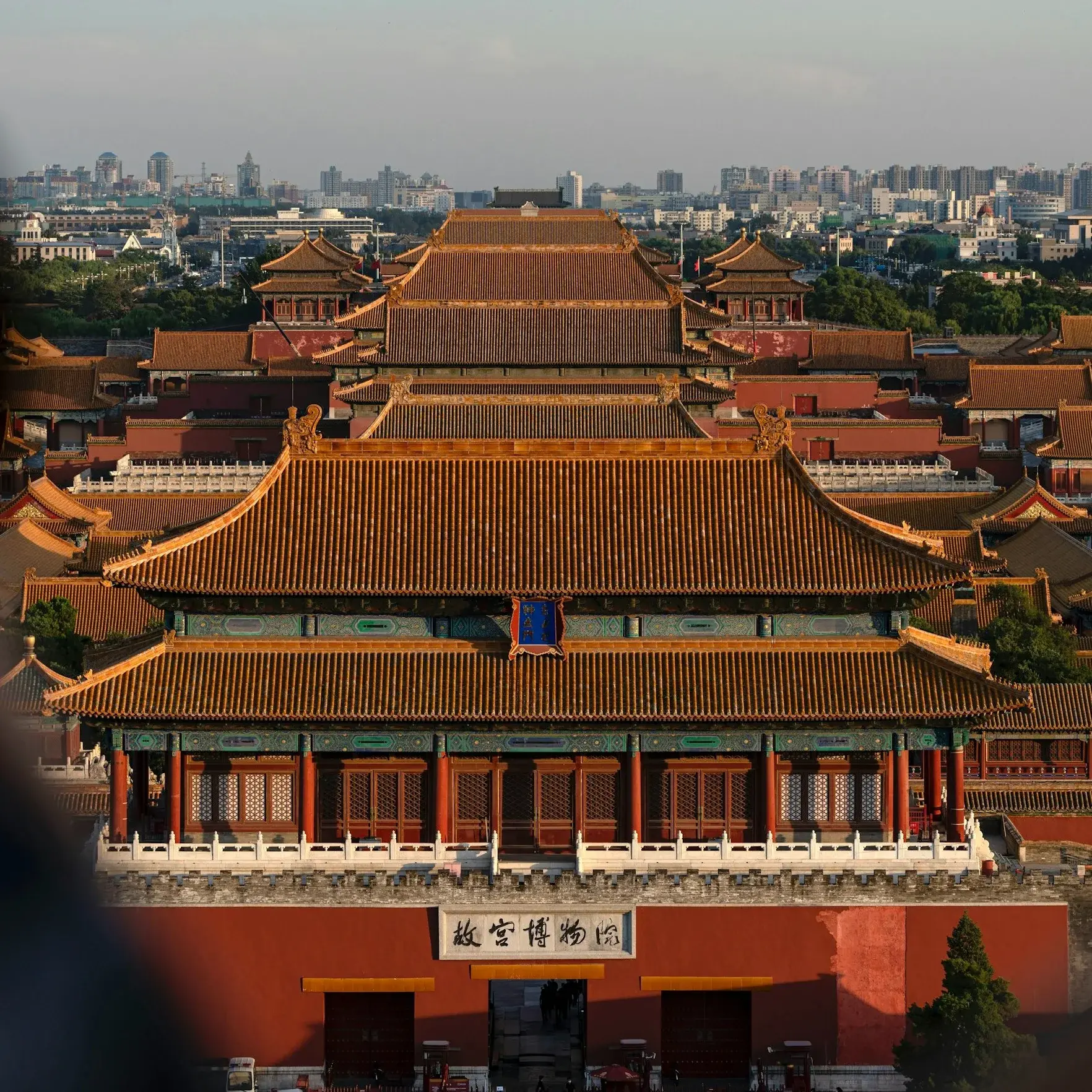
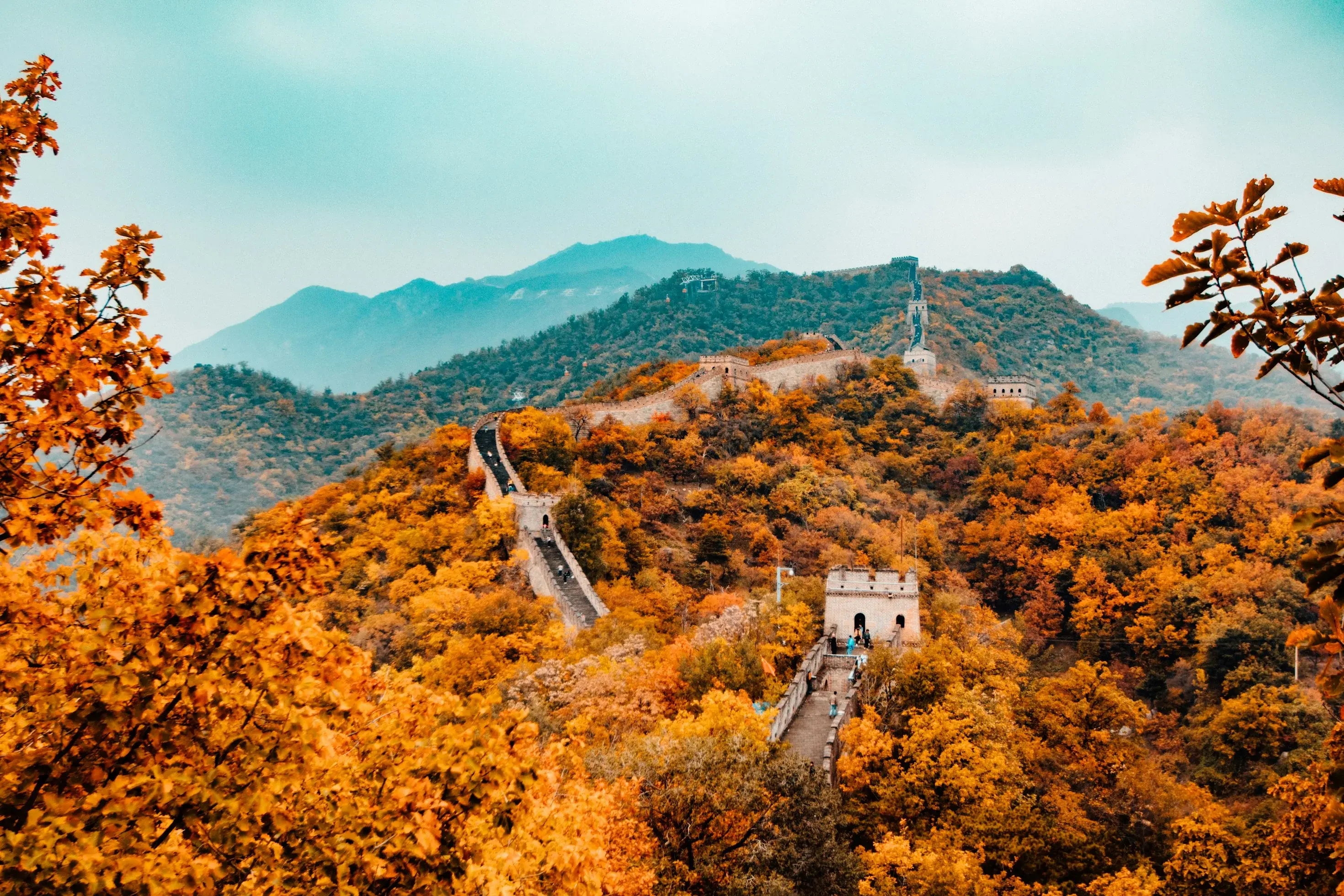
Arrival recovery, Tiananmen Square, selected hidden halls of the Forbidden City, roast duck lunch, Summer Palace, Temple of Heaven, and Mutianyu Great Wall.The Flexible Part
Forbidden City hidden halls are the premium Beijing layer here, adding palace stories beyond the standard central-axis route. Mutianyu descent can be cable car or toboggan.The Route Role
Beijing opens the long Silk Road with imperial scale before the journey turns west. It shows the court power, ritual order, and defensive worldview that framed China's contact with the frontier.Good to Know
Forbidden City access depends on passport-based ticketing and crowd control. Start Temple of Heaven early for local park life, then keep the Wall day paced around weather and queues.
Beijing and Xi'an open the trip with the imperial canon at access tiers most travellers never reach — hidden halls beyond the Forbidden City's standard six, and the Terracotta Conservation Lab where Qin relics still pass through restorers' hands.
The Core
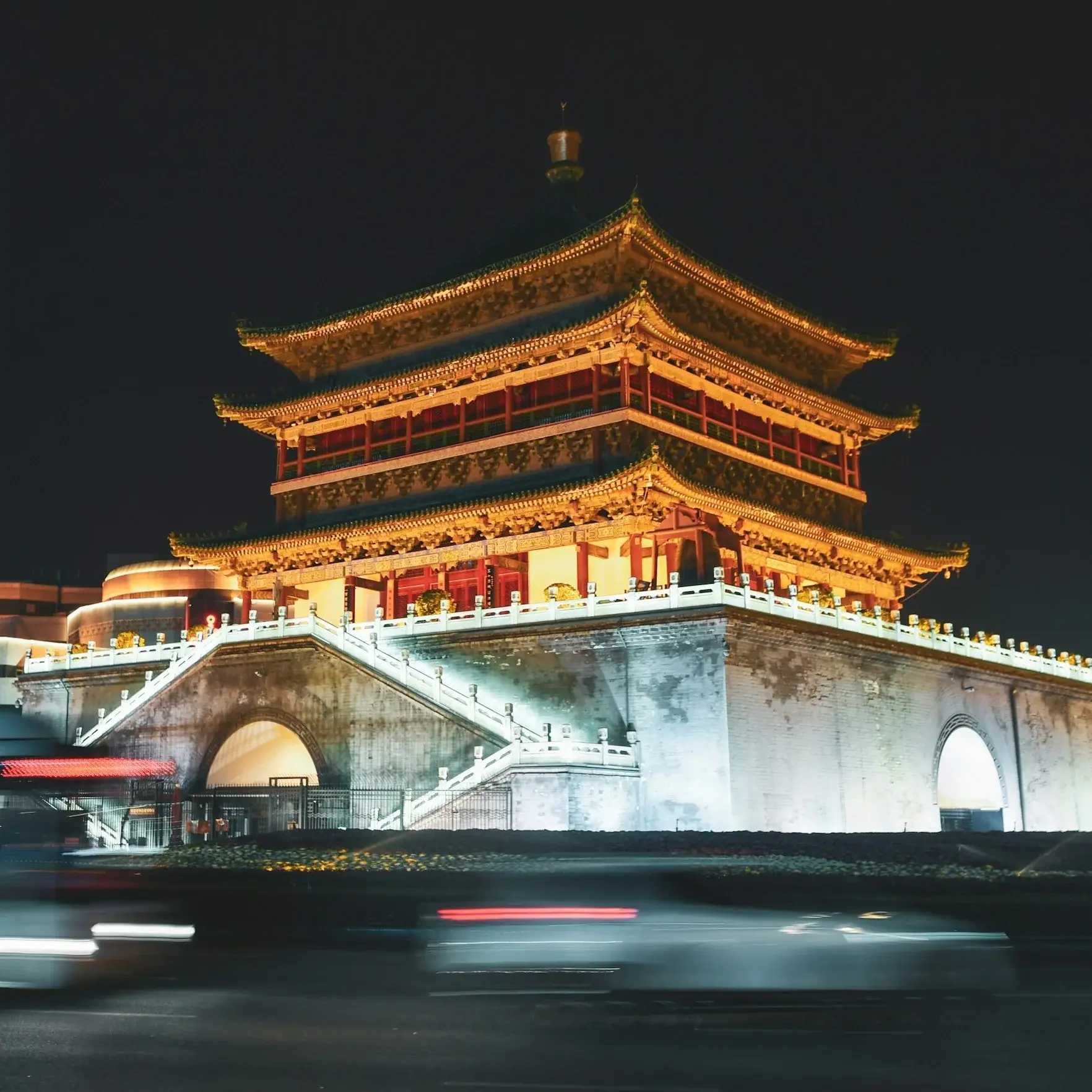
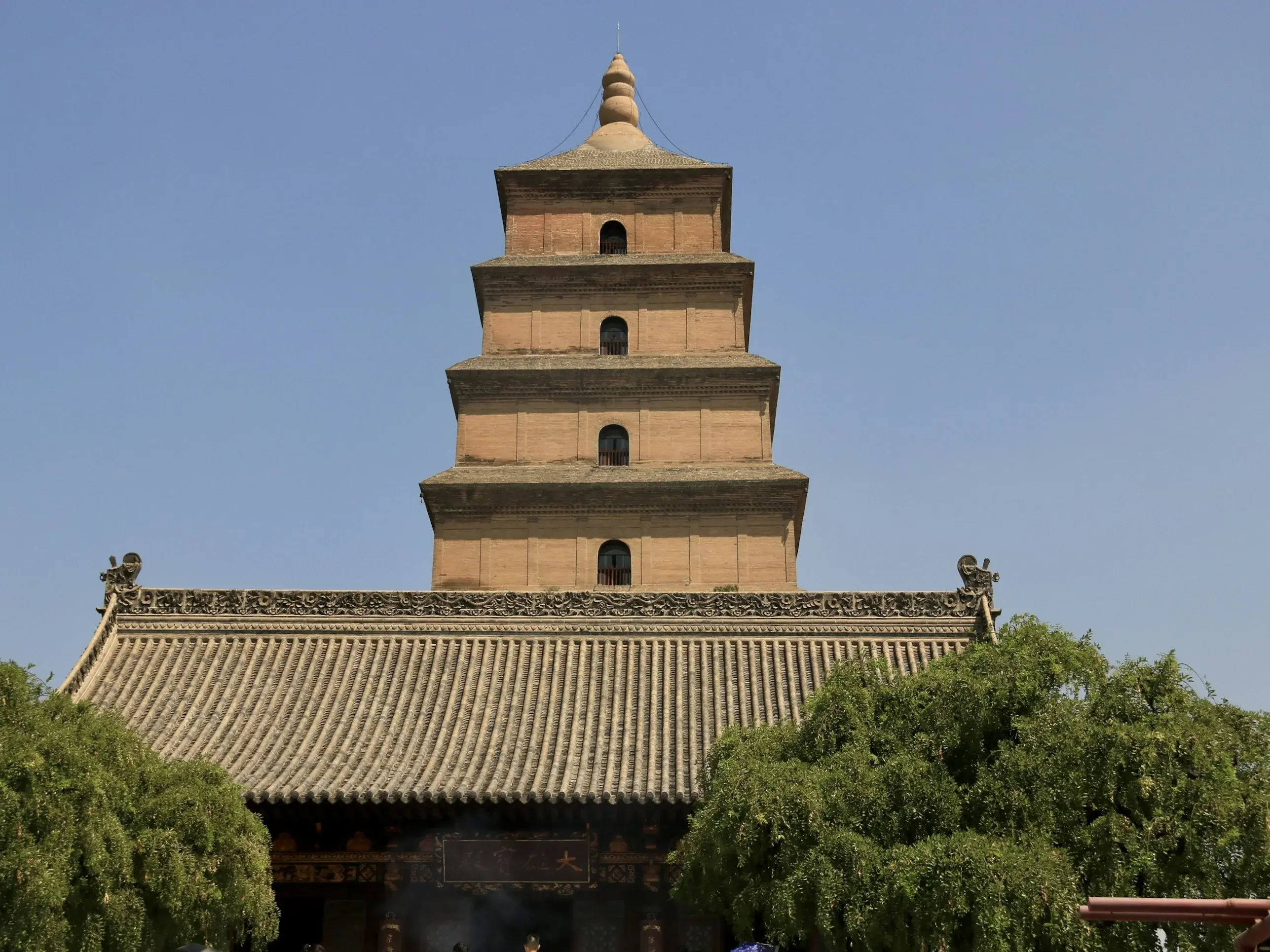
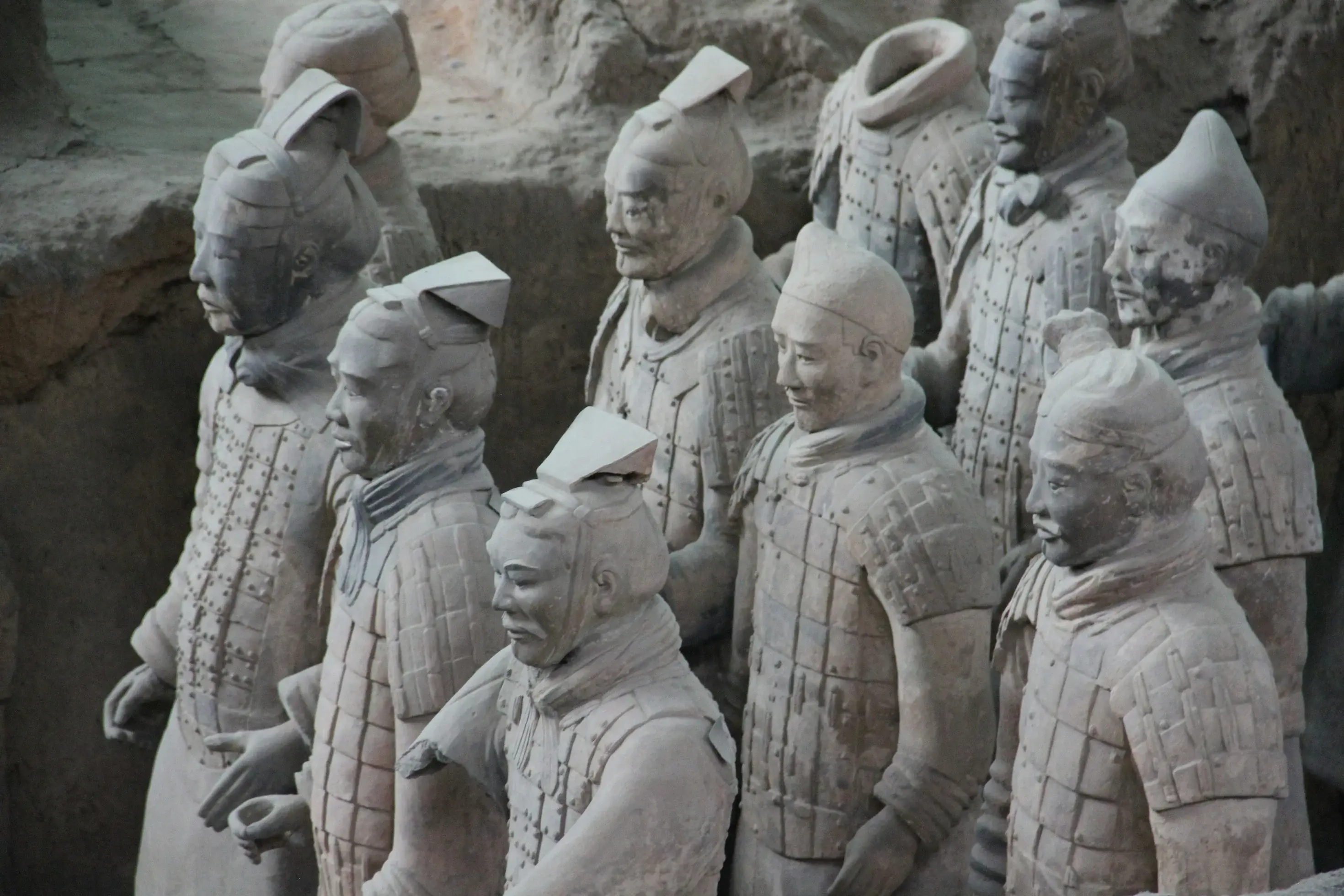
High-speed train arrival, Terracotta Warriors, Conservation Laboratory access, Big Wild Goose Pagoda context, Muslim Quarter flavors, and Tang-capital storytelling.The Flexible Part
Terracotta Conservation Lab is the distinctive upgrade: it turns the warriors from a viewing stop into a behind-the-scenes restoration story.The Route Role
Xi'an is the eastern door of the Silk Road. Qin craft, Tang Buddhism, and Hui food culture make the westward journey feel historically continuous rather than just scenic.Good to Know
The lab access is capacity-sensitive and should be confirmed early. Wear comfortable shoes for the museum hangars and keep the Muslim Quarter visit flexible around appetite and crowds.
3 Days · Rainbow Mountains and Mud-Slab Murals
The Hexi Corridor between Zhangye and Dunhuang is the Silk Road's spectacular landscape segment — Danxia rainbow ridges, the Wall's western terminus, and the world's most important Buddhist grotto network, all in a three-day arc.
The Core
Arrival from Xi'an, Zhangye Danxia Rainbow Mountains, elevated boardwalks, golden-hour photography, and Hexi Corridor desert geography.The Flexible Part
Rainbow Mountains are best kept for late afternoon, when the red, ochre, and pale sandstone bands read most clearly.The Route Role
Zhangye shifts the route from imperial cities to corridor landscape. The color ridges make the Hexi passage feel vast before the Wall terminus and grottoes appear farther west.Good to Know
Stay on the boardwalks; the Danxia surface is fragile. Weather affects color intensity, so build the day with some timing flexibility rather than a rushed photo stop.
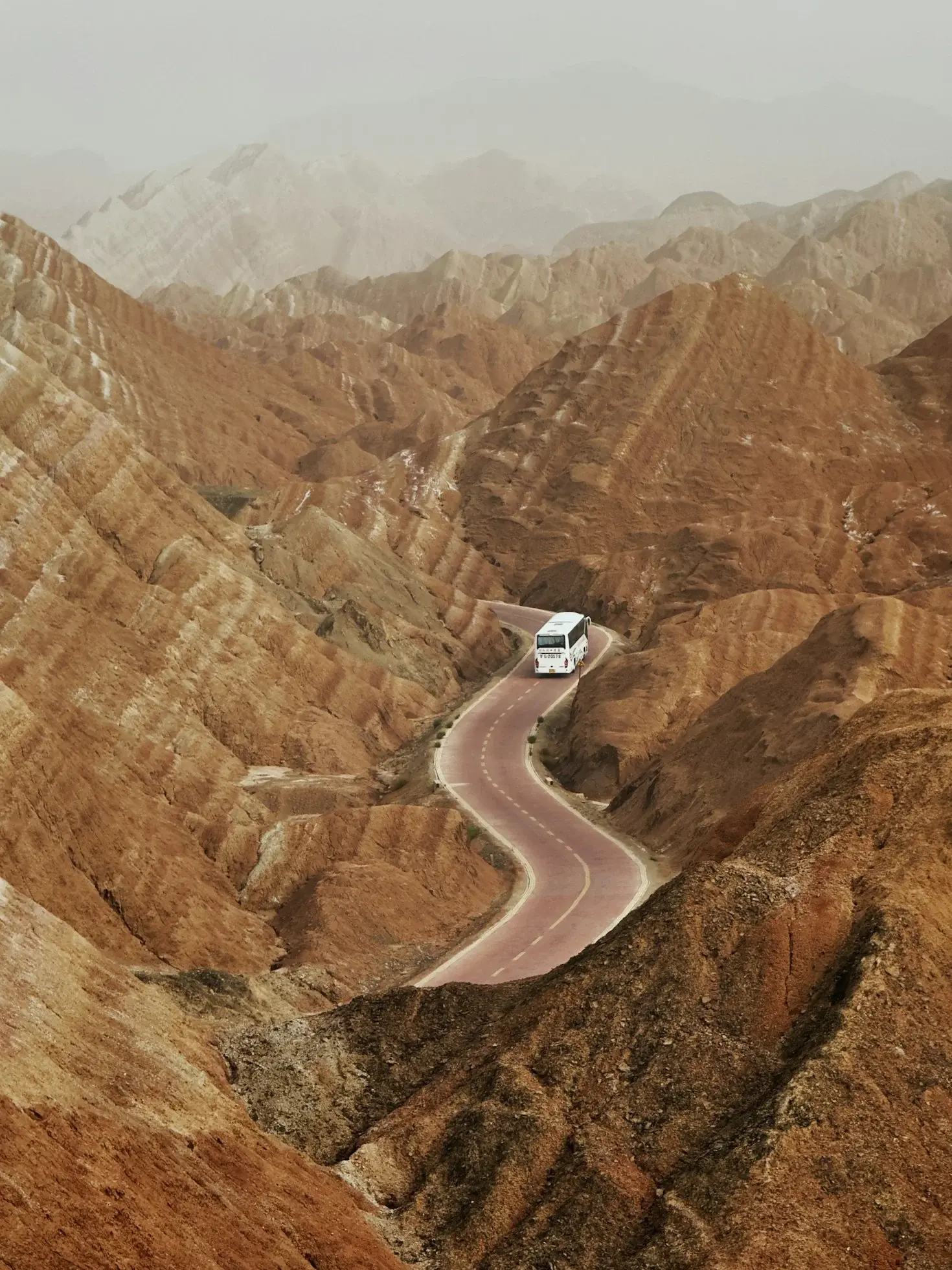
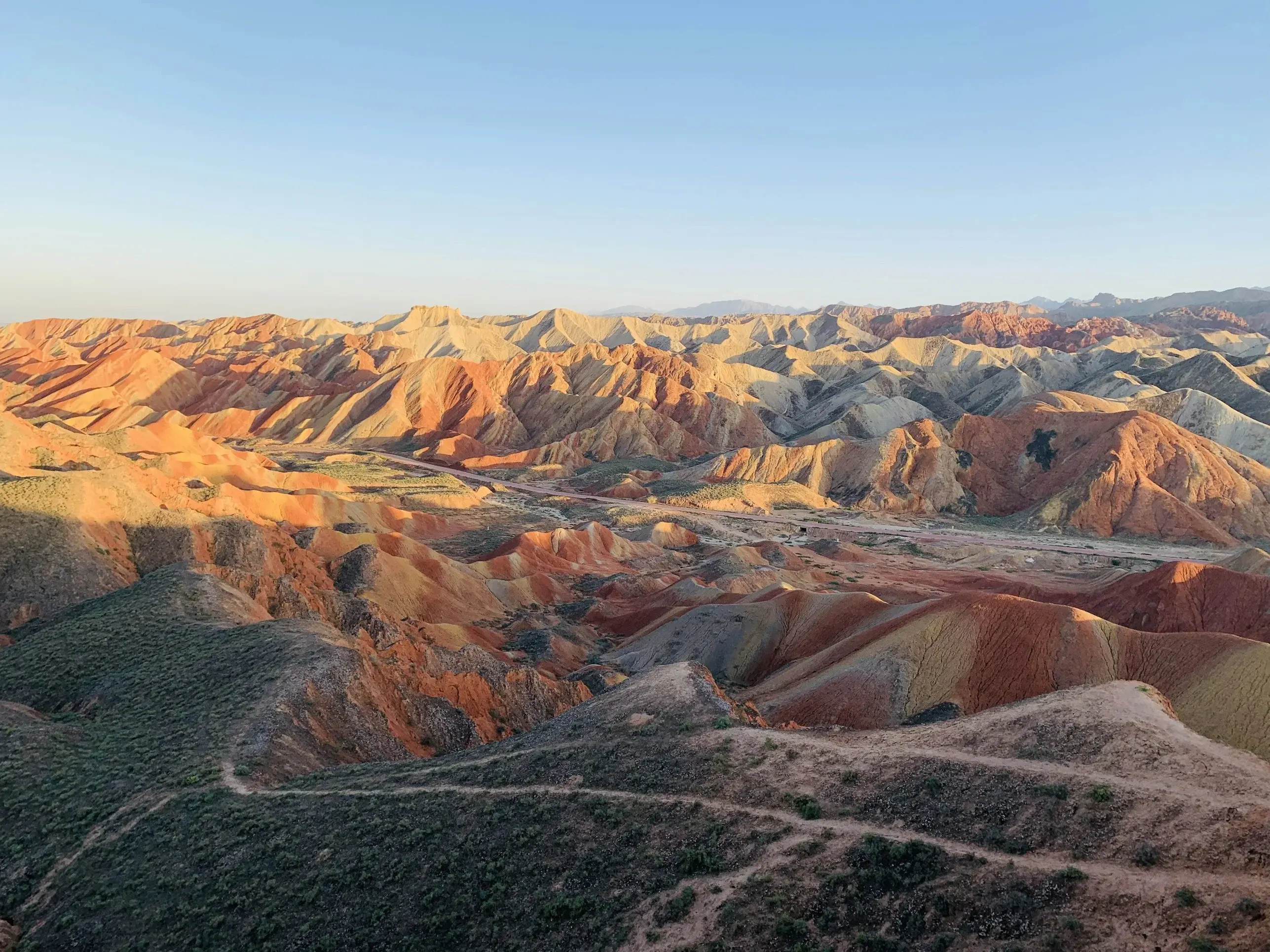
The Hexi Corridor between Zhangye and Dunhuang is the Silk Road's spectacular landscape segment — Danxia rainbow ridges, the Wall's western terminus, and the world's most important Buddhist grotto network, all in a three-day arc.
The Core
Jiayu Pass fortress, rammed-earth ramparts, watchtower views, Gobi approaches, and the westward transfer toward Dunhuang.The Flexible Part
Jiayu Pass is the key stop because it shows the Great Wall as frontier architecture rather than the stone ridges seen near Beijing.The Route Role
Jiayuguan marks the symbolic end of the old Wall world. It prepares the route for desert, caravans, cave temples, and the more open geography of the Silk Road.Good to Know
The drive west is long and exposed. Carry water, sun protection, and a layer for wind; Gobi weather can feel sharper than the temperature suggests.
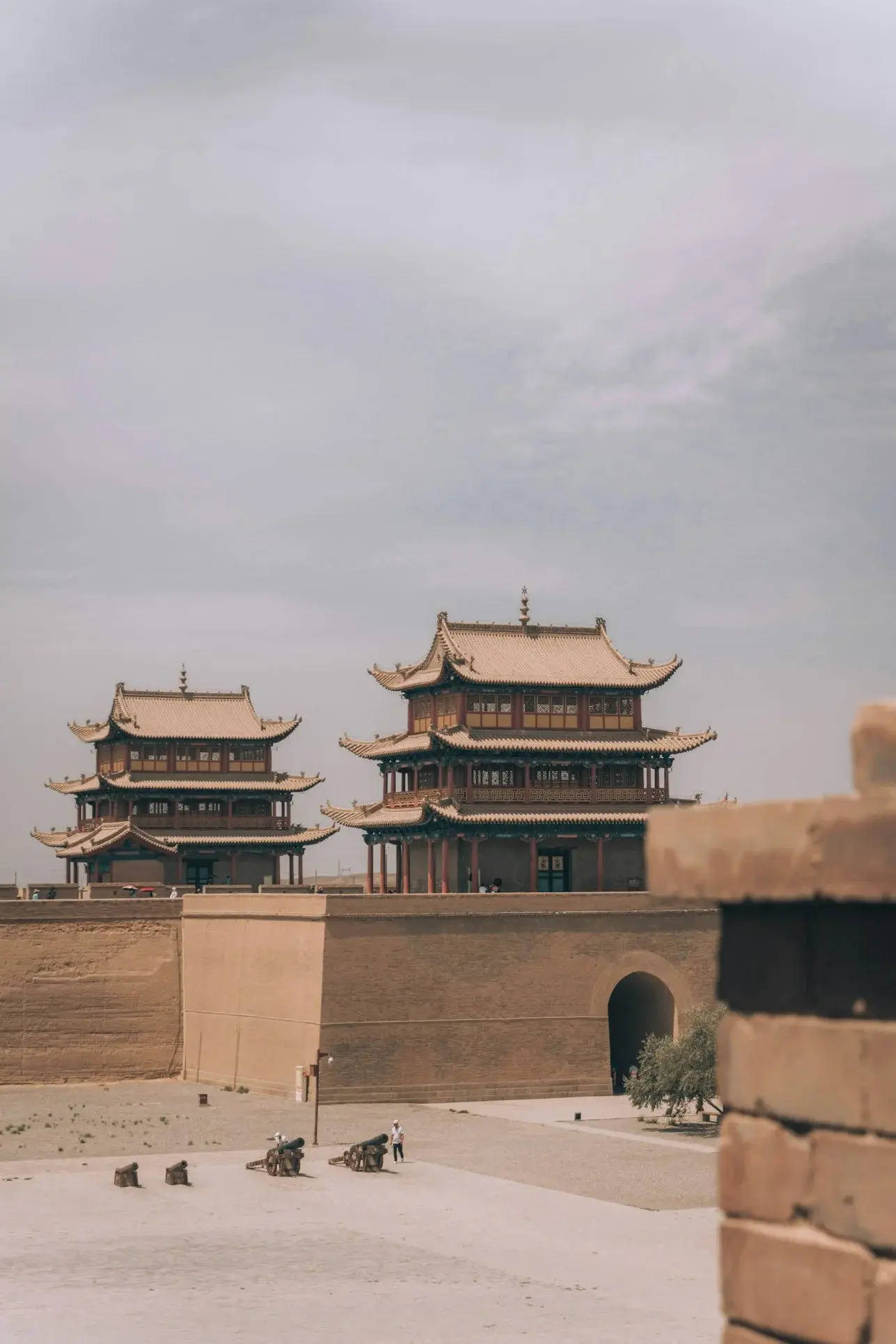
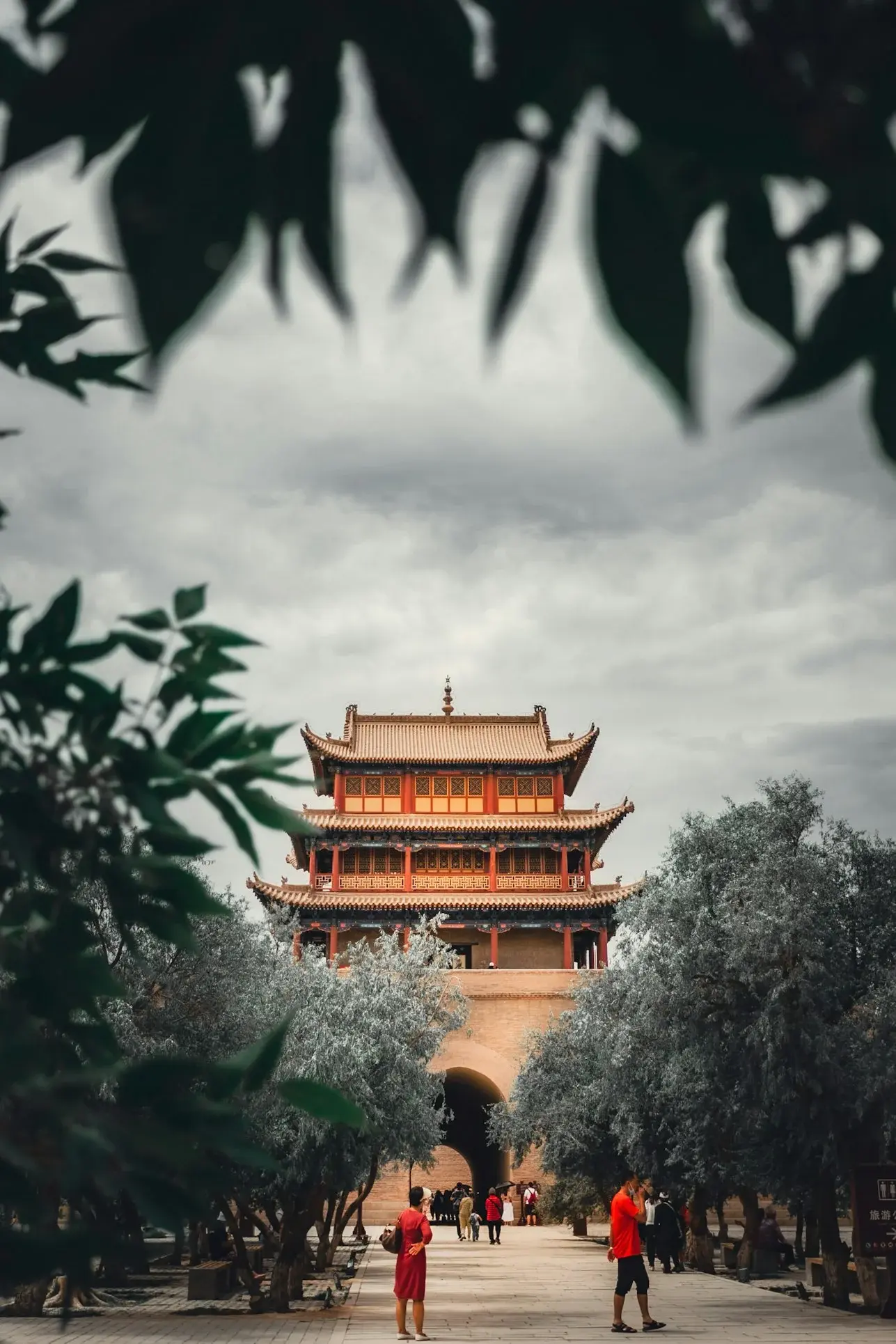
The Hexi Corridor between Zhangye and Dunhuang is the Silk Road's spectacular landscape segment — Danxia rainbow ridges, the Wall's western terminus, and the world's most important Buddhist grotto network, all in a three-day arc.
The Core
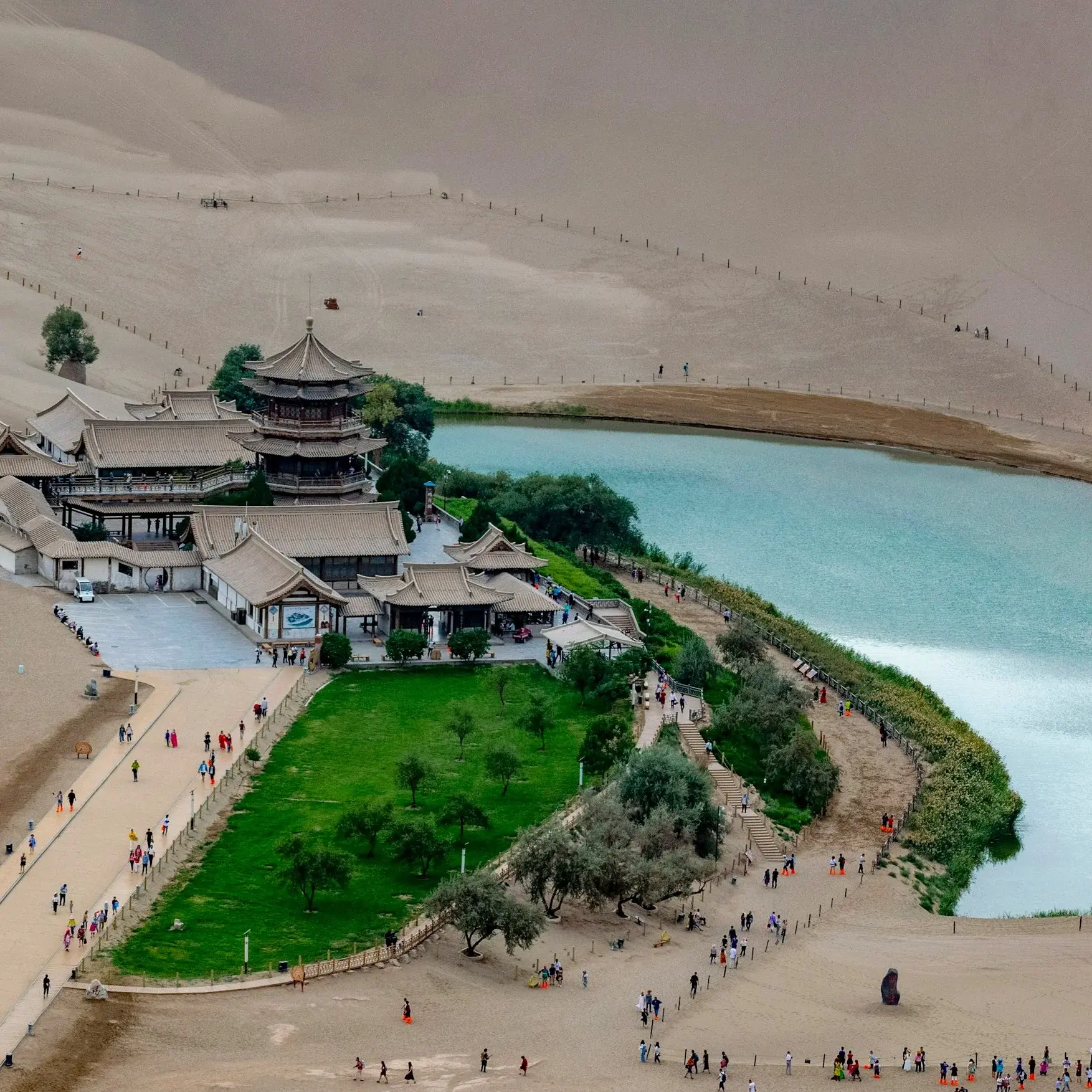
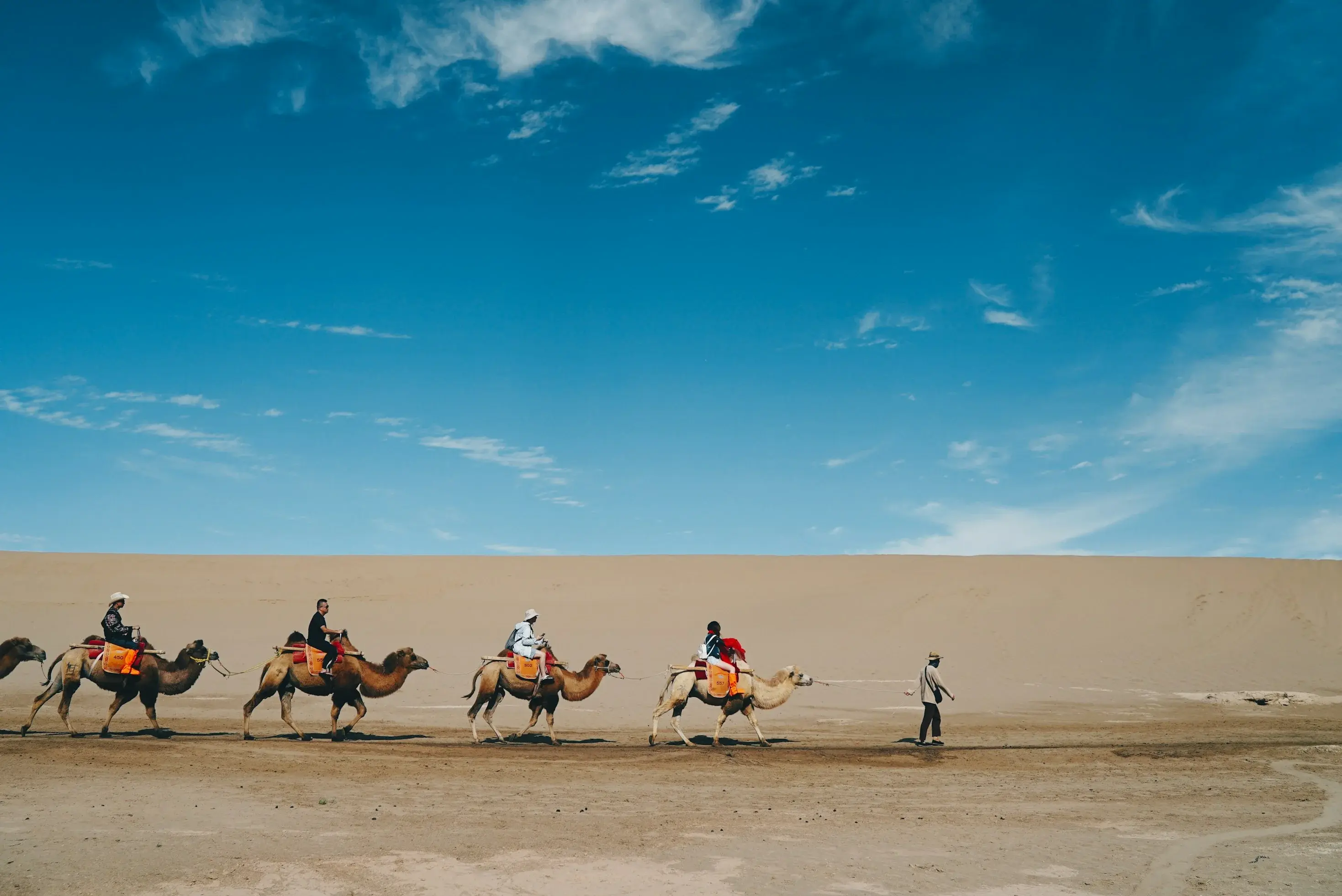
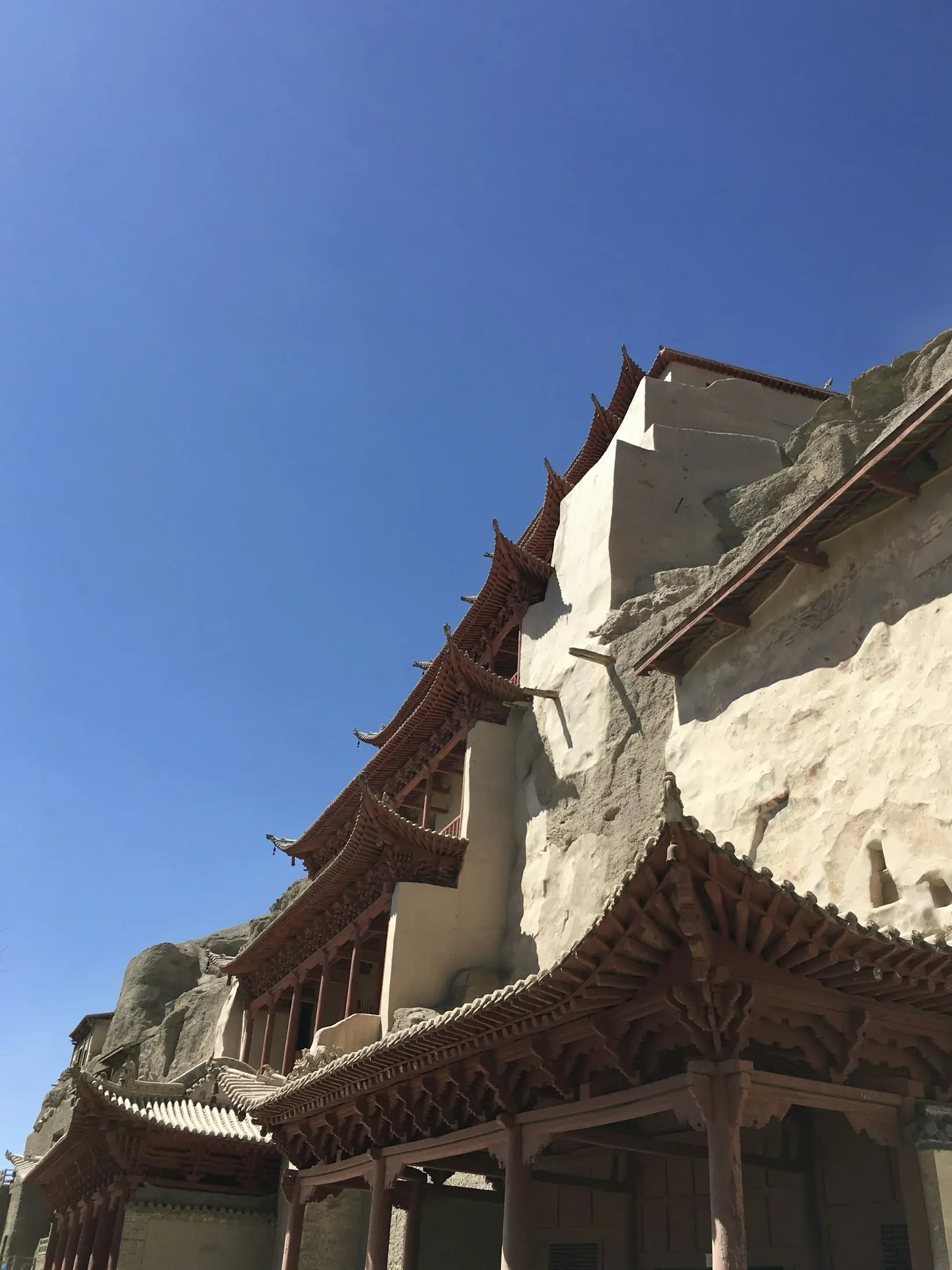
Mogao Caves, Dunhuang Research Institute mural workshop, Singing Sand Dunes, Crescent Moon Spring, and desert-edge oasis atmosphere.The Flexible Part
Mogao Caves are the irreplaceable cultural anchor. The mud-slab mural workshop adds a hands-on way to understand pigment, plaster, and conservation.The Route Role
Dunhuang is where the Silk Road becomes visual scripture: donor portraits, Buddhist stories, cave architecture, and desert survival all meet in one oasis.Good to Know
No photography is allowed inside protected caves. Dune walking is best near sunset, and workshop pieces should be packed carefully for the onward journey.
5 Days · Han-Era Walls to the Karakoram Highway
Turpan, Urumqi and Kashgar form the Silk Road's archaeological and ethnic heart — Han Dynasty Wall ruins, leaf-shaped fortress cities, Sunday Bazaars and Pamir alpine lakes between three distinct Uyghur cultural regions.
The Core
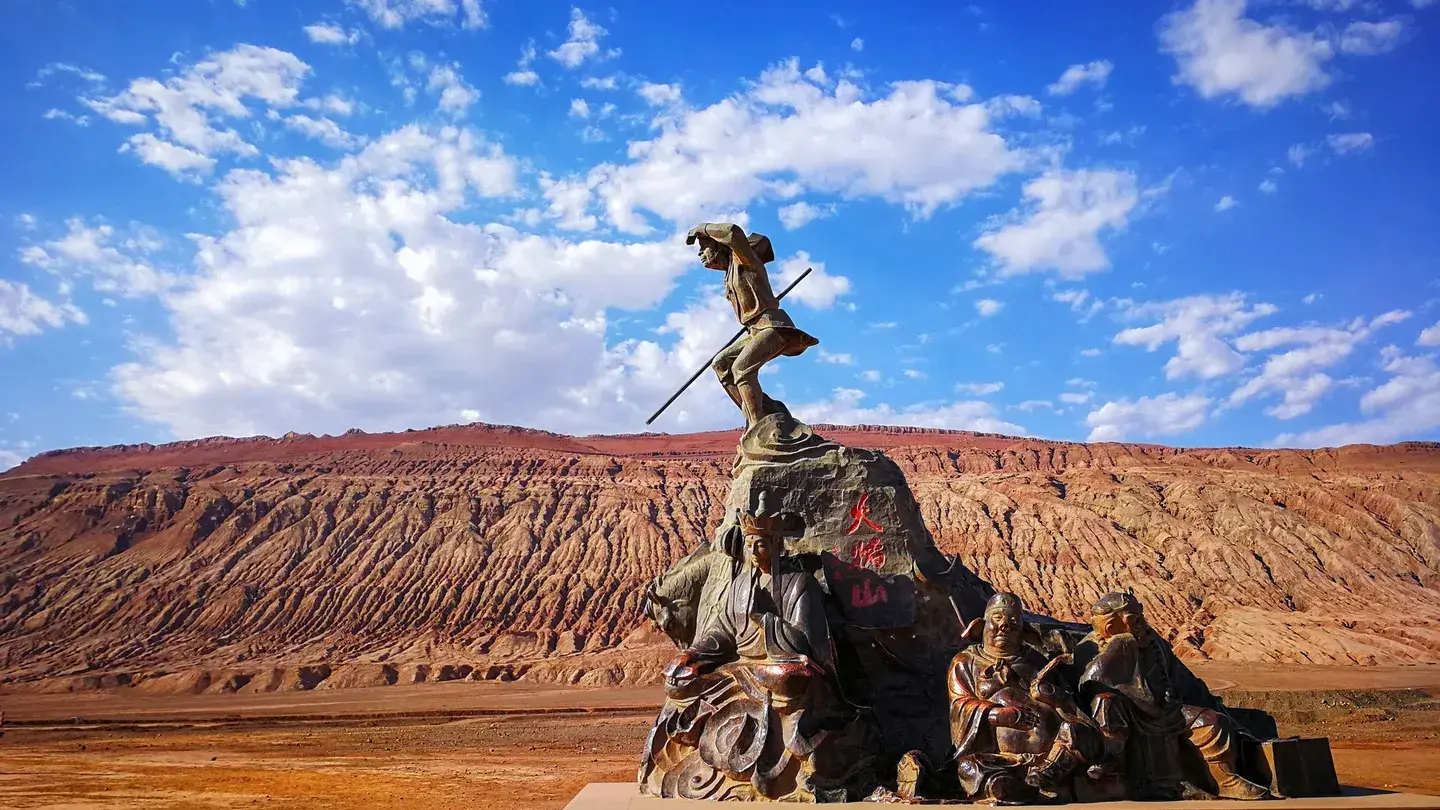
Han Dynasty wall traces, Karez Well System, Jiaohe Ancient City, Tuyugou Village, Flaming Mountains, and oasis agriculture.The Flexible Part
Jiaohe Ancient City gives the strongest archaeological walk, while the Karez system explains how this hot basin stayed habitable.The Route Role
Turpan shows the mechanics of oasis life. Water tunnels, fortress ruins, Uyghur village courtyards, and heat-shaped landscapes make trade-route survival concrete.Good to Know
Visit exposed ruins early. Summer heat can be intense, so keep shade breaks and water built into the day rather than treating them as afterthoughts.
Turpan, Urumqi and Kashgar form the Silk Road's archaeological and ethnic heart — Han Dynasty Wall ruins, leaf-shaped fortress cities, Sunday Bazaars and Pamir alpine lakes between three distinct Uyghur cultural regions.
The Core
Turpan Museum or Xinjiang museum context, Loulan mummy exhibits when available, Erdaoqiao Market, Uyghur quarter walking, and the flight onward to Kashgar.The Flexible Part
Erdaoqiao Market is useful for daily-life texture after archaeological sites. Museum depth can flex around flight timing and traveler energy.The Route Role
Urumqi works as a cultural and logistical bridge between Turpan's ruins and Kashgar's old-town life. It adds regional context before the far-west finale.Good to Know
Airport timing can dominate this day. Keep luggage and security checks simple, and let the guide adjust market time around the final flight schedule.
Turpan, Urumqi and Kashgar form the Silk Road's archaeological and ethnic heart — Han Dynasty Wall ruins, leaf-shaped fortress cities, Sunday Bazaars and Pamir alpine lakes between three distinct Uyghur cultural regions.
The Core
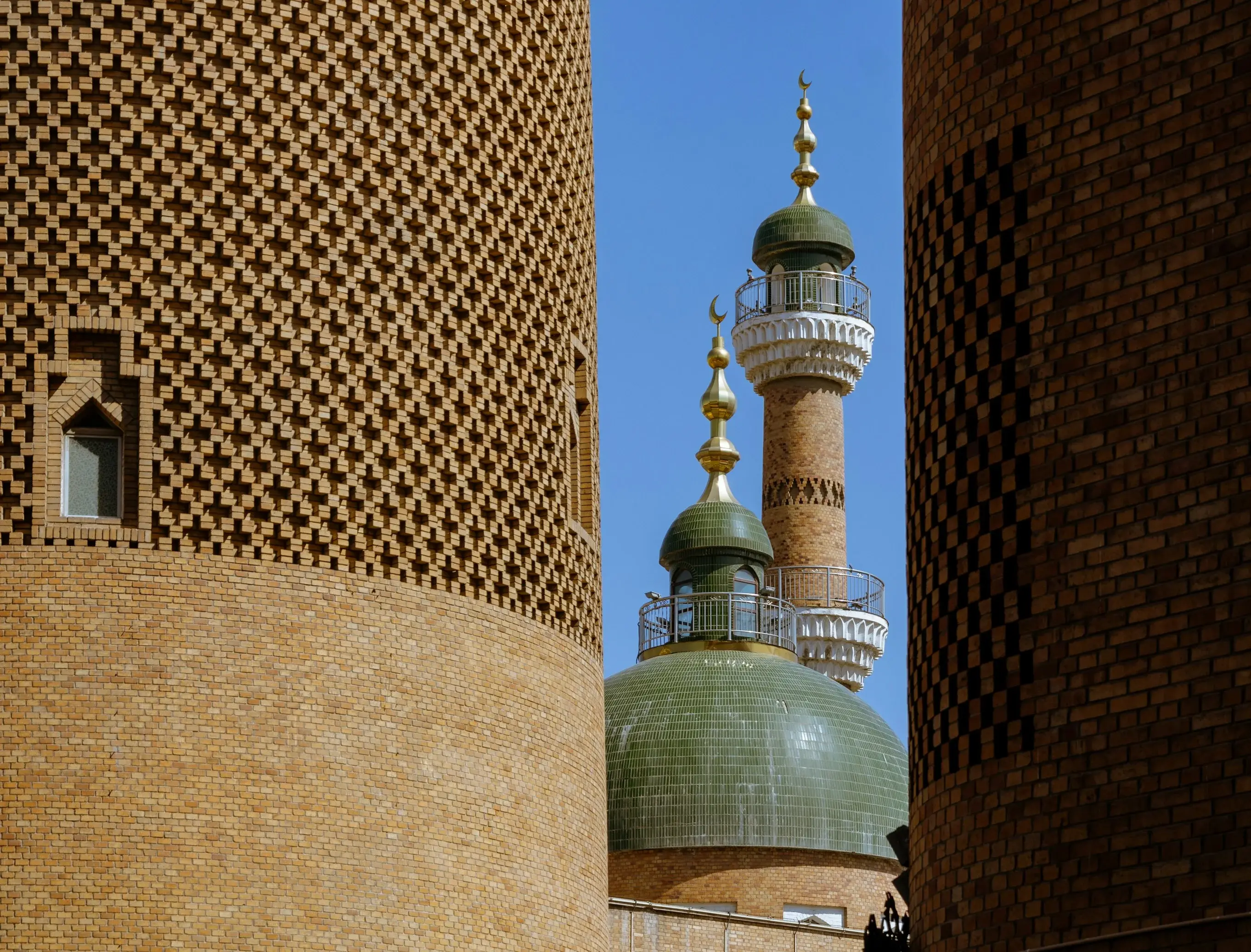
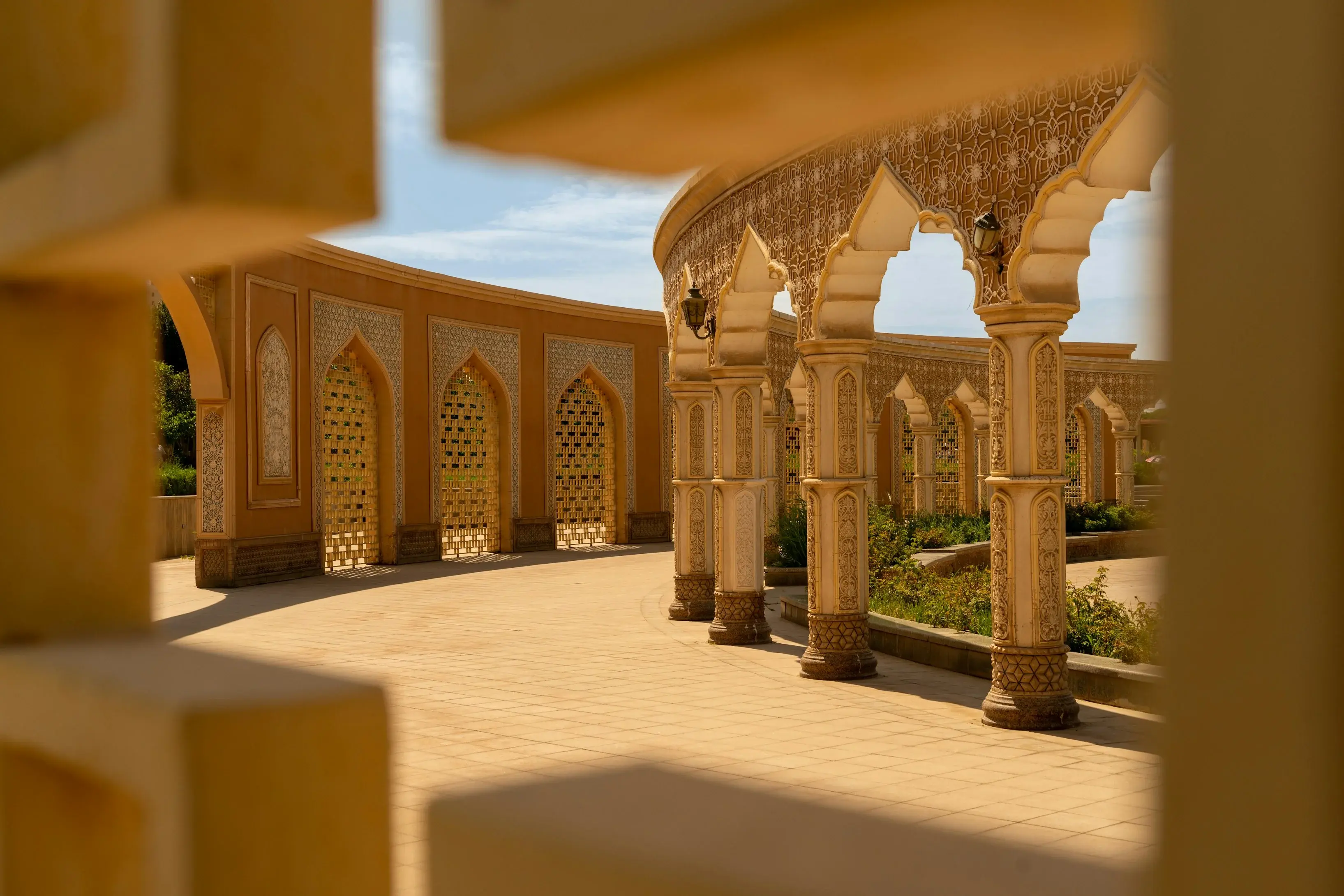
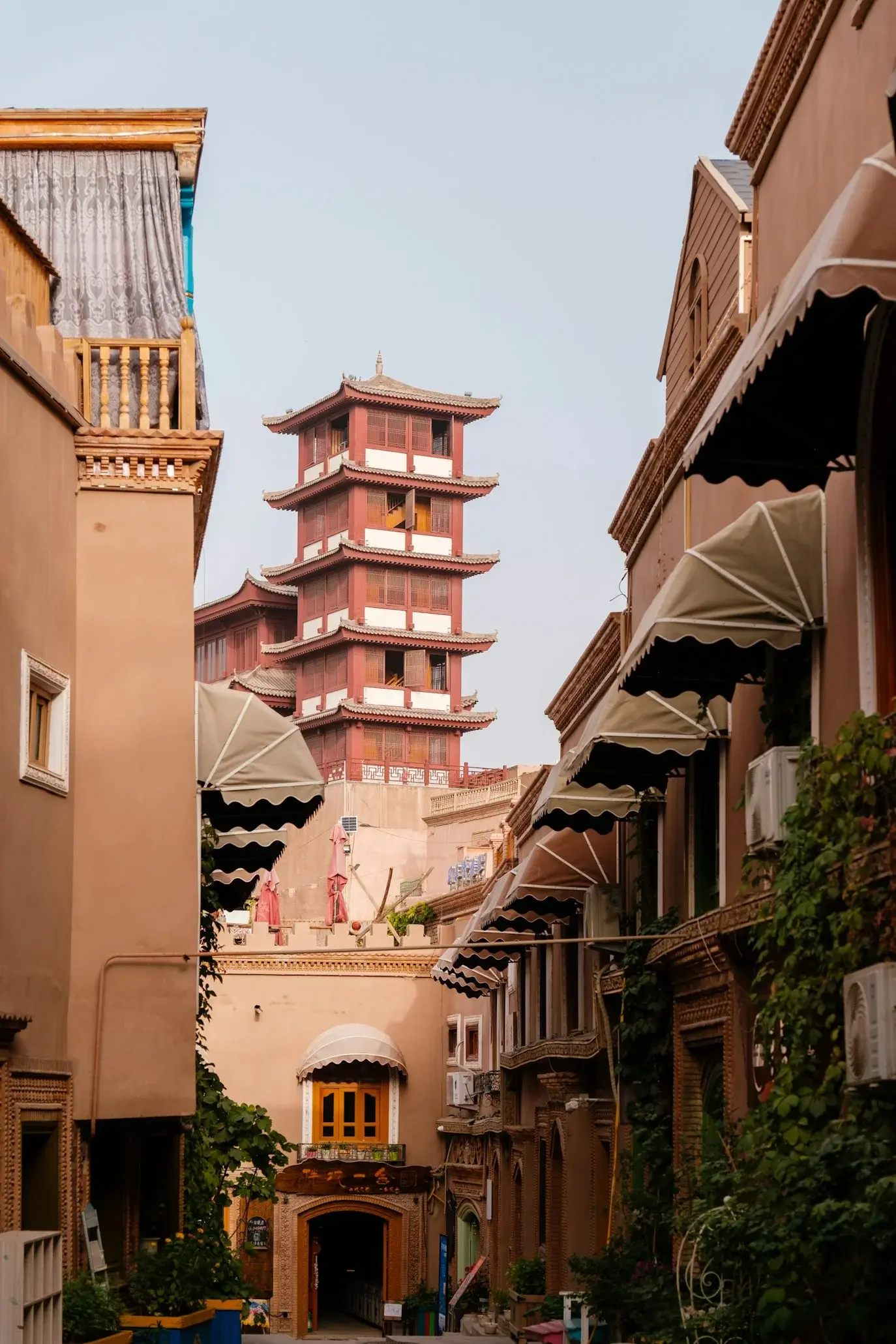
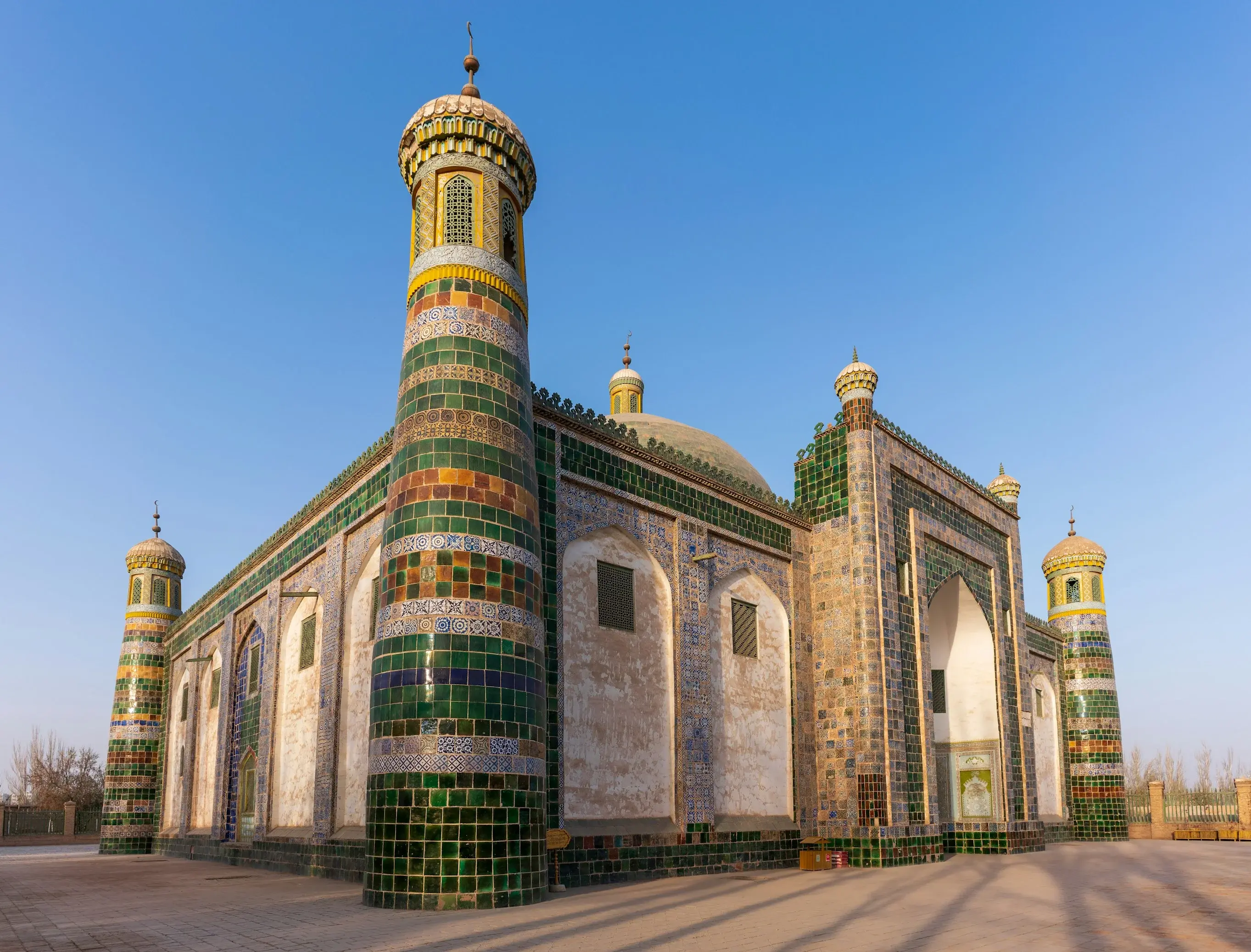
Id Kah Mosque, Kashgar Old Town, ancient teahouse, Handicraft Street, Sunday Bazaar, livestock market, and optional Pamir-side scenery depending on the route version.The Flexible Part
Sunday Bazaar is the headline when timing matches. If not, the teahouse, coppersmiths, mosque area, and old lanes still carry the city's Central Asian rhythm.The Route Role
Kashgar is the Silk Road climax: Islamic architecture, Uyghur craft, market exchange, and frontier distance all become immediate after the long westward build.Good to Know
The livestock market is Sunday-specific and starts early. Dress respectfully near religious sites and expect security checks in public areas.
7 Days · Bamboo Feeding to the Bund
Chengdu, Zhangjiajie and Shanghai close the trip with the southwest's giant pandas, the Avatar floating mountains of Wulingyuan, and the contemporary Bund — the landscape arc's three most photographed Chinese icons in a single seven-day finale.
The Core
Flight from Kashgar via Urumqi, Chengdu arrival, Giant Panda Research Base, bamboo-feeding hour, and a relaxed Sichuan-city reset before Zhangjiajie.The Flexible Part
Giant Panda Research Base should be visited early, when pandas are feeding and active. Afternoon can stay light after the long Xinjiang flight.The Route Role
Chengdu softens the route after the far-west intensity. Pandas, slower meals, and Sichuan ease create a human pause before the landscape finale.Good to Know
Pandas usually sleep by late morning or afternoon. Start early, keep expectations realistic in hot weather, and avoid overloading the post-flight day.

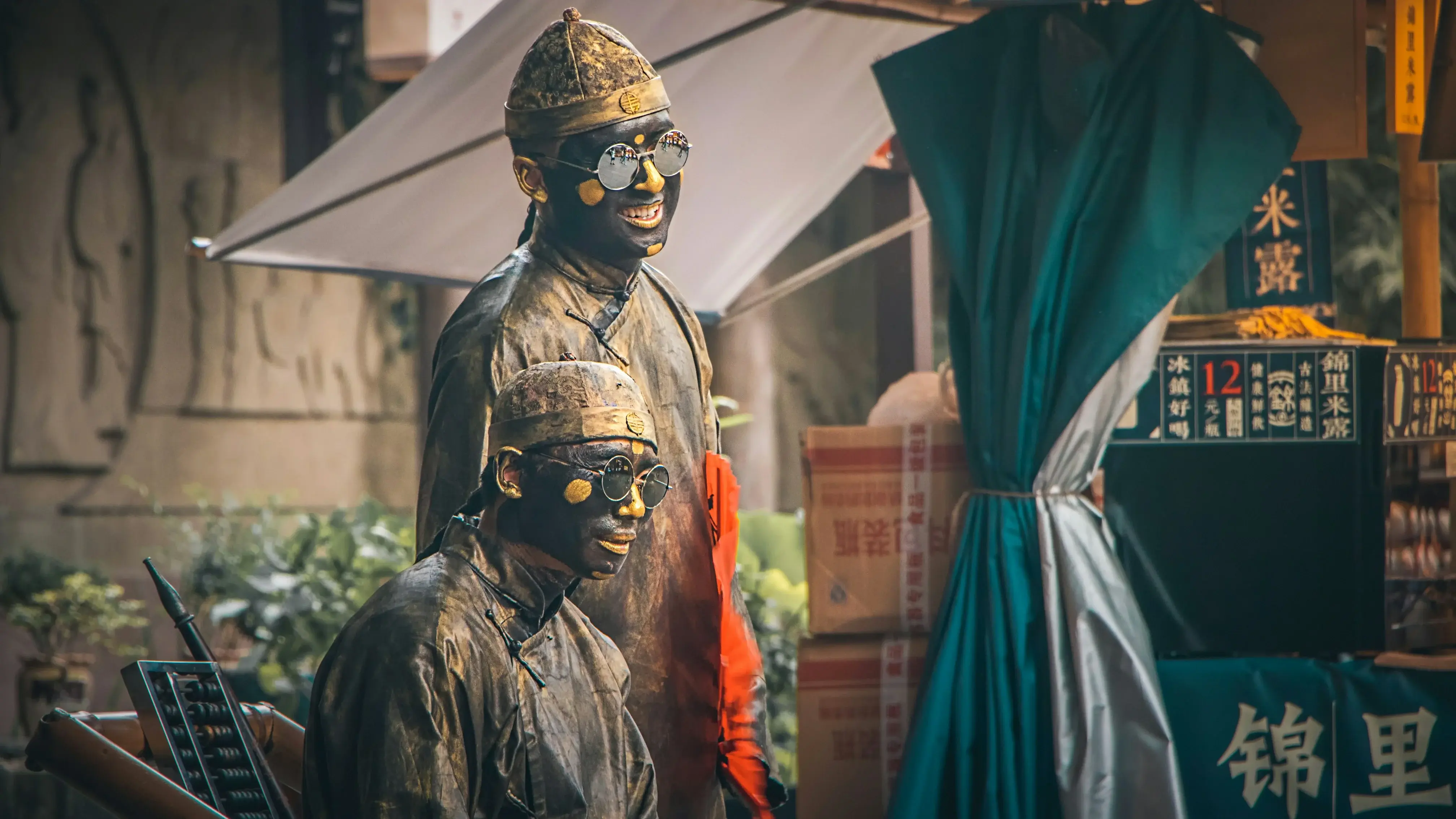

Chengdu, Zhangjiajie and Shanghai close the trip with the southwest's giant pandas, the Avatar floating mountains of Wulingyuan, and the contemporary Bund — the landscape arc's three most photographed Chinese icons in a single seven-day finale.
The Core
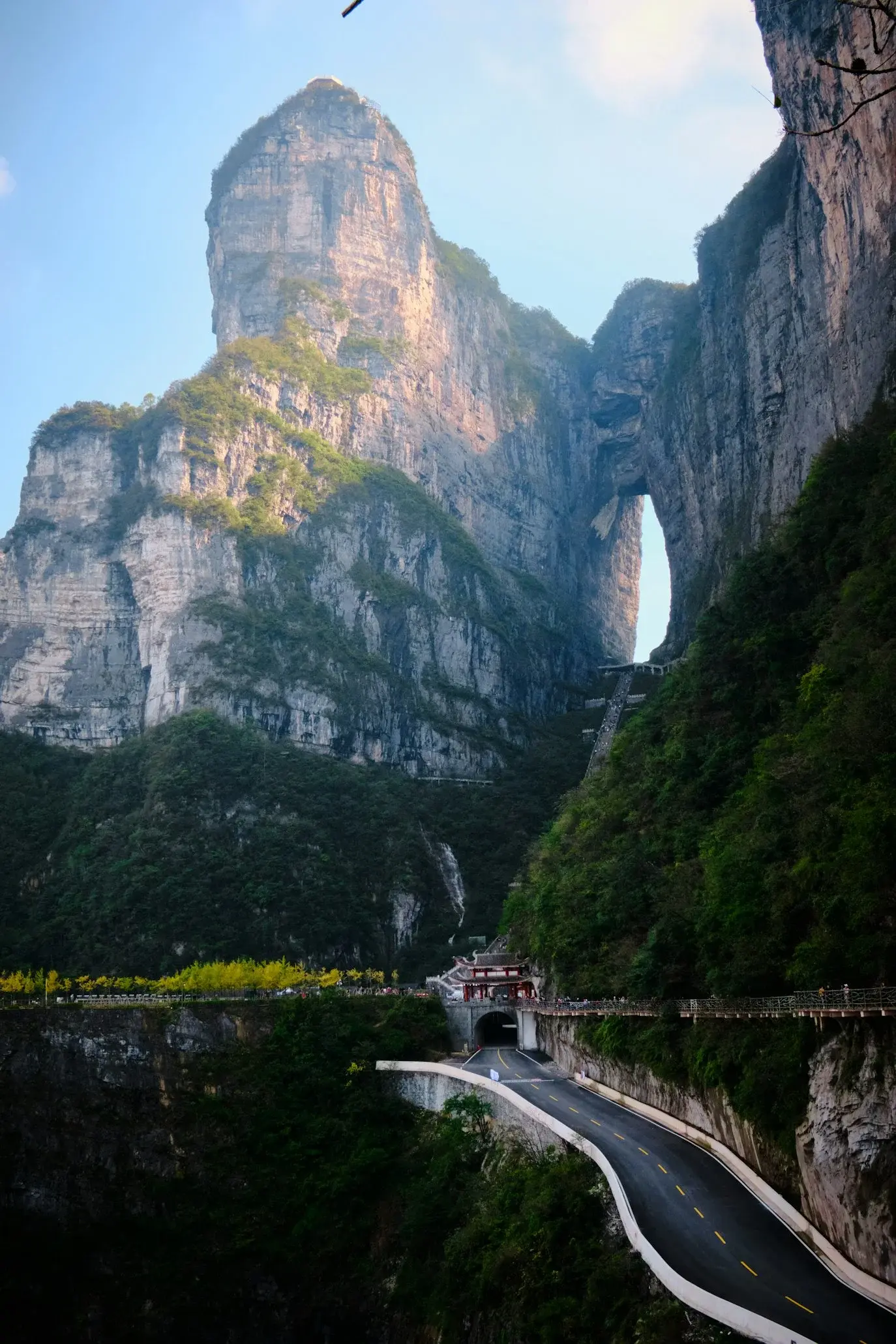
Tianmen Mountain cable car, Heaven's Gate, cliff skywalks, Wulingyuan pillars, Bailong Elevator VIP access, Grand Canyon Glass Bridge, and Yellow Dragon Cavern.The Flexible Part
Wulingyuan is the essential scenic core. Glass walks, bridge time, and cave depth should be adjusted around heights, crowds, and weather.The Route Role
Zhangjiajie turns the finale into pure vertical drama. After deserts and oasis towns, sandstone pillars and cliff roads create the route's most cinematic nature chapter.Good to Know
Fog can hide or enhance the views. Queue-skip arrangements save serious time, and travelers uncomfortable with heights should discuss alternatives before the day starts.
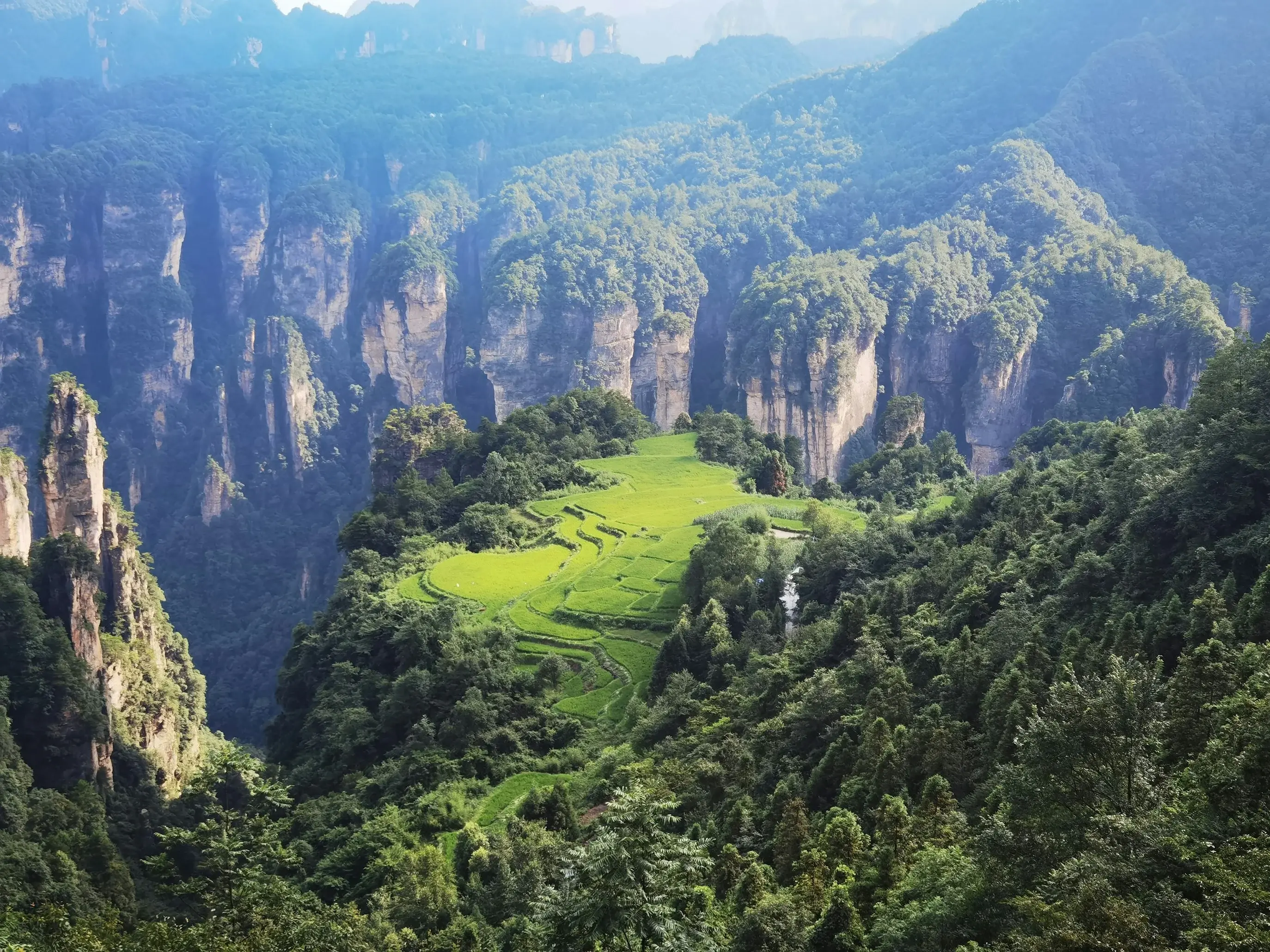
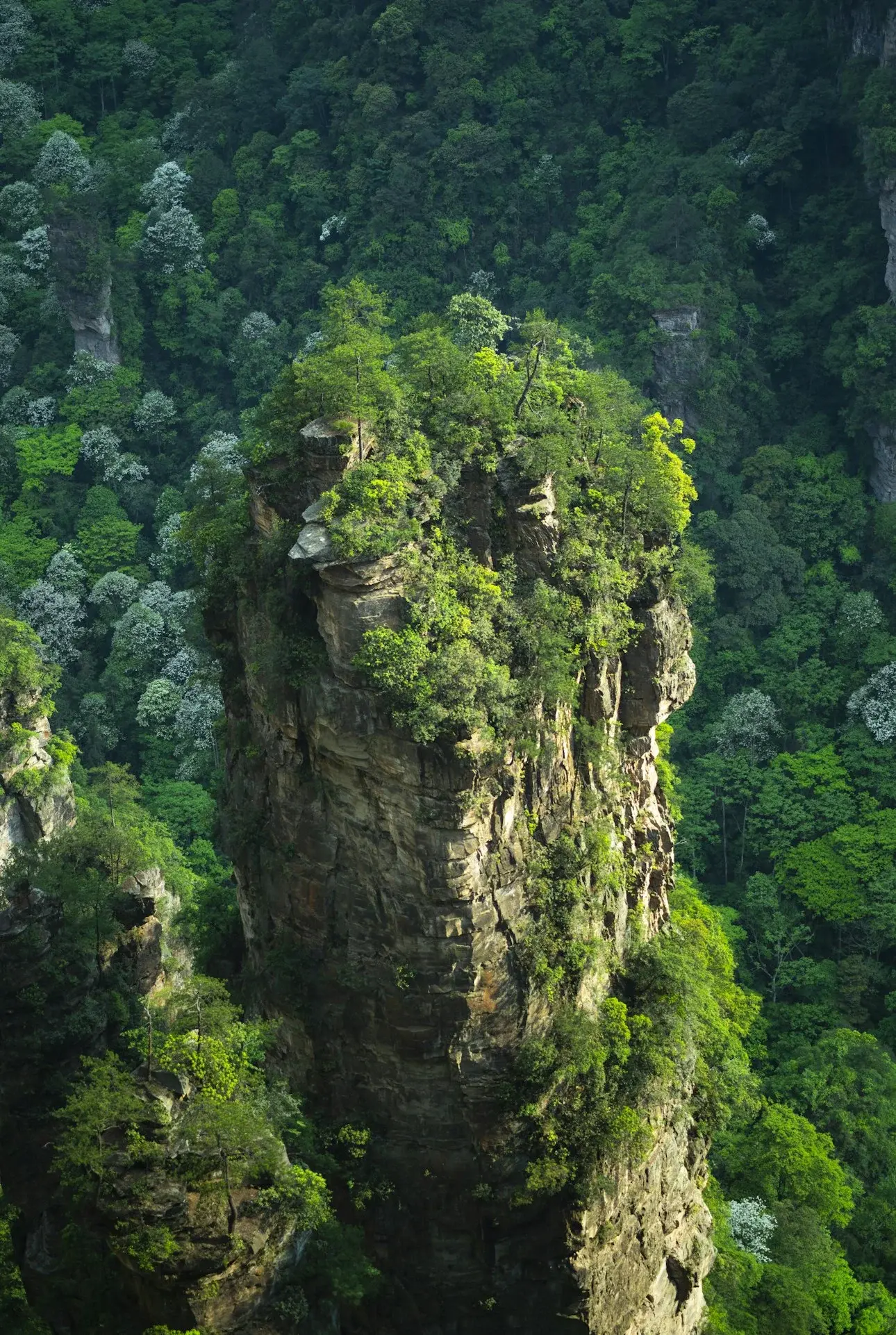
Chengdu, Zhangjiajie and Shanghai close the trip with the southwest's giant pandas, the Avatar floating mountains of Wulingyuan, and the contemporary Bund — the landscape arc's three most photographed Chinese icons in a single seven-day finale.
The Core
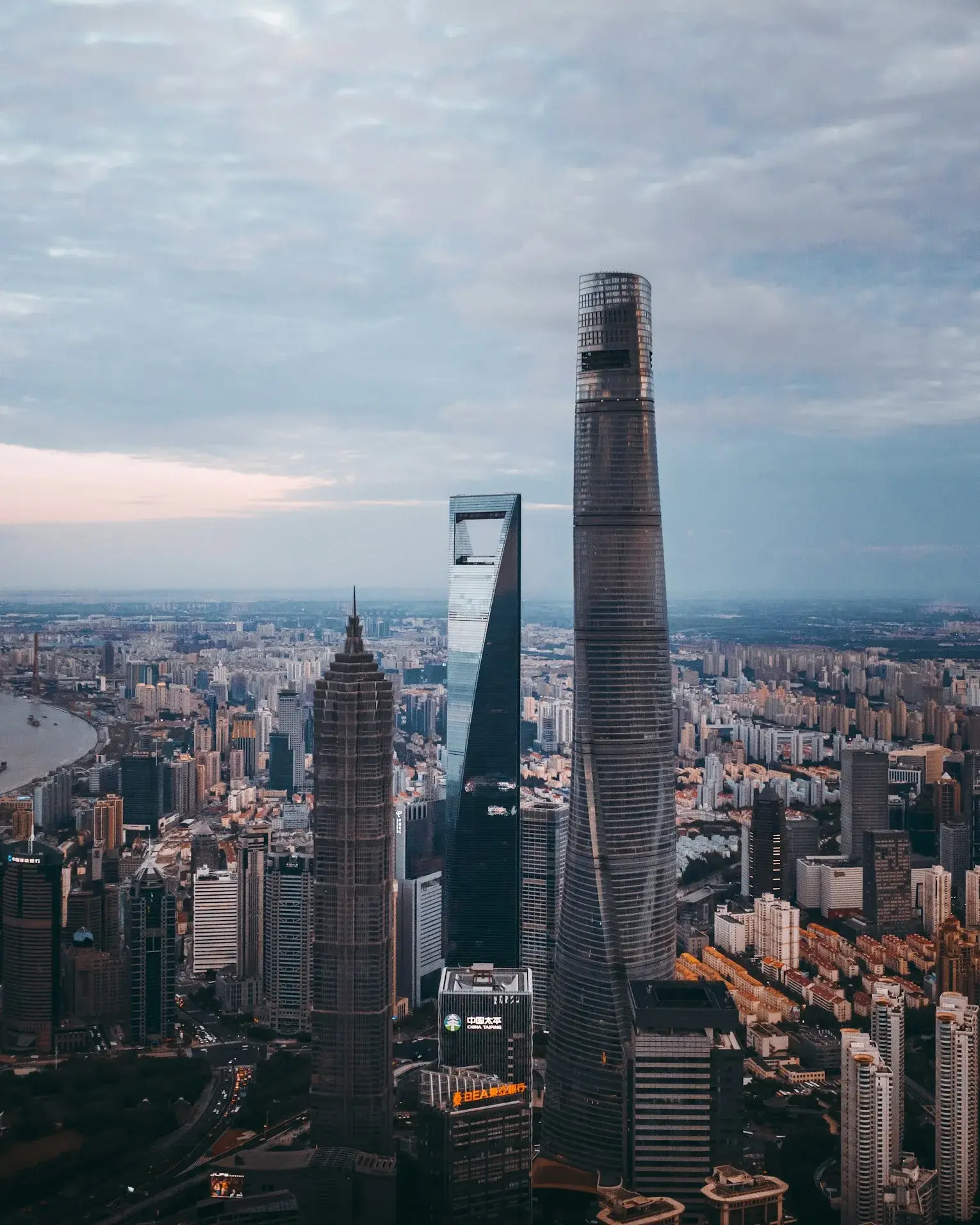
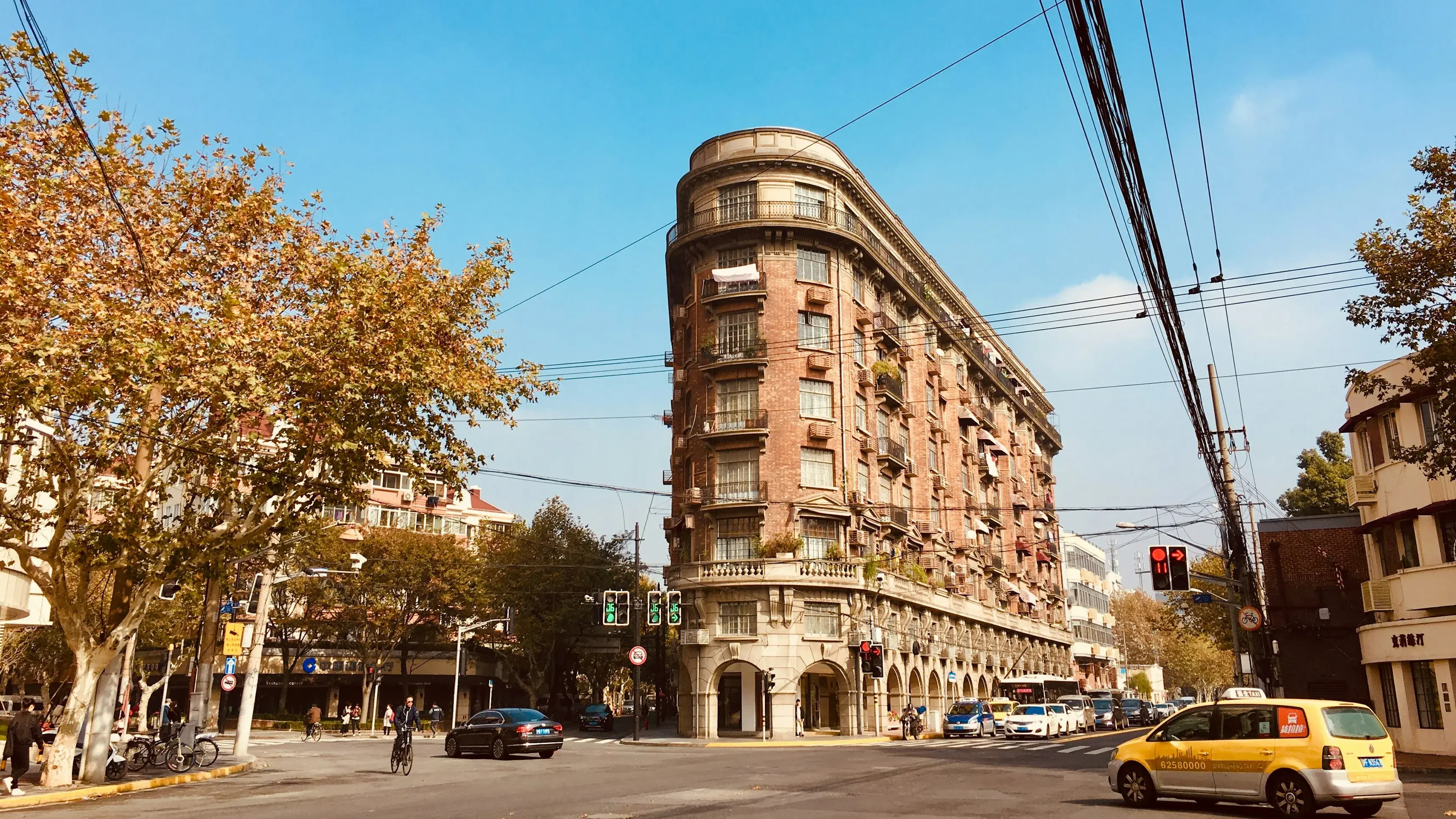
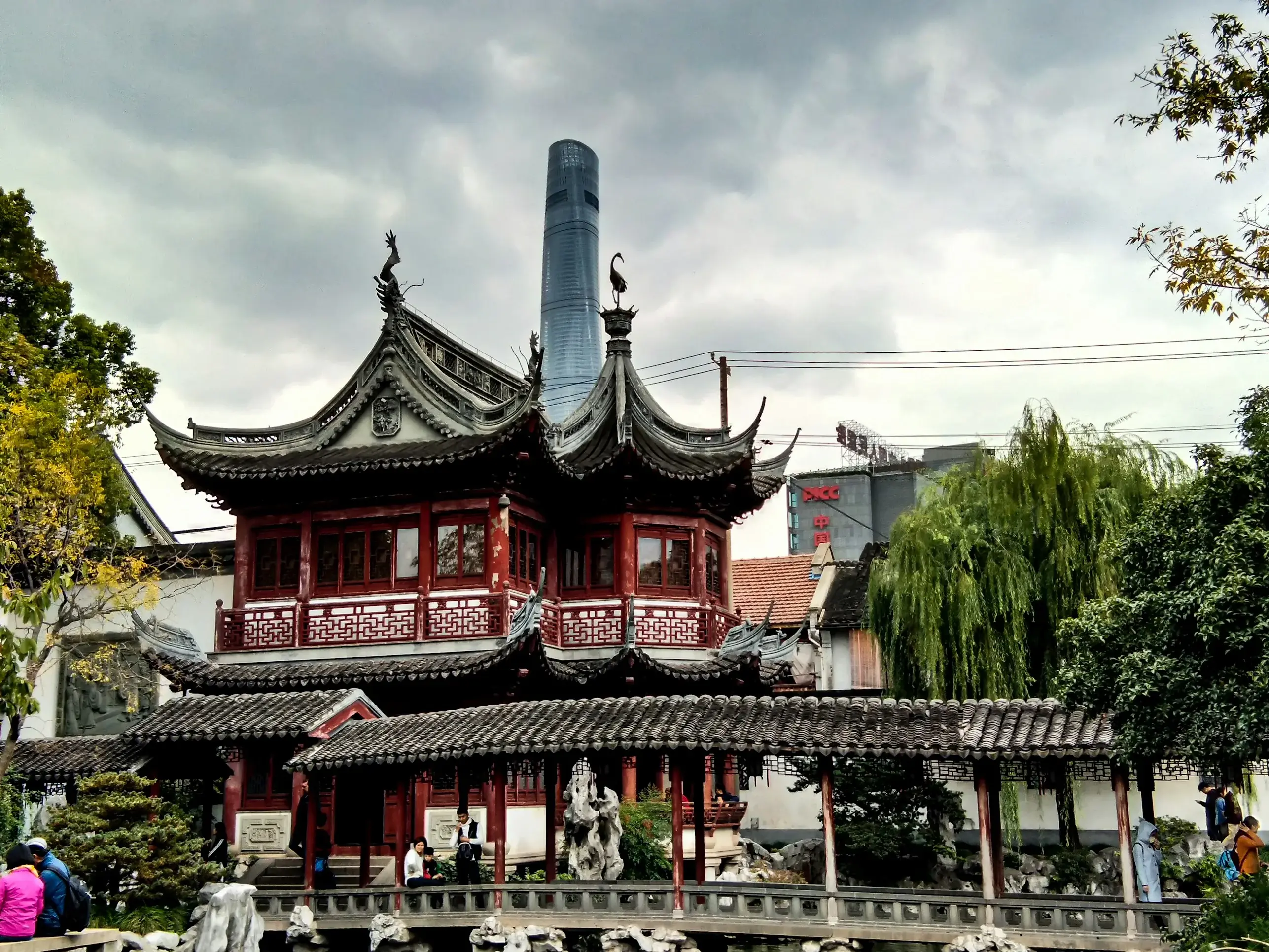
Yu Garden, Yuyuan bazaar, the Bund, colonial waterfront architecture, Pudong skyline, optional Shanghai Museum, and departure transfer.The Flexible Part
The Bund works best at blue hour, when both the art deco facades and Pudong towers are lit. Museum or tower time can flex around flights.The Route Role
Shanghai closes the long overland story with a modern coastal contrast. It brings the journey from caravan corridors and mountain parks back to global China.Good to Know
Bund evenings draw crowds, so timing matters. Keep the final day lighter if international departure is same-day or early the next morning.
Free PDF
We’ll send this itinerary guide to your inbox for free.
No spam, ever. Unsubscribe anytime.
Talk to Jason
From itinerary details to practical travel prep, if there’s anything you’d like to clarify, we’re happy to talk it through with you first.
Quick question
Drop us a note — we reply within 24 hours.
Concierge de Ruta Privada en China
“Un mostrador de planificación bilingüe para viajes por China a medida.”
Nuestro equipo en China ajusta el ritmo, los hoteles y los anfitriones locales según cada estilo de ruta.
Antes de reservar
En la carretera
No template. No group you didn't choose. Just one specialist, building your trip from scratch.
Step 01
Not your dates and budget — your curiosity. Where have you always wanted to go? What do you want to feel? We start there.
24h
First concept delivered
Step 02
Your specialist builds the itinerary from scratch — routes, hosts, hotels, and experiences you won't find anywhere else.
100%
Bespoke, never off-the-shelf
Step 03
When the plan feels right, a 10% deposit holds your entire trip. Balance due 30 days before departure.
10%
Deposit to secure everything
Step 04
Your Trip Pack arrives before you fly. On the road, your concierge is one message away — for the expected and everything you didn't plan for.
24/7
Support throughout your journey







Sin presión. Explora nuestros viajes o habla con una persona real. De cualquier modo, tu bandeja de entrada queda limpia.


