



 18 días China, de principio a fin Pekín → Xi'an → Chuanzhusi → Jiuzhaigou → Chengdu → Zhangjiajie → Guilin → Yangshuo → Shenzhen Desde $6,360 Ver ruta
  8 días Agua pausada, ciudad veloz Shanghái → Yangshuo → Shenzhen Desde $2,350 Ver ruta
 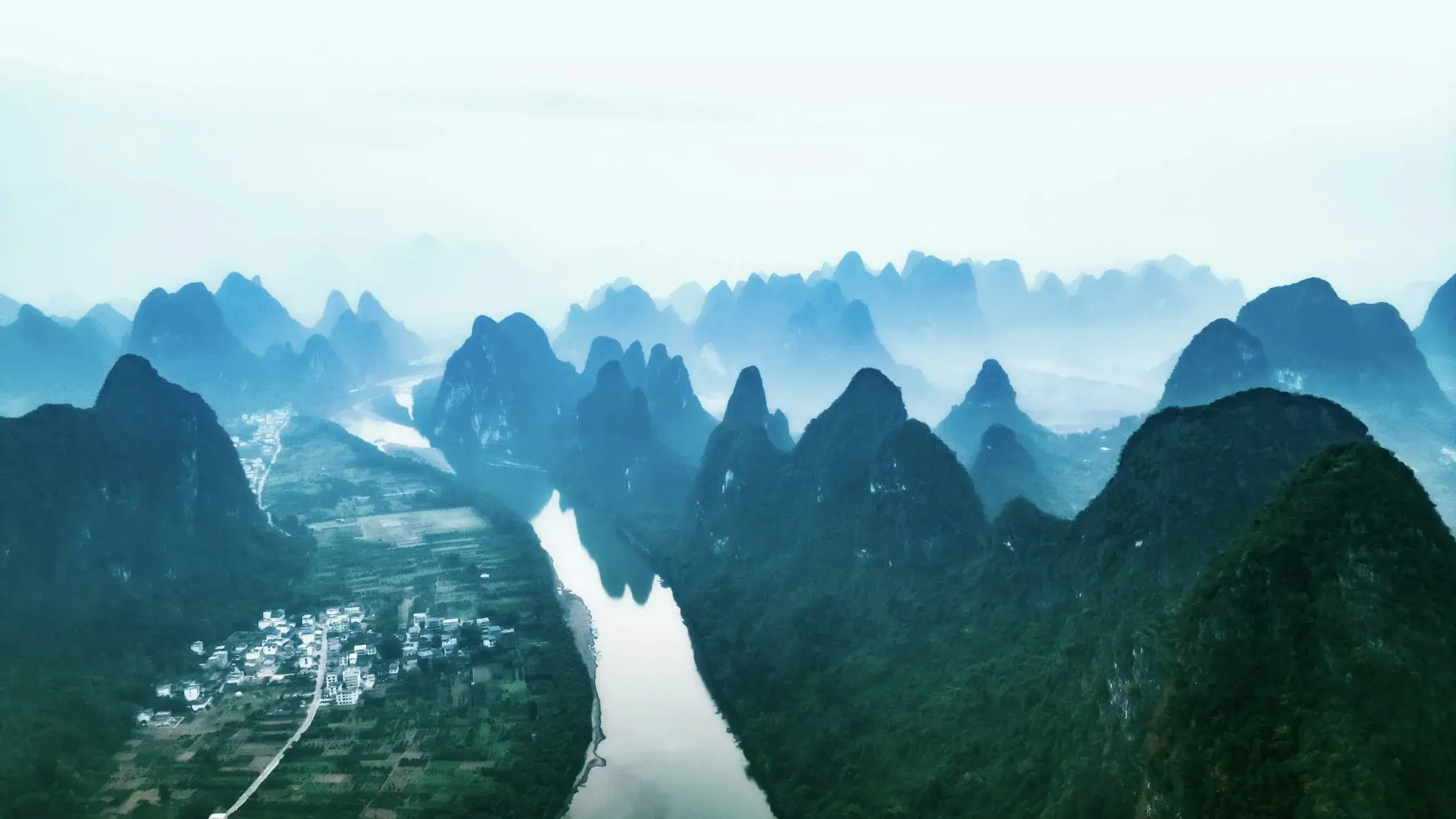 19 días Aguas abajo del Futuro Shenzhen → Guilin → Yangshuo → Chengdu → Chongqing → Yichang → Shanghái Desde $5,360 Ver ruta
 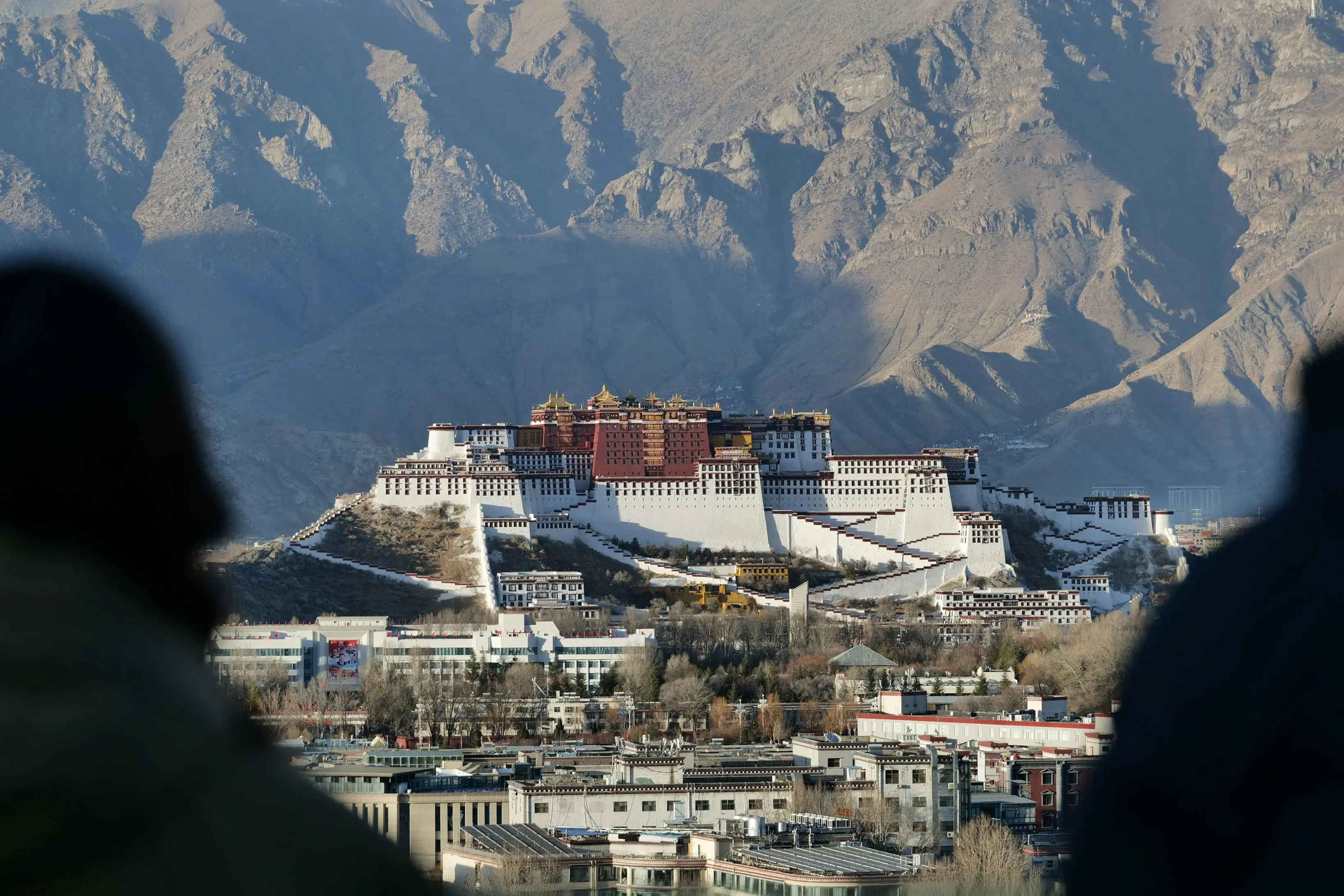 18 días Aire enrarecido, luego nivel del mar Pekín → Xi'an → Chengdu → Lhasa → Chongqing → Yichang → Shanghái Desde $4,900 Ver ruta
 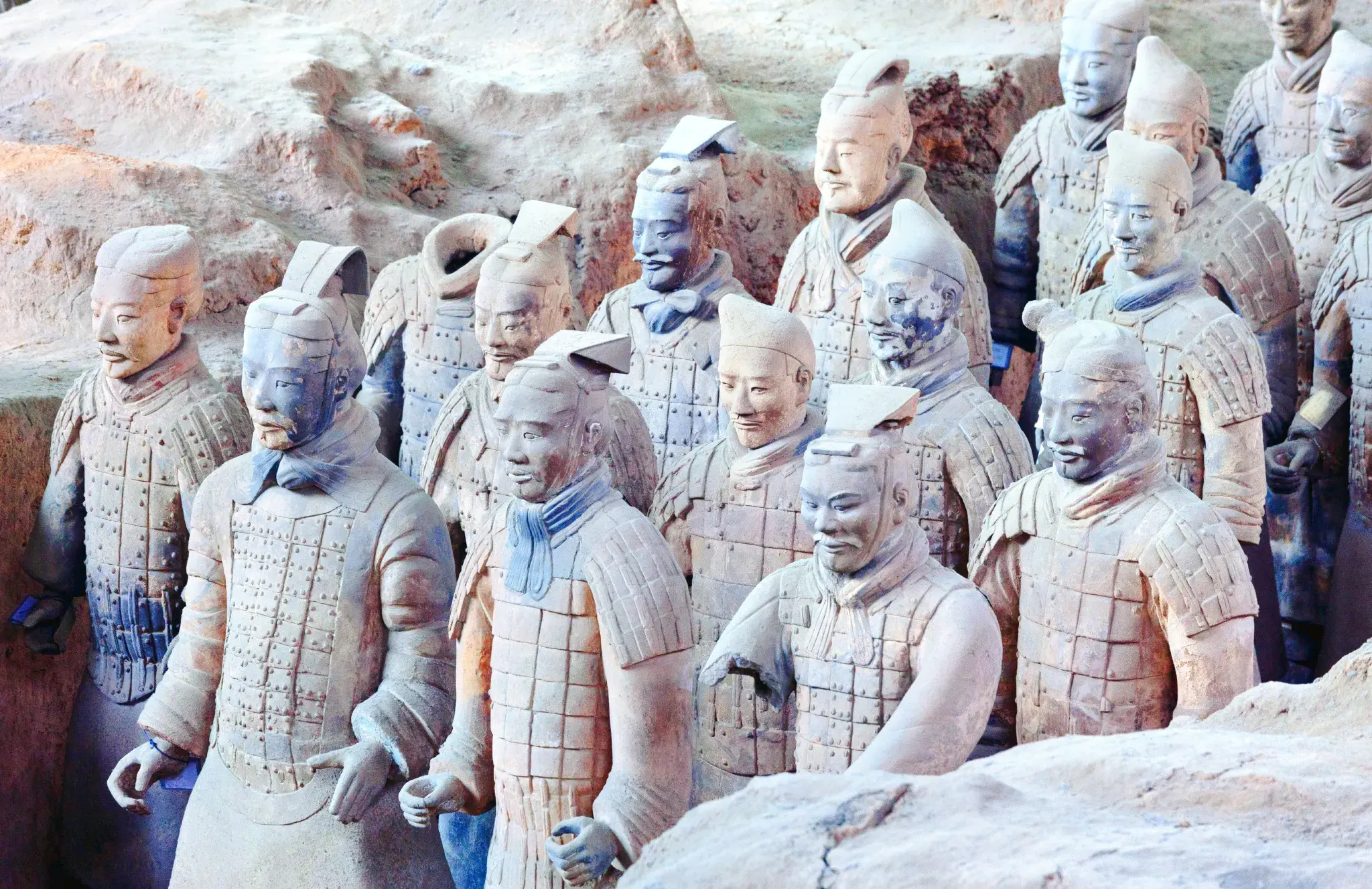 12 días Aún en uso Pekín → Xi'an → Chengdu → Shanghái Desde $4,310 Ver ruta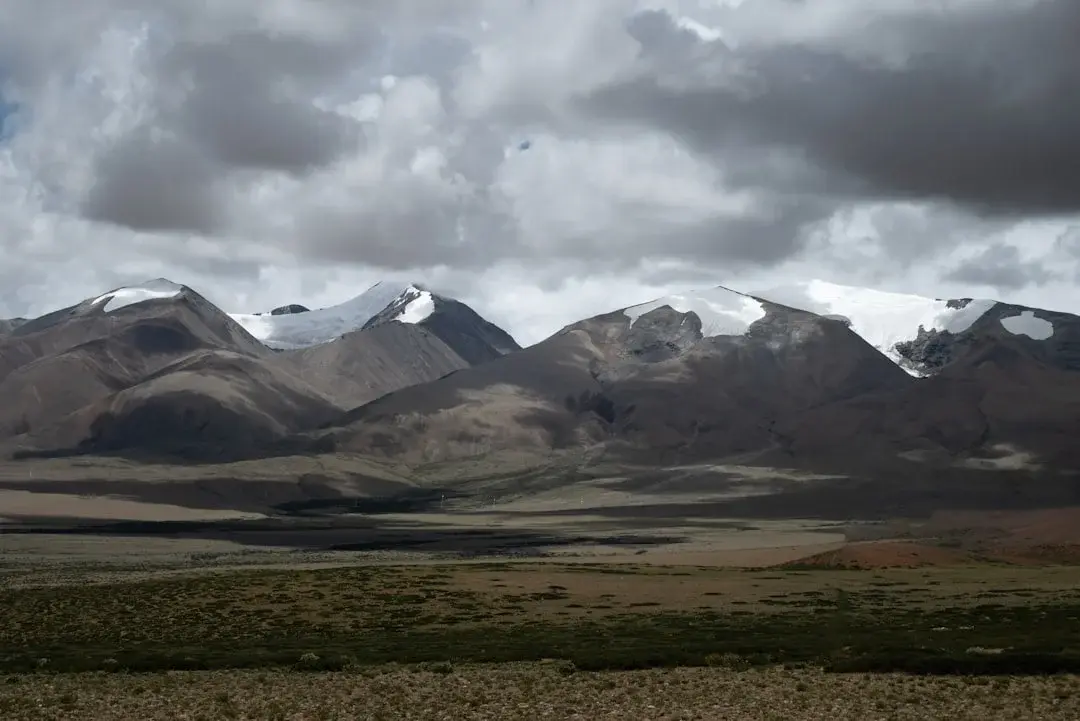
¿Se puede llevar a niños —o a un bebé— al Tíbet y a la China de gran altitud?
Sí, hay familias que viajan al Tíbet con niños, pero la altitud es una cuestión médica real, no un trámite, y la respuesta honesta depende de la edad y la salud de tu hijo. Antes de llevar a niños o a un bebé a gran altitud, el paso más importante es hablar con un médico, idealmente un pediatra familiarizado con la altitud, y planificar un ascenso lento y prudente.
Esta es una guía cuidadosa, no un texto tranquilizador. El Tíbet puede ser un viaje familiar extraordinario, pero es viajar a gran altitud con niños pequeños que a menudo no saben decirte que se encuentran mal, así que lo tratamos primero como una decisión de salud y solo después como unas vacaciones.
Ideas clave
- La altitud lo es todo. Lhasa está a unos 3.600 m: realmente alto. Los niños no son más propensos al mal de altura que los adultos, pero a menudo no pueden expresar los síntomas, así que tú eres su sistema de vigilancia.
- Consulta a un médico antes de comprometerte. Es un consejo válido todo el año e innegociable para cualquier viaje de altura con niños, y especialmente con bebés. Pregunta específicamente por la edad y la salud de tu hijo.
- No se puede viajar al Tíbet por libre. Los extranjeros deben reservar a través de una agencia de viajes tibetana que gestione un permiso de viaje al Tíbet y proporcione un guía autorizado.
- Asciende despacio. Pasar 2 o 3 noches a menor altitud, como en Xining (~2.275 m), antes de Lhasa da a los cuerpos pequeños tiempo para adaptarse.
- Plantéate quedarte por debajo de 4.000 m con niños pequeños, y ten en cuenta que muchas familias eligen en su lugar una región de cultura tibetana a menor altitud.
- Existe una alternativa sin permiso. La zona tibetana de Amdo, en torno a Xiahe (Gansu), ofrece cultura monástica budista tibetana a menor altitud, sin permiso y sin guía obligatorio.
¿Es seguro llevar a un bebé o a un niño pequeño a gran altitud?
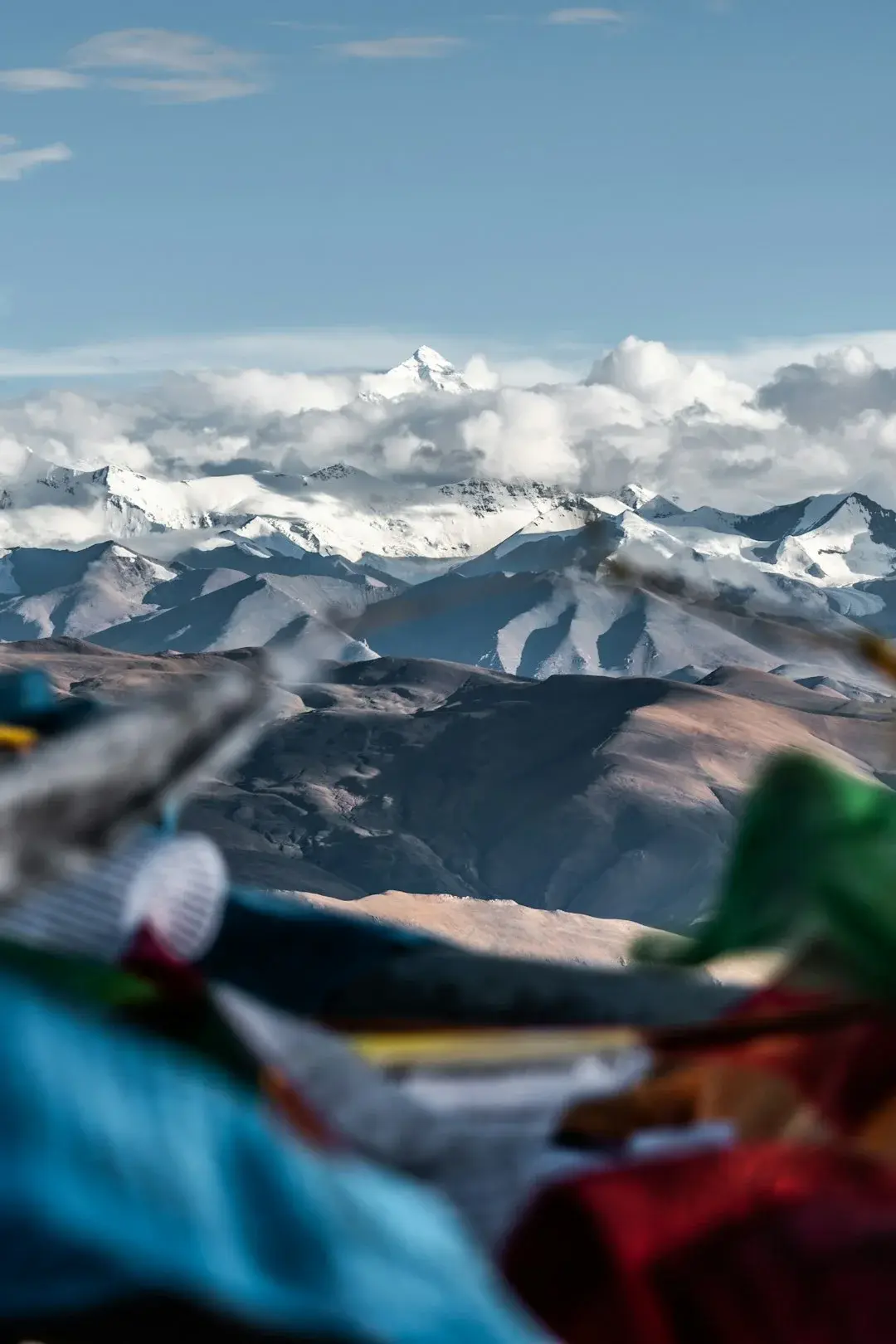
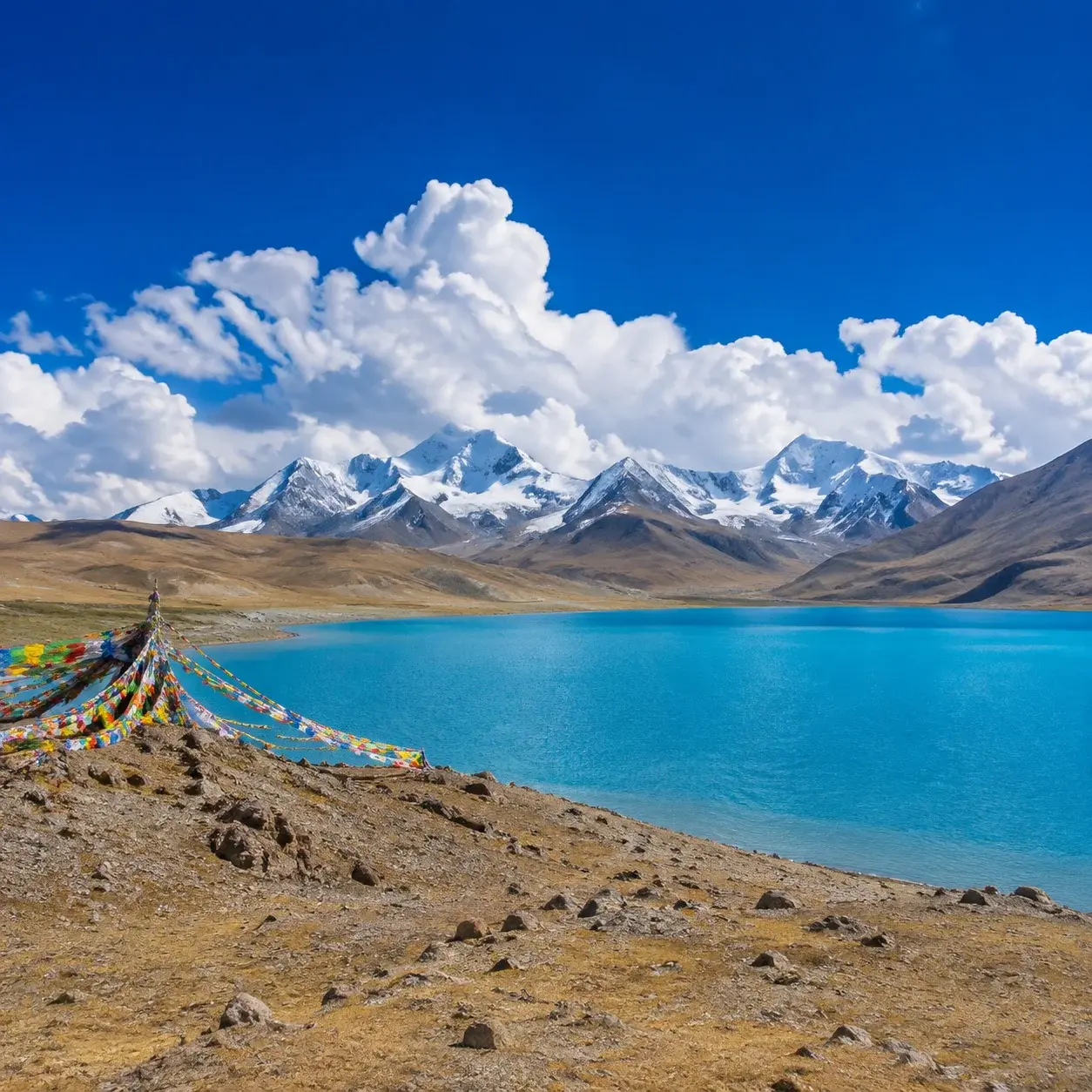
<!– img: unsplash / Luo Lei / query=Tibet plateau landscape mountains –>
Es una cuestión médica, y la única respuesta responsable es: pregunta a un médico antes de ir, idealmente a un pediatra que entienda de altitud. Las recomendaciones generales de viaje instan a especial cautela con los lactantes en altitud, y algunas fuentes médicas desaconsejan llevar a bebés muy pequeños a altitudes significativas. No sustituyas el criterio profesional por anécdotas, incluido este artículo.
La dificultad central es la comunicación. La investigación y la medicina del viajero coinciden en que los niños no son intrínsecamente más susceptibles al mal agudo de montaña (MAM) que los adultos: el peligro es que un bebé o un niño pequeño no puede decir «me duele la cabeza». La guía de viajes de los CDC de Estados Unidos señala que en niños pequeños o que aún no hablan el MAM puede manifestarse con signos inespecíficos como irritabilidad, mala alimentación, mal sueño y vómitos (CDC Yellow Book, viajes a gran altitud, 2024). Eso convierte la observación atenta de los padres en la principal herramienta de seguridad.
Algunos encuadres honestos, todos ellos a confirmar con tu propio médico:
- La salud de tu hijo importa más que el número en el mapa. Cualquier problema respiratorio o cardíaco de base, o un niño frágil o enfermo, cambia por completo el cálculo.
- Más alto es más difícil y menos predecible. Lhasa, a ~3.600 m, es un lugar con asentamientos permanentes donde se crían niños; un puerto de montaña a 5.000 m o el campo base del Everest es algo completamente distinto. Cuanto más alto subas, más prudente debes ser.
- Ten un plan de salida. Decide de antemano que, si algo no va bien, descenderéis, y ten capacidad financiera y logística para cambiar de planes en poco tiempo.
¿Cómo se manifiesta el mal de altura en un niño? (Tabla de vigilancia)
El MAM en niños puede ser difuso y fácil de pasar por alto, así que observa el comportamiento, la alimentación y el sueño —no solo las quejas de dolor de cabeza— y desciende si aparecen signos graves. Usa la tabla siguiente como recordatorio de qué observar y qué hacer, pero repásala con un médico antes del viaje y sigue sus indicaciones por encima de cualquier tabla genérica.
| Signo observable | Qué puede significar | Qué hacer |
|---|---|---|
| Dolor de cabeza, frotarse la cabeza, «me siento raro» (niño que habla) | MAM incipiente | Deja de ascender. Descanso, hidratación, vigilancia estrecha. Cualquier medicación, solo por indicación médica. |
| Irritabilidad, llanto o apego inusuales, o un bebé que «no es él mismo» | Posible MAM que el niño no sabe expresar | Trátalo como MAM hasta que se demuestre lo contrario: no ascender más, descanso, vigilancia estrecha. |
| Pérdida de apetito, mala alimentación, náuseas, vómitos | Síntoma frecuente de MAM en niños | Mantén la altitud (no subas más), asegura líquidos, vigila. |
| Sueño alterado o inquieto, o somnolencia inusual | MAM; la somnolencia puede indicar algo más grave | No asciendas. Si cuesta despertar al niño, trátalo como una emergencia y desciende. |
| Fatiga, debilidad, no camina ni juega como de costumbre | MAM | Descanso, evitar el esfuerzo, seguir vigilando; no forzar. |
| Falta de aire en reposo, labios azulados, confusión, marcha inestable o vómitos persistentes | Posible mal de altura grave (HACE/HAPE): urgencia médica | Desciende de inmediato y busca ayuda médica urgente / oxígeno. No esperes. |
La regla que está por encima de la tabla: si los síntomas son graves, o no lo tienes claro, desciende y busca ayuda médica. El MAM leve suele remitir cuando el cuerpo se adapta o tras descender a menor altitud, pero nunca deberías apostar a que los síntomas de un niño mejoren solos en altura. Y por decirlo una vez más con claridad: consulta a un médico antes de ir y pregúntale qué signos de alarma y qué tratamiento recomienda para tu hijo en concreto.
¿Cómo se reduce el riesgo? (Aclimatarse despacio)
El ascenso gradual es la forma más eficaz de reducir el riesgo de mal de altura: sube despacio, descansa al llegar y mantén a todos bien hidratados. Nada de esto es una garantía, pero es lo que recomienda de forma constante la medicina de altitud (guías de la Wilderness Medical Society sobre mal de altura; CDC).
- Fracciona la subida. En lugar de volar desde el nivel del mar directamente a Lhasa, pasa 2 o 3 noches a media altura. Xining (~2.275 m) es la ciudad de escala clásica y el inicio del ferrocarril Qinghai-Tíbet. Para la parada, consulta la
 guía de Xining.
 - Llegar por tierra ayuda. Seguir en tren desde Xining te eleva mucho más gradualmente que un vuelo y da más tiempo al cuerpo.
- Descansa de verdad al llegar. Planifica el primer día o los dos primeros en altura como descanso real: nada de actividad intensa, salidas cortas, acostarse pronto.
- Hidrata sin descanso. Es fácil con un bebé amamantado y más difícil con un niño pequeño que se distrae, así que convierte el beber en un hábito constante y suave.
- Plantéate quedarte por debajo de 4.000 m. Muchas familias limitan deliberadamente su itinerario a la altitud de Lhasa y renuncian a destinos más altos, lo que restringe de forma notable hasta dónde puedes llegar en el Tíbet: planifica contando con ese compromiso.
- Pregunta por la medicación. Si algún fármaco para la altitud es apropiado para un niño es estrictamente una decisión médica; no automediques a los niños.
¿Hacen falta permiso y guía para visitar el Tíbet?
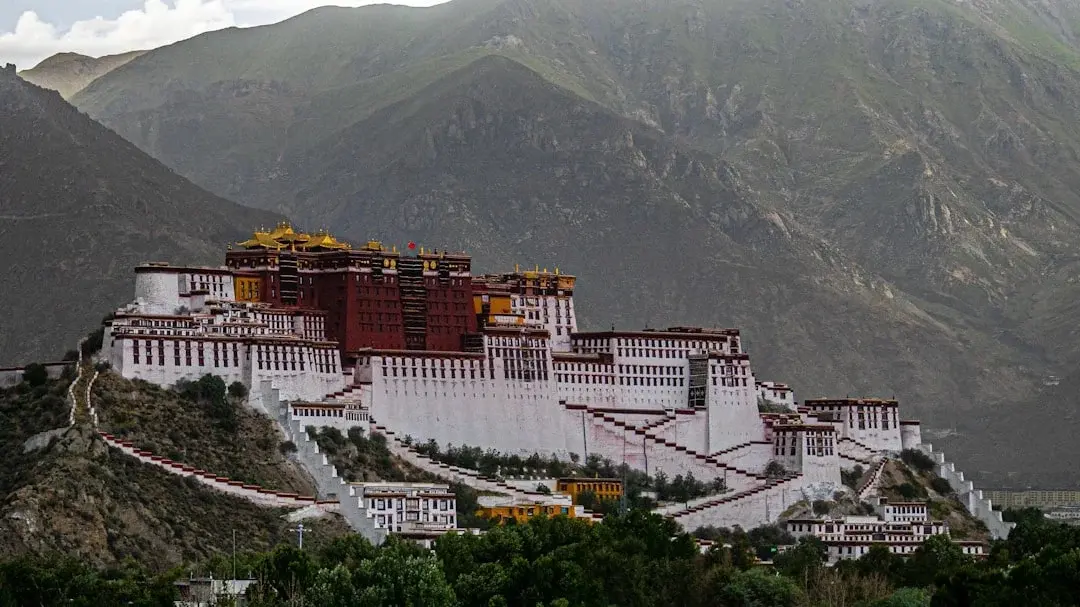
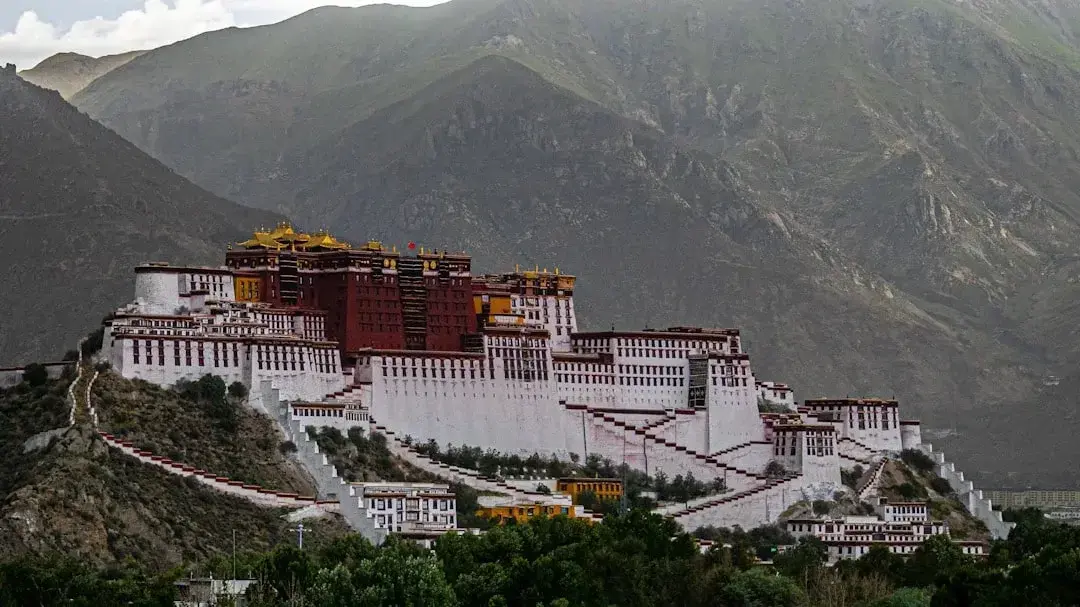
<!– img: unsplash / Xuyu Chi / query=Potala Palace Lhasa Tibet –>
Sí. Los viajeros extranjeros no pueden visitar la Región Autónoma del Tíbet por libre: debes reservar a través de una agencia de viajes tibetana que gestione un permiso de viaje al Tíbet y proporcione un guía autorizado, que te acompaña fuera de Lhasa. Es una norma firme y permanente de la región, no un extra opcional.
En la práctica, eso significa que un viaje al Tíbet siempre es organizado. La agencia obtiene el permiso en tu nombre (no puedes solicitarlo tú), reserva tu tren o vuelos y organiza alojamiento y guía. Reservar un viaje privado en lugar de en grupo compensa con niños pequeños, porque permite mantener un ritmo lento, eliminar lo que no funcione y cambiar de planes con rapidez si un niño se encuentra mal. Confirma con tu agencia, con mucha antelación, los requisitos actuales del permiso, los plazos de tramitación y la documentación necesaria: las normas y los plazos cambian.
¿Dónde se puede vivir la cultura tibetana a menor altitud? (Tabla de decisión)
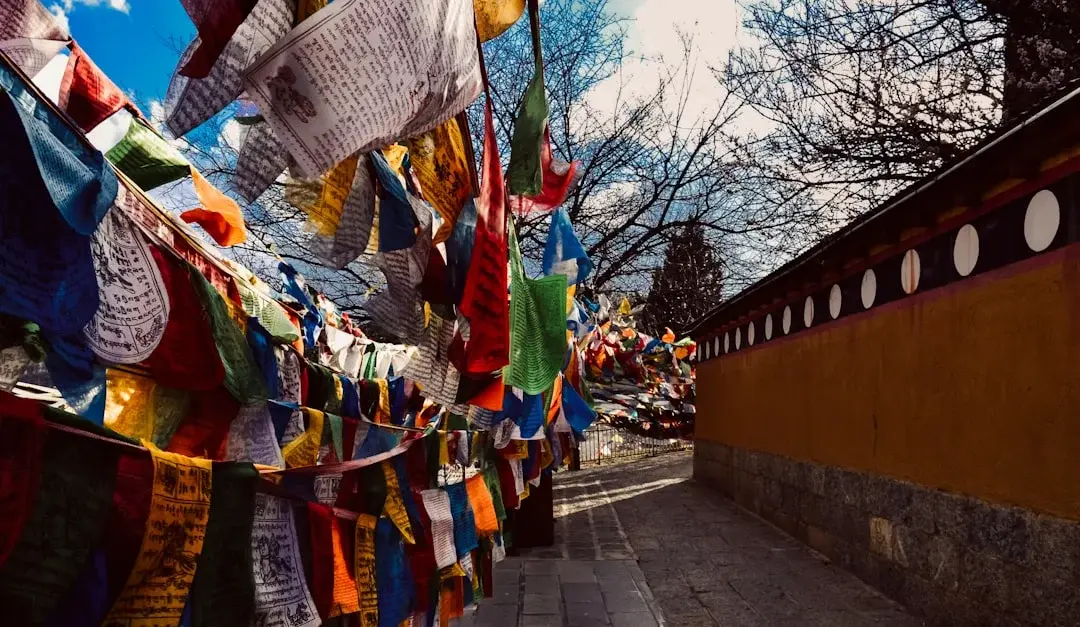
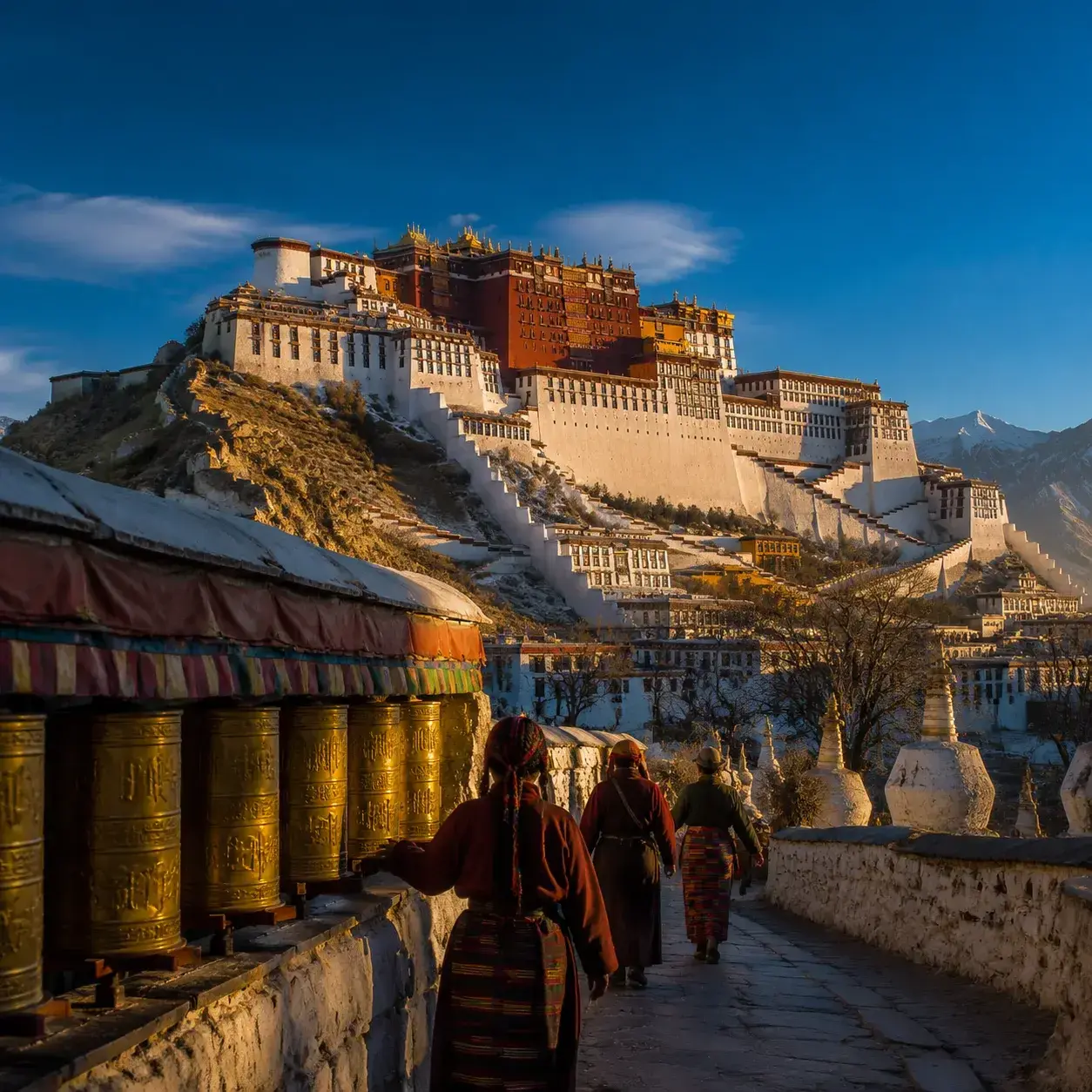
<!– img: unsplash / Sandra Mosconi / query=Tibetan monastery prayer flags –>
Si la altitud de Lhasa parece demasiado con un bebé o un niño pequeño, la región tibetana de Amdo en torno a Xiahe, en Gansu, ofrece monasterios, ruedas de oración y cultura de pradera mucho más abajo, sin permiso y sin guía obligatorio. Así se comparan las opciones principales.
| Destino | Altitud (aprox., indicativa, 2026) | ¿Permiso necesario? | ¿Guía autorizado obligatorio? | ¿Viaje por libre? | Con niños pequeños |
|---|---|---|---|---|---|
| Lhasa / Región Autónoma del Tíbet | ~3.600 m en adelante | Sí, permiso de viaje al Tíbet | Sí, fuera de Lhasa | No, solo mediante agencia | La mayor recompensa y la mayor cautela por altitud; el ascenso lento es imprescindible |
| Xiahe / Amdo (Gansu) | ~2.900 m | No | No | Sí | Cultura budista tibetana auténtica (monasterio de Labrang) a una altitud más suave |
| Xining (Qinghai) | ~2.275 m | No | No | Sí | La más baja de las tres; base de aclimatación ideal y un viaje interesante en sí mismo |
Xiahe alberga el monasterio de Labrang, uno de los grandes centros del budismo tibetano, y se alcanza sin la altitud extrema de la meseta: una verdadera vía intermedia para familias prudentes. Para organizarlo, consulta la guía de Lanzhou, Xiahe y Labrang. Las altitudes anteriores son indicativas; confirma la altitud exacta de cada lugar donde vayas a dormir, porque dónde pasas la noche importa más que los máximos diurnos.
¿Cómo son los alojamientos rurales tibetanos con niños?
Un alojamiento en el campo puede ser lo mejor del viaje, pero cuenta con condiciones básicas: habitaciones a menudo sin calefacción, retretes turcos o exteriores, y noches frías incluso en verano. Estas estancias son posibles con niños y pueden organizarse a través de tu agencia cerca de Lhasa, pero ve con expectativas claras.
- Noches frías. Los días de verano pueden ser cálidos al sol, pero al ponerse este la temperatura puede caer a unos 10 °C, y una casa sin calefacción significa que dormirás aproximadamente a esa temperatura: lleva capas de abrigo de verdad, sobre todo para niños pequeños que se destapan.
- Retretes básicos. Un retrete turco, a veces exterior, puede ser la única opción. Sin problema para niños que aún usan pañal; potencialmente un obstáculo real para los mayores.
- Quédate cerca de una ciudad. Mantener el alojamiento a pocas horas en coche de Lhasa te permite replegarte a un hotel y, si hace falta, a atención médica con rapidez: un seguro valioso cuando los niños enferman con facilidad.
- El sol es feroz. La radiación ultravioleta es intensa en altitud aunque no haga calor, así que la crema solar y los sombreros son un hábito diario, no una ocurrencia tardía.
¿Qué llevar y cómo planificar?
Prepárate para sol fuerte, noches frías y días lentos, y arma un itinerario con mucho más descanso del que crees necesitar. Con niños en altitud, menos es realmente más.
- Protección solar: crema de factor alto, sombreros con ala, gafas de sol; la radiación en la meseta es implacable.
- Capas de abrigo: para las noches frías y las habitaciones sin calefacción, para todos los miembros de la familia.
- Ayudas para la comodidad y la hidratación: aperitivos conocidos, un vaso o una botella preferidos que animen a beber, y objetos de apego que mantengan una rutina.
- Un itinerario ligero: como mucho una actividad principal al día, con días de descanso planificados desde el principio. En torno a Lhasa, opciones suaves como pasear por el casco antiguo o visitar el Palacio de Potala encajan mejor con los niños que las excursiones largas y altas.
- Seguro: una cobertura de viaje que incluya explícitamente destinos de gran altitud y evacuación médica; confirma el límite de altitud y las exclusiones de la póliza antes de contratarla.
Para las cuestiones prácticas más amplias de viajar por China con niños —comida, pañales, trenes y qué edades lo llevan mejor— consulta la guía de China en familia.
Preguntas frecuentes
¿Es seguro llevar a un bebé a la altitud del Tíbet?
Es una decisión médica que solo un médico puede tomar para tu hijo. Las recomendaciones generales instan a mucha cautela con los lactantes en altitud, y algunas fuentes lo desaconsejan con bebés muy pequeños. Consulta a un pediatra familiarizado con la altitud antes de reservar nada.
¿A qué altura está Lhasa y es peligroso para los niños?
Lhasa se sitúa a unos 3.600 m, algo realmente alto pero con comunidades permanentes donde se crían niños. Con un ascenso lento y escalonado y una vigilancia estrecha resulta manejable para muchos niños sanos, pero no es una altitud que tomarse a la ligera: planifica con prudencia y consulta a un médico.
¿Cómo sé si mi hijo tiene mal de altura?
Fíjate en signos inespecíficos: irritabilidad inusual, mala alimentación, dolor de cabeza, náuseas, sueño alterado o poca energía. Como los niños pequeños no siempre saben describir cómo se sienten, trátalos como posible MAM, deja de ascender, y desciende y busca ayuda médica si los síntomas son graves.
¿Necesitamos permiso y guía para visitar el Tíbet?
Sí. Los extranjeros no pueden recorrer la Región Autónoma del Tíbet por libre. Debes reservar a través de una agencia de viajes tibetana que gestione el permiso de viaje al Tíbet y un guía autorizado, que te acompaña fuera de Lhasa. Confirma los requisitos vigentes con tu agencia antes de viajar.
¿Hay alguna alternativa al Tíbet a menor altitud con niños?
Sí. La región tibetana de Amdo en torno a Xiahe, en Gansu (~2.900 m), ofrece cultura monástica budista tibetana sin permiso ni guía obligatorio, a una altitud más suave. Xining (~2.275 m) está aún más bajo y es una base de aclimatación ideal.
Planificar un viaje familiar a gran altitud
El Tíbet con niños es posible y puede resultar profundamente memorable, pero pertenece a una categoría distinta de unas vacaciones familiares corrientes: es viajar a gran altitud con personas que no siempre pueden decirte que se encuentran mal. Trátalo como una decisión de salud, empieza por el consejo de un médico, asciende despacio, observa de cerca a tus hijos y prepárate para descender. Si la altitud parece demasiado por ahora, las regiones de cultura tibetana más bajas en torno a Xiahe y Xining permiten vivir buena parte de ese mismo mundo con mucho menos riesgo.
Para el panorama práctico completo, empieza por la guía de China en familia y después lee la guía de Xining y la guía de Lanzhou, Xiahe y Labrang para construir una versión más suave y a menor altitud del viaje.