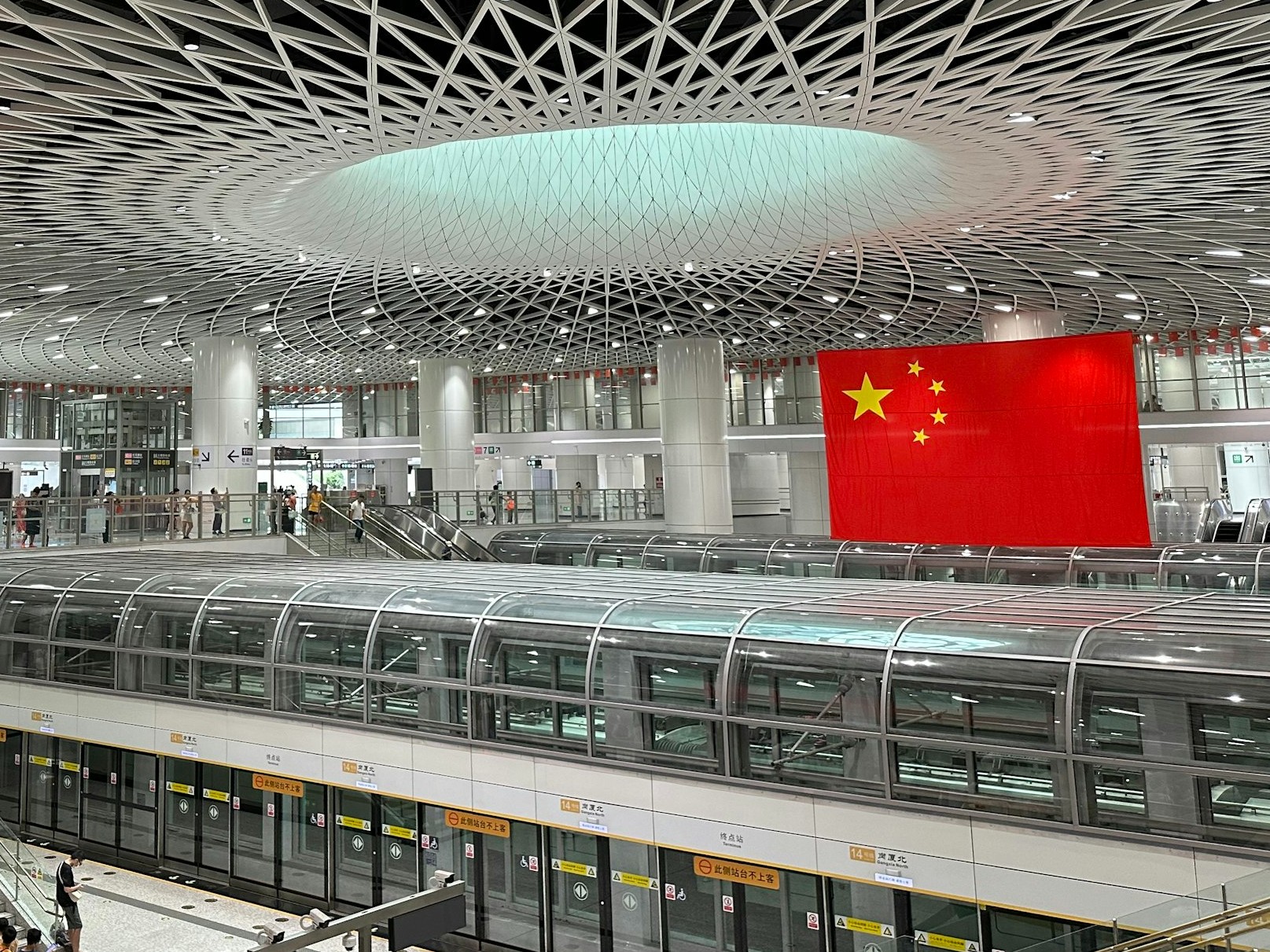





 18 días China, de principio a fin Pekín → Xi'an → Chuanzhusi → Jiuzhaigou → Chengdu → Zhangjiajie → Guilin → Yangshuo → Shenzhen Desde $6,360 Ver ruta
  8 días Agua pausada, ciudad veloz Shanghái → Yangshuo → Shenzhen Desde $2,350 Ver ruta
  19 días Aguas abajo del Futuro Shenzhen → Guilin → Yangshuo → Chengdu → Chongqing → Yichang → Shanghái Desde $5,360 Ver ruta
 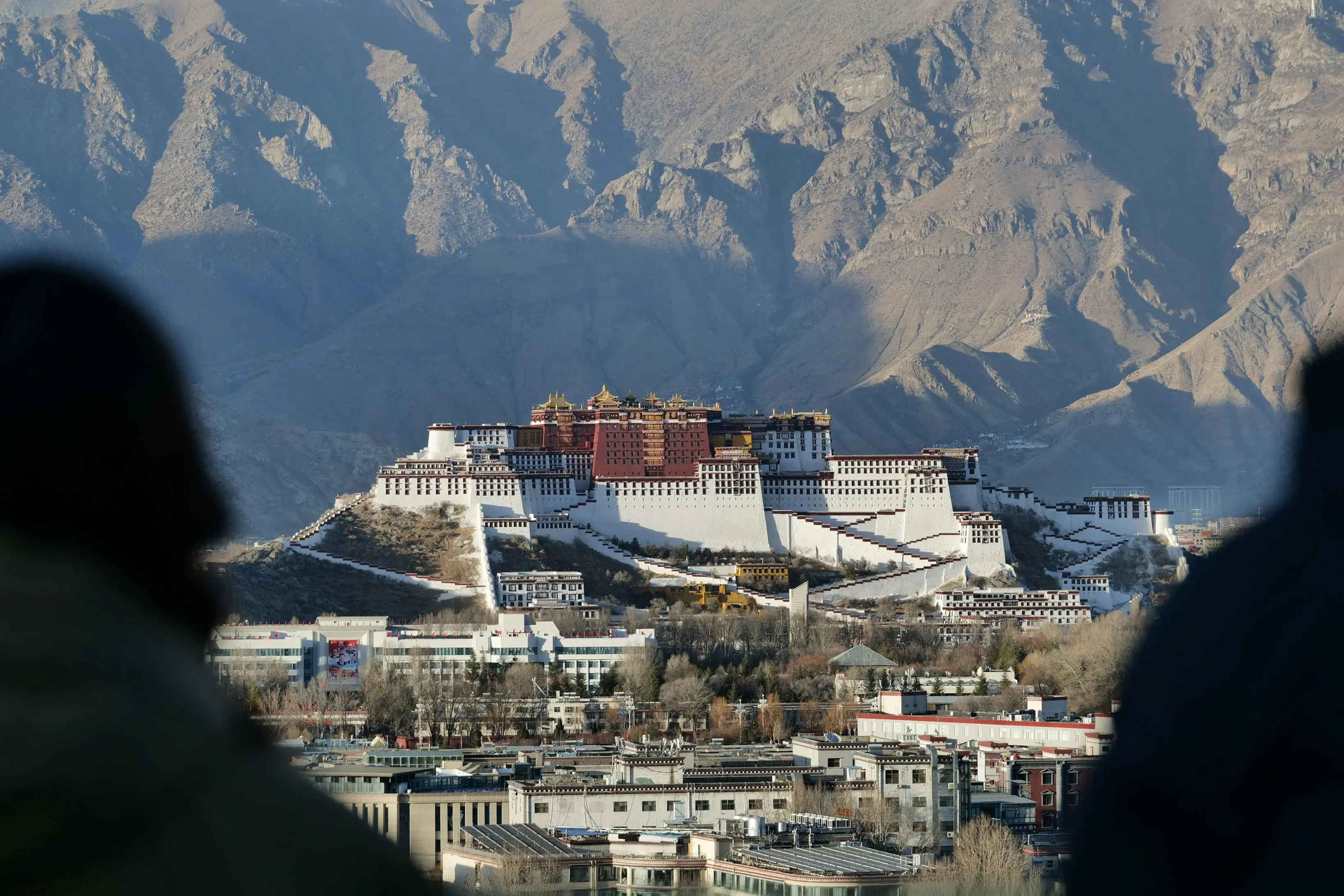 18 días Aire enrarecido, luego nivel del mar Pekín → Xi'an → Chengdu → Lhasa → Chongqing → Yichang → Shanghái Desde $4,900 Ver ruta
  12 días Aún en uso Pekín → Xi'an → Chengdu → Shanghái Desde $4,310 Ver ruta
Visa de tránsito en China: ¿Cumple con los requisitos para el tránsito sin visa de 240 horas?
Sí — para la mayoría de las escalas no necesitará una visa de tránsito en China: si tiene un pasaporte elegible y un boleto confirmado a un tercer país o región, puede salir del aeropuerto sin visa durante hasta 240 horas (10 días) bajo la política que China unificó el 17 de diciembre de 2024. Esa es la respuesta breve; el resto de esta guía son los detalles. Lo más importante que debe saber es que los números han cambiado recientemente, y gran parte de lo que hay en línea está desactualizado. China consolidó sus antiguos esquemas regionales de tránsito de 72 y 144 horas en una única exención nacional de tránsito sin visa de 240 horas (10 días) efectiva a partir del 17 de diciembre de 2024 (Administración Nacional de Inmigración, `en.nia.gov.cn`; aviso de la Embajada de China en EE.UU.; Última verificación: 2026-07-03). Si una página aún le dice "144 horas", describe un esquema que ya no existe en estos puertos. Esta guía le ofrece una explicación con la fecha correcta y una autocomprobación que puede realizar en unos diez segundos — y señala, honestamente, los dos números sobre los que incluso las fuentes oficiales discrepan.
Cambios de política sin previo aviso. Los recuentos de países, puertos y zonas de estancia han cambiado en el último año. Considere cada figura aquí como precisa hasta Última verificación: 2026-07-03 y confirme con su aerolínea y la embajada o consulado chino más cercano antes de volar. Un error aquí puede significar ser denegado el embarque o rechazado en la frontera.
Principales puntos
- Por lo general, no necesita un "visa de tránsito" — debe cumplir con los requisitos para el tránsito sin visa. La exención de 240 horas se aplica a ciudadanos de una lista específica de países que transitan hacia un tercer país o región a través de un puerto aprobado.
- Cuatro condiciones deben cumplirse TODAS: un pasaporte elegible, un boleto confirmado hacia un tercer país o región, llegada y salida en un puerto aprobado, y permanecer dentro de las regiones permitidas por un máximo de 240 horas.
- La regla del boleto de continuación es la que más personas confunden. Un viaje de ida y vuelta a su país de origen no califica. Hong Kong, Macao y Taiwán cuentan como regiones "terceras" separadas (orientación oficial; Última verificación: 2026-07-03).
- Los números son objetivos en movimiento. Las fuentes indican entre 54 o 55 países elegibles (55 después de que Indonesia se sumó en 2025) y entre 60 o 65 puertos abiertos (65 después de una expansión en noviembre de 2025). Listamos ambos y le recomendamos reconfirmar.
- 144 horas está obsoleto. Se integró en la única política de 240 horas el 17 de diciembre de 2024. Si lee "tránsito de 144 horas", es obsoleto para estos puertos.
- Las reglas cambian — confirme antes de volar. Cada figura aquí tiene una fuente oficial y una fecha de Última verificación; verifique con su compañía aérea y embajada antes de reservar.
—
¿Qué es el tránsito sin visa de 240 horas en China? (La respuesta corta)
La transitación visa-free de 240 horas de China permite a los ciudadanos de una lista de países elegibles pasar por China sin visado durante un máximo de 240 horas (10 días), siempre que estén en ruta hacia un tercer país o región y entren y salgan por un puerto aprobado. Reemplazó el mosaico de esquemas regionales de 72 y 144 horas el 17 de diciembre de 2024 (NIA, `en.nia.gov.cn`; Última verificación: 2026-07-03).
Para usarlo, deben cumplirse las siguientes cuatro condiciones:
- Nacionalidad elegible — su pasaporte está en la lista oficial (55 países según la actualización de 2025 que incluyó a Indonesia; la lista de lanzamiento de diciembre de 2024 tenía 54 — ambas cifras aparecen en comunicaciones oficiales, así que verifique la lista actual; Última verificación: 2026-07-03).
- Un boleto confirmado a un tercer país o región — con fechas y asientos confirmados, como lo indica el aviso de la embajada: "billets interlineales con fechas y asientos confirmados a un tercer país o región" (Última verificación: 2026-07-03).
- Puerto aprobado de entrada y salida — tanto su puerto de llegada como el de partida deben estar en la lista aprobada.
- Dentro del límite y la zona permitida — no más de 240 horas, dentro de las 24 regiones de nivel provincial permitidas (redacción consistente de NIA/embajada; Última verificación: 2026-07-03).
Si omite cualquiera de estos requisitos, la exención de 240 horas no se aplicará — aunque podría aplicarse una opción más corta. Realice la autocompleta completa a continuación antes de asumir que cumple los requisitos. Las reglas pueden cambiar sin previo aviso, así que confirme con su aerolínea y la embajada de China más cercana antes de viajar.
¿Puedo salir del aeropuerto durante una escala en China?
Sí — puede salir del aeropuerto durante una escala en China si cumple con el tránsito sin visa de 240 horas (o el más corto de 24 horas). Para un titular de pasaporte elegible con un boleto confirmado a un tercer país y un puerto de llegada/salida aprobado, salir de la terminal para hacer turismo, negocios o visitar a familiares es exactamente para lo que está diseñada la política.
Puede salir del aeropuerto si:
- Su pasaporte está en la lista de elegibles, y
- Tiene un boleto confirmado a un tercer país o región (no de regreso al país de origen), y
- Llega y sale por puertos aprobados.
No puede confiar en el tránsito sin visa si:
- Está haciendo conexión con un solo boleto sin tramo hacia un tercer país, o su itinerario lo devuelve a su país de origen;
- Su nacionalidad no está en la lista; o
- Su aeropuerto de llegada o salida no es un puerto aprobado.
Si no calificas para las 240 horas, hay un respaldo menor: transito directo de 24 horas, lo que generalmente significa permanecer en el área de embarcaciones (o una breve parada terrestre en algunos puertos) mientras haces la conexión. Tiene el nivel más bajo porque no requiere una nacionalidad elegible de la misma manera. Si ninguno de estos se adapta a ti, necesitarás una visa adecuada. La autoevaluación a continuación te indica cuál es tu camino.
¿Elegible? Realiza esta Autoevaluación de Visa de Tránsito en China
Responde estas cuatro preguntas en orden. El primer "no" te indica por qué salida debes salir. Esta es la evaluación que ninguna página oficial te entrega en un bloque: colapsa las cuatro condiciones de acceso que los competidores dispersan en cinco secciones en un solo árbol de decisión. Cada hecho está extraído de la base oficial anterior (Última verificación: 2026-07-03); verifica la lista actual con tu aerolínea y embajada antes de volar.
| Puerta | La pregunta | Si NO | Si NO → tu salida |
|---|---|---|---|
| 1. Pasaporte | ¿Tu nacionalidad está en la lista de elegibles (54/55 países — ver más abajo)? | Ir a la Puerta 2 | Necesitas un visado adecuado. El tránsito sin visado no está disponible para ti. |
| 2. Billete de continuación | ¿Tienes un billete confirmado de continuación (fecha + asiento) a un tercer país o región — diferente al de tu origen? | Ir a la Puerta 3 | 240h no se aplica. Verifica si cumples los requisitos para el tránsito directo de 24 horas; de lo contrario, obtén un visado. |
| 3. Puertos | ¿Están ambos, tus puertos de llegada y partida, en la lista aprobada? | Ir a la Puerta 4 | Este itinerario no cumple. Reencauza por un puerto aprobado, o obtén un visado. |
| 4. Tiempo y zona | ¿Saldrás dentro de 240 horas y permanecerás solo dentro de las regiones permitidas? | ✅ Cumple los requisitos para el tránsito sin visado de 240 horas. | Necesitas un visado turístico (L) adecuado — no abuses de la exención. |
Las cuatro salidas en un vistazo:
| Donde aterrizas | Qué esquema se aplica |
|---|---|
| Se pasan las cuatro puertas | ✅ Tránsito sin visado de 240 horas (10 días) — salir del aeropuerto, viajar dentro de la zona permitida, partir a tiempo a un tercer país/región |
| Falla la Puerta 2 o 3 pero tienes una conexión corta | Tránsito directo de 24 horas — usualmente en zona aérea/parada muy breve, requisito más bajo |
| Falla la Puerta 1, o necesitas permanecer más tiempo / salir de la zona en la Puerta 4 | Un visado adecuado — el tránsito sin visado no te ayuda. |
Puerta 1 — ¿Tu pasaporte está en la lista de elegibles?
La lista incluye la mayoría de los países desde los que vuelan nuestros lectores: EE. UU., Reino Unido, Canadá, Australia, Nueva Zelanda, Japón, Corea del Sur, y la mayoría de los estados Schengen, más Rusia, Emiratos Árabes Unidos, Catar, Singapur, Brasil y México, entre otros. Las comunicaciones oficiales citan 54 países en el lanzamiento de diciembre de 2024 y 55 después de que Indonesia se añadiera en 2025 — esta es la discrepancia exacta que verá entre guías competidoras, y la lectura honesta es "55 (incluyendo Indonesia, añadida en 2025; la lista de lanzamiento fue 54)" (NIA/embajada; Última verificación: 2026-07-03). La lista puede cambiar nuevamente, así que siempre confirme la lista oficial actual antes de volar.
Puerta 2 — La regla del boleto de continuación a un tercer país
Esta puerta detiene al mayor número de viajeros. Su vuelo de continuación debe dirigirse a un país o región diferente al de donde comenzó — patrón A → China → C, donde C no es A. Un viaje de ida y vuelta (A → China → A) se trata como entrar en China, no como transitarlo, y la exención no se aplicará. La buena noticia: Hong Kong, Macao y Taiwán cuentan como regiones terceras separadas, por lo que un itinerario EE. UU. → China continental → Hong Kong satisface la regla (orientación oficial; Última verificación: 2026-07-03). El boleto debe tener fechas confirmadas y un asiento confirmado — una reserva abierta o de lista de espera es un riesgo.
Puerta 3 — ¿Es su aeropuerto un puerto aprobado?
Aquí hay un número conmovedor: el informe de diciembre de 2024 de la embajada listaba 60 puertos abiertos, mientras que una expansión del 5 de noviembre de 2025 lo elevó a 65 (English.gov.cn; NIA; Última verificación: 2026-07-03). Citamos ambas porque las fuentes oficiales publicaron ambas. Los puertos de alto tráfico — Shanghái (PVG/SHA), Pekín (PEK/PKX) y Cantón (CAN) — han estado en el plan desde始至终; consulte la tabla por ciudad a continuación y reconfirme su aeropuerto específico antes de reservar.
Puerta 4 — Límites de tiempo y zona de estancia
El reloj de 240 horas comienza a las 00:00 del día después de su llegada (después de que el control de fronteras emita el permiso de entrada temporal), y debe salir antes de las 23:59 del décimo día — así que una llegada a las 08:00 del 1 se cuenta a partir de las 00:00 del 2, con salida debida a las 23:59 del 11 (reexpresiones múltiples de la práctica oficial de la guía de NIA; Última verificación: 2026-07-03 — la determinación del oficial de frontera prevalece, así que considere esto como orientación y deje un margen). También debe permanecer dentro de las 24 regiones de nivel provincial permitidas; puede moverse entre ellas, pero no puede salir de la zona.
¿Qué cambió entre la visa de tránsito de 144 horas y la de 240 horas?
Los esquemas de tránsito regional de 72 y 144 horas se consolidaron en una única exención nacional de 240 horas (10 días) el 17 de diciembre de 2024. Si lees "144 horas" en una página anterior, está desactualizado para estos puertos (NIA, `en.nia.gov.cn`; Aviso de la Embajada de China; Última verificación: 2026-07-03). La tabla alinea los esquemas retirados con el actual y el de respaldo, para que puedas ver qué cambios reales hubo.
| Dimensión | Tránsito directo de 24h | 72h / 144h (regional anterior) | 240h (nacional actual) | Visado adecuado (L, etc.) |
|---|---|---|---|---|
| Estado | Válido — opción con requisitos mínimos | Incluido en las 240h desde el 17-12-2024 — ya no es un esquema independiente en estos puertos | Vigente, desde el 17-12-2024 | Siempre válido |
| Estancia máxima | ~24 horas | 72 u 144 horas | 240 horas / 10 días | Según el visado |
| Ámbito geográfico | Generalmente aeropuerto / escala muy breve | Una agrupación de ciudades o provincia | 24 regiones de nivel provincial, 65 puertos (60 antes de noviembre de 2025) | Nacional |
| Viaje entre provincias | Prácticamente nulo | Principalmente dentro de una región | Permitido entre las regiones autorizadas | Sin restricciones |
| Billete de salida a tercer país | Requerido | Requerido | Requerido (a un tercer país/region) | No se requiere |
| Ideal para | Conexiones en zona aérea, sin cruce de frontera | — (histórico; no confiar en el esquema independiente de 144h) | Viajeros con tramo de salida a tercer país que quieran salir del aeropuerto hasta 10 días | Viajes de ida y vuelta, estancias más largas, trabajo/estudio, o pasaportes no incluidos en la lista
Un número mayor no es automáticamente mejor: 240 horas está sujeto a la misma regla de billete de continuación a un tercer país que las 144h. Lo que decide si puedes usarlo nunca fueron las horas, sino si tu billete vuela hacia un tercer país o región. Si quieres un viaje de ida y vuelta con unos días en el medio, ninguno de los dos planes se aplica; obtén una visa de turista (L) en su lugar. Las reglas cambian — confirma con tu compañía aérea y embajada antes de volar.
¿Qué aeropuertos de China permiten tránsito de 240 horas? (Shanghai, Pekín, Cantón y más)
El tránsito sin visa de 240 horas está disponible en 65 puertos de 24 regiones de nivel provincial tras la expansión del 5 de noviembre de 2025 (60 puertos antes de eso; ambas cifras provienen de fuentes oficiales). A continuación se presenta una referencia enfocada en las tres ciudades de mayor demanda; confirma tu aeropuerto específico y su zona de estancia antes de reservar, ya que los límites son establecidos por las autoridades y pueden cambiar (NIA; English.gov.cn; Última verificación: 2026-07-03).
| Ciudad | Puertos principales | Zona de estancia permitida (indicativa — verifique localmente) | Notas |
|---|---|---|---|
| Shanghai | PVG (Pudong) / SHA (Hongqiao) | Delta del Yangtze: Shanghai + Jiangsu + Zhejiang | Una de las zonas de tránsito más establecidas; consulte la  guía de tránsito del aeropuerto Pudong de Shanghai guía de tránsito del aeropuerto Pudong de Shanghai |
| Beijing | PEK (Capital) / PKX (Daxing) | Beijing más regiones adyacentes permitidas | Confirme el límite exacto entre provincias antes de planificar excursiones diarias |
| Guangzhou | CAN (Baiyun) | Guangdong (con las adiciones de puertos del Área de la Bahía de Gran Huella de noviembre de 2025) | La actualización del 5 de noviembre de 2025 añadió cinco puertos en Guangdong — Guangzhou, Zhuhai Hengqin, Zhongshan, el Puente Hong Kong–Zhuhai–Macau y la parada de West Kowloon del tren de alta velocidad Guangzhou–Shenzhen–Hong Kong — el mayor impulso al Área de la Bahía de Gran Huella (English.gov.cn; Última verificación: 2026-07-03) |
Si aún está decidiendo dónde aterrizar, nuestra guía sobre qué aeropuerto debe tomar para entrar a China sopesa los compromornos del puerto de entrada. Elige el puerto que quiera, verifique que esté en la lista aprobada actual — el número pasó de 60 a 65 en un año, y puede cambiar nuevamente.
¿Qué puede hacer (y no hacer) durante una estancia de tránsito en China?
En el tránsito sin visa, puede viajar por motivos de turismo, negocios o visitas familiares/de intercambio, pero el trabajo, los estudios y la cobertura periodística requieren una visa adecuada (NIA/embajada; Última verificación: 2026-07-03). Dentro de ese límite, una ventana de tránsito de 10 días es suficiente para convertir una escala en un mini-viaje genuino dentro de su zona permitida.
Algunas realidades prácticas que debe manejar:
- Regíle su alojamiento. Los hoteles suelen registrarle automáticamente al check-in; si se queda en una vivienda particular o alquiler a corto plazo, usted (o su anfitrión) generalmente debe registrarse en la comisaría local, normalmente dentro de las 24 horas (verifique el requisito local actual). Este es el paso que los viajeros olvidan con más frecuencia.
- Mantenga su billete de salida a mano. Podría pedirle que muestre la confirmación de la reserva a un tercer país, y lo necesitará para su partida.
- Completa la tarjeta de llegada. Todo viajero de tránsito la rellena al entrar — consulte nuestra guía de tarjeta de llegada de China para saber exactamente qué se pide y cómo rellenarla.
- Esté atento al reloj. La ventana de 240 horas es generosa, pero los retrasos consumen su margen — planifique salir con tiempo de sobra.
El trabajo, actividades remuneradas, estudios y periodismo están fuera del alcance del tránsito sin visa — necesitan la categoría de visa correspondiente. En caso de duda, confirme con la embajada china más cercana antes de viajar.
¿Qué pasa si algo sale mal? (Retrasos,超 stay y denegaciones)
Si su vuelo de continuación se retrasa más allá de las 240 horas, no simplemente exceda el plazo: contacte a su aerolínea y a la autoridad local de inmigración/salida de forma proactiva para resolver una extensión o un nuevo partido. Exceder el plazo puede acarrear multas y afectar futuras entradas, por lo que el consejo honesto es actuar temprano y mantenerse en contacto con las autoridades en lugar de esperar que pase desapercibido.
Las formas más comunes en que los viajeros son descubiertos:
- Usted reservó un boleto de regreso al origen por error. Es probable que sea detenido en el check-in — la aerolínea es la primera barrera, y verifica (vía IATA Timatic) que tenga un tramo de confirmación hacia un tercer país o región. Sin boleto calificado, no hay pasabordo. Corrija el itinerario antes de volar.
- Su vuelo de continuación se retrasa más allá de las 240 horas. Contacte a la aerolínea e inmigración local de forma proactiva; no deje que el transcurra silenciosamente. Incluya al menos medio día de buffer para que un retraso no lo empuje más allá.
- Su nacionalidad no está en la lista, o desea permanecer más de 10 días o salir de la zona permitida. No son casos extremos que pueda resolver hablando en la frontera — obtenga el visado adecuado con anticipación.
Nada de esto tiene como alarmarle; el tránsito sin visa funciona sin problemas para los viajeros que cumplen las cuatro condiciones. Pero porque esta es una situación donde estar equivocado es costoso, la acción responsable es verificar sus billetes y puertos antes de comprometerse, y confirmar las reglas actuales con su aerolínea y la embajada china más cercana antes de volar.
Preguntas frecuentes
¿¿Puedo salir del aeropuerto durante una escala en China? Sí, si cumples con los requisitos para el tránsito sin visa de 240 horas (o más corto de 24 horas): un pasaporte elegible, un boleto confirmado a un tercer país o región, y puertos de llegada/salida aprobados. Si tu viaje regresa a tu país de origen o tu puerto no está aprobado, no puedes. Verifica antes de volar.
¿¿Cuánto tiempo puedo permanecer en China sin visa durante el tránsito? Hasta 240 horas — 10 días — bajo la política nacional vigente desde el 17 de diciembre de 2024 (NIA; Última verificación: 2026-07-03). El reloj comienza a las 00:00 del día después de tu llegada. Debes permanecer dentro de las 24 regiones provinciales permitidas y salir a tiempo hacia un tercer país.
¿¿Qué aeropuertos permiten el tránsito de 240 horas? El tránsito de 240 horas opera en 65 puertos a través de 24 regiones provinciales después de la expansión de noviembre de 2025 (60 antes de eso; ambas cifras son oficiales). Los de mayor tráfico incluyen Shanghai PVG/SHA, Beijing PEK/PKX y Guangzhou CAN. Confirma tu aeropuerto específico en la lista actual aprobada antes de reservar.
¿¿Necesito una visa para una escala en China? A menudo no. Si tienes un pasaporte elegible, un boleto confirmado a un tercer país o región, y usas puertos aprobados, puedes transitar sin visa hasta 240 horas. Si alguna condición falla — especialmente un viaje de ida y vuelta a tu país de origen — necesitarás una visa adecuada. Verifica con tu embajada.
¿Cuál es la diferencia entre el visado de tránsito de 144 horas y el de 240 horas? Los esquemas regionales de 72 y 144 horas se fusionaron en una exención nacional única de 240 horas (10 días) el 17 de diciembre de 2024. Si una página aún dice "144 horas", está desactualizada para estos puertos. Ambos esquemas comparten el mismo requisito de billete de continuación a tercer país (NIA; *Última verificación: 2026-07-03**).
¿Cuenta Hong Kong, Macao o Taiwán como un "país tercero"? Sí. Hong Kong, Macao y Taiwán se tratan como regiones terceras separadas, por lo que un itinerario con vuelo de continuación hacia cualquiera de ellos puede satisfacer el requisito de "país o región tercero" (orientación oficial; Última verificación: 2026-07-03). Este es uno de los puntos más malinterpretados —confirme con su aerolínea antes de reservar.
¿Cuándo comienza el reloj de las 240 horas? No al aterrizar —comienza a las 00:00 del día después de su llegada, una vez que la frontera emita su permiso de entrada temporal, y debe salir antes de las 23:59 del décimo día. Por tanto, una llegada la mañana del 1 se cuenta a partir del 2. Trátelo como orientación y deje un margen; la determinación del oficial de frontera prevalece.
Realizando la llamada
Dos preguntas deciden si una escala en China se convierte en un mini-viaje o en una pesadilla, y puedes responder ambas ahora. Primero, revisa las cuatro barreras: pasaporte elegible, un boleto confirmado a un tercer país o región, puertos aprobados de entrada y salida, y una estancia de menos de 240 horas dentro de la zona permitida. Si superas las cuatro barreras, puedes salir del aeropuerto sin visa hasta por 10 días. Segundo, respeta los números en movimiento — 54 versus 55 países, 60 versus 65 puertos — y considera todo aquí como válido hasta la Última verificación: 2026-07-03. Las reglas pueden cambiar sin previo aviso, así que confirma con tu aerolínea y la embajada china más cercana antes de volar.
Una escala en China que cumple los requisitos es una de las más fáciles del mundo para convertirte en un viaje real — pero solo si el boleto y los puertos son adecuados. Cuando prefieres no arriesgarte con los detalles, el diseñador de viajes único de LyrikTrip puede planificar un día de tránsito privado (o un itinerario completo de 10 días dentro de tu zona permitida), gestionando la programación, el registro y la ruta para que tú no tengas que hacerlo. Dinos tu pasaporte, tu vuelo de continuación y tus puertos, y construiremos la estancia alrededor de las reglas.