




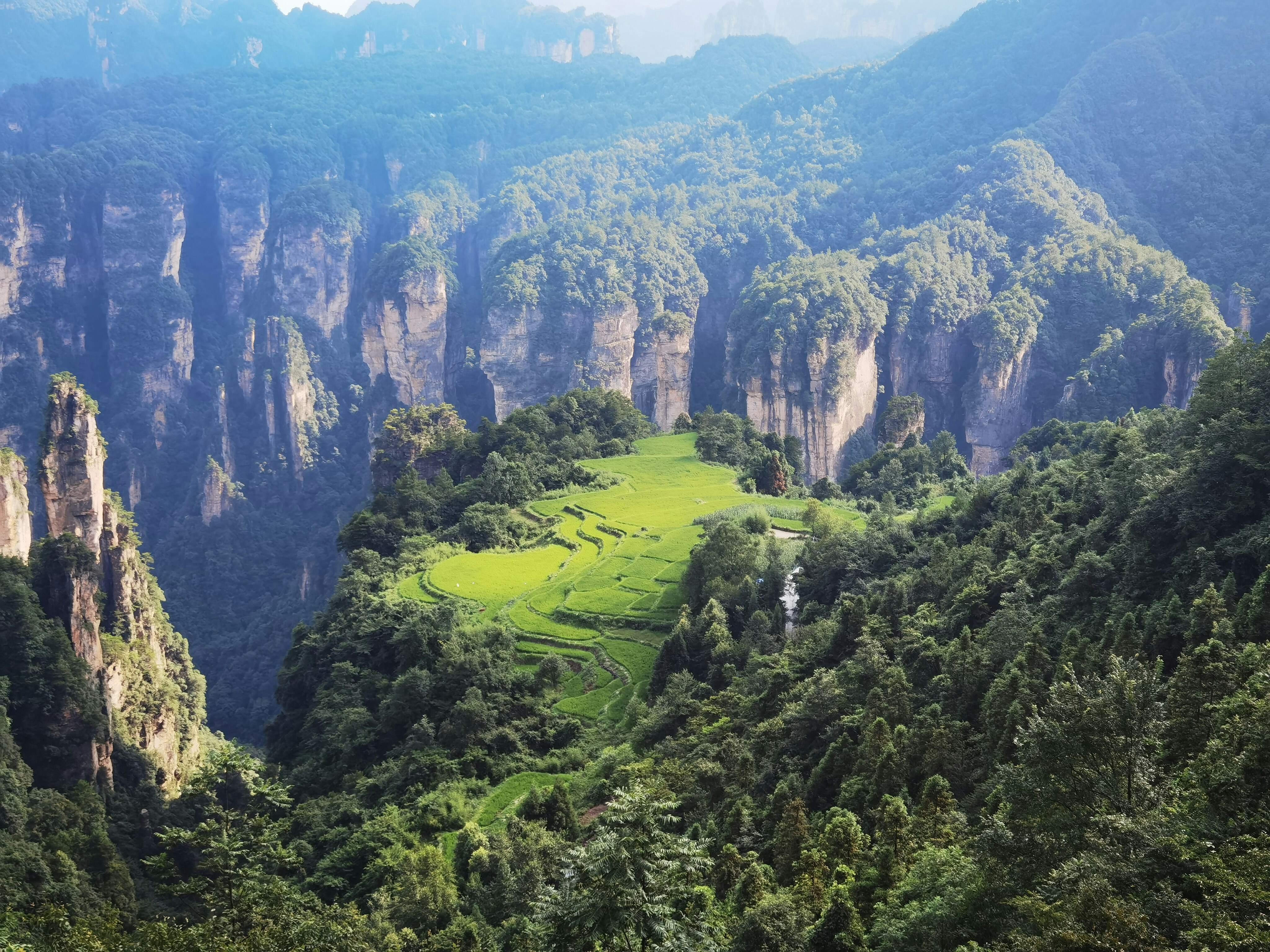
 18 days China, End to End Beijing → Xi'an → Chuanzhusi → Jiuzhaigou → Chengdu → Zhangjiajie → Guilin → Yangshuo → Shenzhen From $6,360 View route
 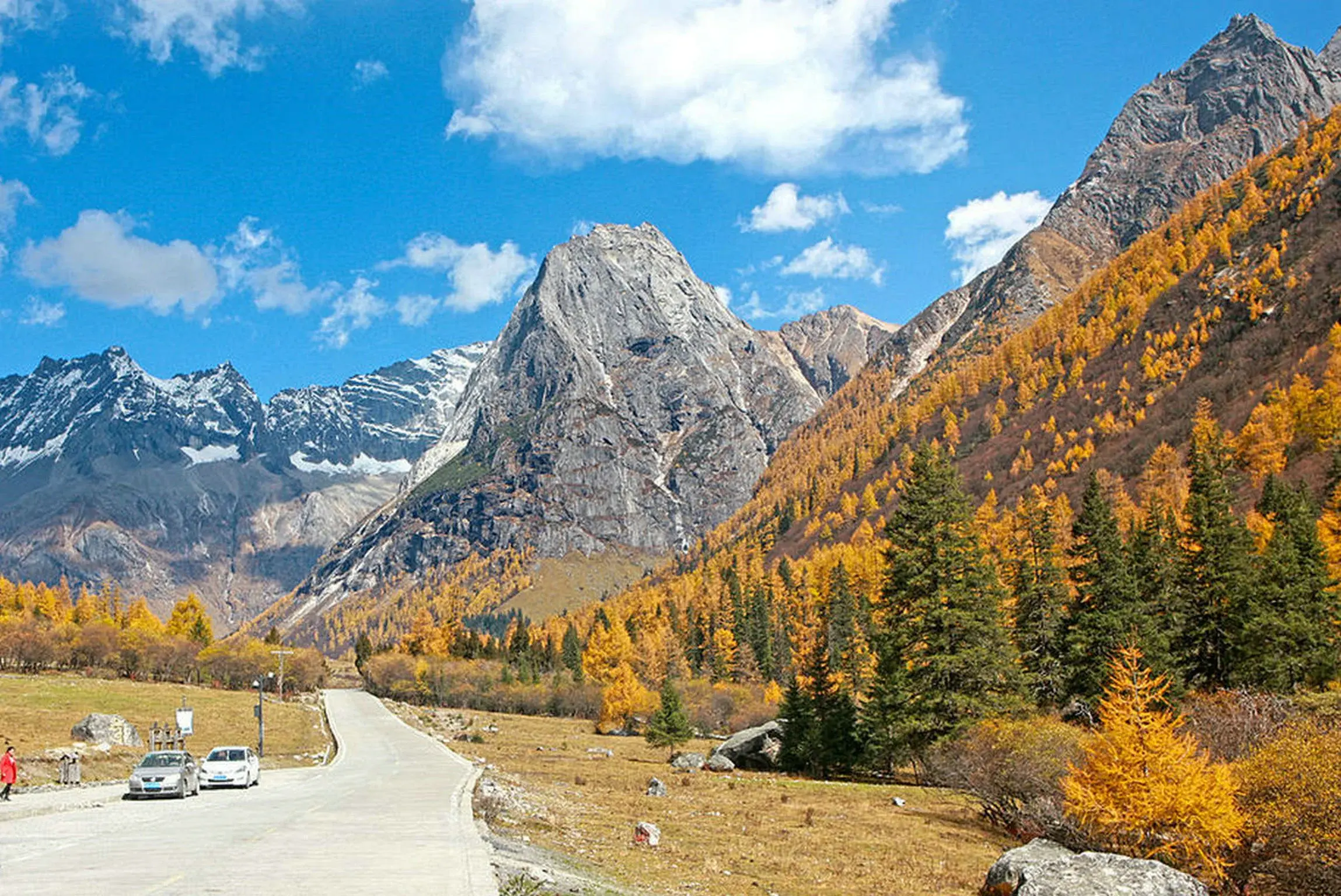 3 days 3-Day Tour: Mount Siguniang, Bipenggou & Dagu Glacier Chengdu → Lixian → Heishui County From $1,599 View route
 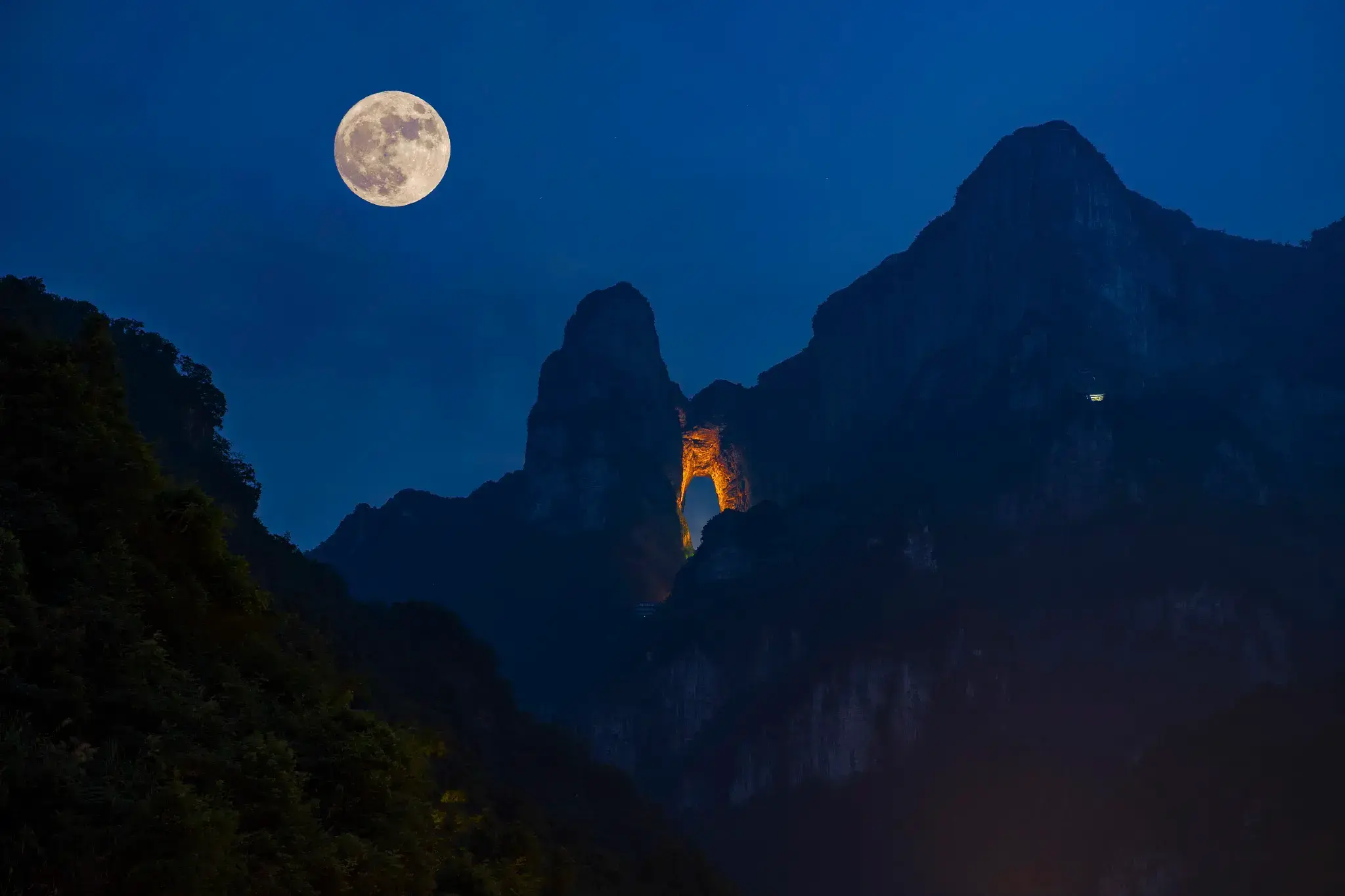 5 days Above the Pillars, Then Below Zhangjiajie From $1,430 View route
 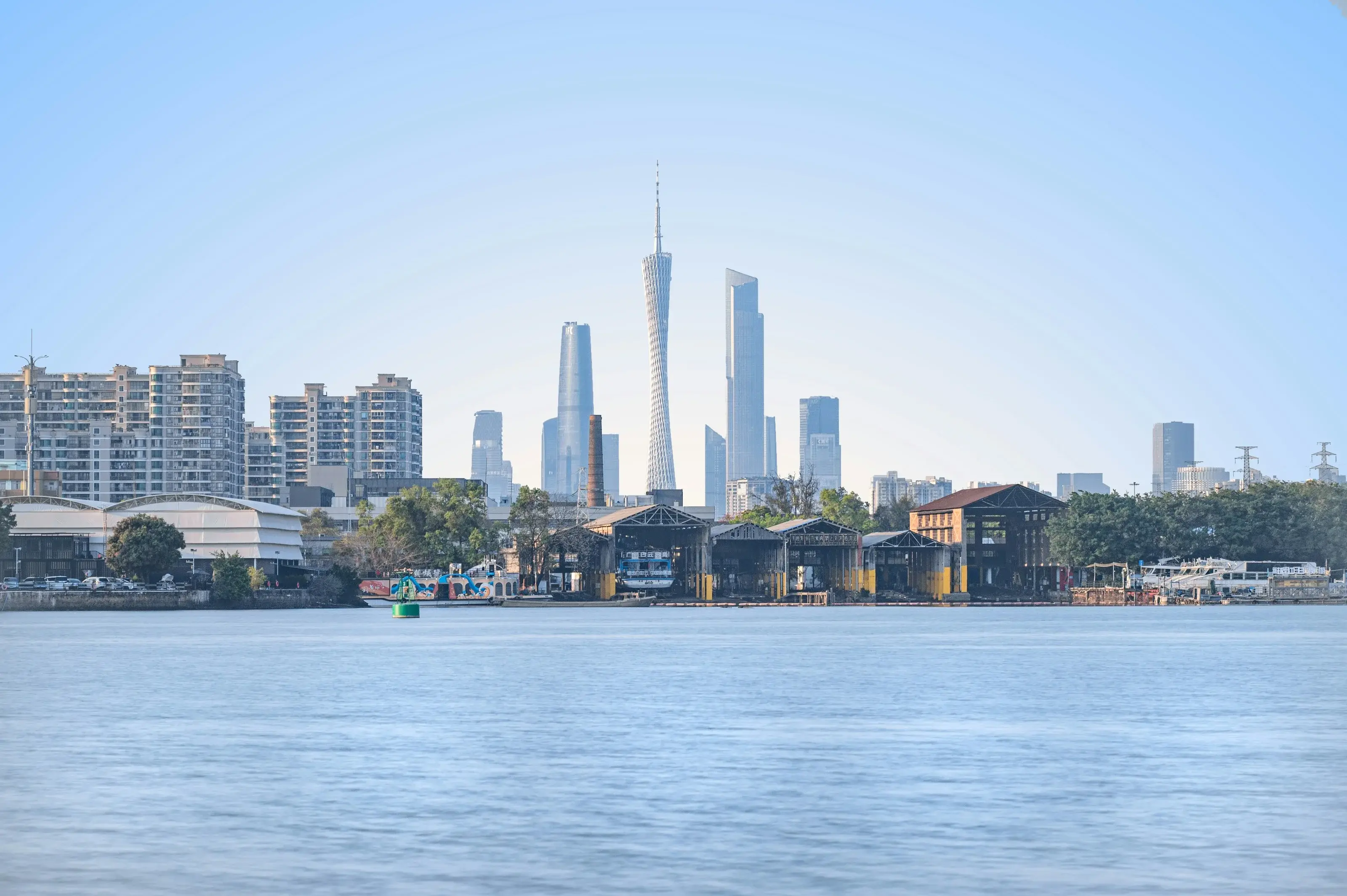 3 days After the Last Booth Guangzhou From $840 View route
  13 days All the Way West Xi'an → Dunhuang → Turpan → Kashgar → Shanghai From $3,500 View route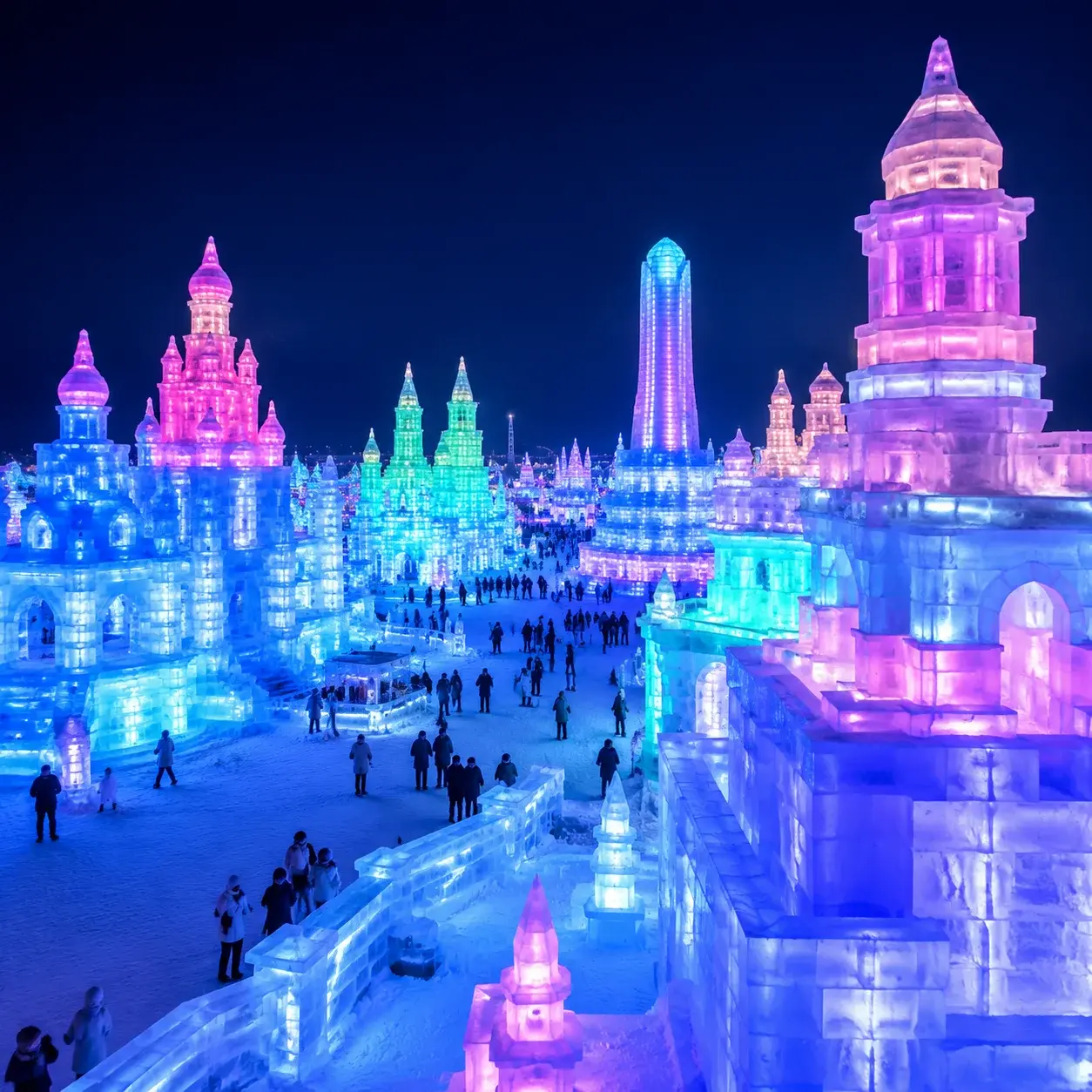
Is the Harbin Ice Festival Worth It? 2026-27 Dates, Ticket Prices, and How Cold It Really Gets
Yes — for most travellers the Harbin Ice and Snow Festival is a genuine once-in-a-lifetime spectacle: an entire illuminated ice city that no photograph prepares you for. The honest condition is that it only pays off if you plan around the cold rather than fighting it. Two full days, dressed as a system rather than a coat: unforgettable. One rushed, under-dressed day: brutal.
Harbin is the capital of Heilongjiang province in China's far northeast, roughly a 4–5 hour bullet-train ride from Beijing, and in deep winter it routinely sits between −15°C and −25°C, dropping to −30°C or below before wind chill. This page is a winter-destination guide, not a tour listing — and it says plainly where the numbers are official, where they are competitor estimates, and where nobody knows.
That last part is not a disclaimer, it is the point. At LyrikTrip we plan Harbin in winter every season, and the questions that actually change someone's trip are never the ones the top search results answer: who gets in free and who has to enter a lottery for it, which ride a 68-year-old is barred from, and what happens at 21:30 when the park is still open and the last metro has already gone.
Key Takeaways
- Worth it for most travellers who commit to the cold and give it two full days. A single under-dressed day is genuinely miserable — and if you truly cannot tolerate −25°C, reconsider.
- Tickets are ¥328 standard, ¥240 concession, and free for eight groups — but most free passes are not automatic. Six of the eight free categories must reserve in advance through the park's WeChat mini-store, capped at 2,000 free passes a day. The only two free groups that skip the reservation are children and licensed tour guides.
- Buying an ordinary ticket on a passport works — the free pass is where the terms go quiet. Official Harbin sources state that foreign visitors can purchase through the park's WeChat account, Ctrip, Douyin or Meituan, or at the on-site ticket hall, using a passport, and that a passport number can be used to place the order. But the free-pass reservation form asks for a Chinese ID number, and the free-entry terms name only a Chinese ID card. Treat "free for 65+" as a maybe if you are not travelling on a Chinese ID, and budget the ¥240 or ¥328 instead.
- December 20, 2026 and January 5, 2027 are the two dates to plan around — the ice park soft-opening and the official opening ceremony. The festival closes in late February, not at the end of it: last season's main park shut on 21 February 2026.
- Book flights and hotels in October, not January. Search demand for Harbin trip planning and Harbin flights peaks in November; the ice-festival queries peak in December and January. By the time you notice everybody searching, the cheap inventory is gone.
- Dress as a system, not a coat: thermal base (never cotton) → insulating mid → windproof thigh-length down outer, mittens over gloves, a balaclava, doubled socks, and disposable hand and foot warmers. Your phone will shut off in minutes if you keep it in an outside pocket.
- Two days for the city and all three ice and snow sites; three to four days to add Yabuli skiing, China Snow Town, or the Siberian Tiger Park. With young kids or grandparents, stretch it. One big attraction per day, with mandatory indoor warm-up downtime.
—
Who is this trip for? Start with your own row
Harbin is not one destination with one answer. Where you start reading — and what you should worry about — depends entirely on who is on the booking.
| Who you are | What you actually need from this page | Go to |
|---|---|---|
| Three generations travelling together — kids and grandparents on the same trip | The ticket reality first, because children and 65+ enter free through two completely different processes, then the two body limits that decide who is allowed on which ride. This is the row most people get wrong. | How much are tickets… → Travelling With Kids, Grandparents, or Both |
| A couple or adult group with the festival as the main event | The day/night split across the three sites, and the per-hour maths on a ¥328 ticket so you know how long you actually need to stay to get your money's worth. | Is it worth it? → The Three Ice and Snow Sites |
| Budget-first | What the ¥240 concession actually requires (three of its four conditions are defined by Chinese documents), and the one genuinely free, genuinely uncrowded site in the city centre. | How much are tickets… |
| Photographers | Day and night are two different products — snow sculptures are not lit at night, and ice buildings only read as ice once the lights come on. Getting this backwards is the most common wasted day. | The Three Ice and Snow Sites |
| Passing through on a single day | Whether one day is survivable at all, and which single site to spend it on. | How many days do you need |
| Anyone arriving without cold-weather gear | What to buy before you fly versus what can be rented once you land, and the layering system that actually holds for four hours outdoors. | How cold is Harbin |
—
Is the Harbin Ice Festival Worth It? (Honest Verdict)
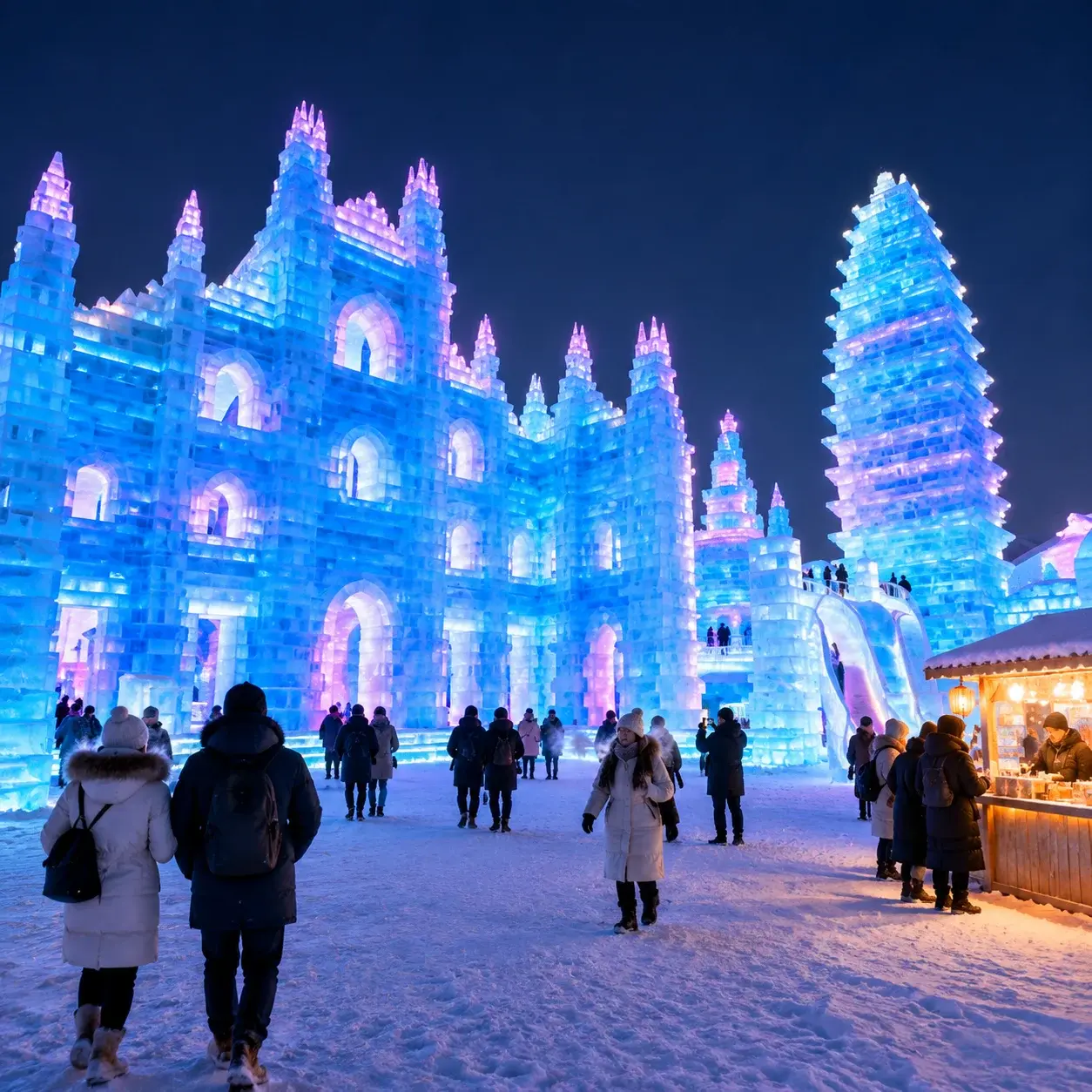
Yes, for most travellers — an entire city of illuminated ice architecture is a bucket-list spectacle that genuinely no photograph does justice. But the honest condition is that it only works if you plan around the cold rather than fighting it. The difference between "once-in-a-lifetime" and "brutal" isn't Harbin — it's whether you dressed as a system and gave yourself time to warm up.
Go if you:
- Will dress properly (a real layering system, mittens, hand warmers, a face cover) and give the festival two full days.
- Want a genuinely unique winter experience and don't mind planning your day around indoor warm-up breaks.
- Are travelling with kids old enough to enjoy ice slides and can accept a slower, one-attraction-a-day pace.
Reconsider if you:
- Can't realistically tolerate −25°C, even well dressed, or have a cold-sensitive health condition without medical clearance (see the cold-health note below).
- Have only a single rushed day — it's possible, but cold and hurried, and we honestly don't recommend it, especially with young children.
- Won't budget time (and money) for warm gear and indoor breaks.
The maths that actually decides it: cost per hour outdoors
Most pages argue about whether ¥328 is expensive. That is the wrong unit. A standard adult ticket buys you 3–4 usable hours of outdoor exposure inside the park — past that, most people are done, not because the park ends but because they do. So the real figure is ¥82–109 per hour.
That reframes the whole decision:
- Stay 4 hours and it's about ¥82/hour. On any international comparison for a world-unique attraction, that is cheap — and it is the outcome you get from arriving late afternoon, as it gets dark, properly dressed.
- Leave after 1.5 hours and it's about ¥219/hour. At that point the problem isn't the ticket price. It's that you entered in daylight, dressed too lightly, and never planned a warm-up cadence — so you burned a full-price ticket on the coldest and least photogenic third of the show.
- Add the crowd-avoidance trick and the maths changes again. Aiming to enter before 2pm and return after 8pm requires two entrance tickets — ¥328 × 2 = ¥656 — a detail almost every retelling of that tip drops. Then the question becomes: do you want eight hours in the park across two nights, or three hours on one?
Six things visitors assume about Harbin that the official terms contradict — age limits, opening hours, closing dates and how the ice is even made — are collected in our LyrikTrip Myth-Buster near the end of this page. If you only read two sections, read this one and that one.
When Is the Harbin Ice Festival? (2026-27 Dates and the Soft-Opening Trap)
The Harbin Ice and Snow Festival officially runs from early January to late February, but the ice is usually built and lit weeks earlier — from a "soft opening" around 20 December — so the real window is mid-December to late February. Most competitors blur the official opening ceremony with the point the ice is actually standing; the distinction matters if you want the full experience without the opening-day crowds.
For 2026-27, published planning content reports the main ice park soft-opening around 20 December 2026, with the official opening ceremony on 5 January 2027, and the festival continuing roughly two months into late February 2027 (ChinaHighlights festival guide, verified 2026-07-04). Sculptures typically begin melting and closing in early-to-mid March. Exact dates — and each venue's individual open and close days — are set annually by the organisers, so treat everything here as indicative and confirm against official sources before booking.
| Milestone | Typical timing | 2026-27 (indicative, verify) |
|---|---|---|
| Soft opening (ice built and lit) | ~20 December | ~20 Dec 2026 |
| Official opening ceremony | Traditionally 5 January | 5 Jan 2027 (reported) |
| Peak season (coldest, priciest) | Early–late January | Jan 2027; avoid Chinese New Year for crowds/prices |
| Festival close / melt begins | Late February → early-mid March | Late Feb 2027 (last season's main park closed 21 Feb) |
The trap is at the end of the season, not the start
Everybody warns you about the soft opening. Almost nobody warns you about the other end, and that is the one that has actually ruined trips.
The 27th edition of Harbin Ice and Snow World closed on 21 February 2026 — an official closure announcement, with refunds paid through the original booking channel. That is late February's first half, not its last. A travel writer at babagoeschina.com arrived on 19 February 2026 to find the park already shut and lost the trip; the site's own record of that date is the cleanest independent confirmation that "late February" reads much shorter on the ground than it does in a planning table.
So: if your trip is built around the ice park, do not book for the last week of February. Treat the third week of the month as the end of the runway. The 28th edition's own closing date is not yet announced, and the two Taiwanese travel agencies publishing the most detailed 2026-27 preview differ on it — one says the park runs to the end of February, the other to the last days of February or the first days of March. Neither is an official announcement.
The crowd-avoidance tip most experienced visitors share still holds: aim for early-to-mid January or February, skipping both the official opening ceremony and the Chinese New Year holiday, when prices spike and sites are busiest. Chinese New Year falls on 6 February 2027, which puts the most expensive week of the season squarely inside the last third of the runway — another reason not to leave your booking late.
When Should You Actually Book — and Why the Booking Rush Is Two Months Early
The month you book and the month you travel are two different months, and on this destination they are one to two months apart. Searches for Harbin trip planning and Harbin flights peak in November. Searches for the ice festival itself peak in December and January. If you start planning when the festival chatter peaks, the flights and the hotels have already been picked over — which is exactly what happens to most first-time visitors.
Our LyrikTrip Booking-Lead Clock runs backwards: tell it your travel dates and it tells you the date you should book by.
The two peaks, and why they are not the same peak
| What people are searching for | When it peaks | What that means for you |
|---|---|---|
| Harbin trip planning and Harbin flights | November (measured annual peak; roughly four times the summer trough) | This is when the market is placing orders. Hotel inventory at the Central Street end and the good flight connections start thinning here — not in January. |
| The ice festival itself | December – January (the single highest-demand month is December) | This is when the market is reading about it. It is a legibility peak, not a price peak. Everything good has already been booked by people who moved in November. |
The gap between those two rows is the single most useful planning fact on this page. Public content says "book early" and then gives you a table of temperatures. The measured demand says something far more specific: the booking decision belongs to autumn, and the season everyone pictures is already the late window.
The clock, run backwards
Find your travel dates on the left and work backwards. These are planning defaults, not guarantees — the soft-opening date in particular is normally only confirmed in early December.
| You plan to travel | Book flights and hotels by | Buy ice-park tickets | Why |
|---|---|---|---|
| Mid-to-late December 2026 (the soft-opening window) | October 2026 | Mid-December, once the open date and prices are officially confirmed | The demand peak for flights lands in November; the soft-opening date is often only confirmed at the start of December, so the flight commitment has to come first |
| January 2027 (coldest, fullest, most expensive) | October 2026 | Mid-to-late December | This is both the festival's peak and the coldest month. It is also the most-anticipated window, which means it is the first to sell out at the good end |
| February 2027 (avoiding Chinese New Year, 6 Feb) | October–November 2026 | Mid-January | Chinese New Year week is the price spike of the season. And do not book the last week of February — see the closing-date trap above |
| Winter school holidays (mid-January to mid-February) | October 2026 | Book the ice slide the moment you can | The most detailed 2026-27 previews describe this stretch as the period when both tickets and the big ice slide reservation become extremely tight |
The one-line version: the best time to book flights and hotels for Harbin is October, not January. Search volume tells you when the ice lights up, not when the prices are lowest — and those are two months apart.
The Three Ice and Snow Sites — Which to Prioritise (and When to Go)
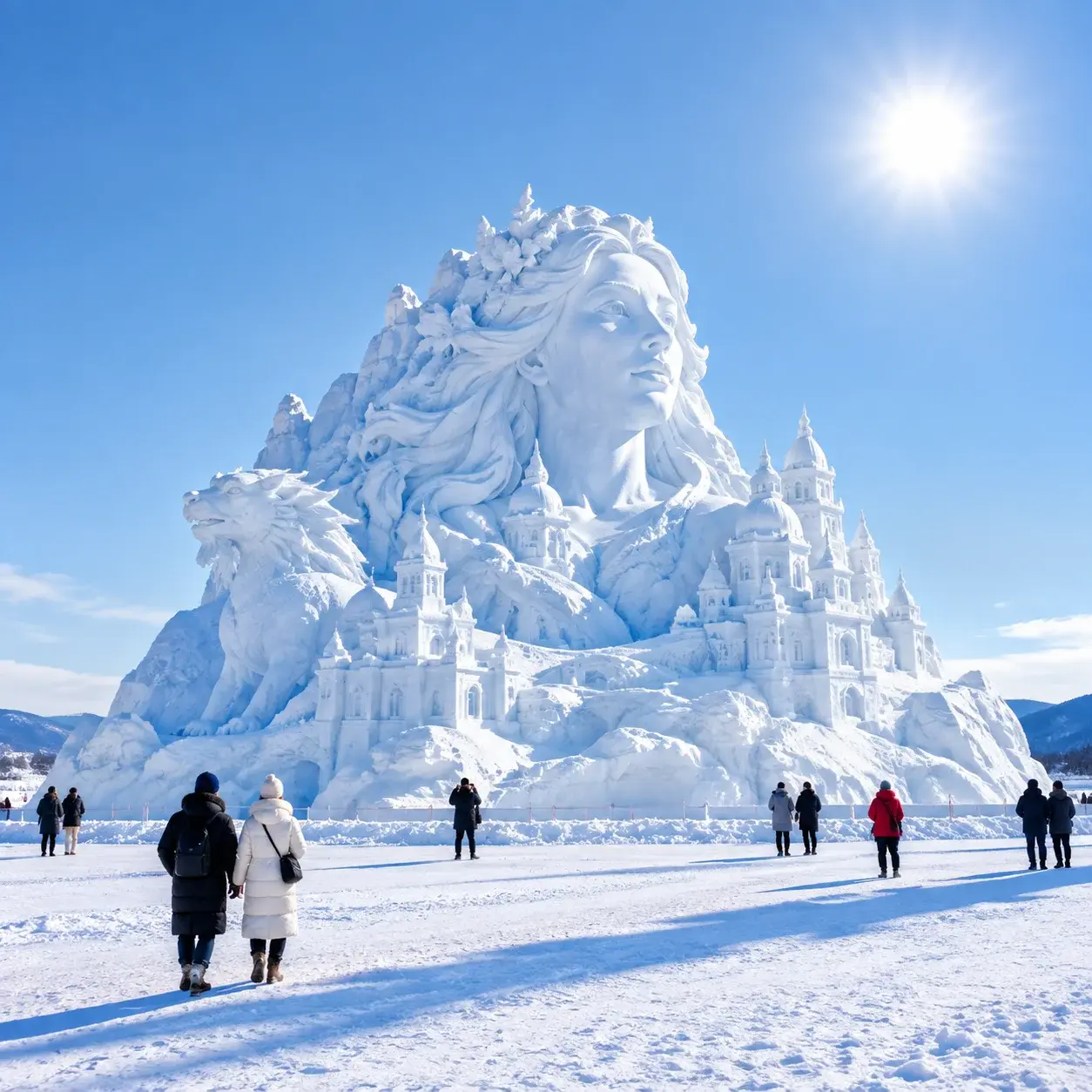
Harbin Ice and Snow World is the unmissable one — a giant illuminated ice city best seen after dark; Sun Island is a daytime snow-sculpture park (snow, not ice); and Zhaolin Park is a small, free ice-lantern add-on for the evening. Because Harbin gets dark around 16:00 and the ice only truly comes alive when lit, the single most useful planning rule is to save Ice and Snow World for late afternoon into the night.
Every guide lists these three sites as if they were co-equal. They aren't — and if you only have limited hours in −25°C cold, the order and timing decide whether you see the best of Harbin or pay full price for a half-finished version of it. The LyrikTrip Half-Day Site Selector sorts the three sites by which half of the day each one belongs to:
| Site | Ice or snow / what you see | Best time | Typical hours (verify) | Time needed | Priority |
|---|---|---|---|---|---|
| Harbin Ice and Snow World | Giant illuminated ice architecture — a whole ice city | Late afternoon → after dark | ~10:00–21:30/22:00 | 3–4 h | Must-do #1 — go for the lights |
| Sun Island Snow Sculpture Expo | Monumental snow sculptures (snow, not ice) | Daytime | ~08:00–16:00 | 2–3 h | #2 (daytime) |
| Zhaolin Park ice lanterns | Smaller, traditional ice lanterns; free entry | After dark | ~09:00–21:00 | ~1 h | #3 — free evening add-on |
One day, in the right order
| Clock time | What to do | Why this slot |
|---|---|---|
| Morning to ~13:00 | Sun Island Snow Sculpture Expo | The snow sculptures are not lit at night — daylight is the only time they work, and it naturally off-peaks against the ice park |
| 13:00–15:30 | Back into the city: lunch, a stretch of Central Street, indoor warm-up | A forced warm-up block, and the cadence your body needs before a long evening outside |
| 15:30–16:00 | Enter Harbin Ice and Snow World | You walk in as it gets dark (~16:00) and the lights come on around you. It is the warmest, least crowded and most photogenic entry window of the day |
| 16:00–20:30 | Inside the ice park, with one indoor warm-up stop | 3–4 hours is the realistic outdoor limit for most people, however good the gear |
| 20:30–21:30 | Exit → Zhaolin Park if you still have anything left | Free, central, about an hour — and the easiest thing on the itinerary to cut |
| After 21:30 | Getting back into town | This is where most trips go wrong. See How do you get to Harbin below |
Three quick read-outs:
- The must-do: Enter Ice and Snow World in late afternoon, around when it gets dark (~16:00), and stay into the evening — the illuminated ice is the entire reason you came, and daytime is only half the show.
- The daytime one: Sun Island is snow sculpture, best in daylight — it naturally off-peaks against Ice and Snow World (day here, night there).
- The free quick one: Zhaolin Park sits near Central Street, takes about an hour, and is the most family-friendly of the three: small ice slides, ice blocks still unfinished that you can watch families compete over, and a location you can walk out of at any moment.
What is different this year: three ticket halls, and the slowest one is the metro one
China Discovery's 2026-09 detail on the park notes three separate ticket halls — east, south and west — each with free self-service lockers inside, and notes that in peak season the east hall is the busiest, because the majority of visitors arrive by metro and the east hall is the closest exit. The practical read-out is the counter-intuitive one: the hall nearest the metro is the slowest hall. If you are arriving by taxi or by DiDi, ask for the south or west hall and you will very likely walk straight in.
Two numbers worth knowing before you plan a light-and-camera day:
- The park is reported at 1,000,000 m² by ChinaHighlights and 600,000 m² by Fanketravel, both checked on 25 September 2026 — and the Taiwanese 2026-27 previews describe the upcoming edition as 1,200,000 m². Three figures, three sources, and no official figure published yet — so the honest statement is several-hundred-thousand to low-million square metres, unconfirmed by the organisers.
- The ice is not made in December. Ice harvesting for the 28th edition began on 15 January 2026, reported by CNR Heilongjiang (hlj.cnr.cn) — the ice is cut from the Songhua River the previous winter and stored. The Taiwanese previews put the 28th edition's ice volume at 400,000 m³. This is the single most commonly repeated wrong fact about Harbin, and it is why the soft-opening dates hold even in an unusually warm December.
If you are doing the free option on the way home: Zhaolin Park is free, opens roughly 09:00–21:00, holds 300-plus ice sculptures, and sits in the city centre (ChinaHighlights, checked 25 September 2026). It is not a substitute for Ice and Snow World. It is the zero-cost nightcap, and for small children it is arguably the better hour of the two.
How Much Are Harbin Ice and Snow World Tickets — and Who Gets In Free?
Standard adult admission is ¥328, the concession ticket is ¥240, and eight groups enter free — but free entry is not automatic. Six of those eight groups must reserve a free pass in advance through the park's WeChat mini-store, capped at 2,000 free passes per day. Children and licensed tour guides are exempt from the reservation and walk in on their documents. Buying an ordinary ticket on a passport is explicitly supported — the park's own ticket channels list passports. The free pass is the part where the terms go quiet: the reservation form asks for a Chinese ID number and the 65+ row names "the original personal ID card", with no mention of a foreign passport anywhere in the free-entry wording.
The three tables below are the whole ticket system. Use our LyrikTrip Ticket-Gate Decider: find your row, and it tells you where to buy, whether you need to reserve, and how early to act.
First, the year this price belongs to
This matters more than the number itself, and no competitor publishes it.
The official Harbin Ice and Snow World ticketing site was still displaying "the 27th Harbin Ice and Snow World" as of 25 September 2026. Every price in the tables below is therefore the 27th edition (2025-26 season) official price. The 28th edition (2026-27) official prices had not been published at the time of writing. The Taiwanese travel agencies publishing 2026-27 previews expect the standard ticket to hold at ¥328 and the concession at ¥240, and one lists an opening-week promotion of ¥298 — but a travel agency's expectation is not an official price, and we are labelling it as one only here.
Table A — the three ticket types
| Ticket type | Official price (27th edition = 2025-26 season) | Who can buy it | |—|–:|—| | Standard adult ticket | ¥328 per person | Anyone | | Concession ticket | ¥240 per person | Four defined groups — see Table B | | Free sightseeing ticket | ¥0 | Eight defined groups — most must reserve, see Table B |
VIP and package pricing does not agree across sources, so here is the disagreement rather than a conclusion: China Discovery lists a VIP / fast-track ticket from ¥988 and packages at ¥428–498; the Taiwanese 2026-27 previews describe a VIP pass at ¥800 including fast-track entry and no booking required; and the official 27th-edition ticketing page does not list a VIP price at all. Verify before you travel (checked 2026-09).
Table B — who qualifies for the £240 ticket, and who enters free
Concession ticket (£328 → £240). Four conditions:
| # | Condition | Documents required |
|---|---|---|
| ① | Children over 6 years old or over 1.2 m in height (exclusive of both thresholds) | Original child ID card, or original household register |
| ② | Full-time students aged 24 or under, at undergraduate level or below | Original personal ID card plus valid student card |
| ③ | Visitors with disabilities | Original disability certificate plus original ID card |
| ④ | Harbin city residents (including all nine urban districts and nine counties) | Original ID card whose issuing district or registered address qualifies |
Read condition ④ plainly: it applies only to people registered as residents of Harbin, and it has nothing to do with you. Condition ③ is invisible on every English competitor page we checked, including the one that otherwise lists prices. Condition ② is defined by a Chinese student card. In practice, the only concession condition a foreign visitor can usually use is ① — children.
Free sightseeing ticket (£0). Eight groups:
| # | Group | Documents | Reservation required? |
|---|---|---|---|
| ① | Children 1.2 m or shorter, or 6 years old or younger | Age by date of birth; must be accompanied by an adult who holds a ticket | ❌ No reservation |
| ② | Visitors aged 65 and above | Original personal ID card; an adult companion is recommended | ✅ Reservation required — 2,000 per day |
| ③ | Serving, disabled and retired military personnel, plus the families of martyrs and of personnel who died in service | Relevant service or veterans' certificates | ✅ Reservation required |
| ④ | Fire and rescue personnel | National fire and rescue service certificates | ✅ Reservation required |
| ⑤ | Police officers | People's Police or judicial police certificate | ✅ Reservation required |
| ⑥ | Journalists | Press card issued by the national press and publication administration | ✅ Reservation required |
| ⑦ | Photographers | China Photographers Association membership card | ✅ Reservation required |
| ⑧ | Licensed tour guides leading a group | Guide certificate plus a valid tour plan | ❌ No reservation |
Two things in that table are the whole story. First: six of the eight free categories need a reservation, and the reservation runs through the park's WeChat mini-store with a daily cap of 2,000 passes. Children and guides are the only two that do not. Second: every free category is verified against a document, and the 65+ row names one document only — the original Chinese ID card. There is no mention of a foreign passport anywhere in the free-entry terms, and simultaneously the only booking channel for the free pass is a WeChat mini-store, which normally requires Chinese ID verification to register against.
Table C — the same question, answered separately for two kinds of visitor
This is the table nobody else publishes, because answering it honestly requires admitting what the official terms leave out.
| Question | Travelling on a Chinese ID card | Travelling on a foreign passport |
|---|---|---|
| Who enters free at 65+? | 65 and above, on the original ID card, with a mini-store reservation | The official terms do not say. Free entry is defined entirely by the Chinese ID card, and a foreign passport is not mentioned |
| Who gets the ¥240 concession? | Children or students under 24 or visitors with disabilities or Harbin residents | Children, normally judged at the on-site ticket window on the passport's date of birth. The student, disability and Harbin-resident conditions are defined by Chinese documents and do not apply to short-stay visitors |
| Who must reserve? | 65+ and categories ③–⑦: reserve in the WeChat mini-store, 2,000 free passes a day | Whether the mini-store reservation can be completed at all is not stated officially. A WeChat mini-store normally requires Chinese ID verification, so the working assumption should be that the free pass is unavailable and the ticket is bought on site — verify before you travel (checked 2026-09) |
| Who needs no reservation? | Children and licensed tour guides — walk in on documents | Same. Children do not need a reservation |
| Where do you buy? | The park's WeChat mini-store for free passes; on-site windows; official channels otherwise | Ordinary tickets: online or on site, on a passport. Harbin Radio and Television (22 December 2024) states that foreign visitors may buy through the park's official WeChat account, Ctrip, Douyin or Meituan, or at the on-site ticket hall, using a passport or a foreign permanent-resident ID; Harbin's local-government information portal adds that a passport number can be used to place the order online, with a QR code in the confirmation message scanned at the gate. ChinaHighlights states that official online booking is open only to Resident Identity Card holders — we are publishing the contradiction rather than resolving it, because both statements come from parties with direct knowledge. What is not in dispute: an on-site window staffed for passport holders exists |
| How do you get in? | ID card scanned at the gate | Passport, or the travel/permanent-residence permit, exchanged at the ticket window |
The sentence we would ask you to remember, in full: 65+ entry is free, but it requires an advance reservation in the official WeChat mini-store, capped at 2,000 passes a day, and whether that reservation is open to foreign passport holders is not stated officially — children and licensed tour guides are not subject to it.
Do not write "seniors get in free" on your budget sheet. If you are not travelling on a Chinese ID card, budget ¥240 or ¥328 for the 65+ traveller and treat free entry as an upside you may or may not get. This is the single highest-value piece of planning advice on this page, and it comes from reading the official Chinese-language terms rather than the English summaries of them.
And the second sentence, which belongs in the same breath: on the same three-generation trip, the children and the grandparents go through two completely different ticket processes. Children walk in free without a reservation. Grandparents' free entry is a capped reservation the family may not be able to complete. Plan the two separately, and never on the assumption that one implies the other.
Table D — the decision, in five rows
| You are | Where you buy | Do you need to race for it? | When to act | What you pay |
|---|---|---|---|---|
| 65+, on a Chinese ID card | Reserve a free sightseeing ticket in the park's WeChat mini-store | ✅ Yes — 2,000 free passes a day | The day before you go, not on the day | ¥0 |
| 65+, on a foreign passport | The on-site ticket window (whether the mini-store works is not stated) | ⚠️ Assume you will not get one of the 2,000 | Leave time for the window queue; do not put "free" in the budget | ¥240 or ¥328, as judged at the window |
| Travelling with children | On-site window or official channels | ❌ 1.2 m or under / 6 and under are free and need no reservation; taller or older children pay ¥240 | No reservation needed, but an adult holding a ticket must accompany them — bring the child's document | ¥0 or ¥240 |
| A licensed tour guide leading a group | Straight in on the guide certificate plus a valid tour plan | ❌ No reservation | The tour plan must be valid or it will not be accepted | ¥0 |
| Just want the cheapest legitimate ticket | On-site window, judged on documents | — | Of the four concession conditions, only the children's condition is likely to apply to a foreign visitor | ¥240, or ¥328 if you do not qualify |
One more administrative detail, from China Discovery's 2026-09 listing: same-day tickets can be bought up to 21:00, and the same ID document can only book one ticket per day. Whether that one-per-document rule applies to passport documents is not stated. Verify before you travel (checked 2026-09).
Popular attractions inside the park are a separate lottery. The Snowflake Ferris Wheel, the super ice slides and the ice ballet require a scan-and-reserve after you are inside the park, and a reservation does not guarantee a place. Free attractions require queuing, and there is no refund for one you did not get to ride. Verify before you travel (checked 2026-09).
How Cold Is Harbin — and How Do You Survive −30°C? (Gear Checklist)
Harbin winters average roughly −15°C to −25°C and regularly drop to −30°C or below before wind chill, with January the coldest month. At these temperatures, cold stops being a comfort problem and becomes an operational one: your phone can shut off within minutes, camera batteries die, touchscreen gloves stop responding, and exposed cheeks, nose, and ears can begin to be at risk. The fix is a system, organised by line of defence — not a single expensive down jacket.
Two source disagreements you should know about before you pack. On temperature, ChinaHighlights describes Harbin's winter as −25°C to −10°C while Trip.com describes it as −20°C to −30°C (both checked 25 September 2026). On humidity, ChinaHighlights puts it at roughly 2%, which is the number that explains why your lips crack and why static is a real problem here. We are not going to average them: the honest planning assumption is that you should be prepared for the cold end of Trip.com's range, because being over-prepared in Harbin costs you nothing and being under-prepared costs you a day.
This is the section every competitor skips. "Dress in layers" is not a plan. Here is the layered system that actually holds up outdoors for hours in an ice park:
| Defence layer | What to wear / carry | Why it matters at −30°C |
|---|---|---|
| ① Base layer | Merino or synthetic thermal top and bottom — never cotton | Sweat is the hidden danger: cotton soaks it up, freezes against your skin, and pulls you towards hypothermia |
| ② Mid layer | Fleece or a down vest you can add or shed | Your only adjustable layer during 3–4 hours outdoors; you'll want to vent it entering heated spaces |
| ③ Outer layer | Windproof, water-resistant thigh-length down coat; insulated snow trousers over thermal bottoms | The windproof shell blocks wind chill — the real driver of frostbite risk — and length protects the large blood vessels in your legs |
| ④ Extremities | Insulated waterproof snow boots with grip + thermal liner sock and thick wool sock (doubled); ear-flap hat; windproof mittens (warmer than gloves); disposable hand and foot warmers | Fingers, toes, ears, and nose are the first casualties; mittens let fingers share warmth, and the cheap warmers are the single highest-value item you'll pack |
| ⑤ Face and eyes | Balaclava or thermal face mask; a thin touchscreen glove inside the mitten; sunglasses, because snow glare is real in bright conditions; expect glasses and lenses to fog and ice when you step indoors | Unprotected cheeks go numb within minutes in wind; the sudden move from −30°C into a heated room is what fogs and freezes your lenses — pause 30–60 seconds at the door |
| ⑥ Electronics | Keep your phone against your body inside a layer; carry a power bank; keep 1–2 spare camera batteries warm in an inner pocket and rotate them | Lithium batteries lose voltage fast in extreme cold — phone capacity is commonly reported as roughly halved, and a phone can power off within minutes. Running out of battery halfway through Ice and Snow World is the classic Harbin mistake |
How long can you stay outside? (Warm-up cadence)
No competitor tells you how long to stay out or how often to warm up. Use this as a rough operational rhythm — not a medical rule — and adjust to your own tolerance and the wind on the day (all indicative, verify conditions locally):
| Feels-like / wind | Suggested single outdoor stint | Warm-up rhythm | Stop signals — go inside now |
|---|---|---|---|
| Around −20°C, little wind | ~45–60 min | 10–15 min indoors each hour | Fingers/toes going numb, speech getting sluggish |
| −25°C to −30°C, light wind | ~20–30 min | Warm up every 20–30 min | Cheeks or nose-tip tingling, fingertips losing feeling |
| Wind chill near −28°C (−20°F) or colder | Short stints, frequent breaks | Warm up often; don't push "one more photo" | Skin turning pale or white, loss of feeling = possible frostbite; shivering, slurred speech, clumsiness = possible hypothermia |
Where you actually warm up inside the park. Xinhua's report on the 26th edition's opening says the park "added multiple heated rooms where visitors can step in to warm up and rest at any time", and that the Ice and Snow Food Hall serves hot food — malatang, barbecue, iron-pot stew. The park's own government-facing coverage adds that a roughly 300-metre windproof warmed shelter with heating equipment was built at the queue for the super ice slide. Visitor write-ups from the 2025 season name a third: a brand-operated warming station directly beneath the ferris wheel, which one account measured at 26°C inside against −20-something outside. Taiwanese operator guides list the same two categories — "heated rooms and the Ice and Snow Food Hall" — and advise ducking indoors every 40–50 minutes.
What is not published, and therefore not on this page: how many heated rooms there are. The official wording is "multiple" and stops there. Use the three documented anchors above as your plan — the food hall, the slide queue shelter, the ferris wheel station — and treat any other warm doorway you spot as a bonus rather than something to navigate by.
A cold-health note (please read as general guidance, not medical advice). According to the U.S. National Weather Service wind-chill guidance, exposed skin can begin to suffer frostbite in about 30 minutes when the wind chill is around −28°C (−20°F), and that window shrinks to roughly 10 minutes near a wind chill of −40°C, with a further, shorter band beyond that (weather.gov wind-chill chart, referencing NWS/CDC, checked 2026-09). Early frostbite shows as numbness and skin turning pale or white (commonly on fingers, toes, ears, and nose); hypothermia shows as shivering, slurred speech, and confusion and needs prompt medical attention. Cover cheeks, nose, ears, fingers, and toes; warm up on a regular cadence. If you are rewarming a suspected frostbitten area, do not use hot water, a radiator, or any direct heat source — that is the mistake that turns a numb finger into a burn. And if you have a heart, lung, or circulatory condition — or you're travelling with very young children or older relatives — consult a doctor and heed official cold-weather warnings before the trip. This is general safety information aligned to public NWS/CDC guidance, not a medical instruction.
For the packing side of this — how to fit a real winter layering system into carry-on luggage rather than a checked bag — our  family packing list covers the weight and space maths.
How Many Days Do You Need in Harbin? (And Does It Work With Kids?)
Two full days covers the city and all three ice and snow sites at a humane pace. Three to four days adds the northeast add-ons below. A single day is possible but genuinely brutal in the cold — and with young children, plan on stretching the trip. With kids the ice slides are a universal hit, but the winning formula is one big attraction per day with mandatory indoor warm-up downtime.
Here's how the days map to who you're travelling with:
| Your situation | Suggested days | Daily intensity | Key reminder |
|---|---|---|---|
| Adults / couples, festival only | 2 full days | One daytime site + Ice and Snow World at night | Day 1: Sun Island (day) + Zhaolin (night); Day 2: Central Street + St. Sophia (day) + Ice and Snow World (night) |
| Travelling as three generations (children and grandparents) | 3 days minimum | One major site per day, never two | Children free without a reservation; 65+ a capped reservation you must confirm before you fly. Build in a daily indoor block and treat taxis as non-negotiable |
| Want to add skiing / Snow Town / tigers | 3–4 days | Add Yabuli, China Snow Town, or the Siberian Tiger Park — each a full day | These are full-day trips; don't cram them into your two festival days |
| Travelling with young or school-age kids | Stretch to 3+ days | One big attraction per day | Mandatory indoor warm-up downtime, spare gloves and socks, taxi/DiDi over cold bus waits; the ice slides are the highlight |
| Only 1 day (layover / passing through) | 1 day (brutal) | Save it for Ice and Snow World at night | Honestly: doable but rushed and cold — not recommended with kids |
The third-party consensus on the two-to-four-day range is unusually consistent. Reddit's r/travelchina contributors put it at "not enough to occupy more than three to four days, festival included"; Fanketravel suggests two to three; Babagoeschina — whose author lost a trip to the closing date — suggests three to four with a budget of roughly $100–150 a day and a base on Central Street. Take three numbers from three different kinds of source and they land on the same window.
If you're pairing Harbin with warmer, southern China first, Shenyang sits about an hour south by bullet train and makes a natural warm-up gateway city — see our Shenyang travel guide for the easy combine.
Our 7-day Harbin winter route is the only winter itinerary we currently run in the northeast, and it is worth being precise about what it is: it runs Shenyang → Changchun → Erdaobaihe → Harbin over seven days. It does not include China Snow Town, and it does not go to Yabuli or any ski resort — those are separate add-ons, and we would rather you know that before you compare it against something it is not.
Traveling With Kids, Grandparents, or Both
Free entry does not mean full access, and on a three-generation trip that gap is where trips go wrong. The 521 m and 210 m super ice slides are closed to anyone 61 or over and require riders to be over 15 and over 160 cm; the Snowflake Ferris Wheel excludes anyone with a fear of heights, heart conditions, high blood pressure, mental illness or limited mobility, plus pregnant and intoxicated visitors, and children under 1.3 m must be accompanied by an adult. So on the same trip, a 68-year-old may enter free and be barred from the slide, while a 12-year-old pays ¥240 and rides it.
The LyrikTrip Ride-Eligibility Filter is the table to read before you promise anyone a slide ride.
| Attraction | Hard limits | Who can ride | Who cannot |
|---|---|---|---|
| Super ice slides (521 m and 210 m) | Must be over 15 years old and over 160 cm; nobody aged 61 or above, without exception; ages 55–60 at their own discretion | Teenagers and adults over 160 cm and over 15 | Anyone 61+ · anyone 15 or under · anyone 160 cm or shorter · also barred: pregnant women, intoxicated visitors, and anyone with epilepsy, cardiovascular or cerebrovascular disease, high blood pressure, heart disease, asthma, a physical disability, a fear of heights, or severe visual impairment |
| Snowflake Ferris Wheel | Children under 1.3 m must be accompanied by an adult | General adults; children above 1.3 m | Barred: anyone with a fear of heights, heart disease, high blood pressure, mental illness or limited mobility, plus pregnant and intoxicated visitors |
China Discovery carries these limits deep in its listing, which is why almost no reader reaches them before booking. We have put them here, next to the free-entry table, on purpose: the two must be read together. A family that reads only "65+ enters free" will plan a slide afternoon around a grandparent who is not permitted to ride it.
What this means for each generation, honestly:
- Children under 6, or 1.2 m or shorter: free, and no reservation. They can be accompanied only by an adult who holds a ticket, so the count of paying adults matters. The slides are the highlight of the trip for them, and the smaller slides at Zhaolin Park are free.
- Children over 1.2 m or over 6: ¥240 concession. Physically eligible for the super slides only once they clear both the age and height thresholds — a tall 11-year-old still cannot ride.
- Grandparents at 65+: the free ticket is a capped reservation whose passport support the official terms do not state, and the super ice slides are off limits at 61+, full stop. Plan their evening around the illuminated walk, the ferris wheel if they are able, and the heated stops inside the park — see the warm-up section below for the ones that are documented by name. One reported workaround worth knowing, not worth relying on: visitors have reported on travel forums that a 65+ traveller on a foreign passport was simply waved through free at the on-site window on production of the passport. That is a reader's account from a single visit, not a published rule, and the official wording has never said it. Budget ¥240 or ¥328 and treat free entry as an upside.
- Anyone with a heart, lung or circulatory condition: the cold itself is the constraint, not the rides. See the cold-health note above and talk to a doctor before booking.
⚠️ Renting winter gear in Harbin is real, established, and the figures repeat across independent sources — here is what they say, and the one number that matters most is the deposit. A rental counter inside Harbin Taiping International Airport, reported by Harbin Daily on 21 November 2024, hires out a full ski jacket at ¥299 for five days with a ¥500 deposit, does not charge for the collection day, and adds ¥50 per extra day; its stock runs sizes 110–185 across adult and parent-child sets — which answers the question Southeast Asian families ask first: children's sizes exist. Snow boots at that counter sell outright at ¥60–239. A separate consumer-press report describes a 12-piece cold-weather set — down jacket, down trousers, snow boots and the rest — at ¥498 for four days. A Harbin rental operator quoted by local media put daily hire at ¥30–50 with a ¥500 deposit per item, and an English-language Harbin operator quotes ¥50–150 per day across its packages. Read the spread honestly: a few tens of yuan per day for a short hire, a ¥500 deposit per item, and bring your own thermal base layers — it is the outerwear that gets rented. We have still not stood at a counter ourselves, so treat these as published figures rather than our own measurement. Our China travel guide for seniors covers the accessibility and pace side of travelling with older family, and if you would rather have the whole three-generation trip arranged around one pace rather than three, that is exactly what our private China trip planning service is for.
Harbin Beyond the Ice — Russian Heritage, Tigers, and Skiing
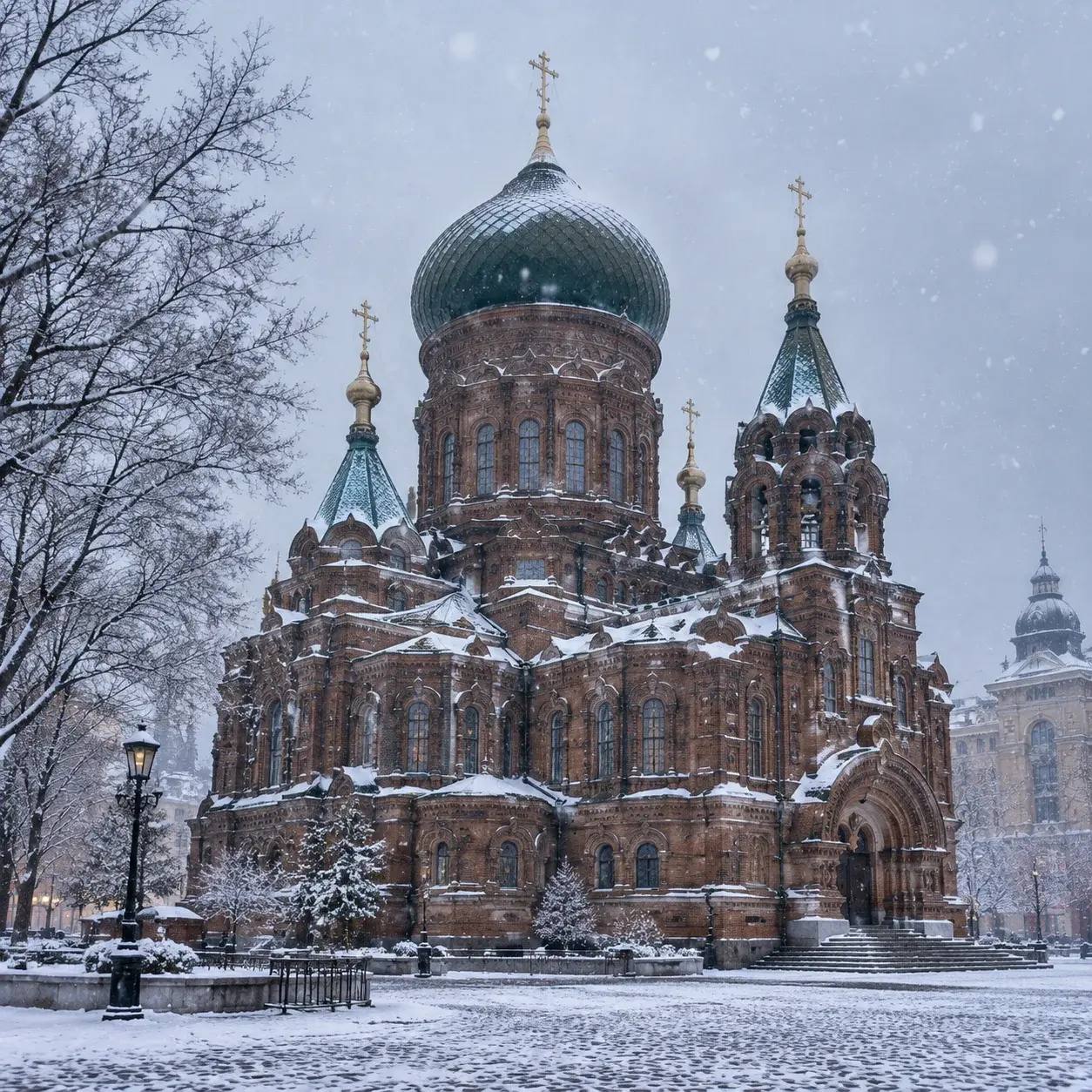
Harbin justifies the trip even beyond the festival: it's a former Russian-railway city with a European old town, an iconic Byzantine cathedral, a frozen river turned winter playground, a Siberian tiger reserve, and China's biggest ski resort within reach. This layer is also your weather hedge — if a blizzard or extreme cold disrupts your festival days, a walk through the old town is a "zero-ice" day that still works.
- Central Street (Zhongyang Dajie): the cobbled, Russian-era pedestrian boulevard lined with European architecture and — crucially in this cold — warm cafés and shops every few steps, making it the best "stroll and warm up" route in the city.
- St. Sophia Cathedral: the landmark Byzantine-Russian Orthodox church, and Harbin's most photogenic building in falling snow.
- The frozen Songhua River: winter ice activities including ice sailing, dog sledding, and ice slides — high-exposure fun, so warm up straight afterwards rather than lingering.
- Siberian Tiger Park: a family-friendly, multi-day add-on for wildlife lovers.
- Yabuli — China's largest ski resort — and China Snow Town (Xuexiang), a fairy-tale snow village — are full-day excursions that only fit into a three-to-four-day itinerary.
If your festival days get stormed out, treat Central Street plus St. Sophia plus a warm Russian meal as a complete, comfortable day — and the gentlest one for kids and older travellers.
How Do You Get to Harbin — and Back From the Ice Park at Night?
Most foreign travellers reach Harbin by high-speed rail — roughly 4–5 hours from Beijing and about 1 hour from Shenyang — or fly into Harbin Taiping International Airport (HRB), about 35–40 km from downtown. In deep winter, flight delays are common, so the bullet train is often the more reliable choice. And once you are here, the return leg from the ice park at night is a planning problem in its own right, for a reason that is entirely documented and yet almost never stated.
The LyrikTrip Last-Metro Escape Plan: the metro gets you there; a taxi gets you home.
The hard conflict: the last metro leaves before the park closes
There is a metro station named after the park itself — Line 2, "Harbin Ice and Snow World" — and the official site gives its first and last trains as 06:00–21:30. The park's own operating hours run to 21:30–22:00. Which means the last metro leaves at the moment the park closes, and anyone who walks out after 21:30 has already missed it.
That is not a warning about inconvenience. It is an arithmetic conflict between two officially published numbers, and it changes how you should plan the evening.
Getting there — the metro is the best option:
| Your starting point | Metro route (official) |
|---|---|
| Harbin Railway Station / Central Street / Harbin North / Shimao Avenue / Jiangbei University Town | Line 2 direct to "Harbin Ice and Snow World" station |
| Harbin East Station / Taipingqiao, Daowai district | Line 1, change at Bowuguan (Museum) station to Line 2 |
| Harbin West Station | Line 3, change at Zhujianglu station to Line 2 |
| Buses, including airport shuttle line 4 | Extra services are added during the festival period |
Getting home — plan the taxi before you need it:
| Option | Detail | When it works |
|---|---|---|
| ⚠️ Metro Line 2 | First and last trains 06:00–21:30 | Only if you are outside the gate before 21:30. After that there is no metro |
| ✅ Taxi or DiDi (the realistic answer) | Official reference fares: Central Street about ¥20 · Nangang Museum about ¥24 · Daowai Baroque about ¥26 | The only practical route home after 21:30 |
| Bus | First and last services reported as 06:00–21:30, with another source giving 05:30–21:30 | Same problem — gone before the park closes |
| Private car or pre-booked transfer | No published figure | The most forgiving option for three-generation groups and anyone with small children |
Distances from the park, officially published: Harbin Railway Station about 12 km / 25 minutes; Harbin West Station about 13 km / 30 minutes; Harbin Taiping International Airport about 39 km / 50 minutes; Gonglu Bridge about 5 km / 10 minutes.
Two accounts that look contradictory and are not. ChinaHighlights reports that buses and taxis drop passengers 2–3 km outside the entrance, and warns that getting a taxi at the end of the night is a nightmare. The official site publishes distances and reference fares. They describe different things — one is where a vehicle may drop you inside the venue area, the other is how far the park is from the city — so we publish both rather than pick one. Decide your way home before you go in, not at 21:45 when the lights go off.
The park also has a 200,000 m² parking area with one-way circulation on the surrounding road, and a visitor hotline on 400-639-1999, answered 09:30–21:30 — which, like the metro, stops answering before the park closes.
Getting out when the metro has gone
The metro is not the last option — there are official ¥2 shuttle routes running until 22:30, and almost nobody plans around them. Harbin's新区公交公司 ran two dedicated services for the festival, reported by The Paper's government-affairs account on 21 December 2024: Route 1 from the east gate to the Flood Control Monument, 17:00–22:30, departing from metro Exit 3; and Route 2 from the south gate to the Flood Control Monument, 18:00–22:30. Both charge ¥2 per person and dispatch according to demand or when full. Six city bus routes (47, 119, 125, 126, 127 and Business 11) also run extended hours, and a free shuttle links the east and south gates between 09:00 and 16:00 for arrivals and 16:00–18:00 for departures.
That matters because the last metro is 21:30 and the park closes at 22:00. Between roughly 20:00 and 21:30 — the departure peak — several tens of thousands of people leave at once. Roadside taxis become very hard to flag, ride-hailing queues on the app routinely run into the hundreds, and a wait of 40 minutes or more in near −30°C is described as normal (gochina.com.tw's 2026-27 Harbin guide, a Taiwanese operator's write-up, not an official source). Riders' own reports of the wait are consistent with that description.
What we have not measured: we have not stood in that queue on a peak night ourselves, so we cannot give you a measured wait time or a metered fare for a post-21:30 departure. What we can tell you is the workaround the operators themselves publish — the ¥2 shuttles run half an hour past the last metro and a full half-hour past closing, which makes "stay to the end, then take the shuttle" a viable plan rather than a gamble.
If China is your entry point, decide your gateway first — see which airport to fly into China — since many Harbin trips route through Beijing, then continue north by rail. For the arrival-airport-to-city leg on the Beijing end, our Beijing airport to city guide covers the ground transfer before you board the northbound train.
Four things that differ by where you are flying from
Hong Kong. Residents of Hong Kong travel into mainland China on the Mainland Travel Permit for Hong Kong and Macao Residents (the "Home Return Permit"), not on a passport plus a visa. If you are booking from Hong Kong, the correct document is the permit.
The Philippines. Philippine passport holders need a Chinese visa for this trip — the Philippines is not part of China's visa-free arrangements. Put the visa at the front of the timeline, not the week before departure.
Australia. Your season is inverted. December to February is the southern-hemisphere summer, which means you will be reading this — and shopping for it — in hot weather. Do not judge what to pack by the temperature outside your window.
Singapore and Malaysia. This is a zero-gear, first-snow audience. "Where can I rent a down jacket and snow boots" and "how do I prepare a child who has never seen snow" are the real questions here, not optional extras. Singapore's measured search demand for northeast-China skiing is higher than the United States', which tells you something about how much of this market is first-timers.
Frequently Asked Questions
When is the Harbin Ice Festival in 2026-27, and when does it end? The main ice park is expected to soft-open around December 20, 2026, with the official opening ceremony reported for January 5, 2027, running roughly two months to late February 2027 (ChinaHighlights, verified 2026-07-04). Exact dates are set annually — verify before booking.
Is the Harbin Ice Festival worth it? Yes, for most travellers who commit to the cold and give it two full days — the illuminated ice city at night is a genuine bucket-list spectacle. It's not worth it as a single rushed, under-dressed day, or if you truly can't tolerate −25°C even in proper gear.
How cold does Harbin get, and what should I wear? Harbin winters average about −15°C to −25°C and can drop below −30°C before wind chill (verified 2026-07-04). Dress as a system: thermal base (never cotton), insulating mid, windproof down outer, mittens, a balaclava, insulated boots with doubled socks, and disposable hand and foot warmers.
How many days do I need in Harbin? Two full days covers the city plus all three ice and snow sites at a reasonable pace. Add a third and fourth day for Yabuli skiing, China Snow Town, or the Siberian Tiger Park. A single day is possible but cold and rushed — not recommended with kids.
Is Harbin good with kids? Yes, and the ice slides are a highlight — but stretch the itinerary. Plan one big attraction per day, build in mandatory indoor warm-up breaks, pack spare gloves and socks, and use taxis over cold outdoor waits. Very young children on a single day is the one combination we'd steer you away from.
Harbin Ice and Snow World vs Sun Island — which should I do? Both, but at different times. Sun Island is a daytime snow-sculpture park; Harbin Ice and Snow World is the illuminated ice city best seen after dark. Since Harbin darkens around 16:00, do Sun Island by day and save Ice and Snow World for the evening.
Will my phone and camera work in the cold? They'll struggle. Lithium batteries lose charge fast at −25°C or below, and a phone can shut off within minutes. Keep your phone against your body inside a layer, carry a power bank, and keep 1–2 spare camera batteries warm in an inner pocket, rotating them as they fade.
How do I get from Beijing or Shenyang to Harbin? By high-speed rail: roughly 4–5 hours from Beijing and about 1 hour from Shenyang. You can also fly into Harbin Taiping International Airport (HRB), about 35–40 km from downtown, though winter flight delays make the train the more reliable option (indicative, verify locally).
How much are Harbin Ice and Snow World tickets? The official 27th-edition (2025-26) prices are ¥328 for a standard adult ticket and ¥240 for a concession ticket, with eight groups entering free. The 28th edition's official prices had not been published as of September 2026. Verify before you travel (checked 2026-09).
Is 65+ entry really free at Harbin Ice and Snow World? Not the way that sentence is usually written. Free entry for 65+ requires an advance reservation in the park's WeChat mini-store, capped at 2,000 passes a day, and the reservation asks for a Chinese ID number. Children and licensed tour guides are the only free groups exempt from it. Ordinary tickets are a different matter — the park's own channels accept a passport, online and at the window.
Do I need to book Harbin Ice and Snow World tickets in advance? For standard and concession tickets, no — many visitors buy at the on-site window with a passport. But the free passes for 65+ and five other categories are reservation-only, capped at 2,000 a day. If your group includes a 65+ traveller on a Chinese ID, book that free pass the day before.
How do I buy tickets without a Chinese ID card? At the on-site ticket window. Official online booking is open only to travellers holding a Resident Identity Card; passport, Hong Kong/Macau/Taiwan permit and foreign permanent-residence holders exchange their booking at the window. The child concession is normally judged there on the passport's date of birth.
Is the Harbin Ice Festival still open in late February? Possibly not. The official festival period runs to late February, but the 27th edition's main park closed on 21 February 2026 — the first half of the month, not the last. Treat the third week of February as the end of the runway and confirm the closing date before booking.
Can I get back to the city after the ice park closes? Not by metro. Line 2's last train leaves the park station at 21:30, the moment the park closes, so anyone leaving later has missed it. Take a taxi or DiDi — officially around ¥20 to Central Street, ¥24 to Nangang Museum, ¥26 to Daowai Baroque.
Is the ice built in December? No. Ice for the 28th edition was harvested from the Songhua River starting 15 January 2026 and stored — the ice is cut and kept from the previous winter, which is why the soft opening holds even in an unusually warm December. This is the most commonly repeated wrong fact about Harbin.
The Bottom Line on Harbin
Three decisions carry the whole trip, and all three are made before you fly.
Go for two full days, not one, and commit to the cold rather than hoping it won't be that bad. Save Harbin Ice and Snow World for after dark — Sun Island in daylight, Zhaolin Park on the way home, and never a full-price ticket spent on a half-lit ice city at noon. And dress as a system, not a coat: the balaclava, the hand warmers, and the phone kept against your body are cheap details that decide whether this is the story you tell for years or the coldest mistake you have made.
Two things are worth restating because they are the ones people get wrong. "65+ enters free" is not a sentence you should write on a budget sheet — it is a capped reservation through a WeChat mini-store whose availability to foreign passports is not stated officially, and children and licensed tour guides are the only free groups exempt from it. And the booking window belongs to October, not January: by the time the festival chatter peaks, the good flights and hotels are already gone.
For families and first-time winter travellers especially, the gap between magical and miserable is planning — the right gear, warm door-to-door transfers, the sites scheduled in the right order, and a sensible warm-up cadence. If you would rather have the whole trip arranged around your family's pace, including the easy one-hour add-on to Shenyang, that is what a private, English-speaking, family-paced Harbin winter trip looks like — and it is what our private China trip planner is built for. Either way, prepare, plan around the cold, and Harbin rewards you with scenery you will not forget.