


Private Routes
丝绸之路精华之旅:从西安到喀什10日游 10d $4,160 丝绸之路精华之旅:从西安到喀什10日游 2026年7月 Read Article 深度北京 — 长城与故宫,轻松游 4d $970 深度北京 — 长城与故宫,轻松游 2026年7月 Read Article 真实中国:12日小团探险之旅 12d $3,120 真实中国:12日小团探险之旅 2026年7月 Read Article 经典中国与云南:从北京到香格里拉和上海的18天之旅 18d $5,840 经典中国与云南:从北京到香格里拉和上海的18天之旅 2026年7月 Read Article 免签中国之旅:13天,从北京到香港 13d $3,640 免签中国之旅:13天,从北京到香港 2026年7月 Read Article
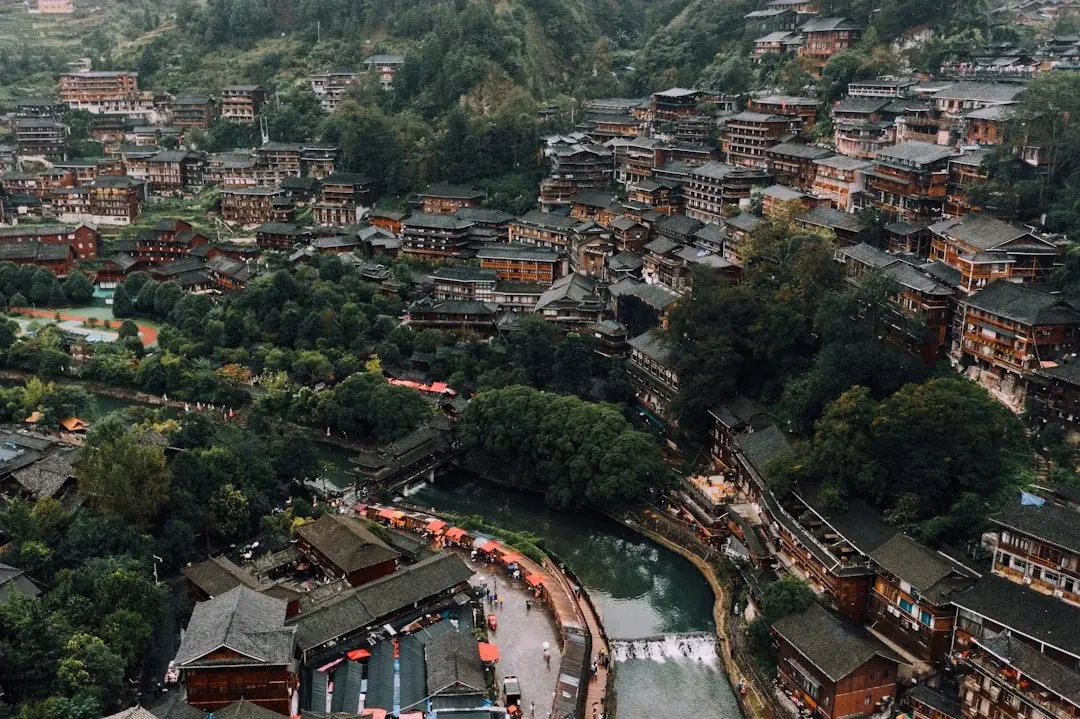
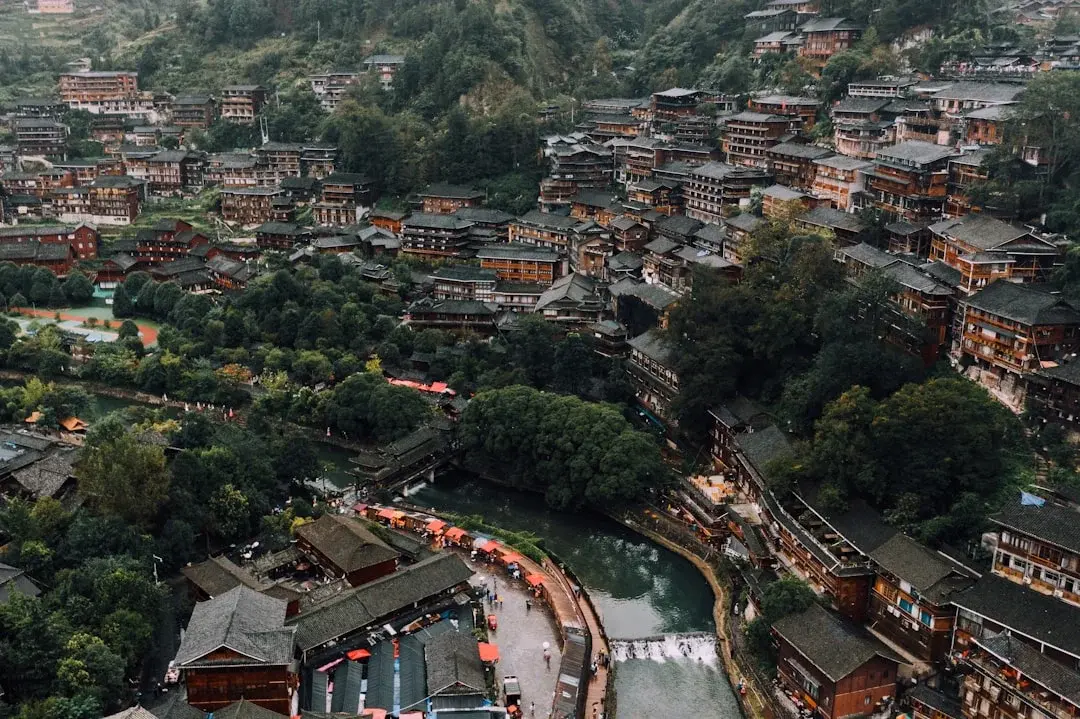
A Dong drum tower in Zhaoxing village, Guizhou

Is Zhaoxing Dong Village Worth Visiting? An Honest Guide to Guizhou's Dong Country

Yes — Zhaoxing Dong Village is worth visiting for its five drum towers, wind-and-rain bridges, and living Dong choral tradition, but go in with clear eyes: it's one of the most accessible minority villages in Guizhou, and it has become genuinely touristy. Zhaoxing is among the largest and best-preserved Dong (侗族) settlements in China, tucked into the mountains of southeast Guizhou near the Guangxi border, and most travellers spend two to three days here.

This is an independent, honest guide to help you decide whether Zhaoxing fits your trip, what to prioritise, and how to reach it without a tour. The village rewards travellers who come for the architecture and culture and accept the crowds — and frustrates anyone expecting an untouched, sleepy hamlet. Setting your expectations correctly is the single most important thing you can do before you go.

Key Takeaways

- Give it two nights. One full day sees the drum towers, bridges, and an evening performance; a second lets you hike to Tang'an or slow down and watch village life shift through the day. - It's easy to do independently. High-speed rail plus a short bus, walkable streets, and mobile payments mean most travellers never need a guide for Zhaoxing itself. - The headline sights are the five drum towers (鼓楼), one for each of the village's five clans, plus the covered wind-and-rain bridges (风雨桥) and the terraced hike to Tang'an. - Dong Grand Song (大歌) is the cultural jewel — a UNESCO-listed polyphonic choral tradition performed in the evening shows. - Come in spring or autumn. Summer is hot, humid, and packed with domestic tourists; the Dong New Year around November brings the grandest festivities. - Be honest with yourself about "authentic." Zhaoxing is a working village wrapped in a tourism economy — beautiful and worthwhile, but not a hidden secret.

What Is Zhaoxing Dong Village Famous For?

A traditional multi-tiered Dong drum tower rising above Zhaoxing village in Guizhou

<!– img: unsplash / Howen / query=Zhaoxing Dong village drum tower Guizhou –>

Zhaoxing is famous for being the largest concentration of Dong drum-tower architecture in China, paired with the ethereal choral singing that UNESCO recognises as intangible heritage. The Dong are one of China's officially recognised ethnic minorities, concentrated across the Guizhou–Guangxi–Hunan border uplands, and Zhaoxing is their showcase village.

Three things define the place:

- The five drum towers (鼓楼). Each of Zhaoxing's five clans — historically organised by surname — built its own multi-tiered wooden drum tower, traditionally the social heart of the community where elders met, disputes were settled, and a suspended drum called people together. Seeing five clustered in one village is unusual and is Zhaoxing's signature. - The wind-and-rain bridges (风雨桥). These roofed, corridor-like bridges shelter passers-by from sun and storms and double as gathering spots; you'll still find older residents sitting inside playing cards. They are built in the same joinery-only timber tradition as the towers, without nails. - Dong Grand Song (侗族大歌). A form of un-conducted, un-accompanied polyphonic choral singing passed down orally, inscribed on the UNESCO Representative List of the Intangible Cultural Heritage of Humanity in 2009 (UNESCO; 2009). It is the sound of Dong culture, and the evening performances build around it.

Alongside these, Zhaoxing is known for its indigo blue-dye (靛蓝) textile craft — you'll see locals and visitors alike in the deep-blue cotton clothing sold throughout the lanes.

Should You Visit Independently, Take a Guide, or Do a Day Trip From Guilin?

For Zhaoxing itself, go independent — the logistics are genuinely easy and a tour adds little. Consider local help only if you want to chain Zhaoxing to remoter Dong or Miao villages that lack transport and signage. A day trip from Guilin is possible but does the place a disservice; the village is at its best in the early morning and after dark, when the day-trippers have gone.

ApproachBest forWhat you getWatch-out
Fully independent (recommended)Most travellers; confident DIY touristsHSR + bus door-to-village, walkable streets, hotels bookable online, mobile pay everywhereYou navigate the ticket, bus, and any language gaps yourself
Independent + private local guideTravellers wanting deeper cultural context or to reach outlying villagesA Dong-speaking guide can explain clan structure, crafts, and etiquette, and open doors independent visitors missCosts more; unnecessary for the main village; check the guide's credentials and price before committing
Small-group / self-guided tourThose combining Zhaoxing with hard-to-reach Guizhou villages (Miao, other Dong)Transport and planning handled for the remote legs where public transit thins outLocks your schedule; overkill if Zhaoxing is your only stop
Day trip from GuilinTime-pressed travellers already in Guilin/GuangxiA taste — the towers, a bridge, a walkYou miss the empty morning and the lit-up evening; a lot of transit for a few hours

The practical rule: if Zhaoxing is your destination, plan it yourself and keep the money. If it's one node in a wider Guizhou minority-village circuit, that's where local expertise earns its fee.

What Are the Best Things to Do in Zhaoxing?

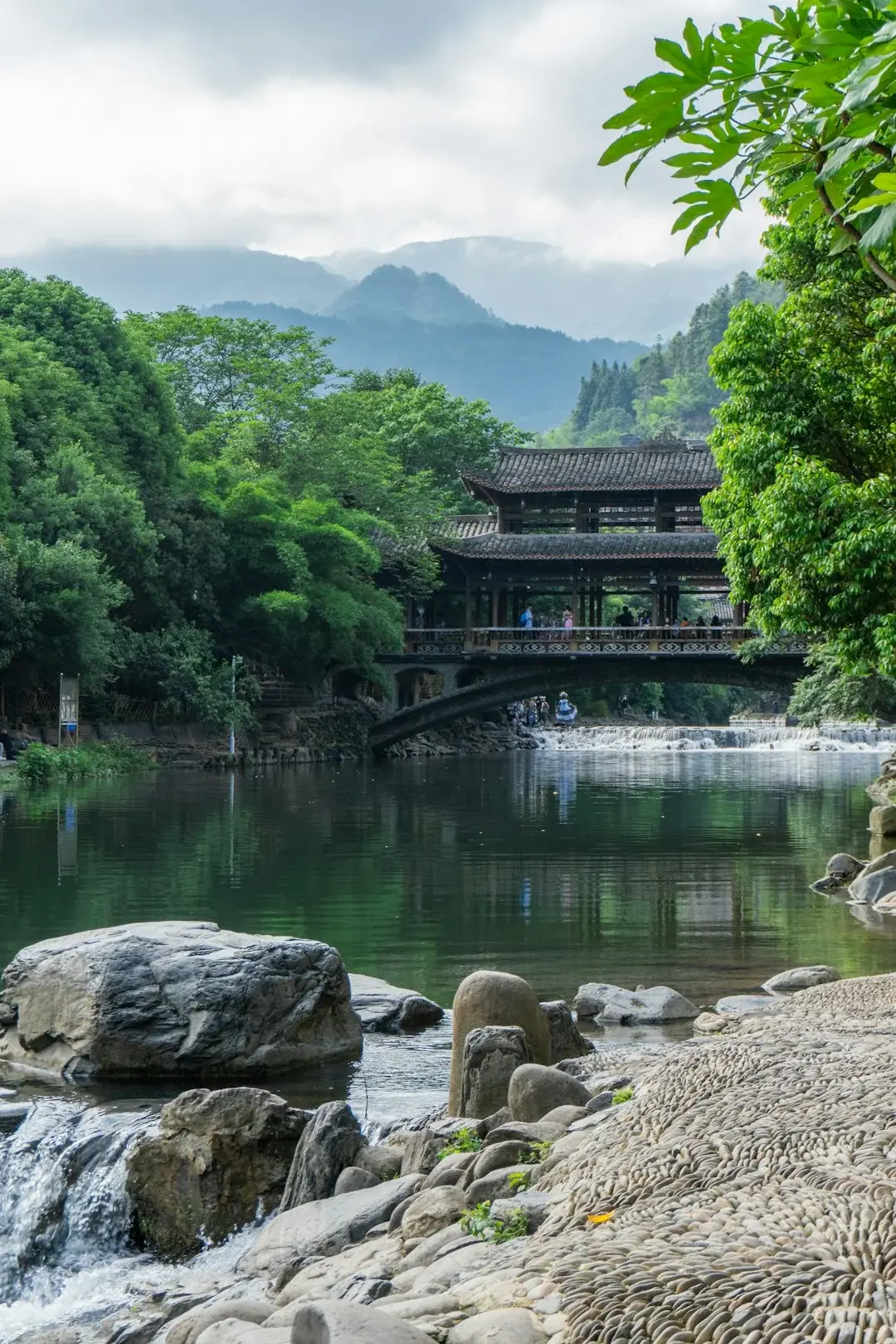
A covered wind-and-rain bridge over a stream in a Dong village in Guizhou

<!– img: unsplash / 毛 祥 / query=Dong wind and rain bridge Guizhou village –>

The core experience is simply walking the village at different hours — but the drum towers, wind-and-rain bridges, an evening Dong performance, and the Tang'an terraced hike are the specific highlights worth structuring your days around. A village entry ticket is required (around ¥80, typically valid for several days; indicative, 2026); once inside, the towers, bridges, and streets are free to wander.

Use this to budget your time. Costs are indicative (2026) and worth confirming locally.

What to doRoughly how longIndicative costBest for
Walk the five drum towers (鼓楼)2–3 hoursFree (inside village ticket)Everyone; architecture and photography — go at dawn or golden hour
Wind-and-rain bridges (风雨桥)1–2 hoursFreeA slow loop; watch elders play cards inside the covered spans
Evening Dong performance~1 hour~¥60 (indicative, 2026)First-timers wanting Grand Song and dance; the cultural high point
Hike to Tang'an (堂安) terracesHalf-day (2h uphill each way)Bus/entry small (indicative, 2026)Hikers wanting quieter, lived-in village and rice-terrace views
Indigo blue-dye (靛蓝) crafts & shopping15–45 min~$10–30 (indicative, 2026)A meaningful, low-cost souvenir made locally
Hanfu / Dong-dress photoshoot1–2 hours~$30–60 (indicative, 2026)Families and couples leaning into the popular dress-up trend
Just be there at dawn & duskBuilt into your stayFreeEveryone — the village transforms when the tour buses leave

A note on the performances: some travellers dismiss the staged shows as inauthentic. That is worth holding lightly. Formalised performance is one of the few economically viable ways a small community can keep a demanding oral tradition like Grand Song alive and give younger singers a reason to learn it. Watch respectfully, applaud generously, and treat it as a living culture being sustained rather than a museum piece.

Is Zhaoxing or Tang'an the Better Base?

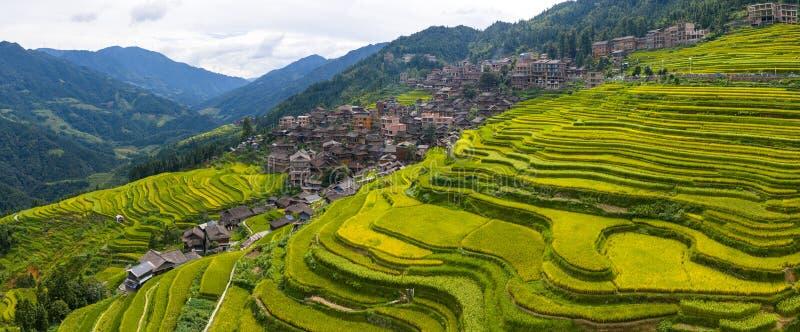
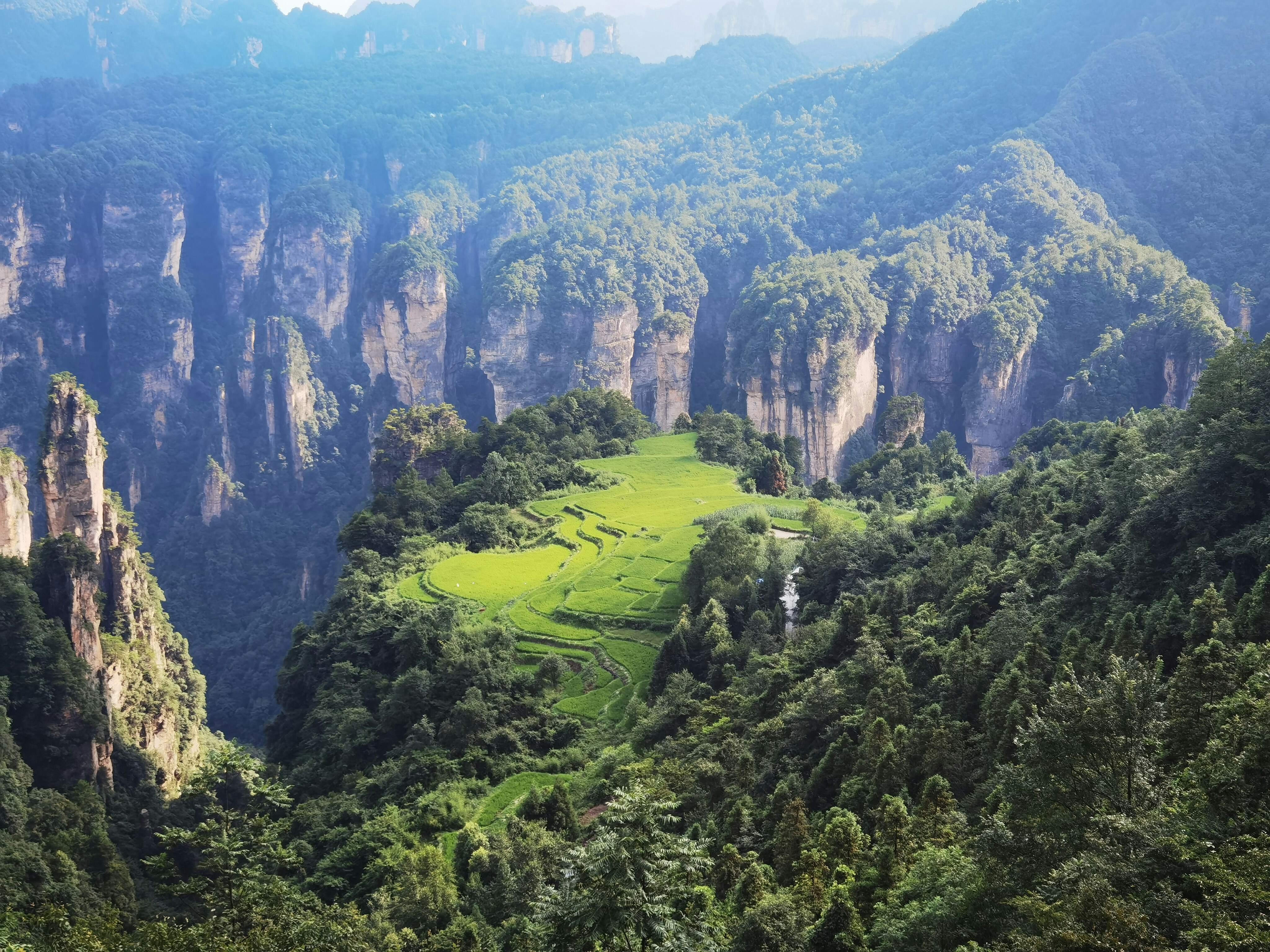
Terraced rice fields on the hillsides around Tang'an village near Zhaoxing

<!– img: tavily / / query=Guizhou terraced rice fields village hills –>

Stay in Zhaoxing and treat Tang'an as a half-day trip. Zhaoxing has the hotels, food, drum towers, and evening shows; Tang'an is a smaller, quieter, more lived-in Dong village reached by a roughly two-hour uphill hike (or a short bus/taxi) through rice terraces.

ZhaoxingTang'an (堂安)
Scale & feelLarge, lively, tourism-forwardSmall, quiet, agricultural
What draws youFive drum towers, bridges, nightlife, showsTerraced fields, calm, everyday village rhythm
Sleeping optionsMany hotels and guesthousesVery few guesthouses
CrowdsBusy, especially weekends and summerFew tourists
Best useYour base for 2+ nightsA half-day hike, or one quiet overnight

If you want to feel a Dong village without the commerce, the Tang'an trip — or a single night up there after the day-trippers descend — is the honest antidote to Zhaoxing's busier core.

When Is the Best Time to Visit Zhaoxing?

Visit in spring (March–May) or autumn (September–November) for mild weather and green or golden terraces; avoid the hot, humid, crowded peak of summer if you can. Zhaoxing is a hugely popular domestic destination, so weekends and summer holidays fill with tourists arriving from Guiyang and beyond.

SeasonConditionsVerdict
Spring (Mar–May)Mild, some rain; rice-planting season and its songs and ceremonies✅ Excellent
Summer (Jun–Aug)Hot and humid with frequent rain; terraces brilliantly green but walking is sweaty and crowds peak➖ Scenic but taxing
Autumn (Sep–Nov)Clear skies, comfortable temperatures, harvest; Dong New Year around November✅ Best overall
Winter (Dec–Feb)Cold but dry, fewer tourists; traditional New Year celebrations➖ Atmospheric if you don't mind the chill

If your dates are flexible, aim for the Dong New Year (usually around November), when the village stages its grandest festivals, communal feasting, and Grand Song gatherings — the tradition at its fullest rather than its most packaged. Confirm the exact festival dates before booking, as they follow the Dong lunar calendar and shift from year to year.

Where Should You Stay in Zhaoxing?

Book a room inside the historic village, not in the newer developments outside the entrance. Staying within the old core lets you come and go freely, catch the empty early mornings and lit-up evenings, and be steps from the towers and food — the whole point of an overnight stay.

There has been extensive resort and hotel construction ringing Zhaoxing, so before booking, check the map carefully to confirm a property is actually within the historic village rather than a look-alike development beyond the gate, where there's little to do on foot. Smaller family-run guesthouses within the village often include good local breakfasts and terrace views; if you're travelling with children, look for a family room with air-conditioning, which you'll want in the warmer months. Specific hotel names, room types, and rates change constantly — confirm at the time of booking, and prioritise location inside the old village over a marginally cheaper room outside it.

How Do You Get to Zhaoxing Dong Village?

Take a high-speed train to Congjiang (从江) station, then a bus or taxi about 30 minutes to the village entrance. The train is the transformation that opened Zhaoxing up — what was once a long, rough mountain bus journey is now a short, comfortable HSR ride.

- From Guilin: high-speed train to Congjiang (~40 minutes), then bus or taxi to the village (~30 minutes). Times are indicative (2026); check current schedules when you book. - From Guiyang: high-speed train to Congjiang (~1.5 hours), then the same ~30-minute transfer to the entrance. Times are indicative (2026); check current schedules when you book.

Both buses and taxis stop at the village entrance, not at your hotel. If your accommodation is deep in the village and your luggage is heavy, electric golf carts shuttle people around the lanes, or you can ask your hotel to arrange a pickup. Inside the village, everything is walkable and small enough that you won't get lost.

A practical note: pay for almost everything — tickets, food, hotels, shuttle carts — with Alipay or WeChat Pay, which are near-universal. Carry a little cash only as a backup for the rare vendor whose scanner is down.

How Many Days Do You Need in Zhaoxing?

Two nights (roughly a day and a half of activity) is the sweet spot for most travellers. One full day covers the drum towers, the wind-and-rain bridges, and an evening performance; the extra time lets you hike to Tang'an or simply linger, which is when the village reveals the ordinary life still happening behind the shopfronts.

- Day 1: Arrive, settle in, walk the five drum towers in the golden late-afternoon light, then an evening Dong performance. - Day 2: Early-morning bridges and quiet lanes before the crowds, then the Tang'an terraced hike (half-day), or a slow craft-and-food wander with a blue-dye souvenir stop. - Optional extra night: A quiet overnight in Tang'an to see a Dong village after the day-trippers leave.

Push much past three days and you'll want to be taking hikes or trips into the surrounding countryside for real variety, rather than re-walking the same central streets.

Frequently Asked Questions

Is Zhaoxing Dong Village worth visiting?

Yes — especially if you're interested in China's ethnic-minority cultures. Zhaoxing is one of the largest and best-preserved Dong villages, with five clan drum towers, wind-and-rain bridges, and UNESCO-listed choral singing. Just expect a busy, tourism-forward village rather than an untouched, remote hamlet.

How many days do you need in Zhaoxing?

Two to three days is ideal. That's enough to see the drum towers, the bridges, and an evening performance, and to fit the half-day Tang'an terraced hike, all without rushing. Day-trippers see a fraction of the village and miss its best hours at dawn and dusk.

Do you need a tour to visit Zhaoxing?

No. Zhaoxing is one of the easiest off-the-beaten-path spots in China to do independently: high-speed rail plus a short bus gets you there, streets are walkable, and Alipay and WeChat Pay work everywhere. A guide or agency only pays off if you're chaining Zhaoxing to remoter minority villages.

How do you get to Zhaoxing from Guilin?

Take a high-speed train from Guilin to Congjiang station (indicatively around 40 minutes), then a bus or taxi for the final ~30 minutes to the village entrance. Both drop you at the gate, so arrange onward transport into the village if your hotel is far or your bags are heavy.

Is it better to visit Zhaoxing or Tang'an?

Stay in Zhaoxing and day-trip to Tang'an. Zhaoxing is the larger, livelier base with the hotels, food, and evening shows; Tang'an is smaller, quieter, and more lived-in, with rice-terrace views and few tourists — ideal for a half-day hike or a calm overnight.

When is the best time to visit Zhaoxing?

Spring (March–May) and autumn (September–November) are best, with mild weather and green or golden terraces. Summer is hot, humid, and crowded with domestic tourists; winter is cold but quiet. For the grandest festivities, time your visit to the Dong New Year, usually around November.

Planning Your Zhaoxing Trip

Zhaoxing Dong Village is one of the most rewarding — and most accessible — windows into China's Dong culture: five clan drum towers, roofed wind-and-rain bridges, indigo textiles, and the haunting polyphony of Grand Song. Come for two nights, stay inside the historic village, visit in spring or autumn, and build in the early mornings and evenings when the crowds thin. Treat the staged performances as a living tradition being kept alive, and hike up to Tang'an for the quieter counterpoint.

For the wider picture, start with the China travel guide, and if you're routing through the region, pair Zhaoxing with the karst scenery around Guilin and Yangshuo or the ethnic-village circuits reachable from Guizhou's capital, Guiyang — together they make one of the most distinctive legs of a southern China journey.