

What Are the Most Underrated Cities in China to Visit Beyond Beijing and Shanghai?
The most underrated cities in China are Chongqing, Wuhan, Changsha, Kunming and Lanzhou — a cyberpunk mountain city, a 3,500-year-old river hub, a neon entertainment capital, an eternal-spring gateway, and a Silk Road noodle town. Each rewards travellers ready to step off the Beijing–Xi'an–Shanghai circuit. They're linked by high-speed rail, easy to slot in for two or three days, and far less crowded than the headline sights.
This is an honest, independent guide for a specific traveller: someone who has already done — or deliberately wants to skip — the classic first-timer loop, and is looking for a distinctive "second city" to build a trip around. If this is your first two weeks in China, the marquee sights earn their fame and you should start there. But if you're returning, curious, or simply crowd-averse, these cities are where modern Chinese life feels most itself.
Key Takeaways
- These are second-city picks, not a first-timer swap. They pair with the classics rather than replacing them — ideal for a return trip or an extended itinerary. - All five sit on the high-speed rail network, so you can bolt one onto a mainstream route with a short train ride instead of a flight. - Two to three days each is the sweet spot — enough for the signature sights and a proper meal, not so long that a mid-size city runs dry. - Each has a single unmistakable identity: Chongqing's vertical spectacle, Wuhan's scale and history, Changsha's nightlife and street food, Kunming's spring climate, Lanzhou's Silk Road noodles. - Food is the through-line. Hot pot, hot-dry noodles, stinky tofu, Yunnan rice noodles and hand-pulled beef noodles are each a reason to visit in their own right. - Use the comparison table below to match a city to the trip you're already planning, then follow the link to its full guide.
Which Underrated City in China Fits Your Trip?
Start here. Rather than ranking these cities against each other — they're too different for that — match one to what your itinerary already contains and who you're travelling with. This is the core decision, and no two of these picks compete for the same traveller.
| City | Known for | Best paired with | Who it's for |
|---|---|---|---|
| Chongqing | Vertical "mountain city" skyline, beef-tallow hot pot, Yangtze cruises | Chengdu (~1.5h by rail) | Photographers, food thrill-seekers, urban-spectacle lovers |
| Wuhan | Yellow Crane Tower, 3,500-year history, hot-dry noodles, huge student energy | A Beijing–Guangzhou rail leg (Wuhan is the midpoint) | History buffs, rail travellers wanting a natural stopover |
| Changsha | Entertainment capital, Taiping Street, stinky tofu, Yuelu Academy | Zhangjiajie (~2h by rail) | Nightlife and pop-culture fans, foodies, younger travellers |
| Kunming | "Eternal spring" climate, Stone Forest, Green Lake, minority cultures | Dali & Lijiang (the Yunnan trail) | Slow travellers, families, anyone chasing mild weather |
| Lanzhou | Silk Road heritage, hand-pulled beef noodles, the Yellow River | Xiahe/Labrang or a wider Gansu run | Overlanders, noodle pilgrims, Silk Road romantics |
How Do You Slot an Underrated City Into a Classic Trip?
The easiest way to add one of these cities is to treat it as a rail stopover or a natural extension of a route you're already taking, rather than a separate flight. Because they anchor major lines, several fall directly on the path between the big-name destinations — so the "detour" is often no detour at all.
| If your classic trip already has… | Add this underrated city because… | Typical rail link |
|---|---|---|
| Chengdu (pandas, teahouses) | Chongqing is its vertical opposite, 1.5h away | Chengdu ↔ Chongqing, high-speed |
| A Beijing → Guangzhou/Hong Kong leg | Wuhan is the midpoint and a worthy overnight break | On the main north–south trunk line |
| Zhangjiajie (Avatar mountains) | Changsha is its rail gateway and a wild night out | Changsha ↔ Zhangjiajie, ~2h |
| Xi'an (Terracotta Army, Silk Road start) | Lanzhou continues the Silk Road westward | Xi'an ↔ Lanzhou, high-speed |
| A southern loop toward the tropics | Kunming opens the entire Yunnan trail | Kunming hubs Dali/Lijiang lines |
All rail times are indicative (2026) and depend on the specific service, so check current schedules when you book.
Chongqing: China's Cyberpunk Mountain City

<!– img: tavily / / query=Chongqing skyline night mountain city –>
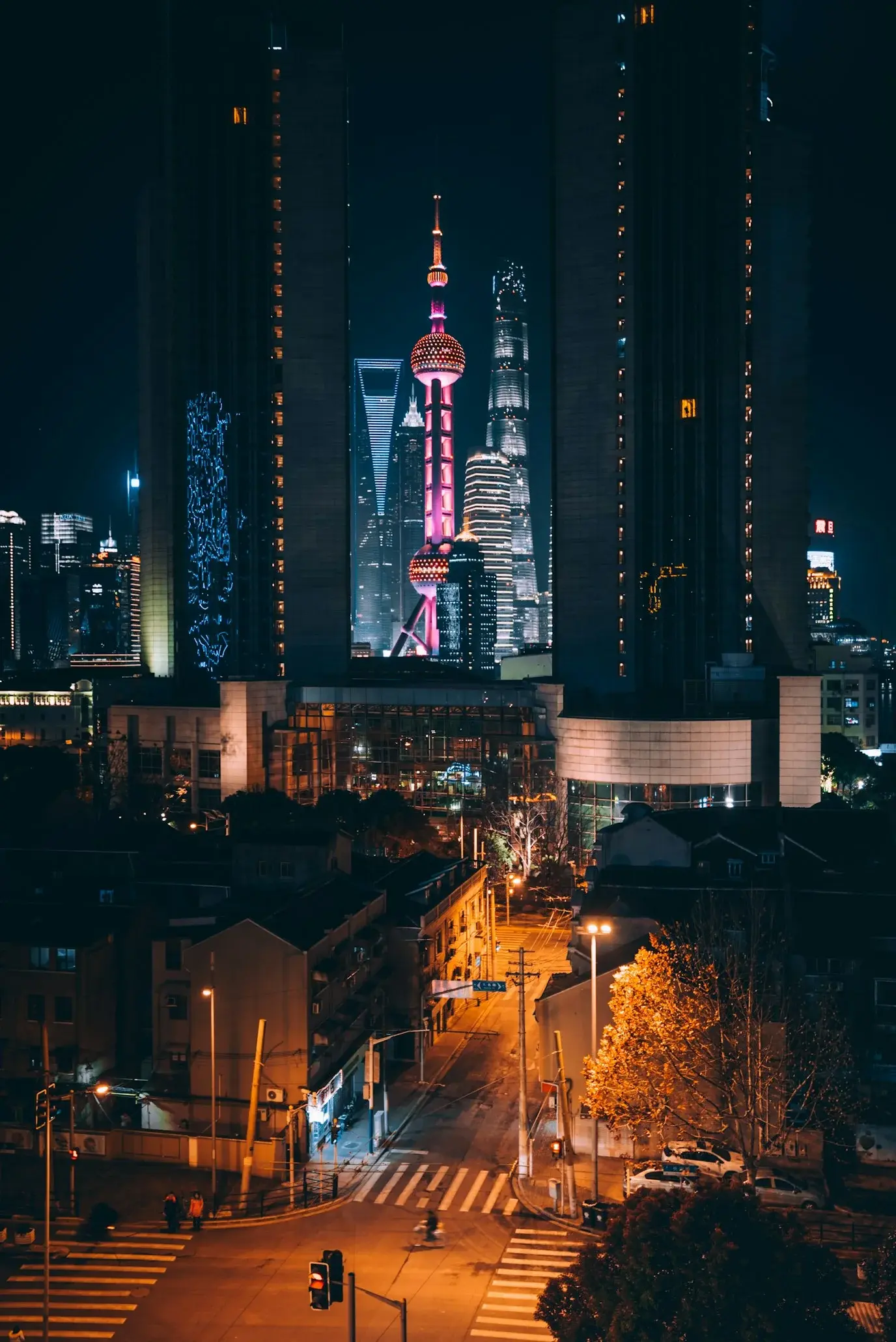
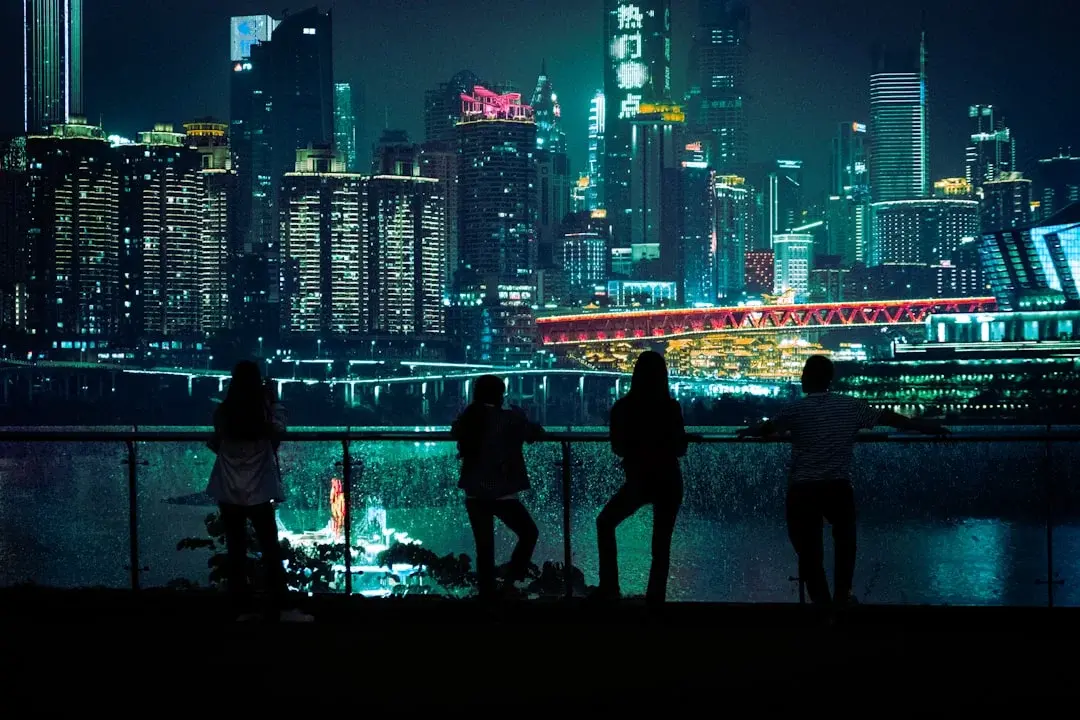
Chongqing is the most visually astonishing city in China — a 30-million-person municipality stacked across cliffs at the confluence of the Yangtze and Jialing rivers. A building's "ground floor" can open onto a road twenty storeys above another road; a metro line threads straight through a residential tower at Liziba; and cable cars, cliff elevators and stilt-house complexes give the whole place a science-fiction quality after dark.
The signature experiences are the Yangtze River Cableway at dusk, the glowing eleven-storey Hongya Cave stilt-house complex (吊脚楼), and — above all — numbing beef-tallow hot pot, the mala style that this city arguably invented. It's also the main upstream departure point for multi-day Three Gorges cruises, so it doubles as a city break and a gateway to one of China's great river journeys.
Chongqing is more of an adventure than polished Shanghai: signage is patchier, the terrain is genuinely steep, and summer heat is punishing (it's one of China's "Three Furnaces"). Come in spring or autumn, give it three days, and pair it with laid-back Chengdu for a complete Southwest contrast. For the full breakdown — itineraries, where to stay, the hot-pot decoder — see the Chongqing travel guide.
Wuhan: 3,500 Years of History on the Yangtze

<!– img: tavily / / query=Wuhan Yellow Crane Tower China –>
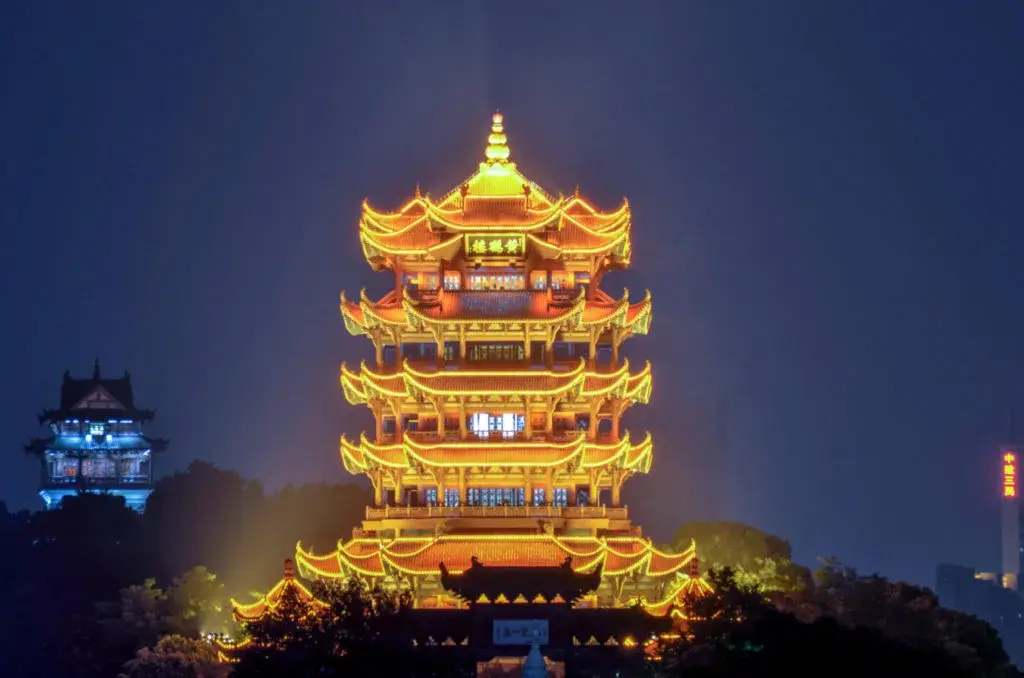
Wuhan is a sprawling, energetic river metropolis with one of the longest continuous histories in China — around 3,500 years — and a scale that surprises first-time visitors. Formed where three ancient towns (Wuchang, Hankou and Hanyang) merged across the Yangtze and Han rivers, it's a natural stopover on the country's main north–south rail trunk, roughly midway between Beijing and Guangzhou.
The landmark is the Yellow Crane Tower (黄鹤楼), a storied riverside tower celebrated in classical Chinese poetry for well over a thousand years and rebuilt many times, most recently in the 1980s (Wikipedia; 2020). Beyond it, the vast East Lake (one of China's largest urban lakes) offers a greenway for walking and cycling, and the Hubei Provincial Museum holds the famous set of ancient bronze bells (the Marquis Yi of Zeng chime-bells). Wuhan is also one of the world's largest university cities, home to well over a million students, which gives its night markets and food streets a youthful buzz.
The dish to seek out is 热干面 (re gan mian, "hot-dry noodles") — sesame-paste-coated noodles eaten for breakfast, standing up, the way locals do. Give Wuhan two to three days. Its full standalone guide is still in progress, so use this section as your starting brief and confirm current museum and tower ticketing before you go.
Changsha: The Entertainment Capital of Central China
Changsha is China's unofficial entertainment capital — a young, loud, late-night city that's home to major TV production and a street-food culture people travel specifically to eat their way through. By day it's an ordinary provincial capital; after dark, districts like Taiping Street (太平街) and the riverside come alive with crowds, milk-tea flagship stores, bars and food stalls.
The must-eat is Changsha-style stinky tofu (臭豆腐) — black, deep-fried, and far tastier than its reputation — alongside spicy Hunan small plates and crayfish in season. The city's history runs deeper than its nightlife suggests: Yuelu Academy (岳麓书院), founded in the Song dynasty on the slopes of Yuelu Mountain, is one of China's oldest institutions of learning and a calm, scholarly counterpoint to the neon. Orange Isle (Juzizhou) in the Xiang River adds a green riverside walk.
Changsha is best known internationally as the rail gateway to Zhangjiajie, the "Avatar mountains," roughly two hours away by high-speed train (indicative, 2026) — which makes it an easy, characterful overnight either side of that trip. Two days is plenty. A dedicated Changsha guide isn't published yet, so treat this as your working brief and confirm any venue hours or ticket prices on the ground.
Kunming: The City of Eternal Spring

<!– img: tavily / / query=Kunming Stone Forest Yunnan karst –>
Kunming earns its nickname "the City of Eternal Spring" through a mild, flower-filled climate that holds mild temperatures year-round, thanks to its high-plateau setting in Yunnan. For many travellers its real value is as the gateway to Yunnan — China's most culturally diverse province — but the city itself is a genuinely pleasant, low-stress place to spend a couple of days.
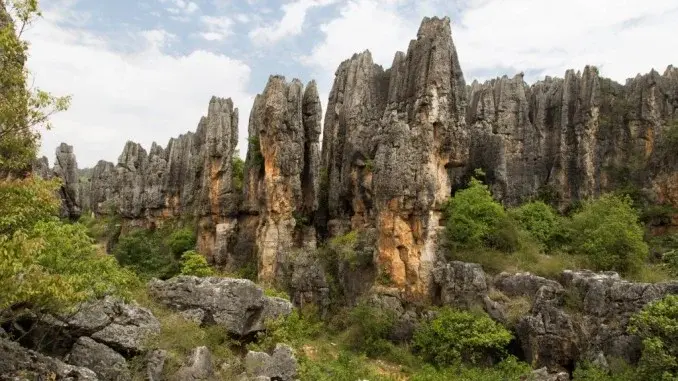
In town, Green Lake Park (翠湖) is the social heart, where locals practise tai chi, play traditional instruments, and (in winter) feed migrating seagulls. Day-trip out to the Stone Forest (石林), an otherworldly karst landscape of limestone pillars that's part of the South China Karst UNESCO World Heritage Site (UNESCO; inscribed 2007) and endlessly fun for kids to clamber through. Yunnan's many ethnic minority communities give the city its festivals, crafts and food.
The signature dish is guoqiao mixian — "crossing-the-bridge rice noodles," served with a bowl of scalding broth you cook the ingredients in yourself. Two to three days suits Kunming before you push deeper into Yunnan toward Dali and Lijiang. For the full picture — sights, minority culture, and how to build the wider Yunnan trail — see the Kunming travel guide.
Lanzhou: Silk Road Noodles on the Yellow River

<!– img: unsplash / ダモ リ / query=Lanzhou Yellow River bridge Gansu –>
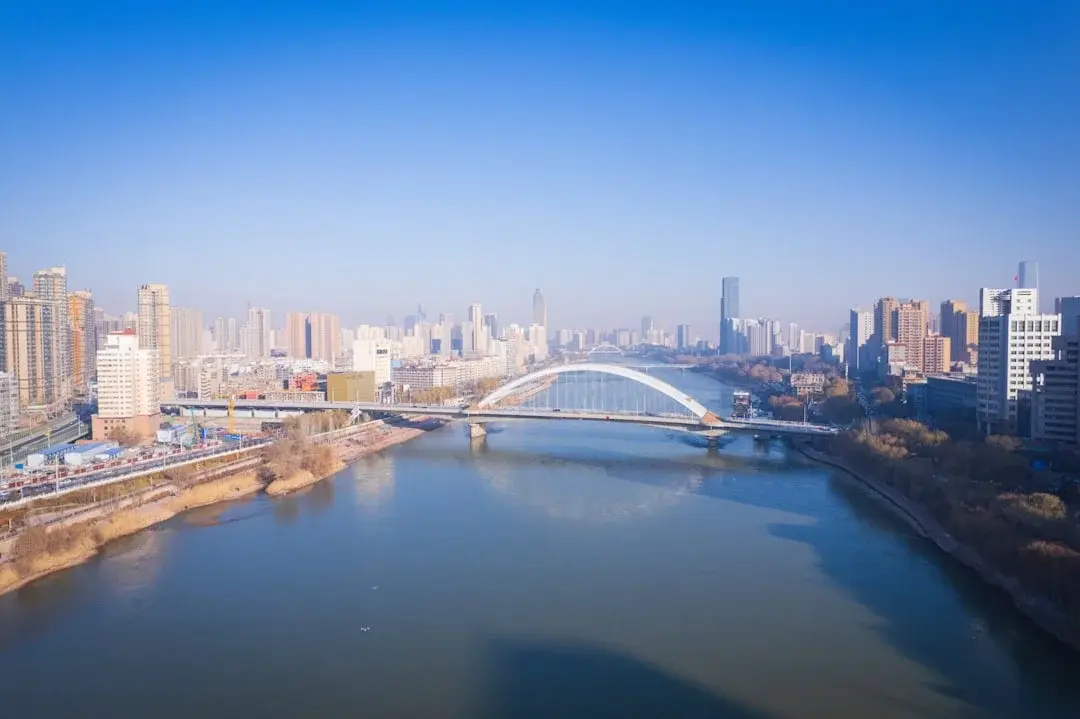
Lanzhou is a long, narrow Silk Road city strung along the Yellow River in Gansu — and the birthplace of China's most famous noodle, 兰州牛肉面 (Lanzhou hand-pulled beef noodles). Watching a cook stretch and fold a single piece of dough into fine strands, then serve it in clear beef broth with chilli oil and coriander, is a small piece of theatre repeated across the city every morning.
The Yellow River runs right through the centre, and the iron Zhongshan Bridge — an early-20th-century crossing sometimes called "the first bridge over the Yellow River" — is the classic riverside view. Lanzhou's real role, though, is as a launch pad: the Bingling Temple Grottoes (Buddhist cliff carvings reached by boat across a reservoir) lie outside the city, and Lanzhou is the natural first stop for a deeper Gansu run along the old Silk Road.
The standout onward trip is south to Xiahe and Labrang Monastery, one of the six great monasteries of the Gelug (Yellow Hat) school of Tibetan Buddhism — often described as experiencing Tibetan culture without a Tibet permit. Give Lanzhou a day or two, then continue. For the Silk Road-and-spirituality itinerary in full, see the Lanzhou, Xiahe & Labrang Monastery guide.
What About Gateway Picks Like Chengdu and Xining?
If you'd rather choose a city that unlocks a whole region, consider Chengdu or Xining as "gateway" alternatives to the five above. Chengdu — famous for giant pandas and teahouse culture — is the softest landing in the southwest and pairs naturally with Chongqing. Xining, at around 2,275 metres, is the standard acclimatisation base before Tibet and the gateway to Qinghai Lake and the Kumbum Monastery. Both are less "underrated" than under-prioritised: travellers pass through without stopping. Building in an extra day either place turns a transit hub into a destination.
Are Underrated Cities in China Worth Visiting?
Yes — for the right traveller. These cities trade polished, English-signed tourism infrastructure for authenticity, lower prices, thinner crowds and a clearer window into how most Chinese people actually live. You'll rely more on translation apps and mobile payments, and less on curated tourist trails.
They are not, however, replacements for a first China trip's greatest hits. The Great Wall, the Forbidden City, Xi'an's Terracotta Army and Shanghai's skyline are famous because they deliver. The smart move is sequencing: anchor a first visit on the classics, then use these second cities to add depth on a return trip — or, if you're already a confident traveller, build a whole itinerary around one region and its underrated hub.
Frequently Asked Questions
What are the most underrated cities to visit in China?
Chongqing, Wuhan, Changsha, Kunming and Lanzhou are among China's most underrated cities. They offer distinctive food, culture and scenery — cyberpunk cityscapes, Silk Road heritage, eternal-spring gardens — with far fewer foreign tourists than Beijing, Xi'an or Shanghai, and all sit on the high-speed rail network.
Which underrated Chinese city is best for food?
All five are food destinations, but each has a signature: Chongqing for numbing beef-tallow hot pot, Wuhan for hot-dry noodles (热干面), Changsha for stinky tofu and Hunan spice, Kunming for crossing-the-bridge rice noodles, and Lanzhou for hand-pulled beef noodles. Choose by the flavour you most want to chase.
How many days should I spend in each city?
Plan two to three days per city. That's enough to see the signature sights, eat properly, and get a feel for local life without a mid-size city running out of things to do. Two days suits Changsha or Lanzhou; three suits Chongqing or a Kunming trip that includes the Stone Forest.
Are these cities good for a first trip to China?
Generally they're better as a second trip or an extension. First-timers usually get more from Beijing, Xi'an and Shanghai, which have the most famous sights and the most English-friendly infrastructure. These underrated cities reward travellers who are comfortable with translation apps, mobile payments and thinner tourist trails.
How do you travel between these underrated cities?
By high-speed rail, which links all five to the major hubs. Chongqing pairs with Chengdu (about 1.5 hours), Changsha with Zhangjiajie (about 2 hours), Lanzhou with Xi'an, and Wuhan sits on the main Beijing–Guangzhou trunk line. Book tickets in advance and verify current schedules, as services change.
Is it safe and easy to visit lesser-known Chinese cities?
Yes. China's mid-size cities are generally safe and well-served by metros, ride-hailing and high-speed rail. The main friction is language — English signage and menus thin out quickly — so a translation app and a mobile-payment setup (Alipay or WeChat) matter more here than in Beijing or Shanghai.
Planning Your Underrated-China Trip
China's charm runs far beyond Beijing and Shanghai. Chongqing, Wuhan, Changsha, Kunming and Lanzhou each offer a single, unmistakable reason to visit — spectacle, history, nightlife, climate or noodles — with a fraction of the crowds. Use the comparison table to match one to the trip you're already planning, give it two or three days, and reach it by rail rather than by flight where you can.
For the wider itinerary, start with the China travel guide to anchor your first-timer route, then dive into the Chongqing, Kunming and Lanzhou, Xiahe & Labrang guides to build the underrated leg. Pair Chongqing with the Chengdu travel guide for a complete Southwest China journey.