


Private Routes
丝绸之路精华之旅:从西安到喀什10日游 10d $4,160 丝绸之路精华之旅:从西安到喀什10日游 2026年7月 Read Article 深度北京 — 长城与故宫,轻松游 4d $970 深度北京 — 长城与故宫,轻松游 2026年7月 Read Article 真实中国:12日小团探险之旅 12d $3,120 真实中国:12日小团探险之旅 2026年7月 Read Article 经典中国与云南:从北京到香格里拉和上海的18天之旅 18d $5,840 经典中国与云南:从北京到香格里拉和上海的18天之旅 2026年7月 Read Article 免签中国之旅:13天,从北京到香港 13d $3,640 免签中国之旅:13天,从北京到香港 2026年7月 Read Article
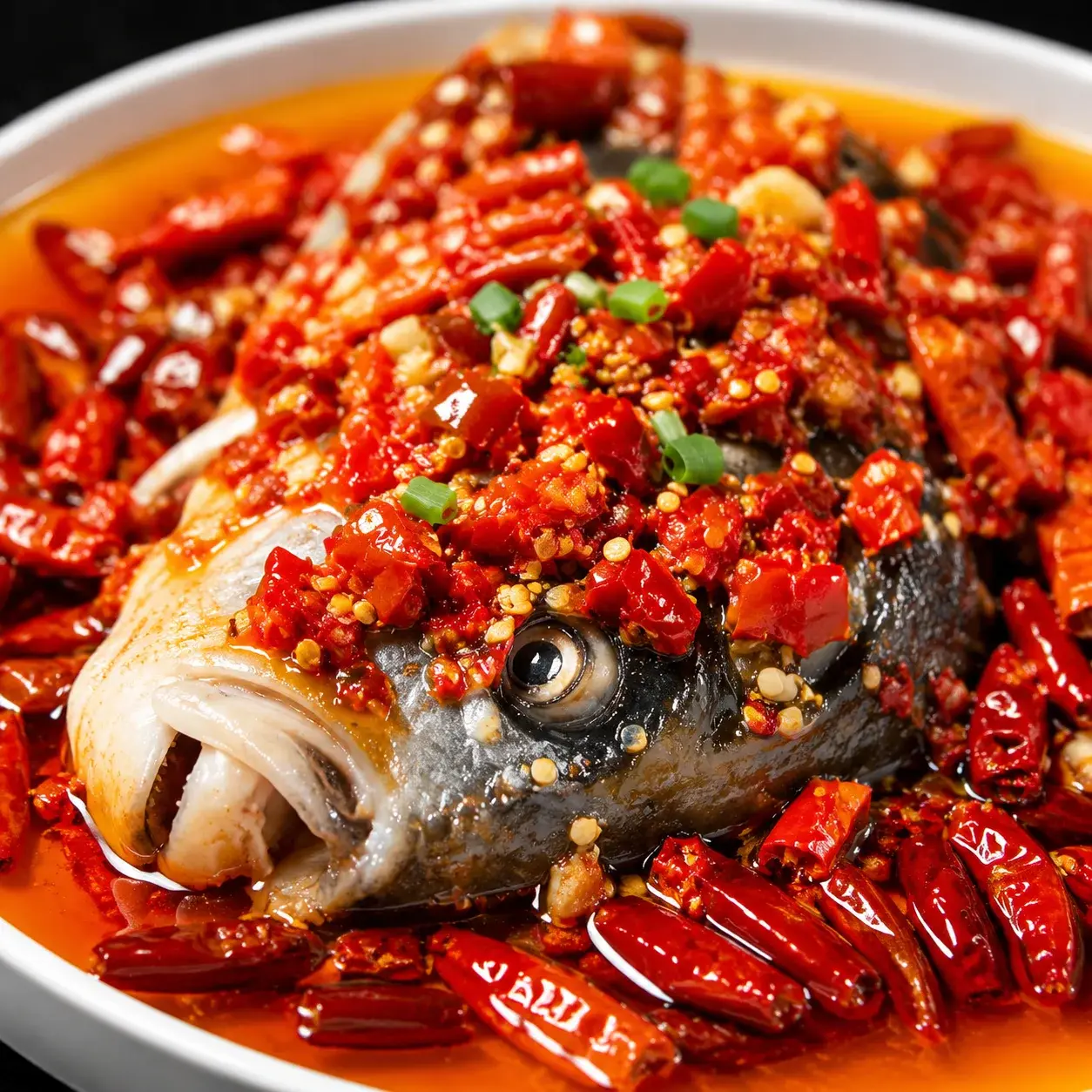
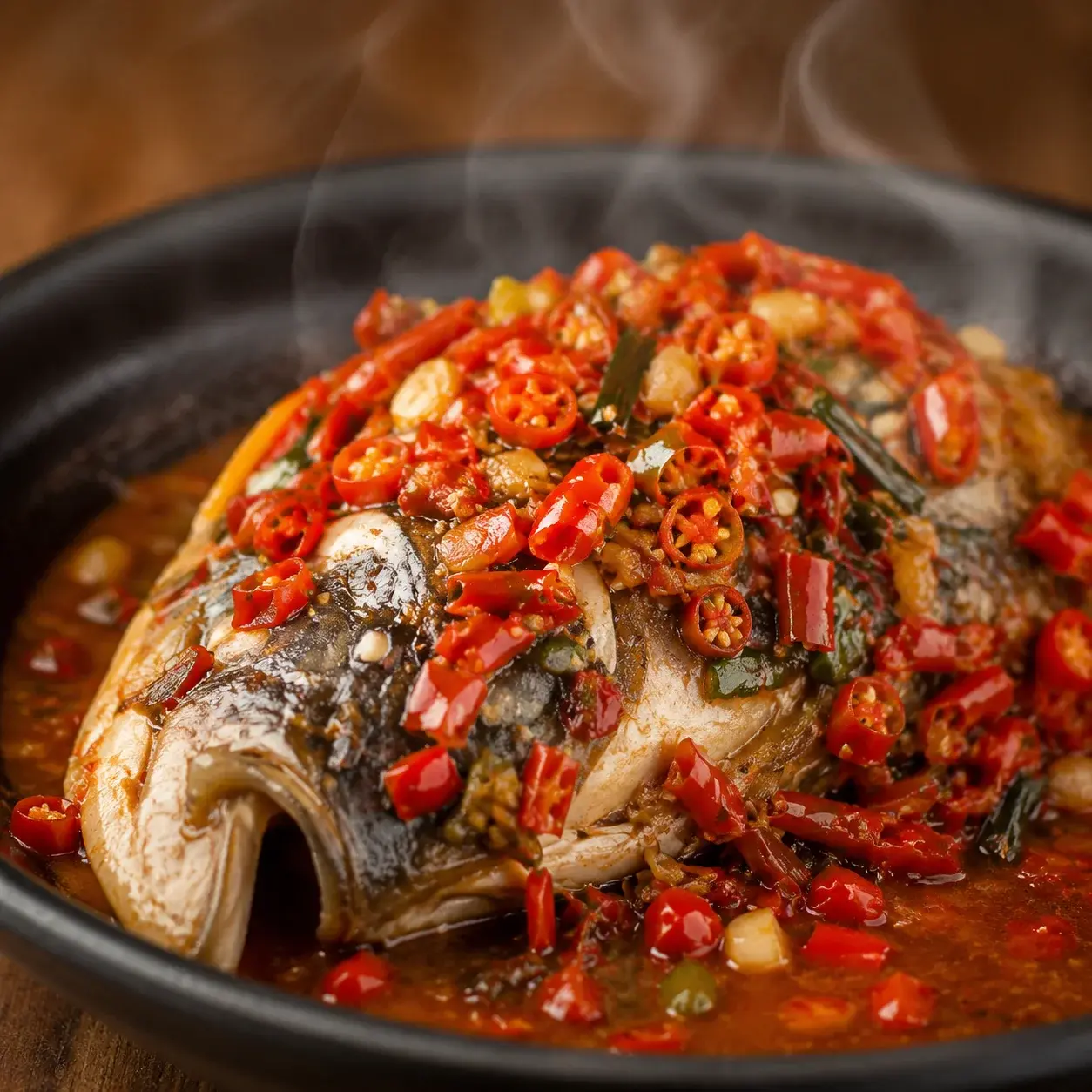
Hunan steamed fish head with chopped chili

What Is Hunan Food — and How Spicy Is It Really?

Hunan food (湘菜 Xiang cuisine) is one of China's eight great regional cuisines, and it is defined by one thing above all: chili. But Hunan heat is a pure, dry, fiery burn with a sour edge — not the numbing tingle of Sichuan. If you can only remember one fact, remember that: Hunan is hot, Sichuan is numbing-and-hot.

That single distinction is the most useful thing a first-timer can learn, because most travelers arrive expecting Sichuan's málà and get ambushed by a different sensation entirely. This guide decodes the difference, walks you through the must-eat dishes, answers the sleeper question — what do I actually eat in Zhangjiajie? — and gives the chili-averse a real survival plan, because this is genuinely one of the spiciest cuisines in China.

Our stance is simple: dare to eat, eat right. We are not a recipe site and we are not selling you a set menu. We are here to help you make good decisions — what to order, roughly what to budget, and how to dial the heat down when you need to.

Key Takeaways

- Hunan (Xiang) cuisine is one of China's eight great cuisines — and one of its spiciest. The character is fresh chili, cured smoke, and sourness. - Hunan heat ≠ Sichuan mala. Hunan is a straight fiery and sour burn with almost no 花椒 (Sichuan peppercorn), so there is no numbing tingle. For the numbing contrast, see our Chengdu street food guide. - The canon to hit: chopped-chili steamed fish head, Chairman Mao's red-braised pork, xiao chao rou, cured meats (腊肉), Changsha stinky tofu, and spicy crayfish. - Zhangjiajie eats Hunan plus Tujia minority food — steamed pork belly, sanxiaguo, and blood-cake duck. The local survival phrase there is literally "tell the waiter your spice level." - You can still eat here if you hate chili — a handful of phrases and a few naturally mild dishes get you through. - Prices below are approximate 2026 RMB ranges and vary a lot by restaurant, season (crayfish especially), and whether you're in tourist Zhangjiajie or downtown Changsha.

How is Hunan food different from Sichuan food?

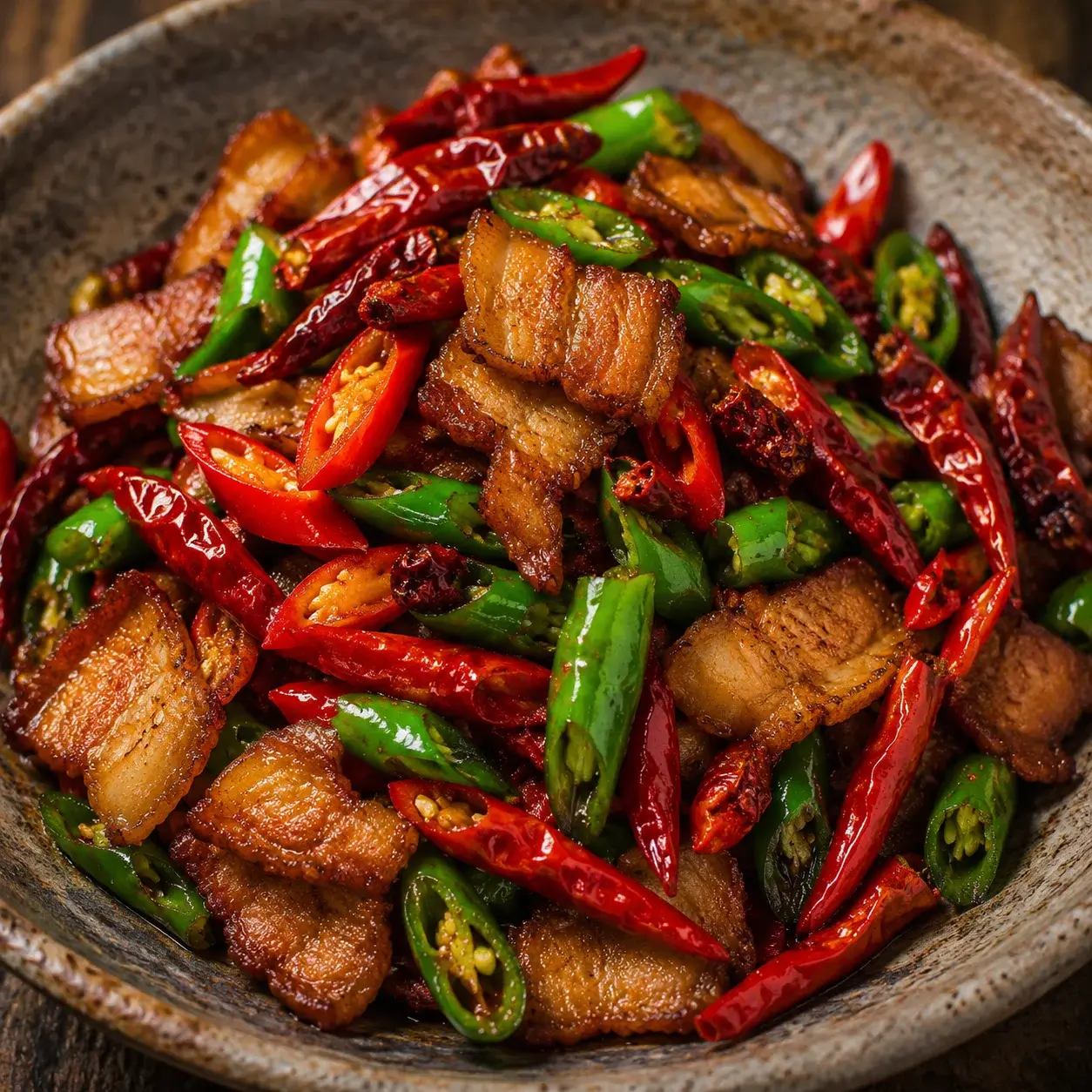
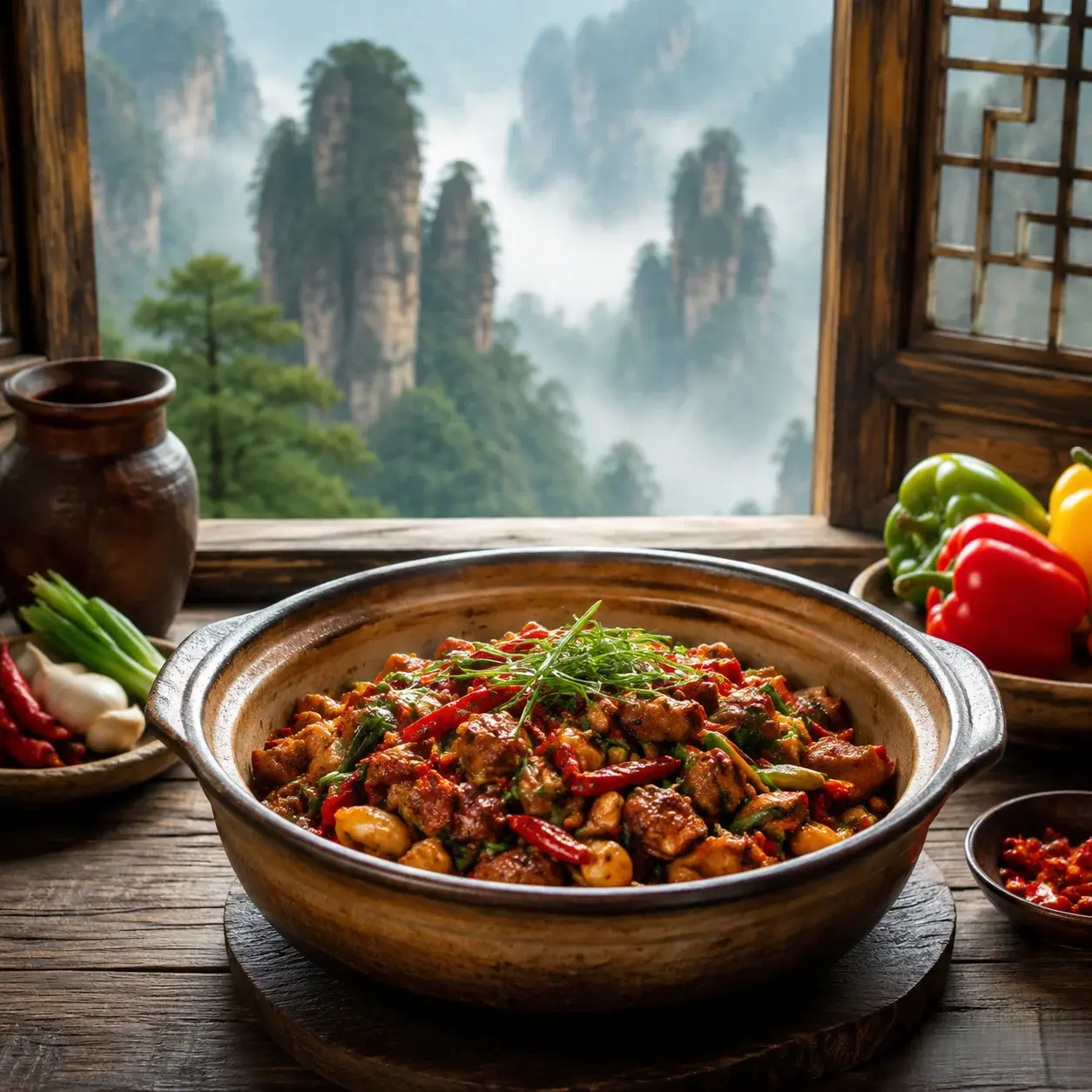
Dry-fried Hunan pork with fresh chilies

Both are famously spicy, but the type of heat is completely different — and confusing the two is the single most common first-timer mistake. Sichuan's signature is 麻辣 málà: chili heat layered with the buzzing, lip-numbing tingle of 花椒 Sichuan peppercorn. Hunan skips the numb almost entirely and goes for a cleaner, hotter, often sour burn. Food writers describe Xiang cuisine as "dry-hot" — fiery and pungent rather than numbing (Source: Serious Eats, "An Introduction to Hunan Cuisine." Last verified: 2026-07).

Hunan (Xiang) 湘菜Sichuan (Chuan) 川菜
Signature sensationPure fiery heat + sourness ("dry-hot")麻辣 málà — heat plus numbing tingle
Sichuan peppercorn 花椒?Little to none — no numbing buzzYes — the numbing 麻 is central
Chili styleFresh, pickled, and chopped chilies; often more raw heatChili oil, dried chilies, doubanjiang paste
Other pillarsCured & smoked meats (腊肉), fermented black beans, sournessFermented bean paste, sweet-and-numbing complexity
First-timer trapExpecting a numb that never comes — just relentless heatExpecting "just spicy" and getting ambushed by the buzz

The practical upshot: in Sichuan you can ask them to hold the peppercorn (不要花椒) to kill the numb while keeping some flavor. In Hunan there is no numb to remove — the heat is the chili, so your only real lever is asking for less chili. Locals will tell you Hunan food is, pound for pound, hotter than Sichuan; whether that's literally true is a bar argument, but the feeling is more direct. This heat-type distinction is evergreen and you can trust it; only a specific restaurant's baseline spice needs checking in person.

What are the must-eat Hunan dishes?

Chopped-chili steamed fish head, a Hunan icon

Start with 剁椒鱼头 (chopped-chili steamed fish head) and Chairman Mao's red-braised pork — then work outward. Below is the core canon decoded for a first-timer: what each dish actually is, where it belongs, roughly what it costs, and how hot to expect it. We treat every dish as an in-place experience — eat it here, order it like this — not as a recipe. Prices are per dish and usually meant to be shared family-style.

Dish (EN / 中文)What it isWhere / whenHeatTypical RMB (2026)
Chopped-chili fish head 剁椒鱼头A whole bighead-carp head steamed under a blanket of red chopped chili; Dongting Lake classicSit-down Xiang restaurants; a signature order🔥🔥 Hot but fragrant~60–120 (shared)
Chairman Mao's red-braised pork 毛氏红烧肉Melting, glossy pork belly braised in soy and a little chili — Mao's hometown dishEverywhere in Hunan; the sentimental headliner🔥 Mild-ish~40–70
Xiao chao rou 小炒肉Stir-fried pork with fresh green chili and fermented black beans — the everyday Hunan stapleAny home-style eatery; locals' benchmark🔥🔥 Properly hot~30–55
Cured / smoked meats 腊肉 (la rou)Salt-cured, smoke-dried pork (or sausage) stir-fried with garlic scapes or chili; a Hunan hallmarkWinter specialty, served year-round🔥 Varies~45–80
Changsha stinky tofu 臭豆腐Black, deep-fried fermented tofu with chili-garlic sauce — pungent outside, soft insideStreet stalls & night markets, Changsha🔥 Adjustable~10–20 (street)
Spicy crayfish 口味虾Whole crayfish wok-tossed in chili, garlic, and beer — Changsha's summer night obsessionNight-food, roughly May–Sep; priced by weight🔥🔥🔥 Very hot~80–160 / plate (seasonal)
Sugar-oil cakes 糖油粑粑Chewy glutinous-rice balls fried in caramelized brown sugar — sweet, zero heatChangsha street snack☺ None~5–10

If you try only one thing, make it chopped-chili fish head — it is the dish that says "Hunan" more than any other, dramatic to look at and built for sharing. The sentimental pick is Chairman Mao's red-braised pork, comfortingly rich and among the least aggressive on the chili front. And the trophy experience — the one that lets you say you ate Changsha — is a summer night over a plate of spicy crayfish with cold beer. Dish identities and heat character are evergreen; the RMB figures are approximate 2026 ranges and vary widely by restaurant and, for crayfish, by season and market price.

Changsha is the natural base for eating this food at its liveliest. Well-known night-food areas such as Chaozong Street 潮宗街 and the much-photographed retro food complex Wenheyou 文和友 draw big crowds for stinky tofu and crayfish; we mention these by reputation rather than as a verified personal pick, and note they run tourist-busy — go with patience and an appetite.

What should you eat in Zhangjiajie?

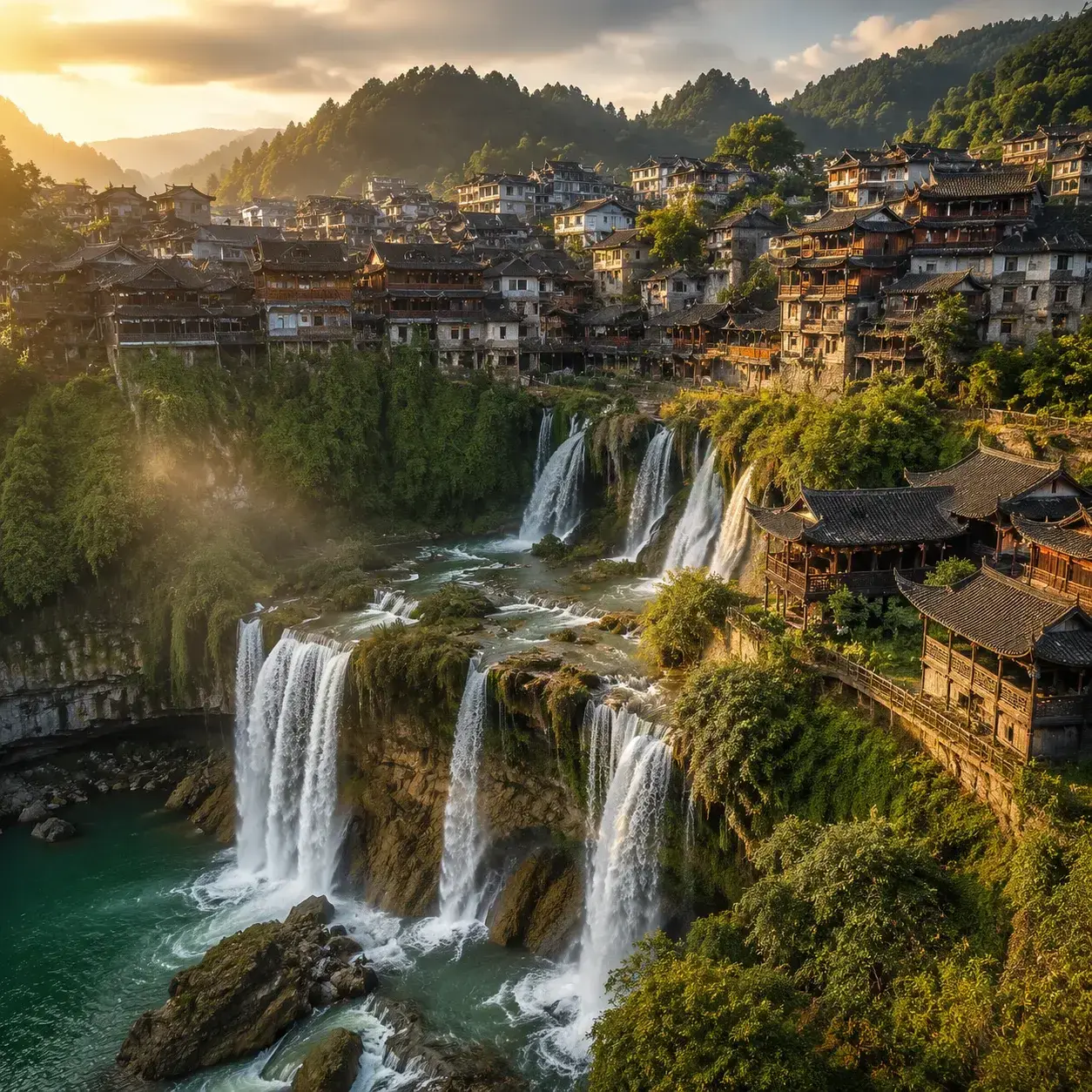
A Tujia-style dish in Zhangjiajie

In Zhangjiajie you eat two cuisines at once: fiery mainstream Hunan food plus the mountain food of the Tujia (土家) and Miao (苗) ethnic minorities — and the local rule is to tell the waiter your spice level before you order. Zhangjiajie's own "food" search interest is small because most travelers come for the sandstone pillars, then discover they need an eating plan. Here it is. This region leans even more heavily rustic and chili-forward than the cities, and the Tujia specialties are the reason to look past the standard menu (Sources: China Highlights; TravelChinaGuide — Zhangjiajie dining. Last verified: 2026-07).

Dish (EN / 中文)What it isWhy eat it hereHeatTypical RMB (2026)
Sanxiaguo 三下锅Zhangjiajie's defining Tujia dish — pork, offal, and vegetables braised dry-pot style in one bubbling panThe local signature; order it first🔥🔥 Hot~50–90 (shared pot)
Tujia steamed pork belly 土家扣肉Fatty pork belly steamed until spoon-soft over preserved vegetablesComfort ballast against all the chili🔥 Mild~40–65
Blood-cake duck 血粑鸭Duck stir-fried with firm cakes of glutinous rice set in duck blood — a rustic minority specialtyThe adventurous, distinctly-local dish🔥🔥 Hot~50–90
Tuannian reunion dish 团年菜A big shared "reunion" spread of braised meats and vegetables, Tujia New-Year in originFamily-style feasting for a group🔥 VariesSet / by group
Cured meats 腊肉 (mountain-style)Smoke-cured pork, even heavier and smokier up in the hillsThe mountains do cured meat especially well🔥 Varies~45–80

The survival tip locals and guides repeat for Zhangjiajie is worth taking literally: tell the waiter how spicy you want it before they cook. Tourist-facing restaurants near the park entrances are used to the request, and a clear "微辣" (mild) or "不辣" (no chili) at the point of ordering saves you from a dish built for a Hunan mountain palate. Dish identities and the Tujia/Miao cultural context are evergreen; the specific restaurant, its lineup, and the exact prices are what you confirm on the ground — food near major scenic entrances tends to run pricier and more tourist-calibrated than downtown Zhangjiajie city.

Can you eat Hunan food if you can't handle chili?

Yes — but you need a game plan, because Hunan defaults to genuinely hot and "a little spicy" to a local can still be a lot. This is not Chengdu, where a large share of the canon is naturally sweet or heat-free; in Hunan, chili is closer to a default seasoning, so the chili-averse have to steer actively. The good news is that steering works, and a few dishes are safe by nature.

Your moveWhat to say / doWhy it works
Set your heat at the point of order微辣 wēi là (mild) · 不要辣 bù yào là (no chili) · 少放辣椒 shǎo fàng làjiāo (use less chili)Hunan heat comes from added chili, so lowering it at the wok is your main lever
Anchor on naturally mild dishesOrder Chairman Mao's red-braised pork, steamed egg, plain stir-fried greens, Tujia steamed pork belly, sugar-oil cakesThese carry little to no chili even when made "properly"
Balance the tablePair one fiery dish with two mild ones and plenty of plain rice; keep a sweet/cold item to resetRice and mild dishes blunt the burn far better than water
Say it clearly, twice if neededRepeat 不要辣 when the dish arrives at a busy local spotKitchens used to local palates may under-hear a mild request
Watch the sneaky-hot onesTreat xiao chao rou, spicy crayfish, and anything with visible fresh/chopped chili as hot by defaultThese are hot by design and hard to fully de-chili

One honest caveat: some Hunan classics are hard to truly de-spice because the chili is cooked into the dish's identity — chopped-chili fish head without the chopped chili isn't really the dish. If you want the experience without the fire, lean on the braised, steamed, and cured items rather than the stir-fried and chopped-chili ones. The phrases and ordering technique are evergreen and reliable; how far a given kitchen actually dials the heat down is the part to confirm in the moment.

Frequently Asked Questions

What is Hunan food? Hunan food, or Xiang cuisine (湘菜), is one of China's eight great regional cuisines, from Hunan province in south-central China. It's known for bold, fiery chili heat, a sour edge, and heavy use of cured and smoked meats, fermented black beans, and fresh chopped chilies.

Is Hunan food spicier than Sichuan? Many locals insist it is, and the burn certainly feels more direct. The key difference is type: Hunan delivers a pure, dry, fiery heat, while Sichuan adds the numbing tingle of Sichuan peppercorn (花椒). Hunan is hot; Sichuan is numbing-and-hot. Both are genuinely intense.

What should I eat in Zhangjiajie? Eat mainstream Hunan dishes plus Tujia minority specialties: sanxiaguo (a braised dry-pot dish), Tujia steamed pork belly, and blood-cake duck. Cured mountain meats are excellent too. Crucially, tell your waiter your spice level before ordering — Zhangjiajie food runs hot and rustic by default.

What is Tujia food? Tujia food is the cuisine of the Tujia (土家) ethnic minority, prominent around Zhangjiajie in western Hunan. It's rustic and mountain-based — heavy on cured and smoked meats, glutinous rice, one-pot braises like sanxiaguo, and distinctive dishes such as blood-cake duck. It's often even more chili-forward than city Hunan food.

How spicy is Hunan food really? Genuinely spicy — it's among China's hottest cuisines, and chili functions almost as a default seasoning rather than an option. That said, you can steer it: ask for 微辣 (mild) or 不要辣 (no chili) when ordering, and anchor your meal on naturally mild braised and steamed dishes plus plenty of rice.

What is Chairman Mao's favorite dish? Mao Zedong, a Hunan native, is famously associated with red-braised pork — 毛氏红烧肉, "Mao's red-braised pork" — a rich, glossy pork-belly dish now served across Hunan. He's also linked to the region's love of chili, often quoted to the effect that you can't be a revolutionary without eating chili peppers.

Conclusion

Hunan food rewards travelers who understand it before they order: one of China's eight great cuisines, built on a fiery, sour, cured-and-smoked character that is hot in a completely different way from Sichuan's numbing mala. Hit the headliners — chopped-chili fish head, Mao's red-braised pork, a summer plate of crayfish in Changsha — and in Zhangjiajie lean into the Tujia specialties while telling the kitchen your spice level. Whether you chase the heat or steer around it, the rule is the same: dare to eat, eat right.

If you'd rather have the local layer navigated for you — the real Changsha night-food and Zhangjiajie Tujia table, minus the language and spice guesswork — a private-customized food experience does exactly that.

Keep exploring: our pillar on China's street-food scene, the numbing-heat contrast in our Chengdu street food guide, and whether a guided food tour is worth it.