


Private Routes
丝绸之路精华之旅:从西安到喀什10日游 10d $4,160 丝绸之路精华之旅:从西安到喀什10日游 2026年7月 Read Article 深度北京 — 长城与故宫,轻松游 4d $970 深度北京 — 长城与故宫,轻松游 2026年7月 Read Article 真实中国:12日小团探险之旅 12d $3,120 真实中国:12日小团探险之旅 2026年7月 Read Article 经典中国与云南:从北京到香格里拉和上海的18天之旅 18d $5,840 经典中国与云南:从北京到香格里拉和上海的18天之旅 2026年7月 Read Article 免签中国之旅:13天,从北京到香港 13d $3,640 免签中国之旅:13天,从北京到香港 2026年7月 Read Article
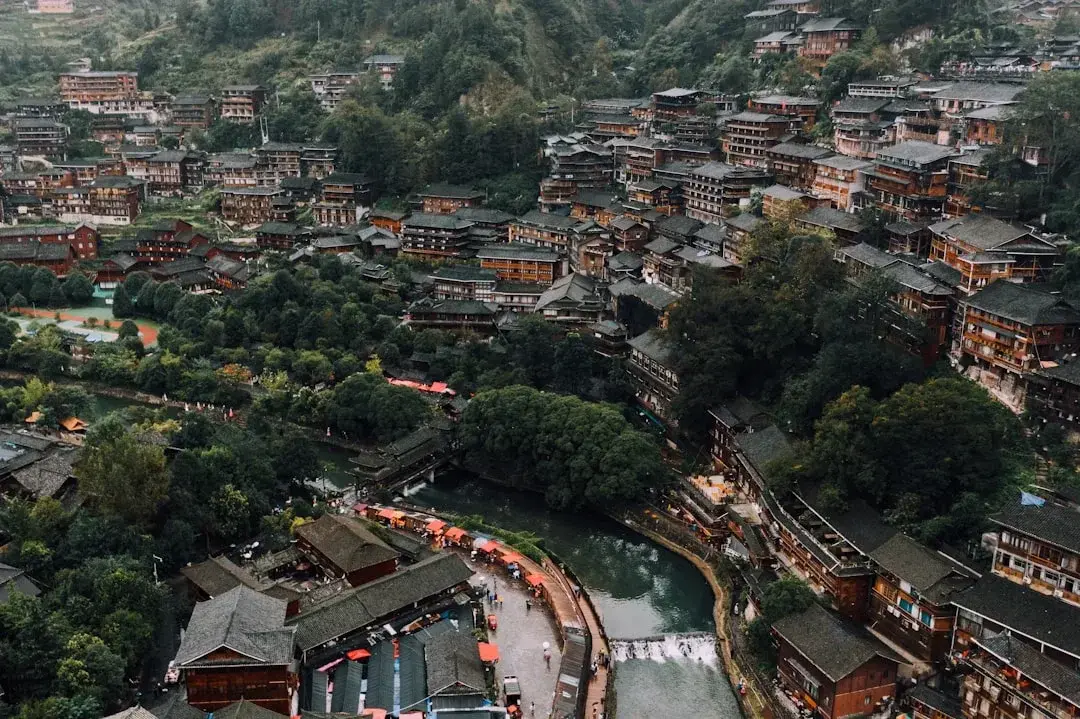
Red lanterns glowing over the stilt houses and river of a Chinese ancient town at dusk

Ancient Towns in China: Which One Is Right for Your Trip?

Choose your ancient town in China by where you're already going, not by beauty rankings. For the most authentic and best-preserved, pick Pingyao — a living Ming-Qing walled city and a UNESCO World Heritage Site. For easy canals from Shanghai, choose a Jiangnan water town. For the most dramatic scenery, Fenghuang or Furong near Zhangjiajie. Already in Yunnan? Lijiang Old Town is built into the trip.

China has, by one traveler's count, more than 2,800 ancient towns — canal villages, walled Ming cities, stilt-house river towns strung with red lanterns. No one can, or should, see them all. This is not another ranked list of the prettiest. It's an honest decision guide: which single town fits the trip you're already planning, how authentic versus commercialized each one really is, and whether it's a half-day stop or worth an overnight.

We plan private China trips for a living; we don't sell tickets to these towns and we're not an OTA listing. That lets us say the thing the browse-all listicles soften: some of the famous names are heavily commercialized, and one or two are essentially ticketed theme parks. The decision table below is where we start.

Key Takeaways

- The first question isn't "which is prettiest" — it's "where else am I going in China?" Detouring for a town is almost always a mistake; slotting one into your existing route is almost always right. - Most authentic of the famous towns: Pingyao — a walled Ming-Qing city where people still live, inscribed on the UNESCO World Heritage List in 1997. - Fenghuang is stunning but heavily commercialized and crowded. Still go — but stay overnight and walk the back lanes at dawn. - Doing Shanghai? A Jiangnan water town is your move. Doing Xi'an? Pingyao by high-speed rail. Doing Zhangjiajie? Furong or Fenghuang. Doing Yunnan? Lijiang. - Only Pingyao and Lijiang are actual UNESCO World Heritage Sites here — Fenghuang and the water towns are on the tentative list, not inscribed. Don't let a listicle tell you otherwise. - Day-trippers ruin the middle of the day. These towns are quieter and more honest after about 5 PM and at dawn — which is why the good ones reward an overnight.

Which Ancient Town in China Should You Visit? (Compared at a Glance)

For the most authentic and best-preserved, choose Pingyao (a living Ming-Qing walled city, UNESCO 1997); for classic Jiangnan canals from Shanghai, a water town like Zhouzhuang or Zhujiajiao; for the most dramatic scenery, Fenghuang or Furong near Zhangjiajie; and if you're already in Yunnan, Lijiang Old Town. The table below compares the six names travelers actually search for on the six things that decide the trip — where it is, its vibe, how authentic versus touristy it really is, crowds, day-trip or overnight, and who it suits.

TownRegion / nearest hubVibeAuthentic vs. touristy (our verdict)CrowdsDay-trip or overnightBest for
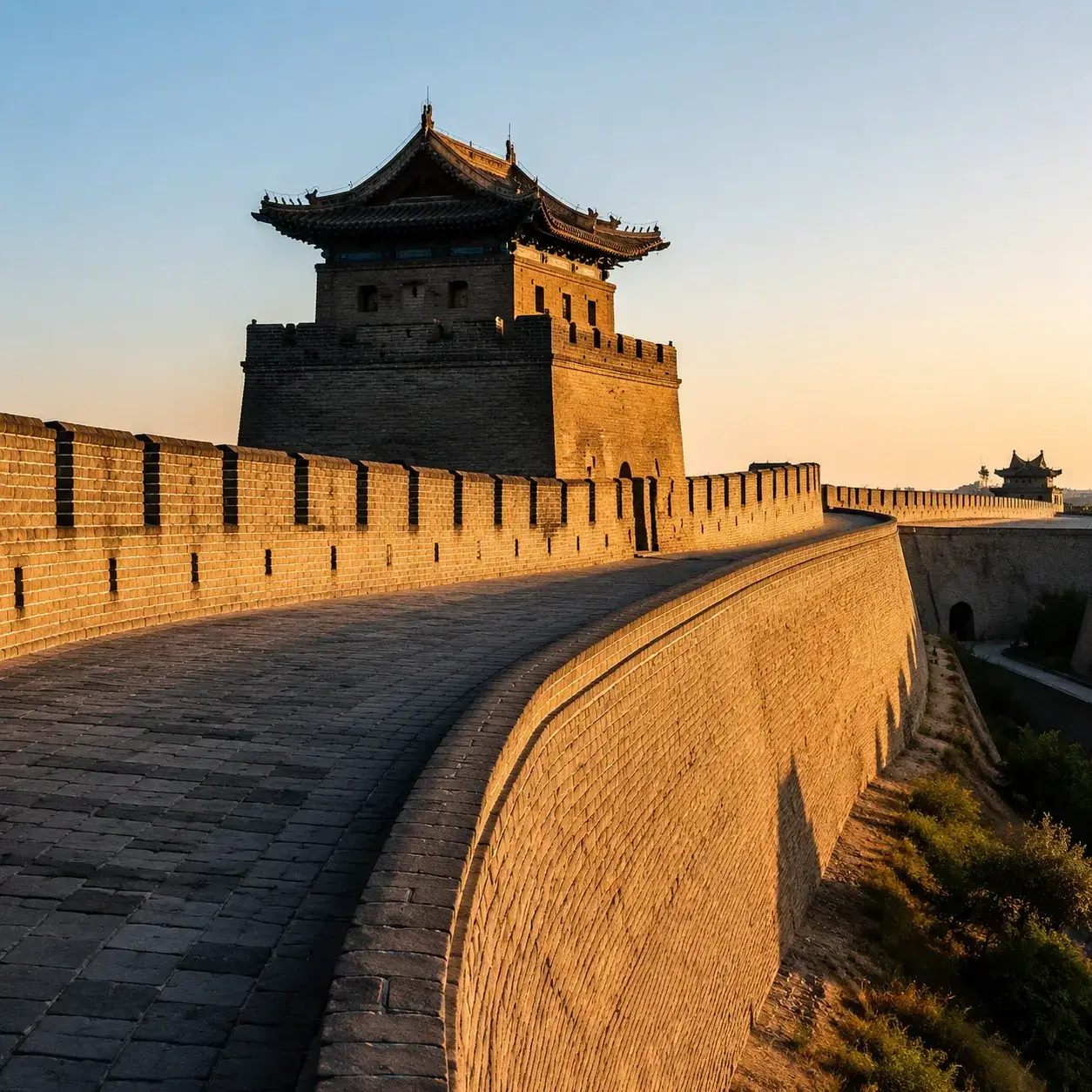
Pingyao Ancient CityShanxi / off the Xi'an–Beijing HSR lineWalled Ming-Qing merchant city; people still live insideMost authentic of the famous ones (UNESCO)Moderate, manageableOvernight (magic after dark)History lovers; Xi'an add-on
Fenghuang Ancient TownW. Hunan / near ZhangjiajieStilt houses over the Tuo River, lantern-lit nightsStunning but heavily commercialized & crowdedHigh (packed by day)Overnight (dawn/night, skip the day crowds)Photographers; Zhangjiajie combo
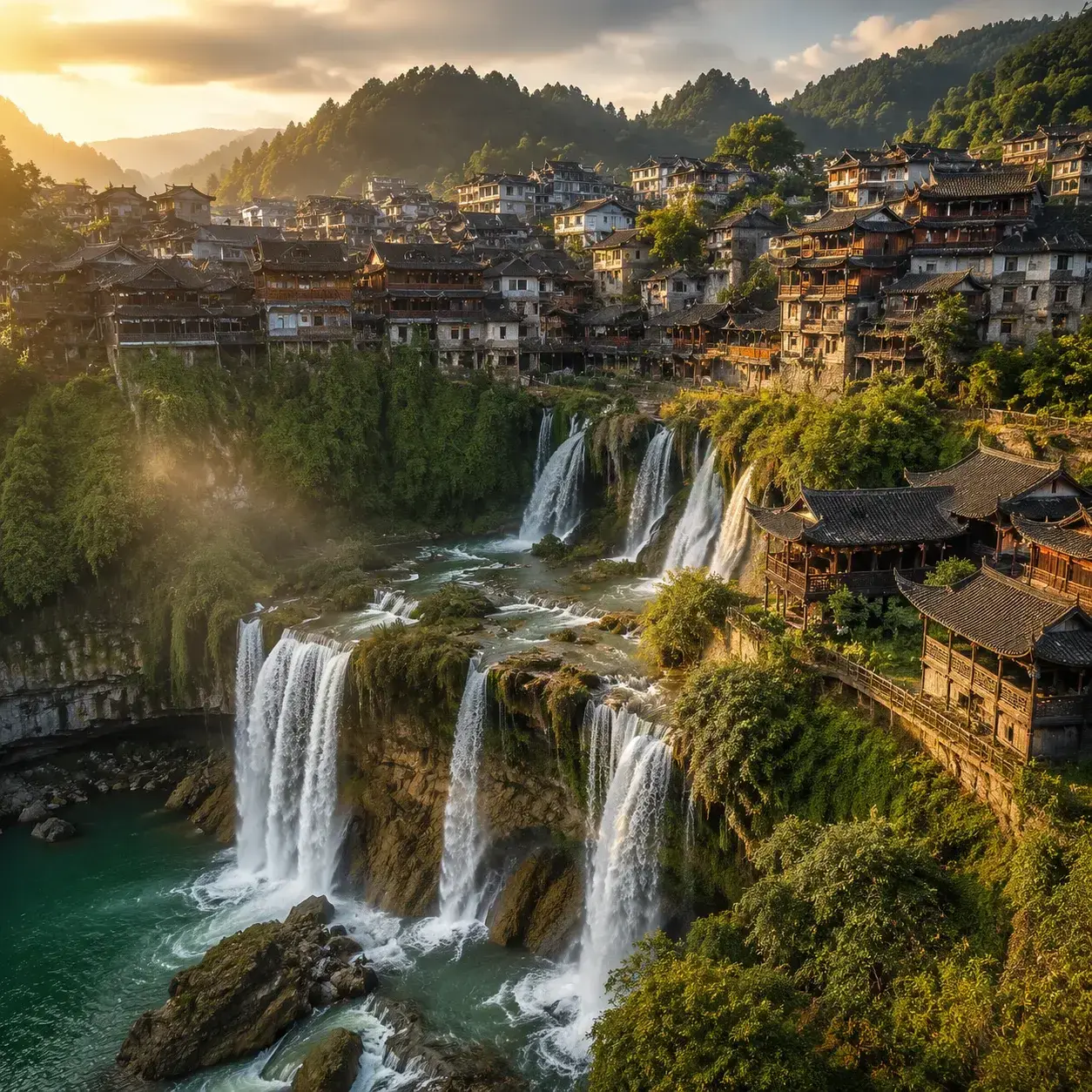
Furong Ancient TownW. Hunan / near ZhangjiajieA town built on top of a waterfallLess touristy alternative to FenghuangModerateHalf-day or overnightScenery seekers wanting fewer crowds
Water towns (Zhouzhuang / Zhujiajiao / Tongli / Nanxun)Jiangnan / near Shanghai & SuzhouCanals, stone bridges, gardens, wooden boatsTouristy but easy (Zhujiajiao); quieter options exist (Nanxun, Tongli)High → moderateDay-trip from ShanghaiFirst-timers; Shanghai trips
Lijiang Old TownYunnan / LijiangNaxi old town below Jade Dragon Snow MountainBeautiful but busy (avoid holidays)HighOvernight (part of a Yunnan trip)Yunnan itineraries
Wuzhen (Xizha)Jiangnan / near Hangzhou & ShanghaiPolished, managed, ticketed canal townMost "theme-park" — curated and gatedHigh but orderlyDay-trip or one nightComfort-first, hassle-free visit

Every "authentic vs. touristy" call above is our editorial verdict, not a measurable fact. Four quick read-outs from the table: most authentic → Pingyao; easiest from Shanghai → a water town (Zhujiajiao for a fast half-day); most dramatic → Fenghuang or Furong; already in Yunnan → Lijiang. For the deep dives, follow the links down to the Pingyao, Fenghuang, Furong and water towns near Shanghai guides.

Which Ancient Town Is the Most Authentic — and Which Are Tourist Traps?

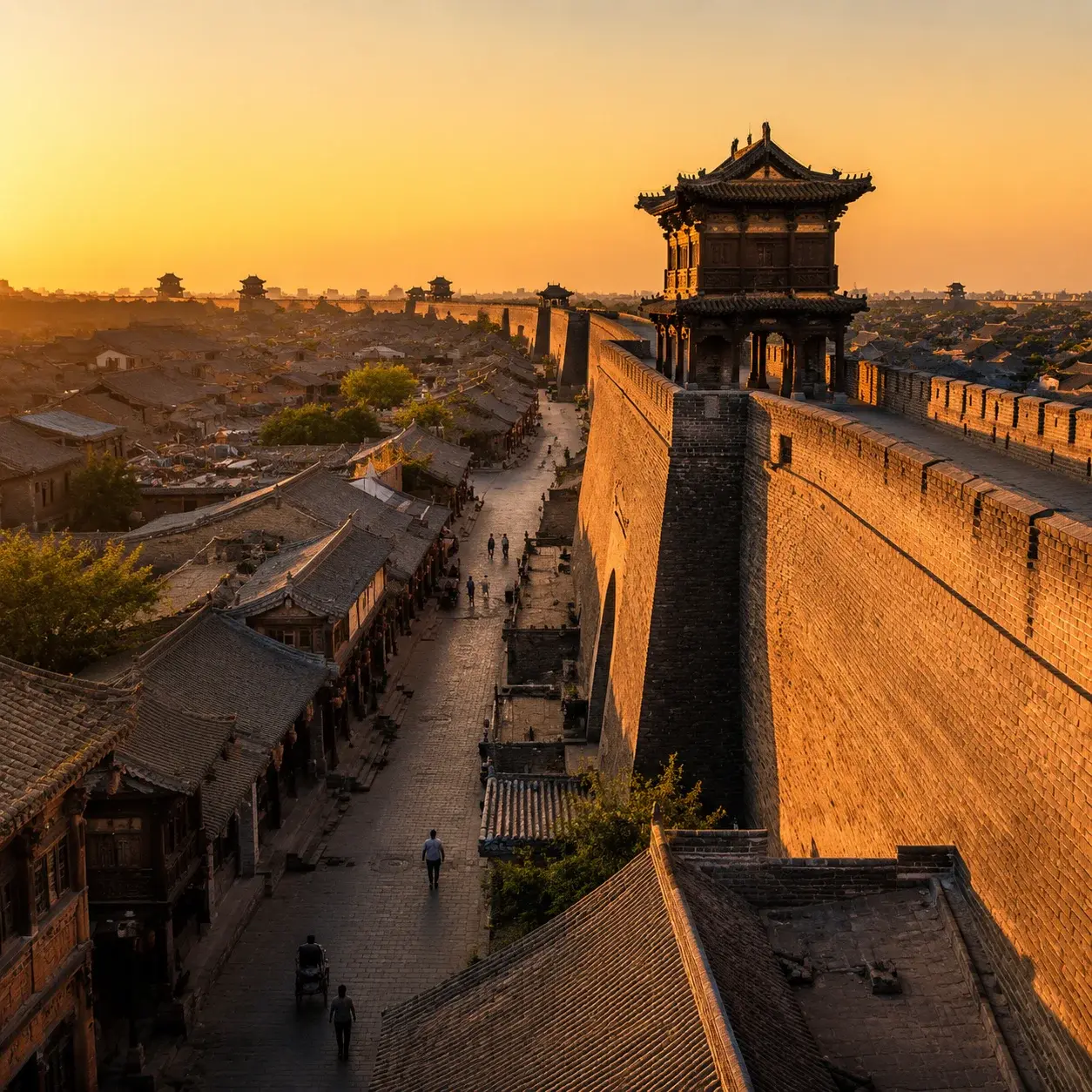
The grey brick walls and old merchant streets of Pingyao ancient city at golden hour

Pingyao is the most genuinely authentic of the famous towns: a fully intact walled city where residents still live and work, not a rebuilt film set. Fenghuang is breathtaking but heavily commercialized; Wuzhen's Xizha is essentially a ticketed "ancient-town theme park." Here is the honest scorecard competitors only hint at — read the star ratings as our editorial judgment, not a lab measurement.

TownAuthenticity (1–5)Commercialization / crowdsOne honest line
Pingyao★★★★★Moderate: residents still live inside; not a rebuilt setThe most real of the famous names — save the wall, the old banks, and the empty night lanes for people who stay over
Furong★★★☆☆Moderate: Fenghuang's quieter alternativeWant west-Hunan scenery without the crush? Choose this over Fenghuang
Nanxun / Tongli★★★☆☆Moderate: the calmer end of the water townsJiangnan without Zhouzhuang's crowds
Zhouzhuang / Zhujiajiao★★★☆☆High: easy and walkable, but busy by dayEasiest from Shanghai; the price is the crowds — go early or at dusk
Lijiang★★★☆☆High: bar-street energy, holiday crushesThe beauty is real; the quiet is a luxury — non-holiday dawns only
Fenghuang★★☆☆☆High: gorgeous at night, mobbed by dayStill go — but overnight, shoot dawn and the lantern-lit river, and dodge the main street at midday
Wuzhen (Xizha)★★☆☆☆High but orderly: gated, curated, ticketedIf you want flawless-and-effortless rather than raw and real, this is the one

One rule worth lifting: the day-tour buses ruin the middle of the day, and these towns become "quieter, more beautiful, and more honest" only after about 5 PM and at dawn (a point even competitors concede; verify seasonally). That single truth decides most of the day-trip-versus-overnight calls below. For the head-to-head on the trickiest pair, see whether Fenghuang is a tourist trap and why Pingyao holds up as the best-preserved walled city.

How to Fit an Ancient Town Into Your China Itinerary (by Where You're Going)

Start from the city you're already visiting, then pick the town that's on that route — don't build the trip around a town. This is the routing no listicle does. Lock your region first; the right ancient town falls out of it.

Your trip centers on…Your ancient townHow it connects (verify locally, 2026)Route
ShanghaiA Jiangnan water townZhujiajiao is the fastest half-day (competitor figure: "about 40 minutes by metro from the city center" — verify); Zhouzhuang or Tongli for the classic canalswater towns near Shanghai
Xi'an (or the Beijing–Xi'an rail line)PingyaoAn easy high-speed-rail add-on (competitor figure: "3 to 4 hours" from Beijing/Xi'an — verify)Pingyao Ancient City
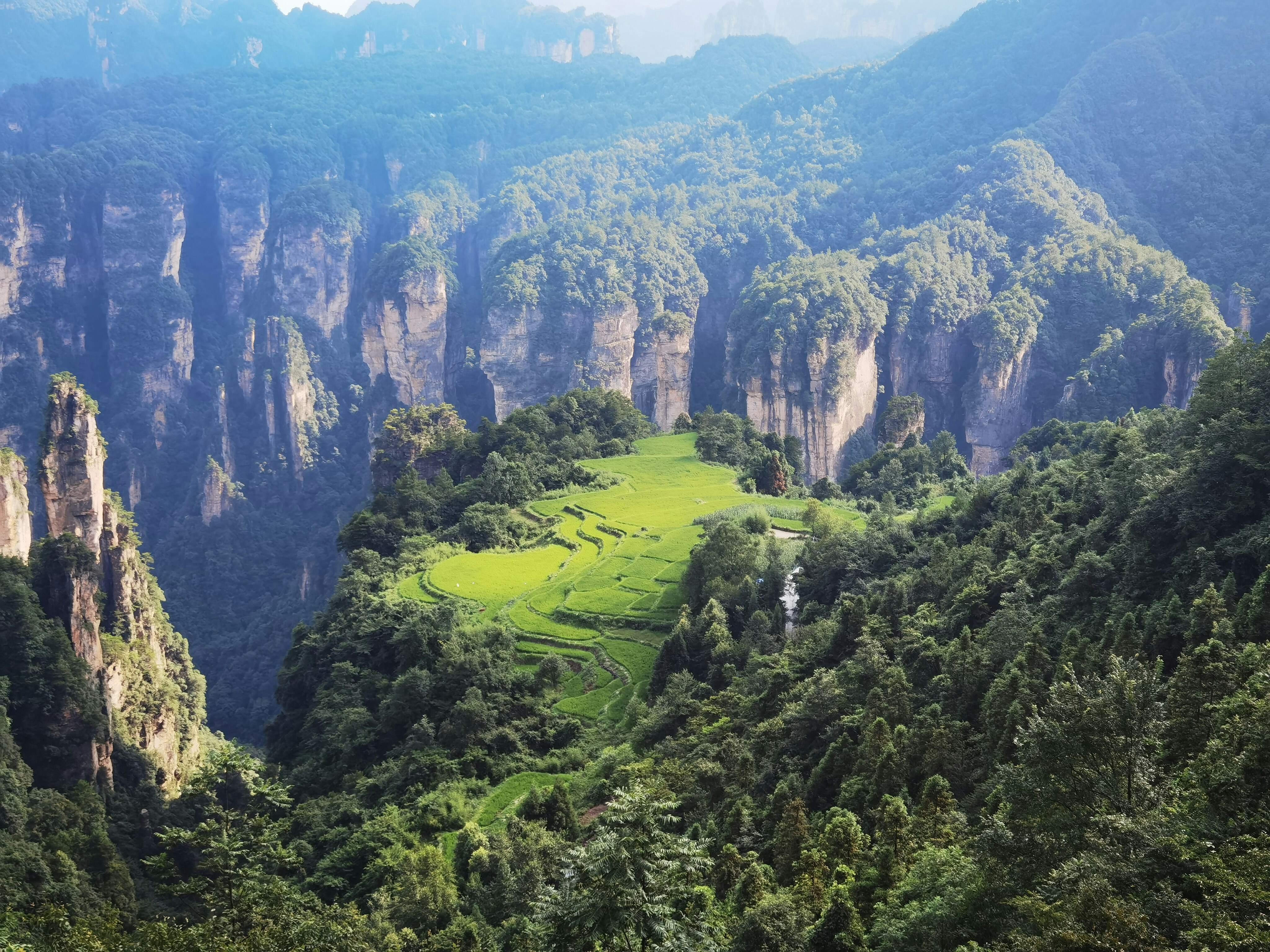
Zhangjiajie / the Avatar mountainsFurong or FenghuangFurong the waterfall town (competitor figure: "~30 minutes by train" from Zhangjiajie — verify); Fenghuang for the Tuo River at nightFurong / Fenghuang, and pair it with Zhangjiajie's Avatar mountains
YunnanLijiang Old TownAlready built into the itinerary; details live on the Yunnan pageLijiang Old Town
BeijingNone at the doorstepThe honest note competitors skip: Gubei Water Town is a modern-built resort, not a historic town. The nearest genuine option is Pingyao by high-speed railPingyao

That Beijing row is deliberate. Most guides will shoehorn in a "town near Beijing" to fill the section; we'd rather tell you there's no world-class ancient town at Beijing's doorstep and that the closest real one is a rail ride away in Shanxi. Being willing to say "there's no great answer here" is the whole point of advice from a planner who isn't selling you the town.

Are Chinese Ancient Towns a Day-Trip or Worth an Overnight?

The water towns near Shanghai are day-trips; Pingyao, Fenghuang, and Furong reward an overnight — because the crowds thin out and the lantern-lit evenings are the entire point. One rule you can apply anywhere: if a town is more than two hours from a major city, stay the night; if it's a metro ride or short drive from Shanghai, a half-day is plenty.

TownVerdictWhy
Water towns (Zhouzhuang / Zhujiajiao / Tongli)Half-dayShort hop from Shanghai or Suzhou; you can see it and be back for dinner
PingyaoOvernightThe wall, the old bank houses, and the empty city after dark are the reason to come — and it's far from the nearest big city
FenghuangOvernightMidday tour crowds gut the experience; dawn and the night lanterns are what you came for
FurongHalf-day or overnightFine as a half-day on a Zhangjiajie loop; overnight if you want the waterfall at dawn and dusk
LijiangOvernightIt's already a leg of a Yunnan trip; the non-holiday early morning in the old town is the best of it

The honest trade-off: an overnight in most of these towns means a basic guesthouse, not a five-star hotel. For families and multi-generational groups that's a real pace-and-comfort decision — if you want the dawn, you accept a simpler bed that night. Decide before you book.

A quick word on money, because it's the most misreported detail in every guide: ancient-town pricing comes in three shapes, and knowing which one you're facing matters more than any single number. Some towns charge one gated entry fee for the whole place (Wuzhen's Xizha is the most theme-park-like example). Some sell a combined pass covering multiple sites inside — Pingyao works this way, bundling the wall and the old bank houses (a competitor cites a pass around ¥125 for three days across roughly 22 sites, which we flag as unverified). And many Jiangnan water towns are free to enter, charging only for individual attractions and boat rides, sometimes waiving the fee after late afternoon. Chinese ticket policies are among the most-changed numbers in all of travel — Fenghuang has repeatedly altered whether it charges a whole-town fee at all — so treat every figure as a lead to confirm, not a fact.

When Is the Best Time to Visit China's Ancient Towns?

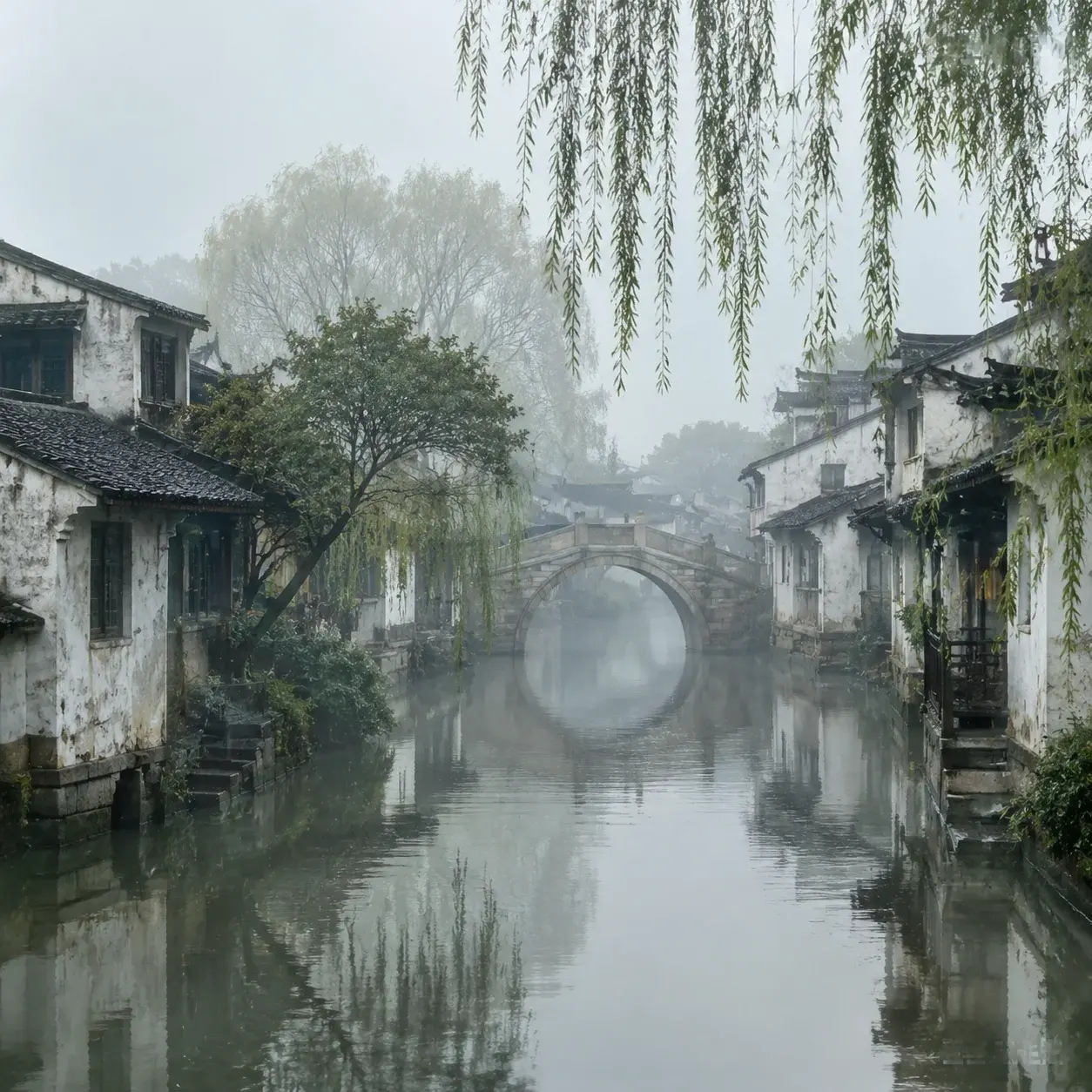
Mist over a Jiangnan water town canal with a stone bridge and whitewashed houses at dawn

Whichever town you pick, the single most important timing rule is to avoid China's public holidays. Skip the Golden Weeks without exception — Spring Festival (Lunar New Year, typically late January to February, dates shift yearly), Labour Day (around May 1), and National Day (October 1–7). These are the country's peak domestic-travel surges, and they will pack any ancient town to the point of pointlessness. A "most authentic" Pingyao jammed into the October holiday becomes shoulder-to-shoulder disappointment; a "commercialized" Fenghuang on an ordinary October weekday dawn hands you an empty river. Picking the right week rescues more trips than picking the right town.

Beyond avoiding the holidays, the sweet spots vary a little by region:

- Everywhere: late spring (April–May, skip the May 1 holiday) and autumn (September–October, skip early October) give the best light and mildest weather. - Jiangnan water towns: misty early spring (March–April) is the most photogenic, but avoid the Qingming long weekend. - Fenghuang and Furong (west Hunan): summers are wet and the Tuo River can run high; spring and autumn are steadier. - Pingyao (northern China): winter is cold but has the fewest visitors and the most solemn walled-city atmosphere; summer brings a busy international photography festival (confirm the year's dates). - Lijiang (highland): big day-night temperature swings and strong UV — pack layers, and again, dodge the holidays.

Visiting an Ancient Town With Kids or Older Parents

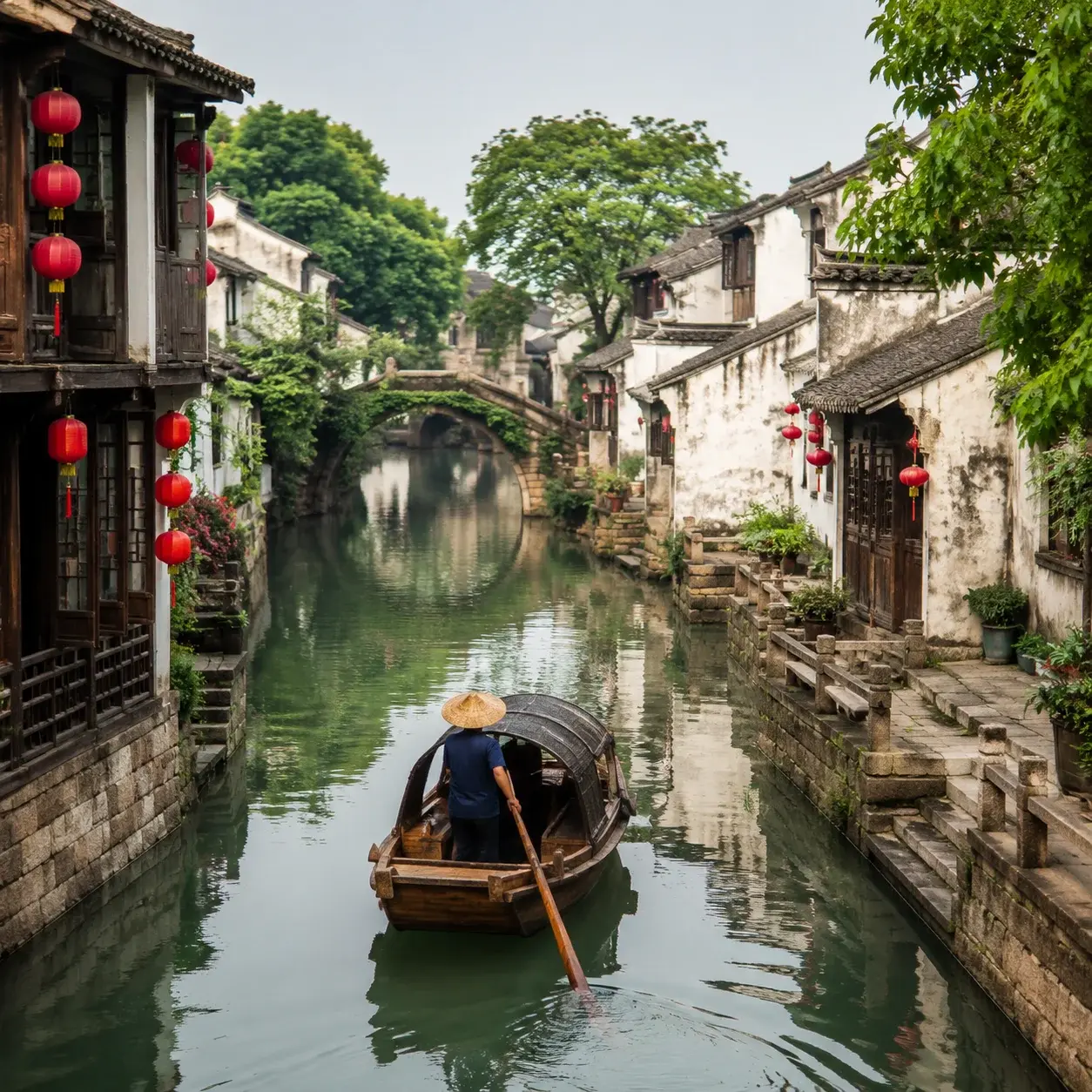
A wooden boat drifting down a quiet canal between old houses in a Jiangnan water town

With kids, the water towns win: flat, short, boat rides, snacks, and an easy day-trip from Shanghai — skip the long transfers to remote towns. With older parents or a multi-generational group, mind the cobblestones, uneven stone steps, and hilly lanes; Pingyao's flat grid and the water towns are the gentlest. No competitor covers this, and it's exactly the call our travelers ask us to make.

For young families, a Jiangnan water town is almost always the answer. The distances are short, the ground is mostly level, there's a wooden-boat ride to break up the walking, and street snacks keep everyone happy. The remote west-Hunan towns — beautiful as they are — mean multi-hour transfers that wear children and adults down alike.

For grandparents and multi-generational trips, the terrain matters more than the town. Fenghuang's riverbank steps and Lijiang's sloping old-town lanes are hard on tired legs; Pingyao's flat, gridded streets and the water towns' short, even paths are far kinder. If your group spans a stroller and a cane, weight the choice toward flat and close over remote and dramatic.

Frequently Asked Questions

What is the best ancient town in China to visit? There's no single winner — it depends on your route. For the most authentic experience, Pingyao (a living UNESCO walled city) is the standout. For an easy first taste near Shanghai, a Jiangnan water town; for dramatic scenery, Fenghuang or Furong near Zhangjiajie.

What are the most beautiful ancient towns in China? The most photogenic are Fenghuang, with its stilt houses over the lantern-lit Tuo River, and Lijiang beneath Jade Dragon Snow Mountain. Pingyao's intact Ming-Qing walls and the misty Jiangnan water-town canals are close behind — beauty here is a tie, so choose by trip fit.

Which ancient towns are near Shanghai? The Jiangnan water towns are your closest options: Zhujiajiao (the quickest half-day), plus Zhouzhuang, Tongli, and quieter Nanxun a little farther out toward Suzhou. They're best as day-trips. See our water towns near Shanghai guide for routing.

Are there ancient towns near Beijing? Honestly, not a world-class one. Gubei Water Town is a modern-built resort, not a historic town. The nearest genuine ancient city is Pingyao in Shanxi, reachable by high-speed rail — so if authenticity matters, plan for that rather than a Beijing day-trip.

Is Fenghuang Ancient Town a tourist trap? It's heavily commercialized and mobbed by day, but it isn't a trap if you time it right. Go, stay overnight, shoot the Tuo River at dawn and under the night lanterns, and avoid the main street at midday. Full breakdown in our Fenghuang guide.

Which is the most authentic, best-preserved ancient town in China? Pingyao. It's a fully intact walled Ming-Qing city where people still live — not a rebuilt film set — and it was inscribed on the UNESCO World Heritage List in 1997. See our Pingyao Ancient City guide.

Pingyao vs. Lijiang — which should I choose? Both are UNESCO World Heritage cities (both inscribed 1997), but they suit different trips. Choose Pingyao for a genuine, lived-in walled city on a Xi'an or Beijing rail route; choose Lijiang if you're already in Yunnan and want Naxi old-town atmosphere under snow-capped mountains.

The Bottom Line

Choosing an ancient town in China is simpler than the listicles make it look: start from where you're already going, pick the town that's on that route, and decide day-trip versus overnight. One well-chosen town — the authentic one over the tourist trap, at dawn instead of midday, at a pace that suits your group — beats three rushed ones every time.

If you'd rather have the right ancient town woven into a private, English-guided China itinerary — Pingyao slotted onto your Xi'an leg, a quiet water town on your Shanghai days, Furong paired with Zhangjiajie — that's the kind of trip LyrikTrip plans. We'll steer you to the honest ancient towns in China and away from the ones you'd regret.

Sources: UNESCO World Heritage Centre — Ancient City of Ping Yao (inscribed 1997) and Old Town of Lijiang (inscribed 1997); cross-checked via chinadiscovery.com and Wikipedia (verified 2026-07-04). All ticket prices, opening hours, and transfer times above are indicative and competitor- or search-sourced — verify locally before you travel.