





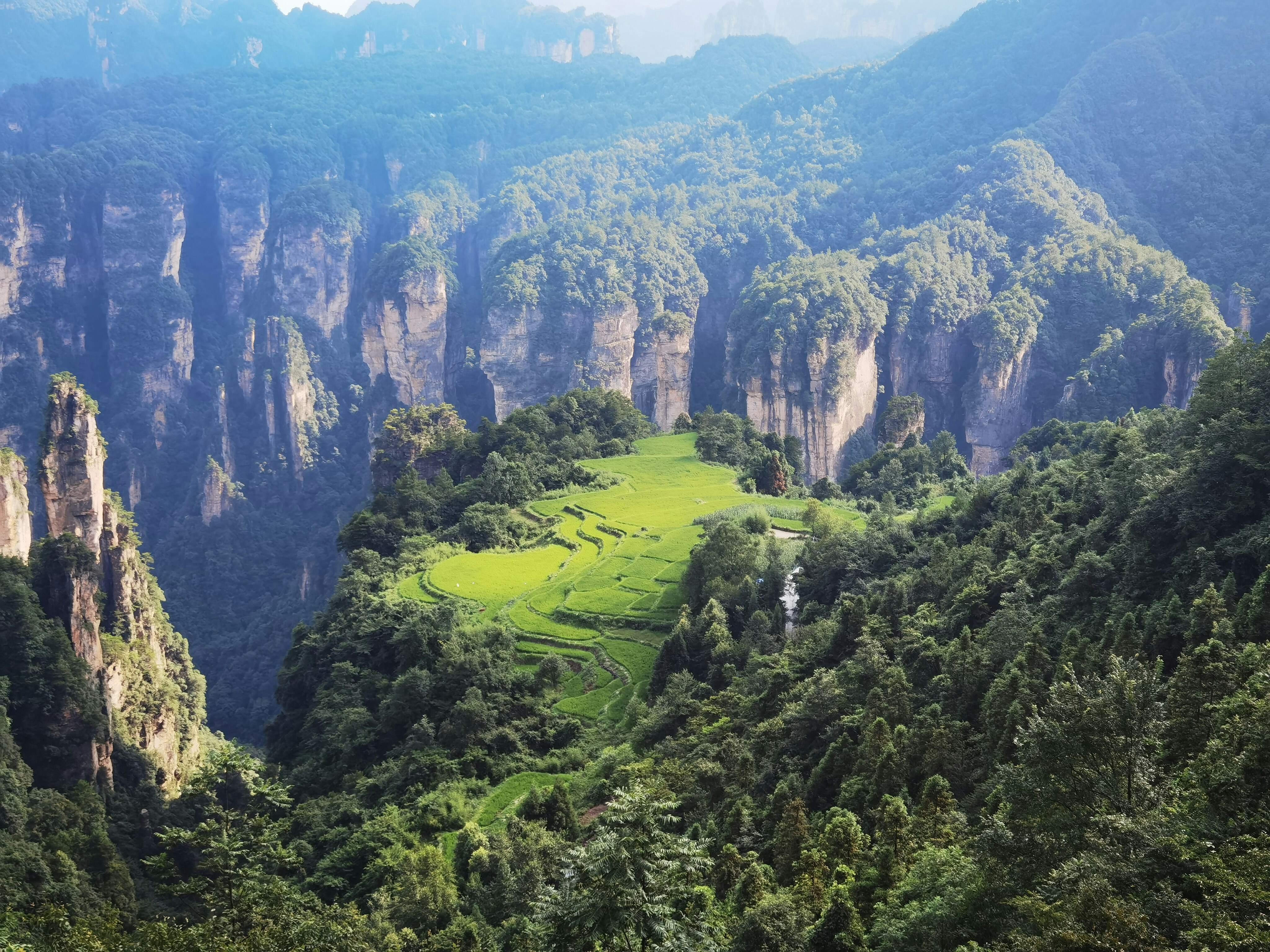
 18 days China, End to End Beijing → Xi'an → Chuanzhusi → Jiuzhaigou → Chengdu → Zhangjiajie → Guilin → Yangshuo → Shenzhen From $6,360 View route
 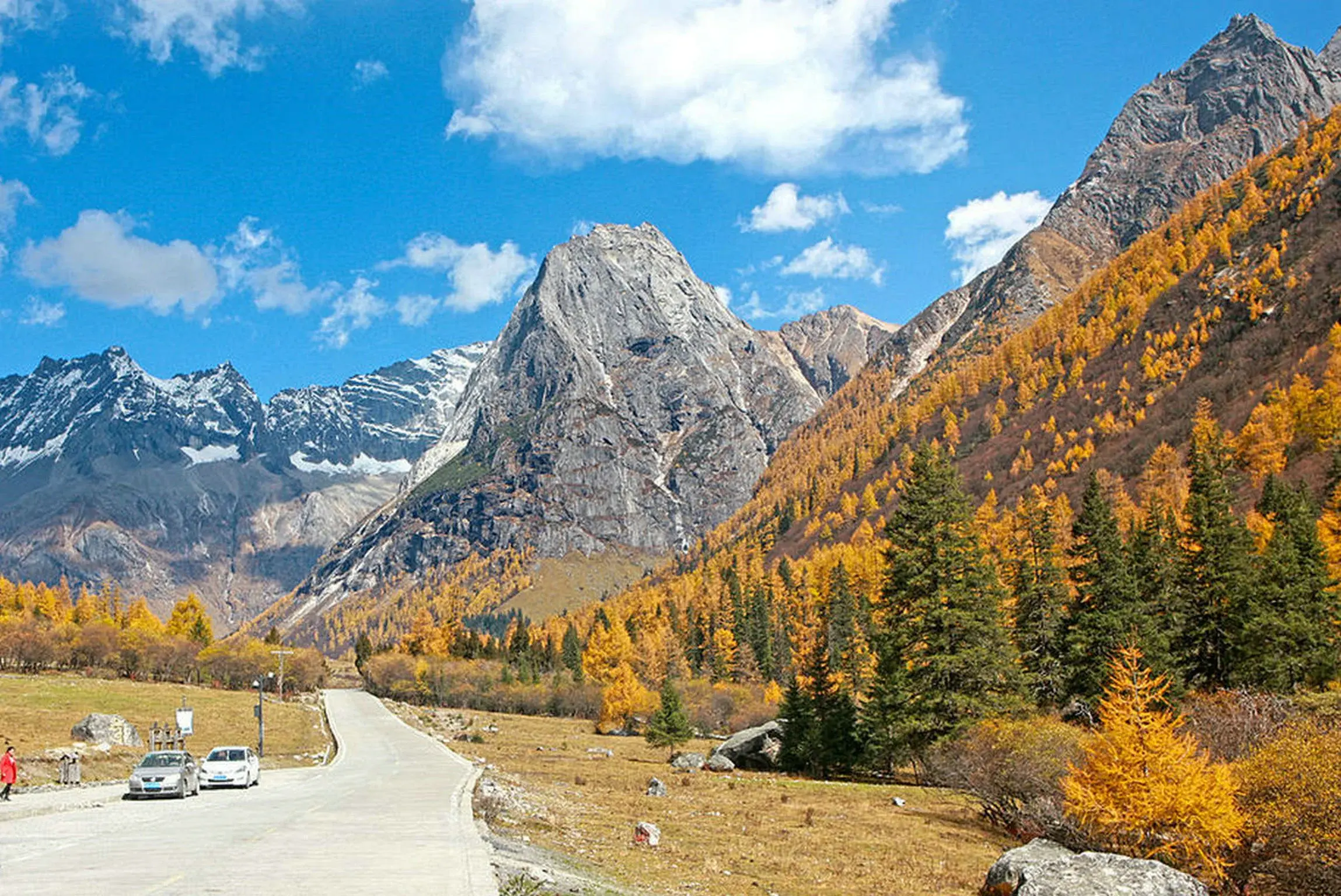 3 days 3-Day Tour: Mount Siguniang, Bipenggou & Dagu Glacier Chengdu → Lixian → Heishui County From $1,599 View route
 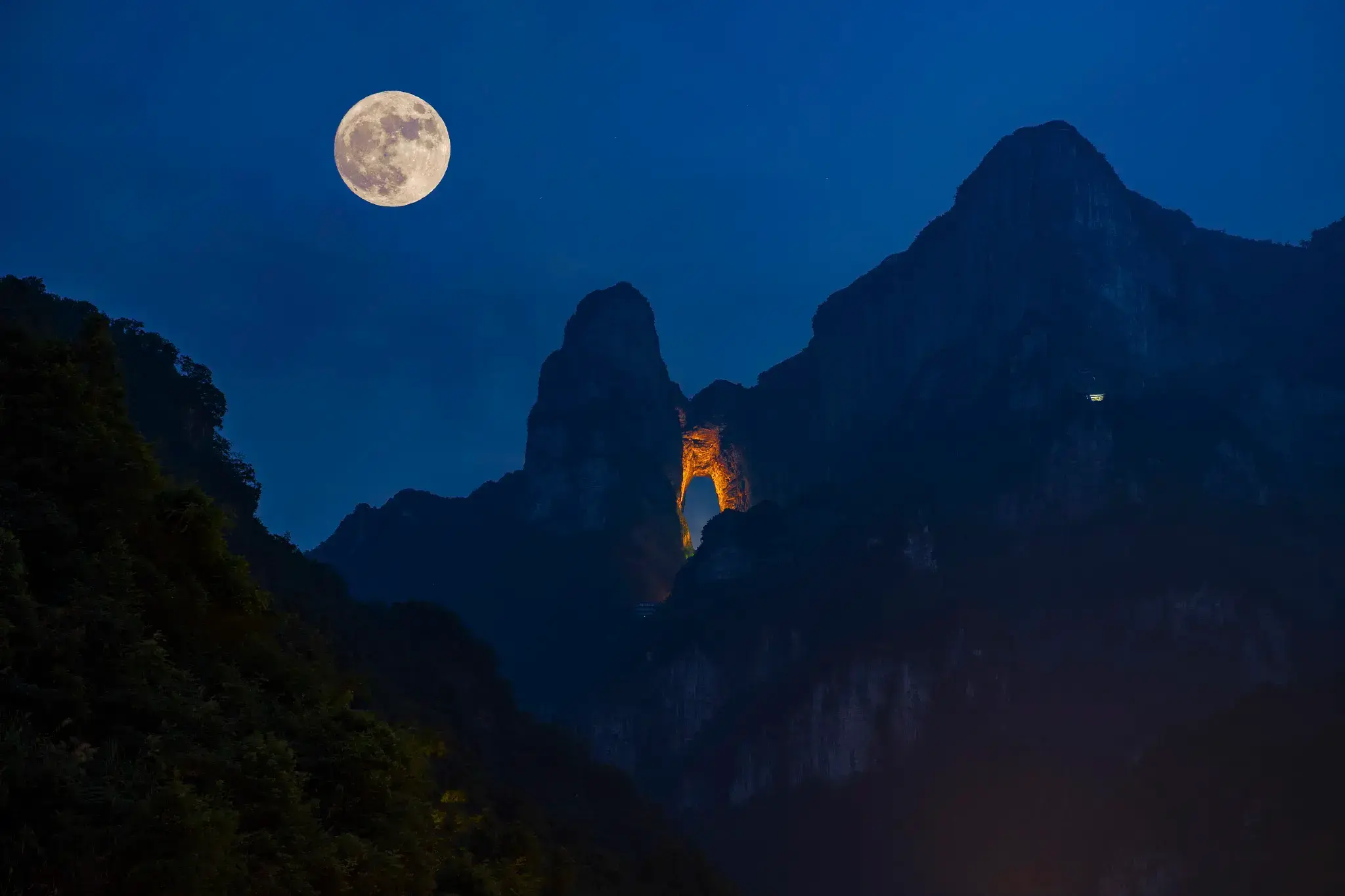 5 days Above the Pillars, Then Below Zhangjiajie From $1,430 View route
 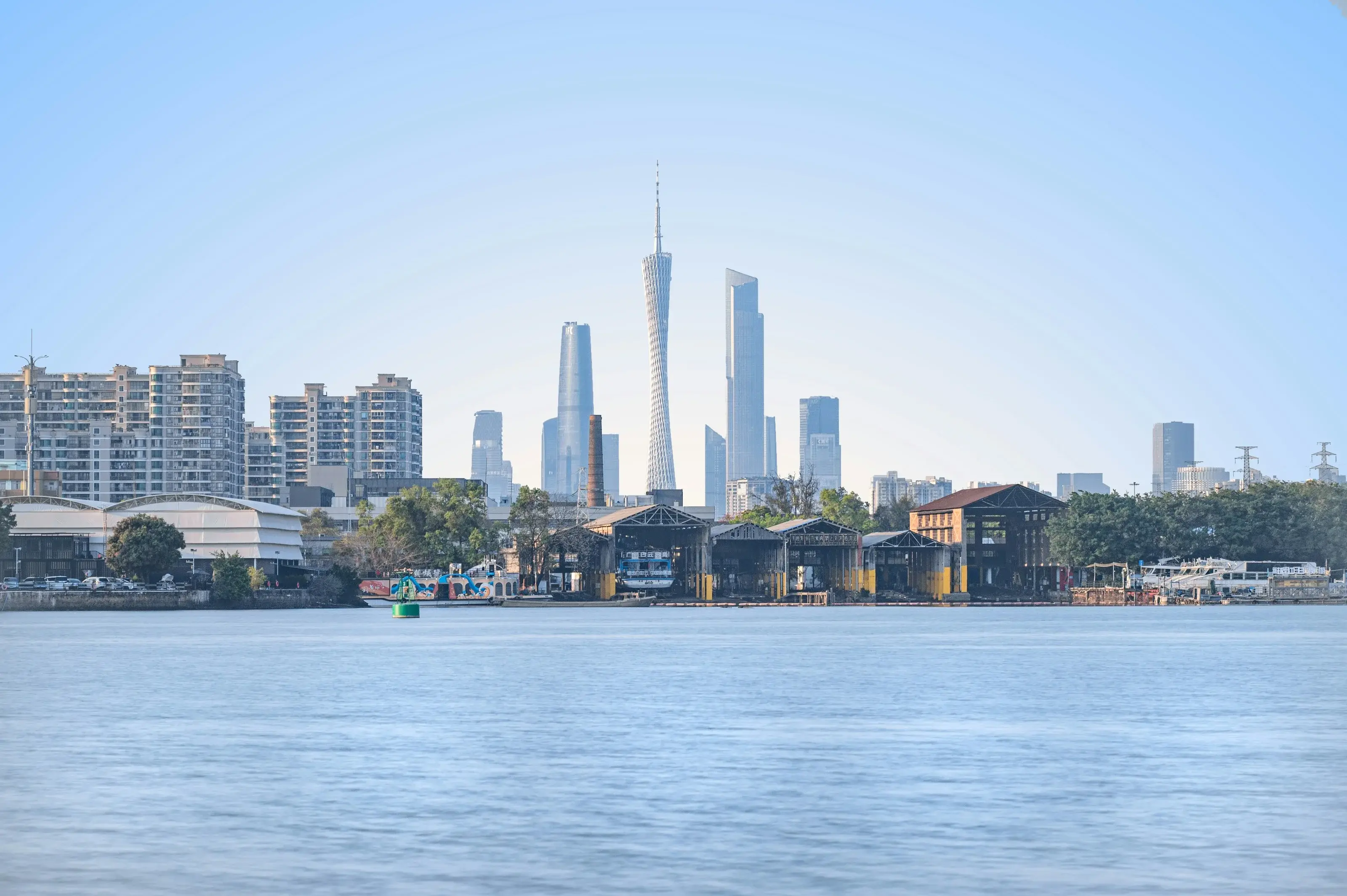 3 days After the Last Booth Guangzhou From $840 View route
  13 days All the Way West Xi'an → Dunhuang → Turpan → Kashgar → Shanghai From $3,500 View route
What Are the Best Things to Do in Shanghai? An Honest First-Timer's Guide
The best things to do in Shanghai are walking the Bund waterfront at dusk, wandering the tree-lined French Concession, exploring the classical Yu Garden, riding to a skyscraper observation deck in Pudong, and eating your way through soup dumplings — ideally across 2 to 3 days. Shanghai is China's largest and most international city, where 1920s colonial facades face a futuristic skyline across the Huangpu River.
This is an independent guide to help you decide whether Shanghai belongs in your China trip, what to prioritise, and — the question few guides answer honestly — whether it should be your first Chinese city at all. Shanghai rewards travellers who slow down and explore neighbourhoods, and it can underwhelm those hunting for temple incense and hutong alleys, because it is, deliberately, the least traditionally "Chinese" of China's mega-cities.
Key Takeaways
- Give it 2-3 days. Two days cover the icons (the Bund, Yu Garden, a French Concession walk, one skyline view); a third adds museums, a water town, or Disneyland.
- The core sights are compact. The Bund, Yu Garden, and Nanjing Road sit within one walkable cluster; the French Concession is a short metro hop.
- Go in spring (Apr-May) or autumn (Sep-Nov). Summer is hot, humid, and rainy; winter is cold and damp but cheaper and quieter.
- Base yourself around Nanjing Road / the Bund for a first short trip, or Jing'an or the French Concession for a calmer, more local feel.
- Shanghai is the easy China. More English, seamless metro, world-class food — which makes it a soft landing, but also why it may not be the first city you want if you crave old China.
- It's a superb hub. Two airports plus high-speed rail put Hangzhou, Suzhou, and Nanjing within an hour or two, so Shanghai doubles as a base for eastern China.
Is Shanghai Worth Visiting?
Yes — Shanghai is worth visiting for its skyline, its food, and its walkable neighbourhoods, but go in knowing it feels more cosmopolitan than culturally "deep." It is one of the world's great port cities: a place where European concession-era architecture, Art Deco towers, and a science-fiction skyline coexist within a few kilometres.
What makes Shanghai special is the collision of East and West:
- The waterfront face-off. The Bund (外滩), a mile-long promenade of grand 1920s banks and hotels, stares across the river at the Pudong skyline — the Oriental Pearl Tower, the Jin Mao Tower, the Shanghai World Financial Center, and the twisting Shanghai Tower, China's tallest building and one of the tallest on earth (Wikipedia; 2015).
- The food. Shanghai's dining runs from ¥5 street dumplings to Michelin-starred rooms, and Shanghainese cuisine is milder and slightly sweet — a gentle entry point if you're new to Chinese food.
- The walking. The former French Concession's plane-tree streets, lane houses, cafes, and boutiques offer some of the best urban strolling anywhere in Asia.
Who should think twice: if you have only 10-14 days in China and want temples, ancient walls, and old-town atmosphere first, you may prefer to open with Beijing or Xi'an and slot Shanghai in later. Anyone expecting a "traditional" China postcard should reset expectations — Shanghai's magic is modern, layered, and cosmopolitan, closer in feel to Hong Kong or Singapore than to Pingyao.
Is Shanghai the Right FIRST China City for You? (A Decision Framework)
This is the honest question most guides skip. Shanghai is the smoothest Chinese city to arrive in — but "smoothest" and "best first" are not the same thing. Use this to decide where Shanghai sits in your route.
| If you… | Then Shanghai is… | Because |
|---|---|---|
| Are nervous about China and want an easy landing | ✅ A great first city | Most English, cleanest metro, seamless payments, forgiving to newcomers |
| Came for temples, hutongs, ancient history | ➖ Better as a later stop | Shanghai's draw is modern and cosmopolitan, not deeply traditional |
| Are a serious foodie | ✅ A great first (or any) city | The dining range, from street stalls to Michelin, is China's broadest |
| Have young kids and want a soft start | ✅ A strong first city | Disneyland, museums, stroller-friendly metro, welcoming locals |
| Have only one week in China | ➖ Choose based on taste | Pair it with Beijing; if you must pick one "wow," Beijing goes deeper |
| Are transiting through PVG anyway | ✅ Worth 2 nights minimum | Visa-free transit makes even a stopover productive |
The short version: Shanghai is the best city to learn China in, and one of the trickier cities to feel you've seen China in. For a first-timer wanting reassurance and great food, start here. For a first-timer chasing "the real China" of the imagination, use Shanghai as a comfortable second act after Beijing.
What Are the Top Things to Do in Shanghai?
The essential Shanghai experiences cluster around the waterfront, the concession-era streets, and the food. Here are the ones worth your limited time.
Walk the Bund (外滩) at dusk
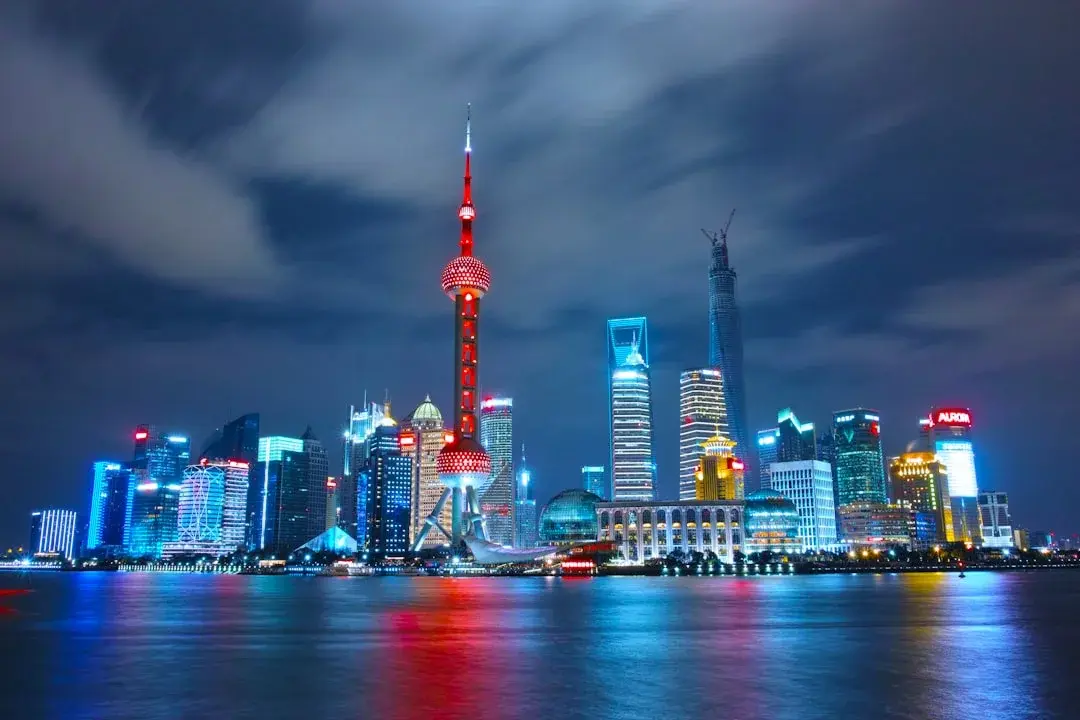
<!– img: unsplash / Li Yang / query=Shanghai Bund skyline Pudong dusk –>
Shanghai's signature view: a promenade of grand colonial-era buildings on one bank, facing the neon Pudong skyline on the other. Come at dusk to catch both the historic facades in golden light and the towers switching on across the river. It's free, always open, and busiest in the evening — the North Bund stretch is quieter if crowds bother you.
Explore Yu Garden and its bazaar (豫园)
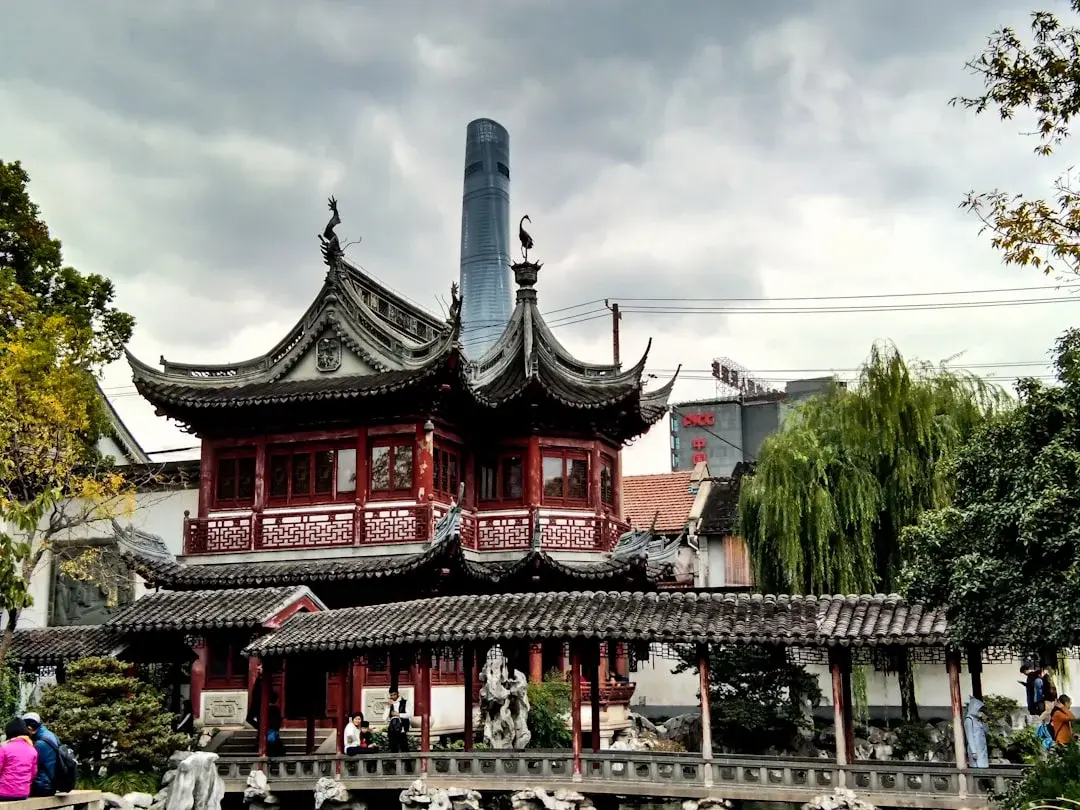
<!– img: unsplash / Timothée Gidenne / query=Yu Garden Shanghai classical Chinese garden –>
A classical Ming-dynasty scholar's garden of rockeries, koi ponds, and pavilions, wrapped in a bustling old-town bazaar. First laid out in the 16th century, Yu Garden is Shanghai's main dose of traditional China, and the surrounding lanes sell snacks and souvenirs. The garden charges a modest admission (¥30-40, indicative, 2026); the bazaar outside is free to wander.
Wander the former French Concession
Leafy streets of plane trees, lane houses, cafés and boutiques — the best walking in the city. A classic route strings together Xintiandi, Fuxing Park, Tianzifang and Wukang Road. This is where Shanghai slows down; give it an unhurried half-day on foot rather than ticking off sights.
Get a skyline view from Pudong
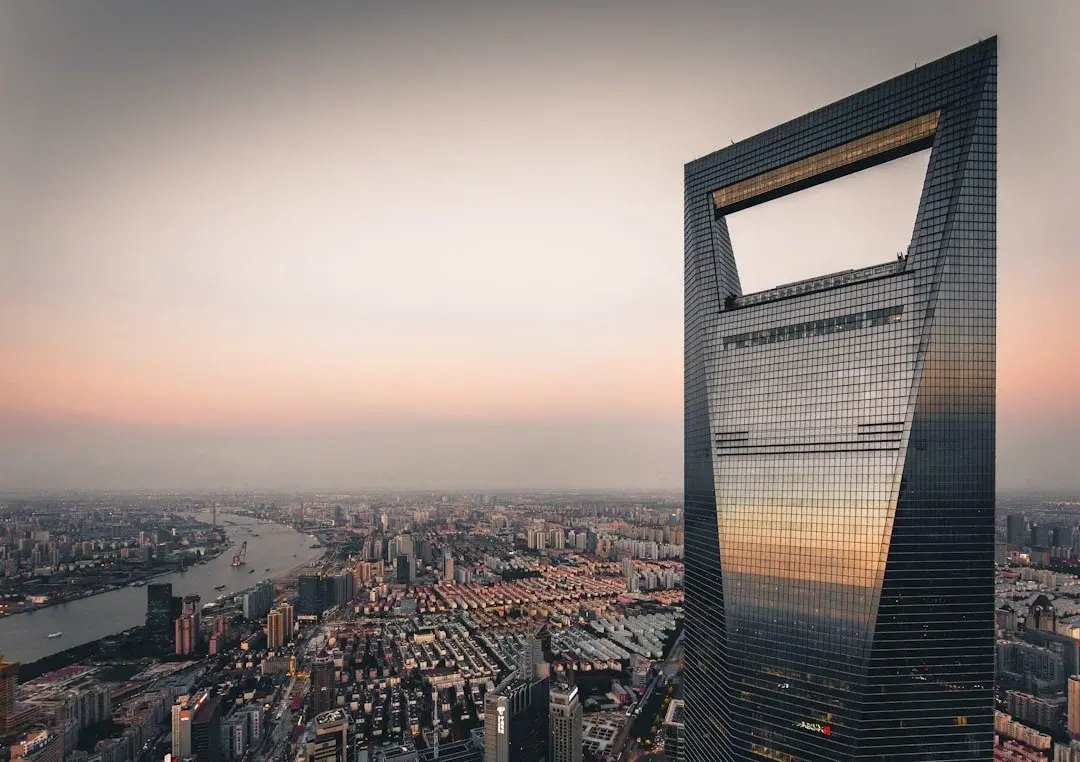
<!– img: unsplash / Denys Nevozhai / query=Shanghai Lujiazui skyscrapers Pudong –>
Ride to an observation deck in one of the Lujiazui supertowers for the city laid out below. The Shanghai Tower's deck is among the world's highest; the Shanghai World Financial Center's "bottle-opener" opening and the Oriental Pearl Tower are alternatives. Decks charge premium admission (¥120–200 depending on tower and floor). A budget alternative: the ¥2 Huangpu River ferry between the Bund and Pudong gives a water-level skyline view for pocket change.
Eat xiaolongbao and street dumplings
The single most-loved Shanghai experience. It gets its own section below — see "What Should You Eat in Shanghai?"
Spend an evening watching local life in a park
Shanghai's parks come alive at dusk with dancing, tai chi and music. An hour in a neighbourhood park (Zhongshan Park is a classic) is free, unstaged, and often the most genuinely local moment of a trip built otherwise around big-ticket sights.
Consider Shanghai Disneyland or a museum day
For families, Shanghai Disneyland is the headline draw; for rainy days, the Shanghai Museum, Natural History Museum, and Astronomy Museum are all excellent. Disneyland and the Astronomy Museum sell out — book online well ahead. The Astronomy Museum sits far out in Lingang, so pair it with a night nearby rather than a long return journey.
What Should You Eat in Shanghai? (The Dumpling Decoder)
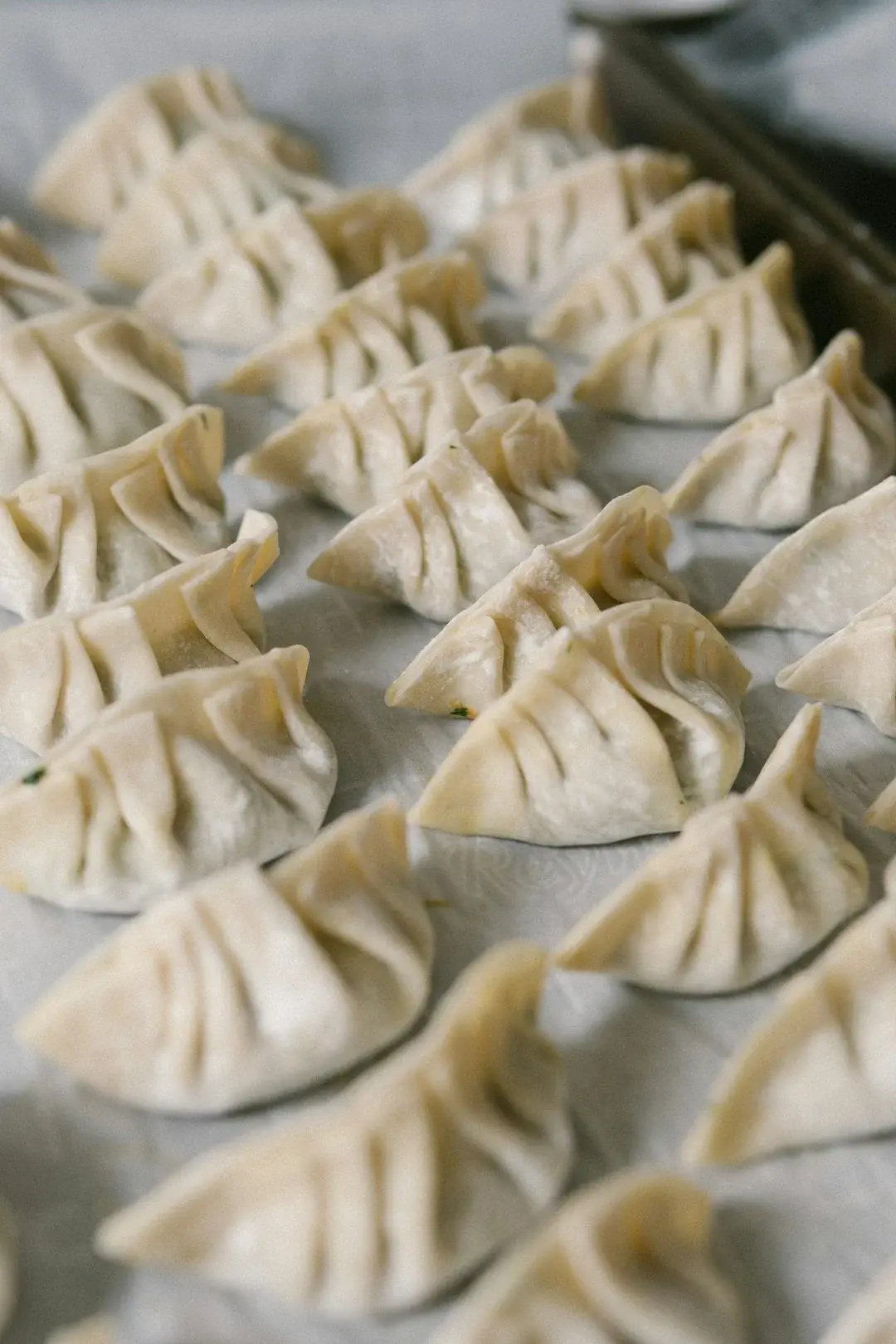
<!– img: unsplash / Matthieu Joannon / query=xiaolongbao soup dumplings steamer –>
Shanghai food is milder and slightly sweet compared with fiery Sichuan or Hunan cooking, which makes it an easy first taste of Chinese cuisine — and its dumplings are the headline act. The confusion for first-timers is that several different dumplings all look similar, so here is the decoder.
| Dish | What it is | How to eat it |
|---|---|---|
| Xiaolongbao (小笼包) | Delicate steamed "soup dumplings" filled with pork and hot broth | Nibble a corner, sip the soup, then eat — don't bite in whole and scald yourself |
| Shengjian bao (生煎包) | Pan-fried buns with crispy bottoms and a juicy filling | Best eaten hot off the griddle; a cheap, filling breakfast |
| Crab noodle soup (蟹面) | Rich, savoury noodles in a crab-and-roe broth | A comforting sit-down bowl at neighbourhood noodle shops |
| Scallion oil noodles (葱油拌面) | Springy noodles tossed in caramelised scallion oil | Simple, cheap, and quietly one of the city's best cheap eats |
Ordering strategy: Shanghai is the one Chinese city where popular restaurants genuinely book out, so reserve standout spots a few days ahead through a local review app rather than turning up hungry and hopeful. For a first meal, a reliable soup-dumpling house removes the risk; for the memorable one, chase a busy local shengjian-bao counter with a queue out the door. Prices span an enormous range — street dumplings cost a few yuan, while famous restaurants and Michelin rooms run far higher, so treat any figure you see online as indicative and check the current menu when you go.
Honest note: Shanghai is China's most expensive city, so budget roughly 20-30% more for food and hotels than in Chengdu or Xi'an. The good news is that the cheapest end — street dumplings and noodle shops — stays extraordinarily affordable, so you eat well at any budget.
Where Should You Stay in Shanghai?
Stay around Nanjing Road and the Bund for a first, short visit — central, walkable to the icons, and on the metro — or pick Jing'an or the French Concession for a calmer, more local base. Match the area to your trip rather than defaulting to the most famous name.
| Area | Best for | Trade-off |
|---|---|---|
| Nanjing Road / the Bund | First-timers, short stays, walking to the icons | Lively and loud at night; very touristy |
| Jing'an (静安) | Calmer base, families, longer stays, good metro | A little removed from the Bund's postcard core |
| French Concession | Atmosphere, cafes, boutiques, slow strolling | More spread out from the major sights |
| Pudong / Lujiazui | Skyline hotels, business trips, deck views | Corporate feel; the "old Shanghai" charm is across the river |
A useful rule: stay north of the river (Puxi) for atmosphere and street life, and only choose Pudong if you specifically want a supertower skyline hotel or are heading to the Astronomy Museum or ocean park out in Lingang, where a night nearby beats a two-hour commute. Specific hotel names, room types, and current rates change constantly — confirm at the time of booking. For a full breakdown by budget, see the Where to Stay in Shanghai guide.
When Is the Best Time to Visit Shanghai?
Visit in spring (April-May) or autumn (September-November), when temperatures sit around a comfortable 15-25°C with clearer skies. Avoid high summer if you can. Shanghai sits in the humid Yangtze Delta, so its summers are hot, sticky, and prone to rain and even typhoons.
| Season | Conditions | Verdict |
|---|---|---|
| Spring (Apr-May) | Mild ~15-25°C, blossoms in the parks | ✅ Best overall — avoid the May 1 Labour Day week |
| Summer (Jun-Aug) | Hot, humid, rainy; typhoon season | ❌ Sticky and uncomfortable, especially with kids |
| Autumn (Sep-Nov) | Clear skies, golden light, comfortable | ✅ Excellent — avoid Golden Week (Oct 1-7) crowds |
| Winter (Dec-Feb) | Cold and damp, ~0-8°C | ➖ Quieter and cheaper; Chinese New Year is festive but packed |
The two dates to plan around are Labour Day (early May) and Golden Week (1-7 October), China's peak domestic travel periods, when crowds and prices surge everywhere. If school holidays force a summer trip, build days around air-conditioned museums and indoor playgrounds, and save the Bund for the cooler evening — which is when the skyline looks its best anyway.
How Do You Get There and Get Around?
Fly into Shanghai Pudong (PVG) for international flights or Hongqiao (SHA) for domestic ones, then rely on the metro, ride-hailing, and your own feet. The two airports serve different roles, and knowing which you're using shapes your arrival.
From Pudong (PVG), the headline option is the Maglev — the world's first commercial magnetic-levitation train, running since 2004 — which covers the 30 km to Longyang Road station in about 8 minutes at up to 430 km/h, where you transfer to the metro. A one-way ride is ¥50 (round trip ¥80) (2025), and it's an experience as much as a transfer (Wikipedia, Shanghai maglev train). A taxi to central Shanghai runs ¥150-200 and takes 40-60 minutes depending on traffic. Hongqiao (SHA) is far simpler: it's attached to the main high-speed rail station and plugs straight into the metro, so if you have a choice, it's the more convenient arrival.
By high-speed rail, Shanghai is superbly connected: Suzhou ~30 minutes, Hangzhou ~1 hour, Nanjing ~1.5 hours, and Beijing ~4.5 hours (times vary by service — check current schedules). Trains use Hongqiao or Shanghai Railway Station, both on the metro.
Getting around town, the metro is extensive, clean, air-conditioned, and cheap; pay by scanning a QR code in Alipay or a similar app rather than queuing for tickets. Line 2 links both airports, Nanjing Road, and Pudong; Line 10 serves the French Concession; Line 11 reaches Disneyland. Ride-hailing (DiDi) is the rescue for rainy days and tired legs, and the flat, walkable core around the Bund and French Concession is best explored on foot. Distances can be larger than a map suggests, so combine metro rides with walking rather than trying to walk everywhere.
How Many Days Do You Need in Shanghai?
Plan 2-3 days for a satisfying first visit; add a fourth or fifth for Disneyland, a water town, or a day trip to Suzhou or Hangzhou. Here's a workable spine you can flex around the weather and your energy.
- Day 1 — The classics: Yu Garden and its bazaar in the morning → Nanjing Road walk → the Bund at dusk → soup dumplings for dinner.
- Day 2 — Slow Shanghai: a French Concession stroll (Xintiandi → Fuxing Park → Tianzifang → Wukang Road) → a Pudong observation deck or the ¥2 river ferry → an evening in a local park.
- Day 3 — Your choice: the Shanghai Museum or Astronomy Museum, a Zhujiajiao water-town half-day, or deeper neighbourhood wandering and eating.
- Day 4-5 (optional): a full day at Shanghai Disneyland, or a high-speed-rail day trip to Suzhou (gardens, 30 min) or Hangzhou (West Lake, 1 hr).
Family adjustment: lean on the metro's lifts and stroller access, book Disneyland and the Astronomy Museum well ahead, keep an air-conditioned midday break in summer, and let the ferry, the decks, and an indoor playground carry the "wow" so small legs aren't walking all day.
Shanghai vs Beijing: Which Should You Visit First?
Choose Beijing first for deep history, imperial monuments, and old-city atmosphere; choose Shanghai first for a smoother landing, modern spectacle, and the country's best food scene — and if you have two weeks, do both, since the bullet train links them in about 4.5 hours. They are the two cities every first-timer weighs, and they barely overlap.
| Axis | Shanghai | Beijing |
|---|---|---|
| Vibe | Cosmopolitan, modern, East-meets-West | Historic, monumental, deeply traditional |
| Signature | The Bund, Pudong skyline, French Concession | Forbidden City, Great Wall, hutongs |
| Food | China's broadest range; mild, sweet Shanghainese | Peking duck, jianbing, hearty northern fare |
| Ease for newcomers | Easiest — most English, seamless transit | Slightly more effort, but hugely rewarding |
| Best for | Foodies, first-time nerves, families, modern-city lovers | History lovers, culture-first travellers, big-sight hunters |
| Cost | China's most expensive city | Cheaper than Shanghai for hotels and food |
If you want one city to feel you've touched "old China," Beijing goes deeper. If you want one city that's easy, delicious, and dazzling, Shanghai delivers. For most two-week itineraries the honest answer is both — and the order depends on whether you'd rather ease in (Shanghai first) or lead with the heavyweight history (Beijing first). For the full comparison, see the  Beijing travel guide.
Frequently Asked Questions
Is Shanghai worth visiting?
Yes. Shanghai offers a spectacular skyline, the colonial-era Bund, the walkable French Concession, and arguably China's best food scene, from ¥5 street dumplings to Michelin restaurants. Just manage expectations: it feels more international and modern than deeply traditional. For old-China culture, pair it with Beijing.
How many days do you need in Shanghai?
Two to three days cover the highlights — the Bund, Yu Garden, a French Concession walk, and one skyline view. Add a fourth day for Disneyland or a Suzhou or Hangzhou day trip. Shanghai also works well as a 2-night stopover on a bigger China itinerary.
Should you visit Shanghai or Beijing first?
Both are worth visiting and they suit different tastes. Shanghai is the easier, more modern, food-forward landing; Beijing offers deeper history, imperial monuments, and old-city atmosphere. With two weeks, do both — the bullet train takes about 4.5 hours. If you crave traditional China, lead with Beijing.
What food should you try in Shanghai?
Don't leave without soup dumplings (xiaolongbao), pan-fried shengjian bao, crab noodle soup, and scallion oil noodles. Shanghainese cuisine is mild and slightly sweet, so it's a gentle introduction to Chinese food. Book popular restaurants a few days ahead — Shanghai's best spots regularly sell out.
When is the best time to visit Shanghai?
Spring (April–May) and autumn (September–November) are best, with mild 15–25°C temperatures and clear skies. Avoid the humid, rainy summer and the crowded May Day (early May) and Golden Week (1–7 October) holidays. Winter is cold and damp but quieter and cheaper.
How do you get from Pudong Airport into the city?
The Maglev — the world's first commercial magnetic-levitation train — covers the 30 km to Longyang Road in about 8 minutes at up to 430 km/h, then connects to the metro, for an indicative ¥50 one-way. A taxi to the centre runs roughly ¥150–200 and takes 40–60 minutes. Verify current fares before you travel.
Planning Your Shanghai Trip
Shanghai is China's smoothest, most international city — a place to eat superbly, walk endlessly, and watch a 1920s waterfront face a science-fiction skyline. Give it two or three days, base yourself near the Bund or in the leafier French Concession, come in spring or autumn, and book your standout meals ahead. Treat it as the easy, delicious way into China, and lean on its trains to reach Suzhou, Hangzhou, and beyond.
For the wider picture, start with the China travel guide, then read the Beijing travel guide to plan the pairing — together they give you both faces of China, the modern and the imperial, in a single trip.