


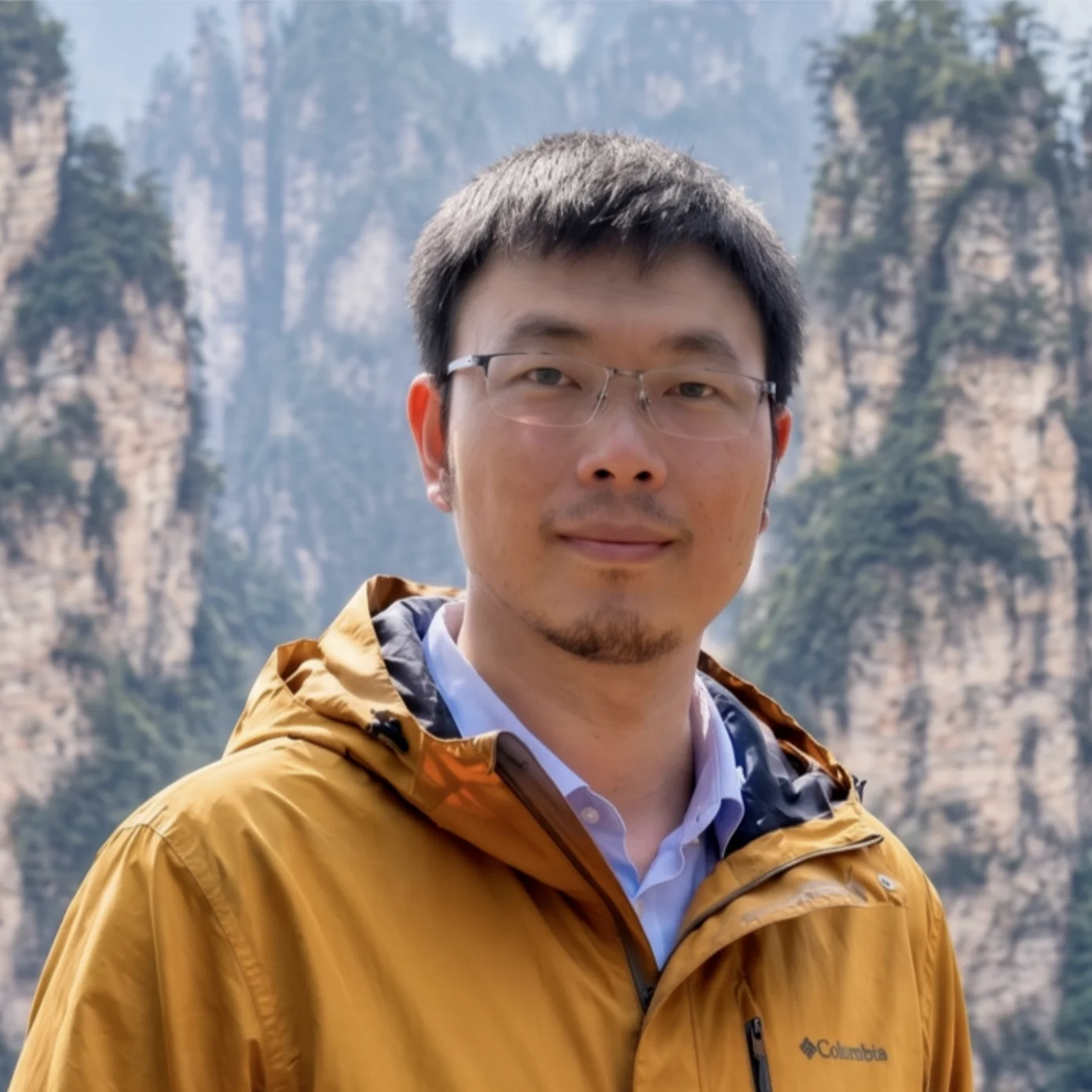

 18 Tage China, von Anfang bis Ende Peking → Xi'an → Chuanzhusi → Jiuzhaigou → Chengdu → Zhangjiajie → Guilin → Yangshuo → Shenzhen ab $6,360 Route ansehen
  3 Tage 3-tägige Tour: Vier-Gipfel-Berg, Biepagou und Dagu-Eisberg Chengdu ab $1,599 Route ansehen
 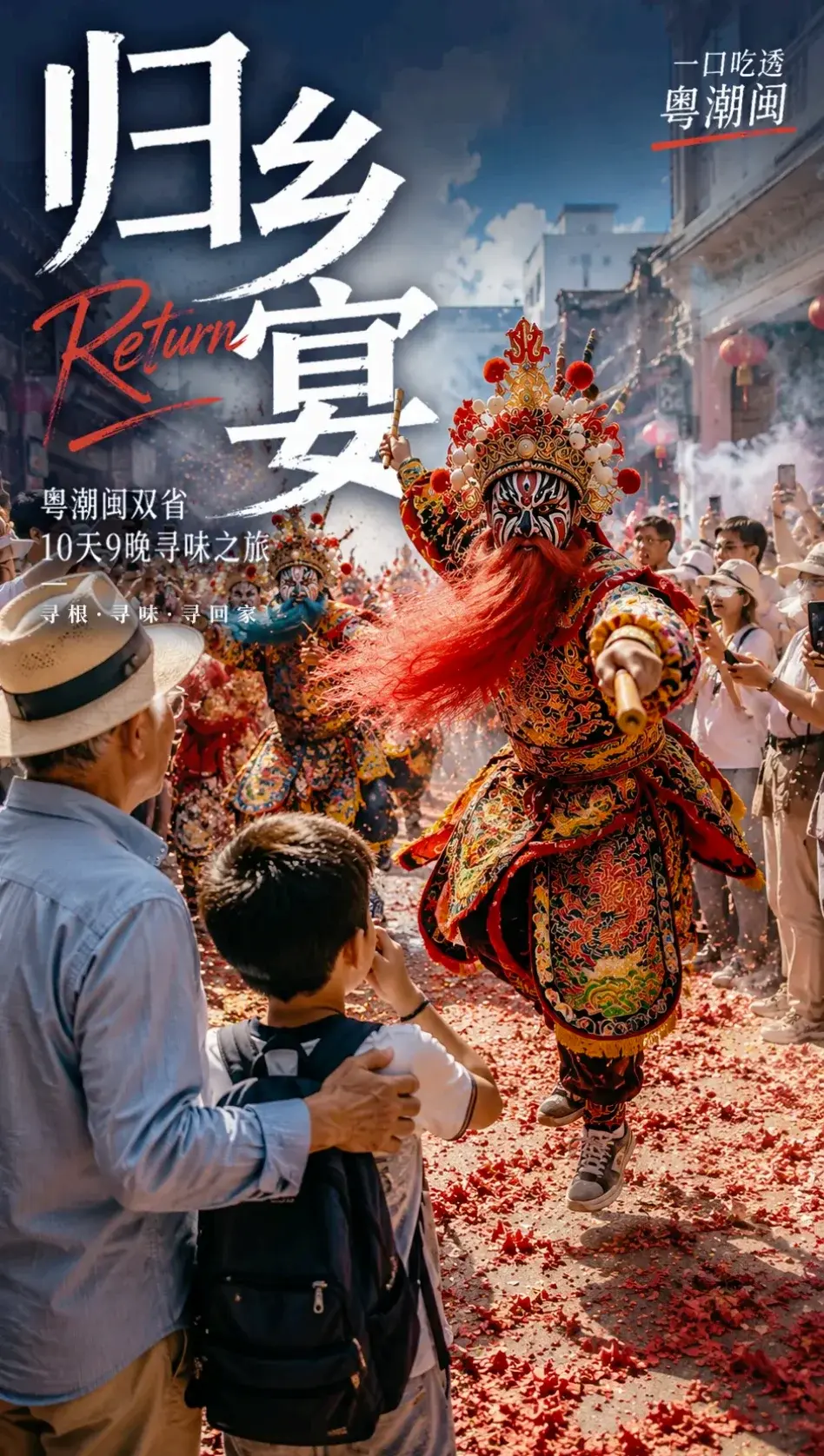 10 Tage Abschiedsessen Guangzhou → Shantou → Jieyang → Chaozhou → Quanzhou → Zhangzhou → Xiamen ab $4,000 Route ansehen
 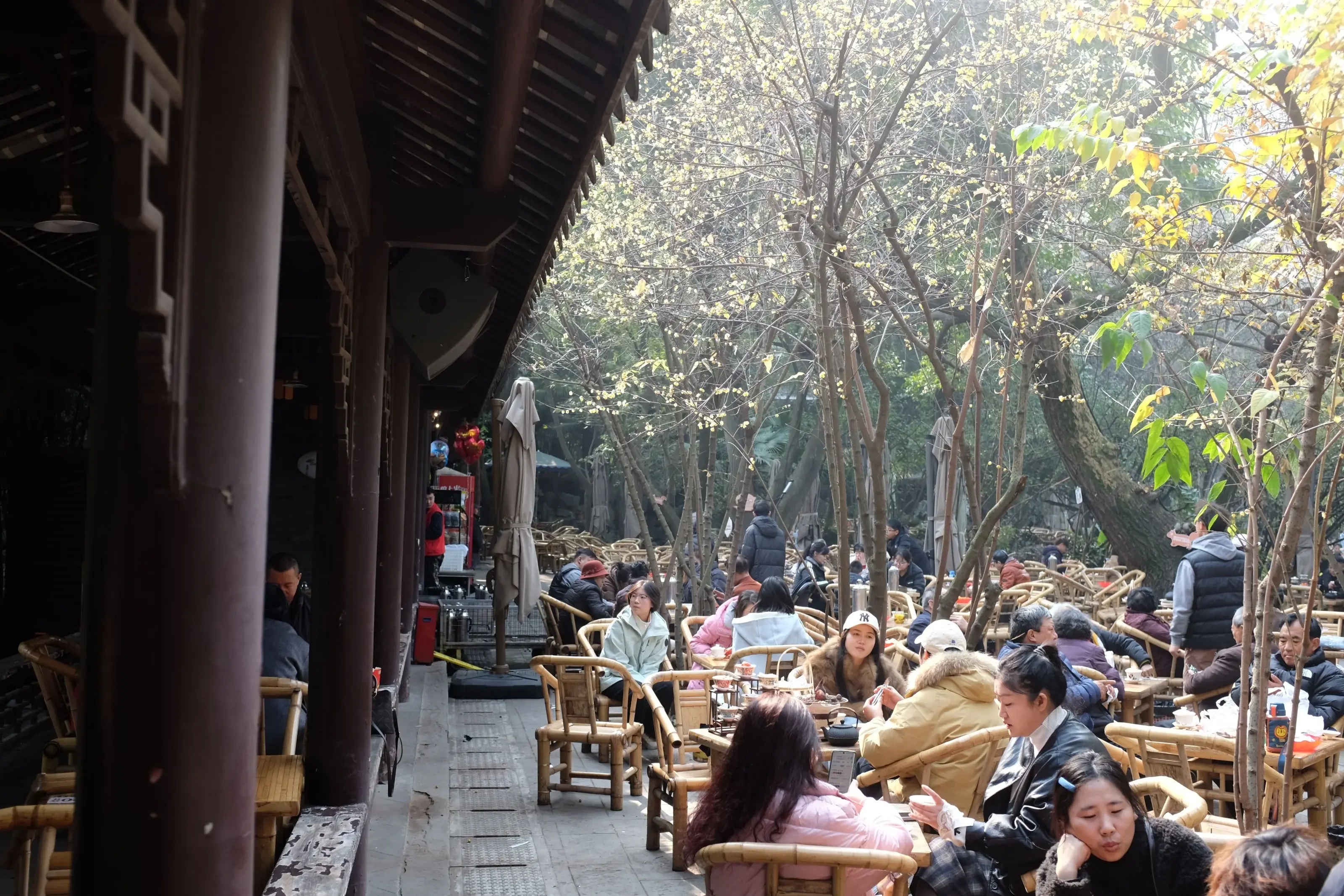 12 Tage Achse bis Küchentisch Peking → Xi'an → Chengdu ab $4,060 Route ansehen
  12 Tage China auf zwei Höhen Kunming → Lijiang → Shangri-La → Tacheng → Chengdu → Dujiangyan → Leshan ab $3,900 Route ansehen
 Kann man in Pudong (Shanghai) und anderen chinesischen Flughäfen übernachtet werden?
Ja — Sie können in Shanghai Pudong (PVG), Peking Daxing (PKX) und Guangzhou Baiyun (CAN) übernachten: Alle drei Flughäfen sind rund um die Uhr geöffnet und bieten kostenlose Ruhebereiche, bezahlte Kapsel-"Ruhekabinen" und Transithotels. Die eigentliche Entscheidung ist, ob Sie kostenlos im Sicherheitsbereich bleiben oder bezahlen, um das Gelände zu verlassen, was die chinesischen Visa-Bestimmungen auslöst. Dies ist ein ehrlicher Leitfaden zur Überlebenshilfe und keine Buchungsseite.
Eine Ehrlichkeitsnotiz vorab: LyrikTrip ist ein privates Reiseunternehmen für inbound-Reisen nach China und weder Flughafen noch Hotel – deshalb können wir Ihnen offen sagen, wann eine freie Bank besser ist als ein ¥400-Kapselbett und wann es sich lohnt, für ein echtes Bett auszugehen, auch wenn damit Visa-Arbeiten verbunden sind. Preise, Öffnungszeiten und Lage der Einrichtungen unten stammen von offiziellen Flughafenhinweisen und anerkannten Referenzen zum Schlaf im Airport; Flughafenpreise und Layouts ändern sich ständig, betrachten Sie jede Angabe nur als Richtwert und bestätigen Sie diese vor Ihrem Flug.
Hier ist die entscheidende Tatsache, die alles andere prägt: Sobald Sie das Terminal verlassen und in eine Stadt-Hotel gehen, passieren Sie die Einwanderung – das bedeutet, dass Sie entweder die visafreie Transitbestimmung Chinas erfüllen müssen oder ein Visum besitzen. Im Sicherheitsbereich zu bleiben erfordert keines von beiden. Die untenstehende Entscheidungs-Tabelle ist der schnellste Weg, Ihre Wahl zu treffen.
Wichtige Erkenntnisse
- Alle drei Flughäfen sind 24 Stunden geöffnet, aber der Zugang über Nacht ist für Reisende ohne Ticket nicht garantiert. In den ruhigen Zeiten (ungefähr zwischen Mitternacht und 4:00 Uhr) können Mitarbeiter Personen ohne Boardpass bitten, sich zu bewegen, insbesondere in landside öffentlichen Bereichen. Airside, nach der Sicherheitskontrolle, ist im Allgemeinen die sicherere Wahl für eine längere Zwischenstop.
- Kostenlos ist tatsächlich möglich. PVG verfügt über acht kostenlose Ruhebereiche (mehr als 1.000 Sitze) plus kostenlose 24-Stunden-Duschen; PKX hat 14 kostenlose Ruhebereiche in der Nähe bestimmter Gates mit Liegen; CAN hat airside öffentliche Sitzgelegenheiten. Nehmen Sie Ohrstöpsel und eine Augenmaske mit.
- Bezahlte Kapseln "Ruhekabine" sind die Mitte. Erwartet ungefähr ¥35 für 30 Minuten bis zu ein paar hundert Yuan Übernachtung bei PVG und PKX, mit 24/7 Schlafkapseln airside bei CAN — Komfort ohne volle Hotelrechnung.
- Ein Transithotel kauft ein echtes Bett. Aerotel (PVG und PKX), das Holiday Inn in PVG und das Pullman, das an das Terminal von CAN angebunden ist, bieten ordentliche Zimmer, einige mit stundenweisen Tagesnutzungspreisen.
- Den Flughafen verlassen und in ein nahegelegenes Hotel gehen bedeutet, die Einwanderung zu durchlaufen — es hängt also vollständig davon ab, ob Sie für die 240-stündige visafreie Transitregelung qualifiziert sind oder ein Visum besitzen. Airside zu bleiben umgeht das komplett.
- Überprüfen Sie vor Ihrem Flug. Guangzhou befindet sich im mittleren Umbau (Terminal 1 ist ab Mai 2026 für Passagiere geschlossen), und die Lage der Ruheeinrichtungen an allen drei Flughäfen ändert sich mit dem Bau.
—
Können Sie Actually Übernacht im Airport? (Airside vs Landside)
Ja — Pudong, Daxing und Baiyun operieren alle rund um die Uhr, sodass Sie physisch übernachtet werden können, aber der Zugang ist nicht für Reisende ohne Ticket garantiert, und der Bereich jenseits der Sicherheitskontrolle (Airside) ist im Allgemeinen komfortabler und weniger wahrscheinlich als das Landside-Gebiet während der ruhigen Stunden geräumt. Wenn Sie einen Weiterflug-Boardingpass besitzen, ist der Aufenthalt im Airside-Bereich der einfachste Übernachtungsplan in China.
Die entscheidende Unterscheidung besteht zwischen Airside und Landside. Airside bedeutet jenseits der Passkontrolle und Sicherheitskontrolle, im Abreise- und Transitbereich — wo Sie China noch nicht betreten haben und kein Visum benötigen. Landside bezeichnet die öffentlichen Ankunftshallen und Check-in-Bereiche, die Sie erst nach Durchlaufen der Zollkontrolle (und somit nach der Berechtigung zum Betritt) erreichen. An allen drei Flughäfen berichten Reisende, dass gepolsterte Sitze und Ruhezonen im Airside-Bereich die ruhigere und sicherere Wahl für eine lange Nacht sind; öffentliche Bereiche im Landside-Bereich können in den frühen Morgenstunden (ungefähr von Mitternacht bis 4:00 Uhr) geräumt werden, insbesondere wenn Sie kein Ticket für einen Morgenflug haben.
Die ehrliche Darstellung lautet also: Wenn Ihr Weiterflug am nächsten Morgen stattfindend und Sie nie nach China einreisen müssen, schlafen Sie im Airside-Bereich und halten es einfach. Wenn Sie ein echtes Hotelbett in der Stadt wünschen, entscheiden Sie sich dafür, China zu betreten — und diese Entscheidung unterliegt den Transitvisumsvorschriften, die am Ende dieses Leitfadens erläutert werden.
Was sind meine Übernachtungsoptionen an den Flughäfen PVG, PKX und CAN? (Vergleichstabelle)
Über die drei Flughäfen hinweg stehen Ihnen vier Übernachtungsoptionen zur Verfügung – eine kostenlose ruhige Zone, eine bezahlte Kapselruhekabine, ein Transit-Hotel im Terminal oder die Abreise in ein nahegelegenes Hotel – steigend in Komfort und Kosten, wobei die letzte Option allein erfordert, dass Sie die Zollkontrolle passieren. Die Tabelle ordnet jeder Option jeden Flughafen zu, sodass Sie sich nach Budget und Ihrer Bereitschaft, China zu betreten, entscheiden können.
| Übernachtungsoption | Shanghai Pudong (PVG) | Beijing Daxing (PKX) | Guangzhou Baiyun (CAN) | Kostengruppe | Klärung der Einwanderung? |
|---|---|---|---|---|---|
| Luftseitige Ruhezone (freie Sitzplätze) | 8 freie Ruhezonen, ~1.000+ Sitze; kostenlose 24-Stunden-Duschen für Transitreisende | 14 freie Ruhezonen nahe den Gates A11/B20/B36/C40/C55/D63; Liegesofas & Sofas | Öffentliche Sitzplätze in Transitbereichen; Komfort/Umsetzung variieren | Kostenlos | Nein — bleiben Sie luftseitig, kein Visum erforderlich |
| Kapsel / Ruhesalon (bezahlt, stundenweise) | Ruhekabinen im Abreisebereich, ~¥35/30 min bis ~¥185/3 Std.; Schlafkabinen nahe T1 Gate 24 & T2 Gate 67 | NapHubs Kabinen ~¥35/30 min bis ~¥333 über Nacht (landseitig Ankunft); Kesleep-Kabinen im Terminal | Schlafkabinen 24/7 luftseitig; Shimian-Rhesalon im Terminal 2 | ¥ (stundenweise) | Luftseitige Kabinen nein, landseitige Kabinen ja |
| Transit-Hotel (im/nah dem Terminal) | Aerotel und Holiday Inn vor Ort; Dazhong-Kapsel ~¥60/Stunde bis ~¥400–500 über Nacht | Aerotel Beijing, ~215 Zimmer, landseitig 2. Etage, ~5-minütiger Gang zur Eincheckhalle | Pullman angeschlossen an das Terminal (überdachter Weg/Shuttle); Tagesnutzungszimmer bis zu ~6 Stunden | ¥¥ | Meistens ja (landseitig) — benötigt Transitberechtigung oder Visum |
| Verlassen für ein nächstgelegenes / Stadt-Hotel | Flughafennähe Hotels mit kostenlosem Shuttle (z.B. Holiday Inn, Ramada) | Flughafennähe Hotels mit Shuttle | China Southern kostenloser Transfer-Hotel für berechtigte 8-Stunden-plus-Layovers | ¥¥–¥¥¥ | Ja — muss für visafreien Transit qualifiziert sein oder ein Visum besitzen |
Lese es in einem Satz: Kostenlos und luftseitig für eine kurze Zwischenlandung, eine Kapselkabine für ein paar Stunden echten Schlaf, ein Transit- oder Stadthotel für eine echte Nacht — nur die letzte Zeile bringt dich mit der Einwanderung in Kontakt. Alle Preise sind unverbindlich und ändern sich oft; bestätige aktuelle Preise und Standorte, besonders in Guangzhou, bevor du dich auf sie verlässt.
Wo kannst du im Shanghai Pudong (PVG) schlafen? Pudong ist einer der einfacheren chinesischen Flughäfen für einen Übernachtungs-Aufenthalt: Er ist rund um die Uhr geöffnet, bietet acht kostenlose Ruhezonen mit über 1.000 Sitzen plus kostenlose 24-Stunden-Duschen für Transit-Passagiere, bezahlte Ruhekabinen in den Abreisebereichen und vor Ort befindliche Transithotels — also kannst du entweder nichts ausgeben oder für Komfort bezahlen. Für die meisten Reisenden mit einem morgendlichen Weiterflug reichen die luftseitigen Sitzplätze und eine Dusche aus.
Wenn Sie nach einer echten Erholung suchen, ohne ein komplettes Hotel zu buchen, hat der Flughafen PVG Ruhekabinen in den Abreisewartebereichen eingeführt. Die Preise liegen bei etwa ¥35 für 30 Minuten, ¥65 für eine Stunde und ¥185 für drei Stunden (Hinweis vom Flughafen Shanghai Pudong, überprüft 2026-07); jede Kabine verfügt über eine flache Liege und adjustable Beleuchtung. Die Schlafkapseln befinden sich nahe Gate 24 im Terminal 1 und Gate 67 im Terminal 2 im internationalen Abreisebereich. Für ein vollständiges Bett sind das Aerotel und das Holiday Inn vor Ort die komfortablen Optionen; das Dazhong Airport Hotel zwischen den Terminals bietet Kapselzimmer von etwa ¥60 pro Stunde bis zu ca. ¥400–500 für eine Übernachtung (Dazhong Airport Hotel, überprüft 2026-07). Für ein vollständiges Bild der Ankunftseinrichtungen siehe unser  Leitfaden zum Flughafen Shanghai Pudong; wenn Sie lieber提前 ein Bett buchen möchten, vergleicht unser Leitfaden zu Flughäfenhotels in China die Optionen vor Ort und mit Shuttlebus.
Wo können Sie am Flughafen Beijing Daxing (PKX) schlafen?
Daxing ist arguably der am besten ausgestattete Flughafen Chinas für einen Übernachtungs-Aufenthalt: Er ist rund um die Uhr geöffnet, bietet 14 kostenlose Ruhezonen an bestimmten Gates, preiswerte „erschwingliche“ Ruhezonen ab etwa ¥20, NapHubs-Kapselkabinen von ca. ¥333 für eine Übernachtung sowie ein Aerotel vor Ort – plus 24-Stunden-Verpflegung, schnelles kostenloses WLAN und ein bestellbares „Übernachtset“. Der Haken ist, dass die freien Liegestühle für Passagiere reserviert sind, die von einem internationalen Flug in einen anderen umsteigen – prüfen Sie also, welche Zone Ihnen zugestanden wird.
Die kostenlosen Ruhezonen befinden sich nahe den Einsteigstoren A11, B20, B36, C40, C55 und D63 und sind mit Sitzen, Liegen und Sofas ausgestattet (städtische Mitteilung von Peking, verifiziert 2026-07). Für eine geringe Gebühr sind erschwingliche Ruhezonen in den Hallen A, B und D ab etwa ¥20 zu haben. Wenn Sie eine geschlossene Kabine wünschen, liegen die Schlafkabinen von NapHubs auf der Ebene der internationalen Ankünfte (Landside) im ersten Stock gestaffelt bei etwa ¥35 für 30 Minuten bis zu rund ¥333 für einen Übernachtungsaufenthalt, und auch Kesleep-Kabinen stehen im Terminal zur Verfügung. Für ein echtes Zimmer verfügt Aerotel Beijing über ca. 215 Zimmer auf der zweiten Etage Landside, nur ca. fünf Gehminuten vom Check-in entfernt. Eine nette Geste: Ein "Übernachtset" mit Augenmaske, Decke und aufblasbarem Kissen kann an jeder Ruzone bestellt werden – praktisch, da der Flughafen selbst empfiehlt, Ohrstöpsel zum Schlafen auf den Bänken mitzubringen. Für unsere vollständige Aufteilung des Terminals siehe Leitfaden Peking Daxing Airport.
Wo können Sie am Guangzhou Baiyun (CAN) schlafen?
Baiyun bietet 24/7 airside Schlafkabinen, damit Sie sich ausruhen können, ohne den sicheren Bereich zu verlassen, eine eigens dafür vorgesehene Ruhekabine im Terminal 2, ein Pullman-Hotel, das mit dem Terminal verbunden ist, und – für berechtigte Umsteigepassagiere – einen kostenlosen Transferhotel von China Southern – aber der befindet sich mitten in einer Renovierung, bestätigen Sie daher die Lage der Einrichtungen für Ihr Reisedatum. Bei einem China-Südn-Connection von acht Stunden oder mehr ist das kostenlose Hotel oft der beste Wert für eine Übernachtung im Land.
Die Airside-Schlafkapseln sind rund um die Uhr in Betrieb und können spontan oder im Voraus gebucht werden, sodass Transitreisende ohne Hotelbuchung oder Zollabfertigung ausruhen können. Im Terminal 2 nahe dem Transitbereich befindet sich zudem eine Shimian ("Schlaf")-Ruhekabine. Für ein komplettes Zimmer ist das Pullman Guangzhou Baiyun Airport Hotel über einen überdachten Fußweg und einen Shuttle mit dem Terminal verbunden und bietet Tagesnutzungszimmer für Aufenthalte von bis zu sechs Stunden während des Tages an. Das Besondere jedoch ist die Flugzeuggestützte Lösung: China Southern Airlines bietet berechtigten Umsteigepassagieren mit einer Wartezeit von acht Stunden oder mehr eine kostenlose Übernachtung im Hotel mit Frühstück und Transport, wobei die Hotelklasse von der Flugklasse und dem Sky Pearl-Mitgliedsstand abhängt – bestätigen Sie Ihre Berechtigung bitte direkt bei der Luftfahrtgesellschaft. Wichtiger Hinweis: Ab dem 7. Mai 2026 haben mehrere Fluggesellschaften ihre Aktivitäten vom Terminal 1 auf Terminal 3 verlegt, und Terminal 1 wurde für Passagiere zur Modernisierung gesperrt, sodass die Ruhe facilities möglicherweise verlegt wurden; überprüfen Sie bitte die aktuellen Standorte vor Ihrer Reise.
Sollten Sie das Flughafenhotel verlassen? (Das Transitvisa-Konundrum)
Verlassen Sie nur das Flughafen, wenn Sie berechtigt sind, China zu betreten – denn sobald Sie die Zollkontrolle durchschreiten, benötigen Sie entweder ein Visum oder die Berechtigung für das visafreie Transitrecht Chinas; wenn Sie nicht berechtigt sind oder Ihre Zwischenlandung kurz ist, ist es ehrlichsterbleiben im Flughafenterminal. Dies ist der Punkt, den die meisten Anleitungen für Übernachtungsüberflüchtigungen übersehen und der Sie an der Grenze zurückkehren lassen könnte.
Seit dem 17. Dezember 2024 führt China ein einheitliches 240-stündiges (10-tägiges) visafreies Transitprogramm durch: Bürger einer Liste von berechtigten Ländern, die einen bestätigten Weiterflug in ein drittes Land oder eine Region halten und durch einen zugelassenen Hafen ein- oder ausreisen, können das Flughafen ohne Visum verlassen. Wenn das auf Sie zutrifft, ist es völlig legitim, nach PVG, PKX oder CAN zu reisen, um ein ordentliches Hotel zu buchen oder sogar eine Nacht in der Stadt zu verbringen – oft erholsamer als eine Bank im Terminal. Eine Rückreise in Ihr Heimatland erfüllt jedoch nicht die Anforderungen, und die Listen der berechtigten Länder und zugelassenen Häfen ändern sich regelmäßig, sodass die Regeln sorgfältig überprüft werden sollten. Unsere China Transitvisum-Anleitung erläutert die vier Bedingungen und einen schnellen Selbsttest. Wenn Sie lieber nicht um 1:00 Uhr darauf setzen wollen, ist die sichere Option, im Flughafenterminal zu bleiben, eine freie Zone oder eine Ruhekabine zu nutzen und am Morgen abzufliegen, ohne je China betreten zu müssen.
Noch ein Komfort-Tipp, während Sie warten: Wenn Sie Zugang zur Lounge haben oder bereit sind, für eine Walk-in-Lounge zu zahlen, kann dies ein ruhigerer und komfortablerer Ort zum Ausruhen für ein paar Stunden sein als eine öffentliche Bank — sehen Sie unsere Leitfaden zu den Flughafensalons in China für Optionen nach Nutzung und Zugangsregeln.
Häufig gestellte Fragen
Kann man im Flughafen Shanghai Pudong übernachten? PVG ist 24 Stunden geöffnet und verfügt über acht kostenlose Ruhezonen mit über 1.000 Sitzen sowie kostenlosen 24-Stunden-Duschen für Transitreisende. Für mehr Komfort kosten die Schlafkabinen in den Abflugbereichen etwa ¥35 für 30 Minuten, und vor Ort angebotene Transithotels bieten echte Betten. Der Zugang ist nicht für Reisende ohne Ticket garantiert, also ist der sicherste Bereich hinter der Sicherheitskontrolle.
Ist der Flughafen Peking Daxing 24 Stunden zum Schlafen geöffnet? PKX ist 24 Stunden geöffnet und bietet 14 kostenlose Ruhezonen an bestimmten Gates (Liegestühle und Sofas), günstige Ruhezonen ab etwa ¥20, NapHubs-Kapselkabinen von bis zu etwa ¥333 pro Nacht sowie einen Aerotel-Hotel vor Ort. Freie Liegestühle sind reserviert für Passagiere mit internationalen Umsteigeflügen, prüfen Sie also Ihre Zone. Benötige ich ein Visum, um in einem chinesischen Flughafen zu übernachten? Nicht, wenn Sie im secure-Bereich bleiben — nach der Sicherheitskontrolle sind Sie noch nicht in China und benötigen kein Visum. Sie benötigen nur ein Visum oder eine visafreie Transitberechtigung, wenn Sie das Terminal verlassen, um in eine Stadt oder einen Belt-Hotel unterzukommen, was die Passkontrolle bedeutet. Prüfen Sie die aktuellen 240-Stunden-Transitregelungen, bevor Sie annehmen, dass Sie berechtigt sind.
Welcher chinesische Flughafen ist am besten für einen Übernachtungs-Stopover? Peking Daxing ist unter den bestausgestatteten Flughäfen, mit reichlich kostenlosen Ruhebereichen, günstigen Kapselkabinen und einem Hotel vor Ort. Guangzhou fällt auf, wenn Sie China Southern fliegen, die berechtigte Verbindungen von mehr als acht Stunden eine kostenlose Übernachtung im Hotel bietet. Pudong ist ebenfalls zuverlässig, mit kostenlosen Duschen und kostenpflichtigen Ruhekabinen.
Kann ich für einen langen Stopover in China ein kostenloses Hotel bekommen? Manchmal. China Süd bietet berechtigten Umsteigepassagieren mit einer Wartezeit von acht oder mehr Stunden eine kostenlose Übernachtung im Guangzhou Baiyun, einschließlich Frühstück und Transport, wobei die Stufe an die Flugklasse und Mitgliedschaft gebunden ist. Bestätigen Sie die Berechtigung direkt bei der Airline, bevor Sie darauf zählen.
Ihren Übernachtungs-Stopover einfach gestalten
Eine Übernachtung in Pudong, Daxing oder Baiyun hängt von zwei Entscheidungen ab, die Sie vor Ihrem Flug treffen können. Erstens, entscheiden Sie sich für den airside- oder landside-Bereich — bleiben Sie airside auf einer kostenlosen Bank, in einer kostenpflichtigen Ruhekabine oder einer Kapsel, wenn Ihr Weiterflug morgens stattfindet und Sie China nicht betreten müssen; gehen Sie landside zu einem Transit- oder Stadthotel nur, wenn Sie bereit sind, die Einwanderung zu durchlaufen. Zweitens, passen Sie Ihr Budget an die Stufe an — ruhige Zone, stündliche Kapselkabine oder echtes Hotelbett — mithilfe der obigen Vergleichstabelle. Was immer Sie wählen, überprüfen Sie die aktuellen Preise und, insbesondere für Guangzhou, die Lage der Einrichtungen vor Ihrer Reise.
Für Reisende, die lieber nicht über einen Armlehne verkrümmt verbringen wollen, kann LyrikTrip den Aufenthalt richtig in Ihre Reise einplanen – die richtige Ruheoption im Voraus gebucht, die Berechtigung für ein Transitvisum im Voraus geprüft und ein englischsprachiger Treffpunkt, wenn Sie die Nacht in China verbringen. Teilen Sie uns Ihren Flug und Ihre Verbindungszeit mit, und wir sorgen dafür, dass die Stunden zwischen den Flügen Ruhe statt Stress sind.