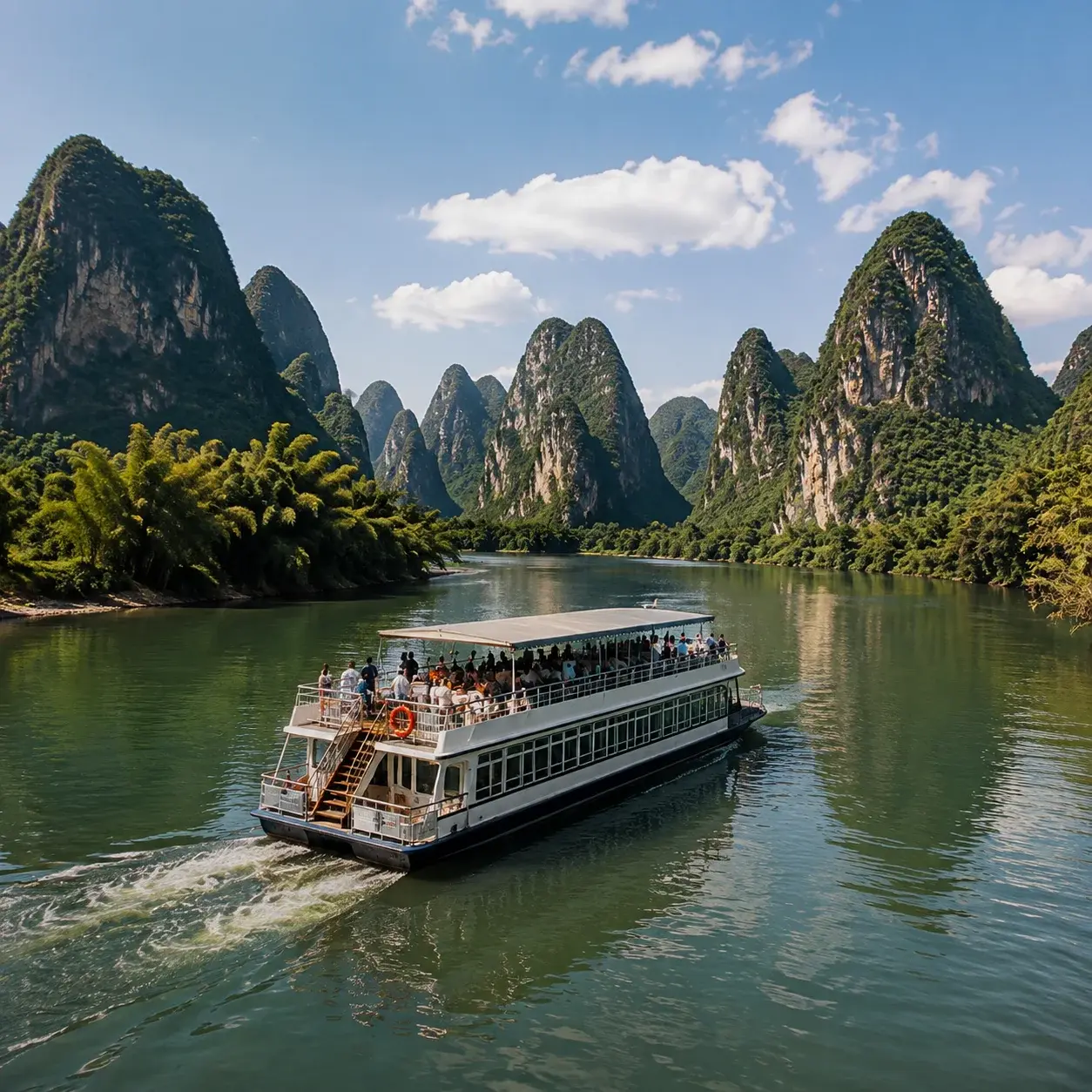




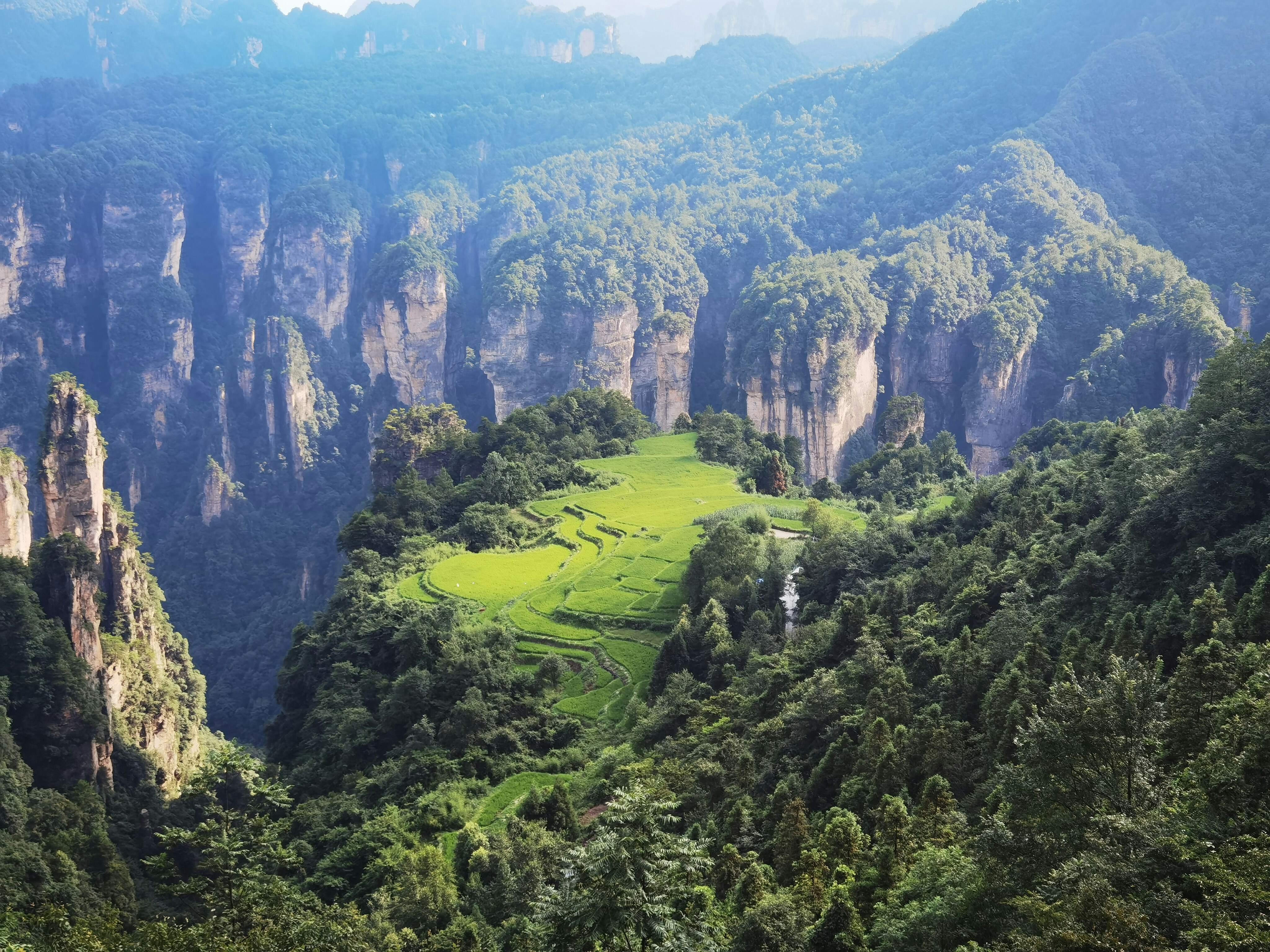
 18 Tage China, von Anfang bis Ende Peking → Xi'an → Chuanzhusi → Jiuzhaigou → Chengdu → Zhangjiajie → Guilin → Yangshuo → Shenzhen ab $6,360 Route ansehen
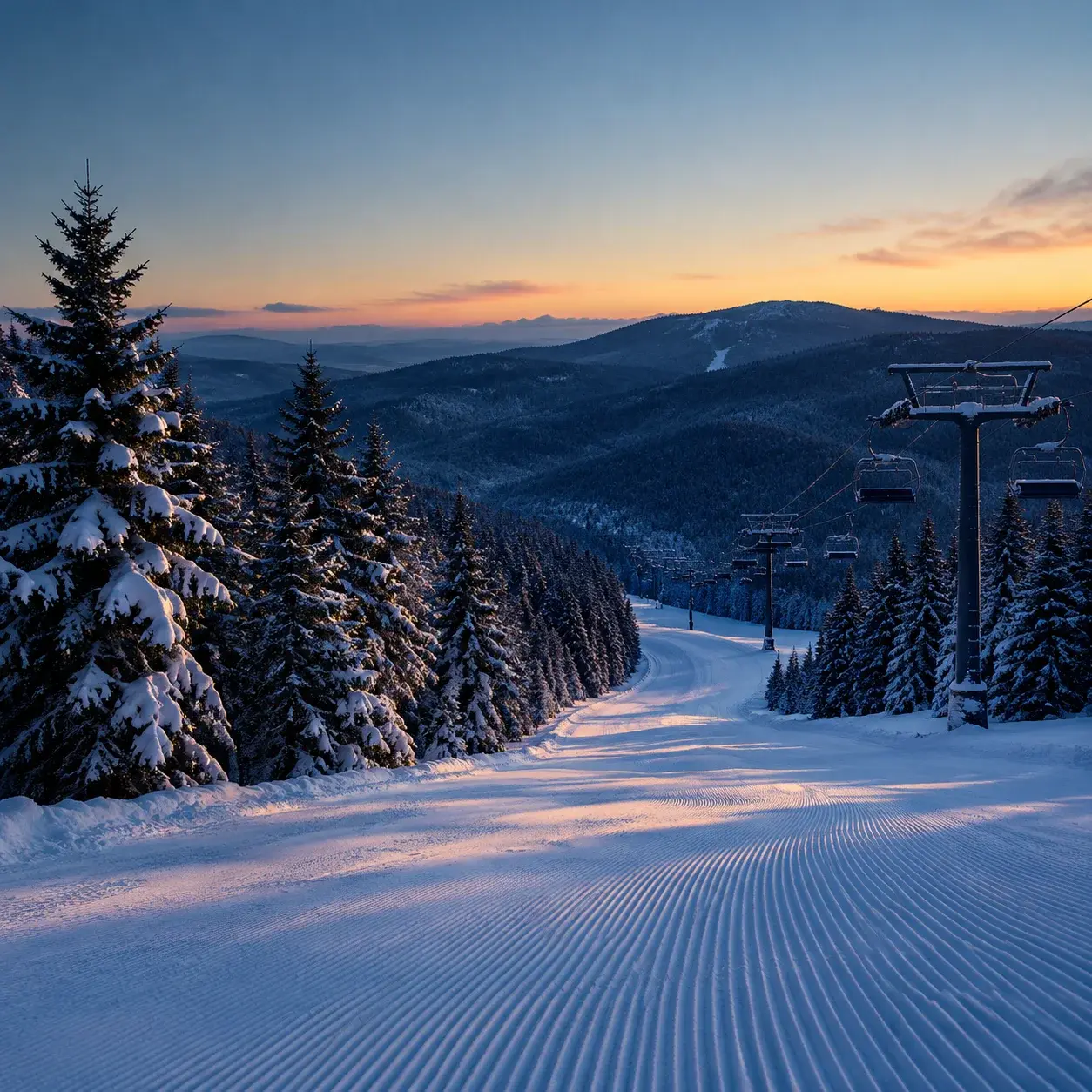
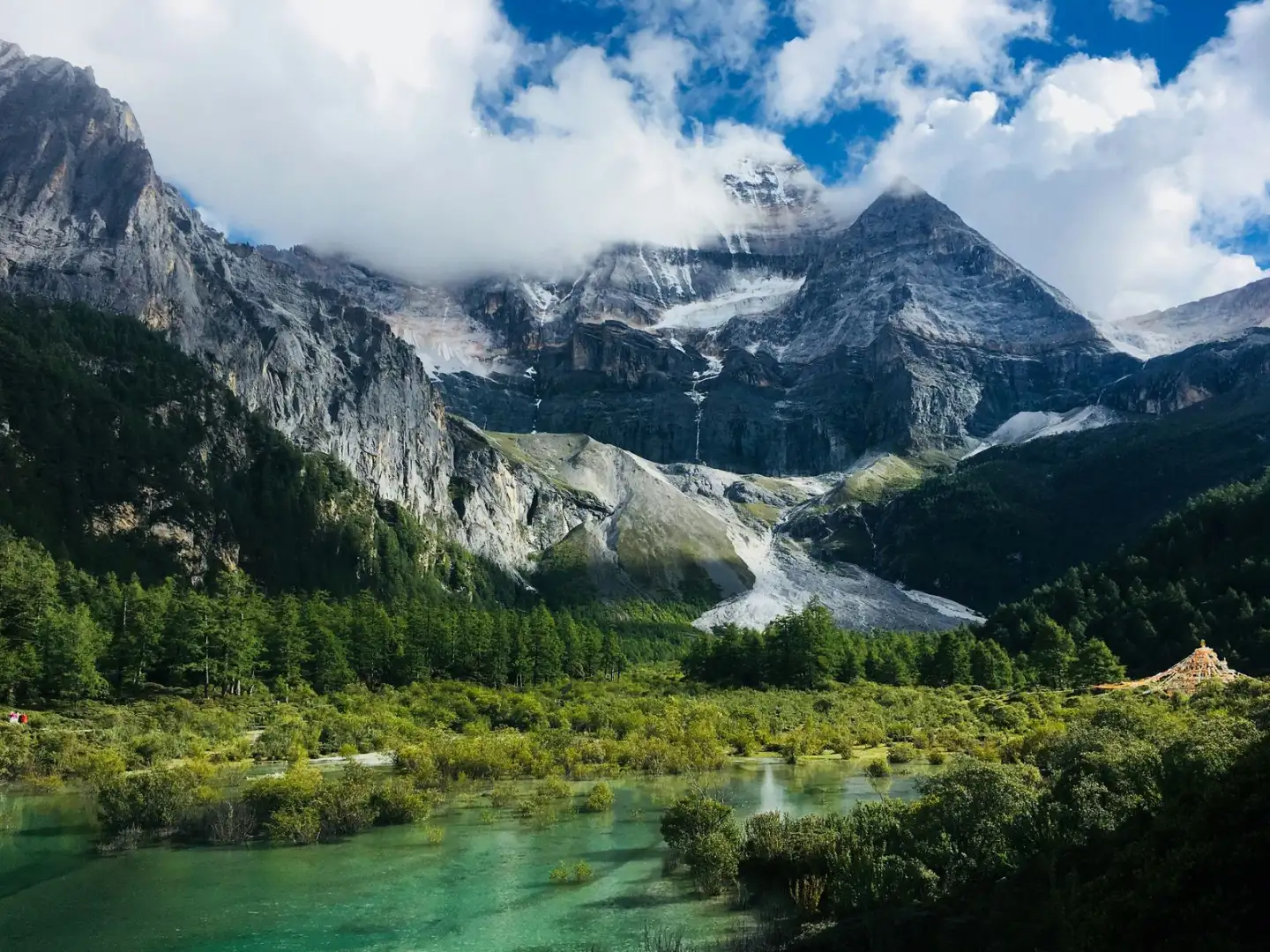
 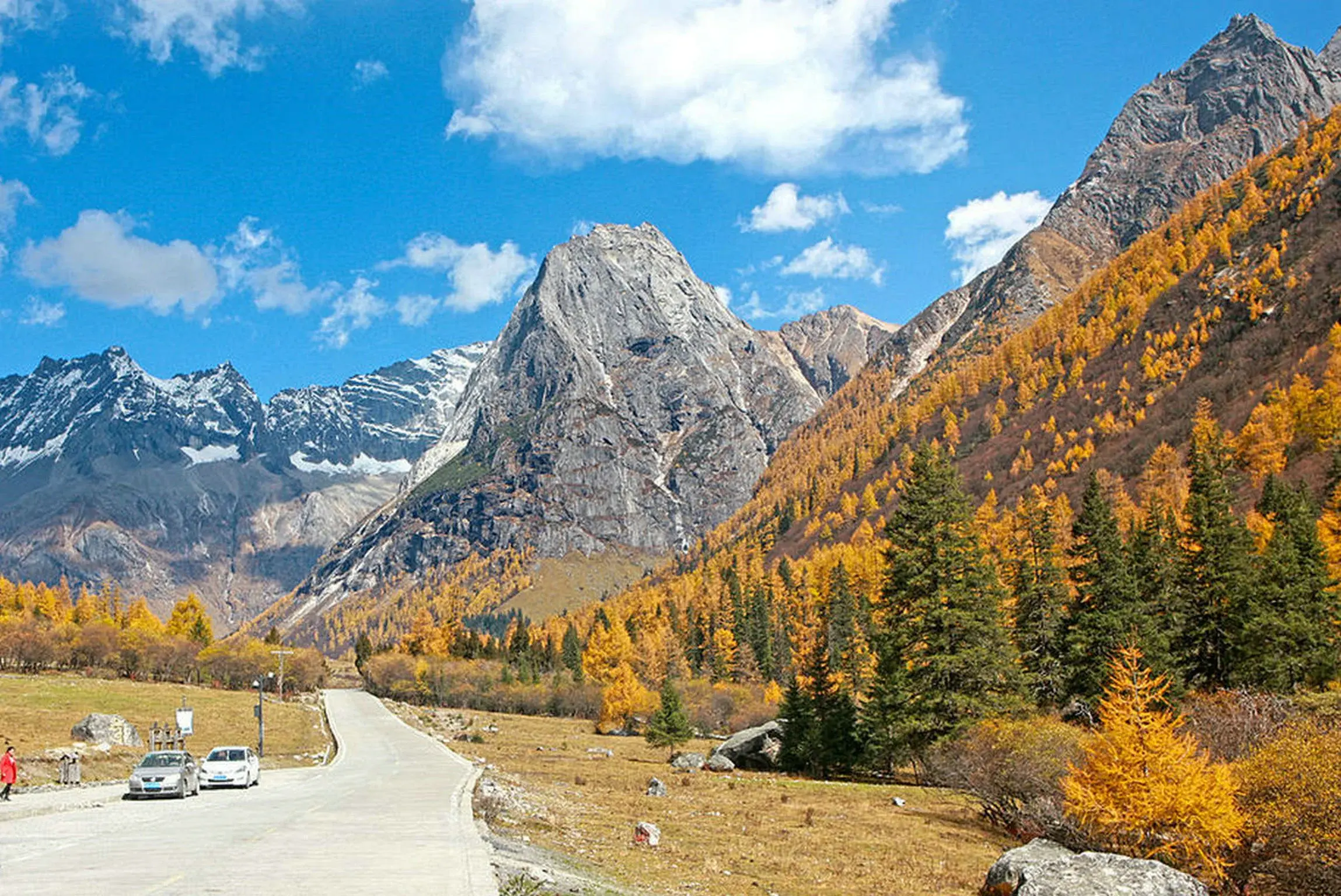 3 Tage 3-tägige Tour: Vier-Gipfel-Berg, Biepagou und Dagu-Eisberg Chengdu ab $1,599 Route ansehen
  10 Tage Abschiedsessen Guangzhou → Shantou → Jieyang → Chaozhou → Quanzhou → Zhangzhou → Xiamen ab $4,000 Route ansehen
 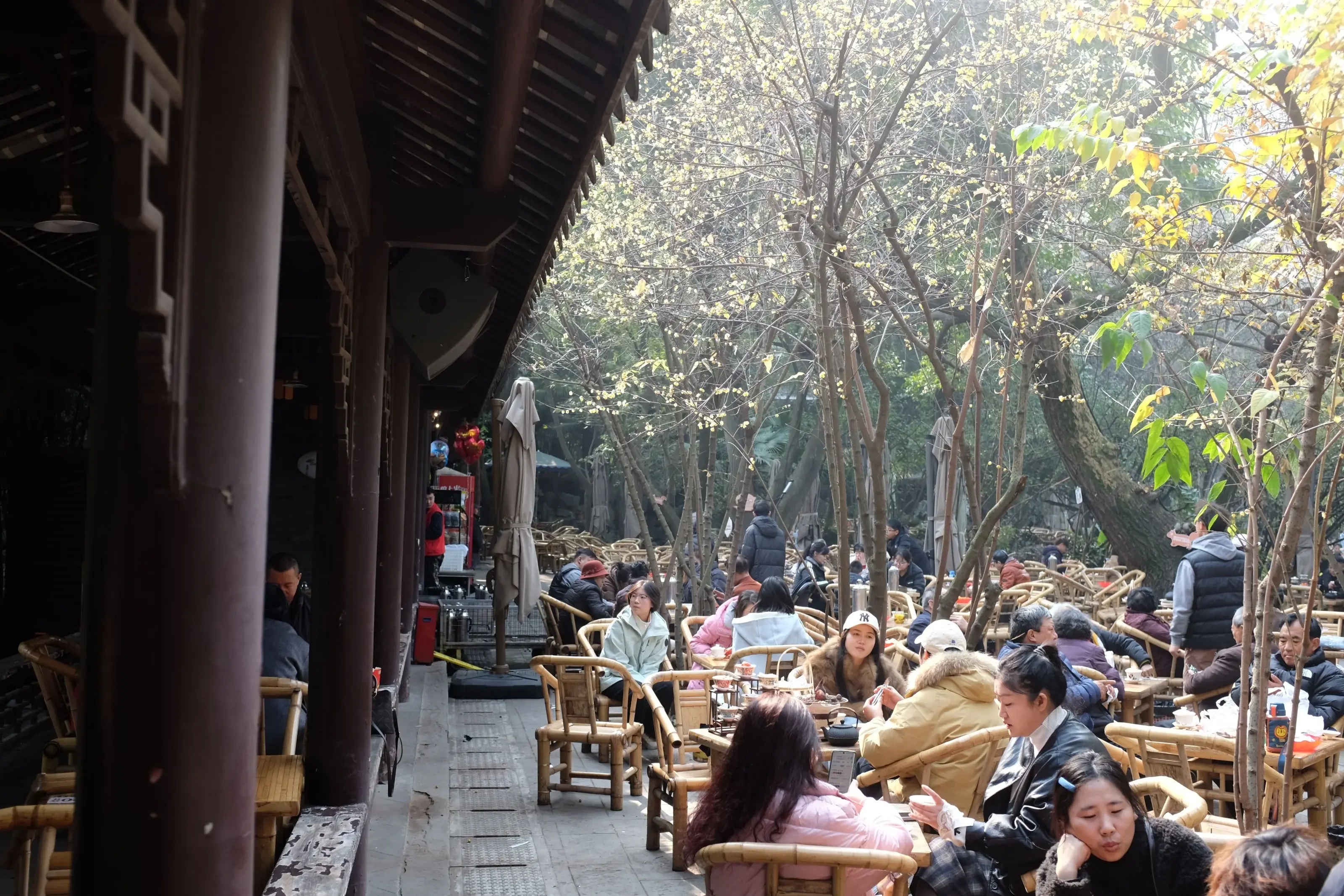 12 Tage Achse bis Küchentisch Peking → Xi'an → Chengdu ab $4,060 Route ansehen
 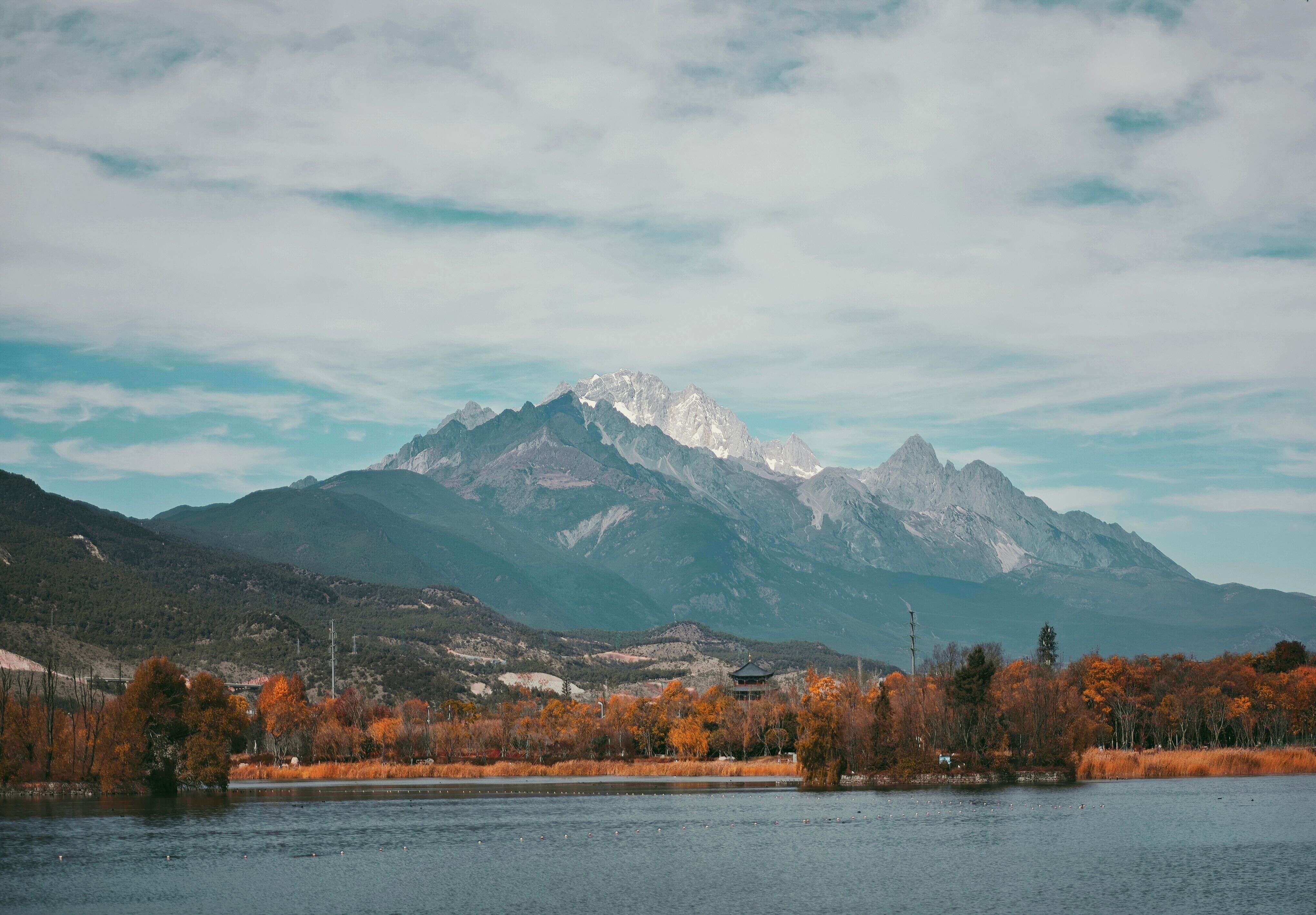 12 Tage China auf zwei Höhen Kunming → Lijiang → Shangri-La → Tacheng → Chengdu → Dujiangyan → Leshan ab $3,900 Route ansehen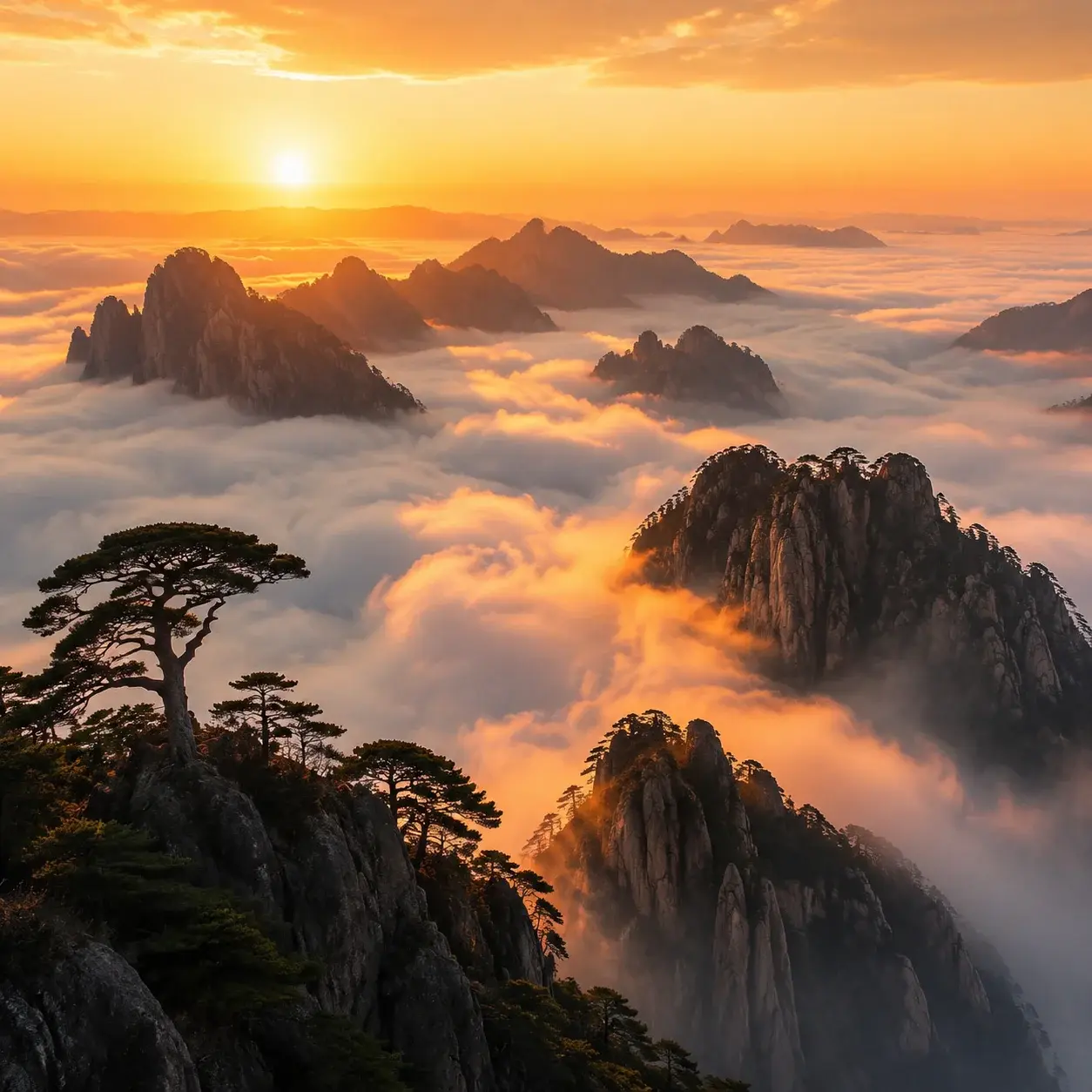
Wie schwer ist der Huangshan (Gelber Berg) Wanderweg – und muss man wirklich übernachten? Ein vollständiger Leitfaden für 2026
Huangshan — die Gelben Berge Chinas im südlichen Anhui — scheinen schwieriger zu sein, als sie sind: Eine vollständige Aufstieg ist wirklich brutal (tausende Granitstufen, 10–12 Stunden für fitte Wanderer), aber fast niemand macht das. Die Seilbahnen übernehmen etwa 80 % der vertikalen Strecke, was die Tour zu einem bewältigbaren Tag mit befestigten Wegen auf dem Gipfel macht. Ob Sie auch übernachten, hängt nur von einem Faktor ab: dem Sonnenaufgang und dem Wolkenmeer am Morgen.
Dies ist ein vertrauenswürdiger Planungsleitfaden, keine Tourbeschreibung und kein Verkauf. LyrikTrip ist ein privates inbound-China-Reiseunternehmen — das bedeutet, wir Ihnen offen sagen können, wann ein Tag ausreicht, wann die Gipfelhotelleistung Geldverschwendung ist und ob Ihre Kinder oder Ihre 65-jährigen Eltern das tatsächlich schaffen. Die gesamte Seite beantwortet die Entscheidungen, bei denen Sie wirklich steckenbleiben: wie schwer der Wanderweg ist, Seilbahn oder Treppe, wie viele Tage nötig sind, ob der Sonnenaufgang am Gipfel eine Übernachtung wert ist, wann Sie tatsächlich ein Wolkenmeer sehen werden und Vordergebirge versus Hintergebirge.
Eine erste Orientierung: Huangshan ist eine UNESCO-Weltkulturerbestätte. Der höchste Punkt, der Lotus-Peak (莲花峰), liegt bei etwa 1.864 m. Er ist etwa 2,5–3,5 Stunden mit dem Hochgeschwindigkeitszug von Shanghai und ca. 1,5 Stunden von Hangzhou entfernt (chinadiscovery.com / travelchinaguide.com, verifiziert 2026-07). Die untenstehen Entscheidungstabellen sind der schnellste Weg, die Besteigung zu planen – abgestimmt darauf, wer Sie wirklich sind.
Wichtige Erkenntnisse
- Die Seilbahnen sind kein Betrug — sie sind der eigentliche Grund. Sie überwinden ungefähr 80 % des Anstiegs, sodass die meisten Besucher Huangshan als einen Tag mit befestigten Gipfelrouten erleben und nicht als eine Qual von 10.000 Schritten.
- Auf diesem Berg ist "Absteigen" die gefährlichere Richtung. Das Absteigen von Tausenden von Steinstufen schadet den Knien viel mehr als das Aufsteigen. Was auch immer Sie tun: Nehmen Sie lieber die Seilbahn abwärts.
- Gehen Sie bergauf über den Rücken, bergab über die Vorderseite. Steigen Sie über den Hinterberg (Östliche Stufen / Yungu-Seilbahn) ab und steigen Sie über den Vorderberg (Westliche Stufen / Yuping-Seilbahn, am Begrüßungs-Kiefer vorbei), damit Sie den Gipfel nur einmal überqueren und Ihre Schritte nicht zurücklegen müssen.
- Ein Tag reicht — aber nicht für Sonnenaufgang. Mit der Seilbahn hinauf, den Gipfel umrunden, mit der Seilbahn hinunter — Sie werden die Gipfel sehen und (bei Glück) eine Wolkenmeer erleben. Um den Morgensonnenaufgang zu erleben, müssen Sie auf dem Gipfel übernachten, da man bei Dunkelheit nicht hinauf hike kann.
- Das Hotel auf dem Gipzel ist ein Premium für die Lage, nicht für Luxus. Sie zahlen dafür, dass Sie zum Sonnenaufgang auf dem Gipfel stehen. Es lohnt sich für die meisten Ersterprobten bei günstigen Wetteraussichten; es kann übersprungen werden, wenn das Wetter trocken und klar ist oder das Budget knapp ist.
- Das Wolkenmeer ist eine Wahrscheinlichkeit, keine Garantie. Es ist am wahrscheinlichsten zwischen November und Mai, besonders nach Regen oder Schnee — suchen Sie es in den Übergangs- und kalten Jahreszeiten, erwarten Sie es nicht an einem trockenen Sommernachmittag.
- Familien und ältere Eltern können es definitiv machen — Seilbahn hin und her, bleiben Sie auf den flachen Gipfelrouten und überspringen Sie die Leitern im Westmeercanyon.
Wie schwer ist der Huangshan-Trekking-Tour, wirklich? (Ein ehrliches Schwierigkeitsurteil)
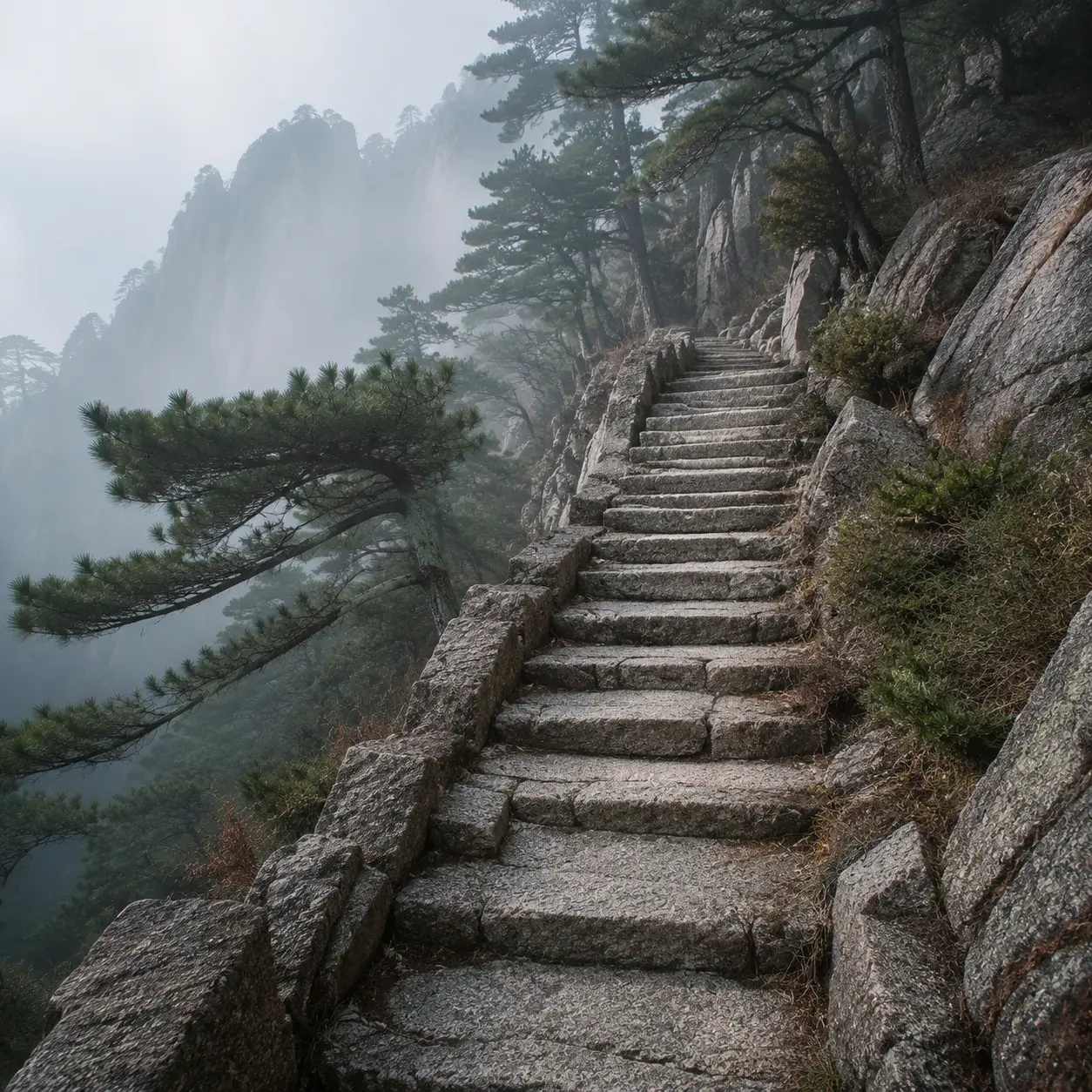
Eine vollständige Tour auf den Huangshan ist wirklich hart – Tausende von Steinstufen und etwa 2.000+ Meter Gesamthöhenunterschied, 10–12 Stunden für fitte Wanderer – aber fast niemand macht die ganze Strecke zu Fuß. Die Seilbahnen decken ungefähr 80% des Höhenuntersches ab, was den Berg zu einem bewältigbaren Tag mit Treppen auf befestigten Wegen macht. "Wandern" bedeutet hier ununterbrochene Treppen und befestigte Wege, kein Klettern – aber die Treppen sind gnadenlos, also tragen Sie echte Schuhe.
Der Berg ist berühmt dafür, dass er durch zehntausende handgehauene Steinstufen zusammengefügt wird. Die ehrliche Art, über Schwierigkeit nachzudenken, ist nicht "Kann ich Huangshan wandern", sondern "Wie viel des Höhenunterschieds möchte ich zu Fuß statt mit der Bahn zurücklegen." Hier ist, was jede Wahl Ihnen tatsächlich kostet (die Angaben sind indikativ und sollten vor Ort überprüft werden, 2026-07):
| Oben | Aufwand (indikativ, prüfen) | Zeit (indikativ, prüfen) | Wie es sich anfühlt | Beste für |
|---|---|---|---|---|
| Vollständige Wanderung, östliche (hintere) Treppe | Tausende von Schritten, ~1.000 m Anstieg von Yungu (~730 m Start) | ~2–3 h empor | Steige, schattige, gepflasterte Treppe durch den Wald | Sportliche Wanderer, die eine Herausforderung suchen |
| Vollständige Wanderung, westliche (vordere) Treppe | Länger, ausgesetzter, ~14 km | ~6–7 h empor | Dramatisch, anspruchsvoller, weniger crowds, vorbei am berühmten Kiefernwald | Starke Wanderer mit einem ganzen Tag |
| Seilbahn + Gipfelrouten | Seilbahn macht ~80%; oben noch echte Treppen | ~8 min Seilbahn + mehrere Stunden Gehweg | Einfache bis mittelschwere gepflasterte Routen auf dem Gipfel | Die meisten Besucher und Tagesausflügler |
| Seilbahn hin und zurück + sanfte Runde | Minimaler Anstieg | Seilbahn + flache Beihai-Runde | Die einfachste Option auf dem Berg | Kinder, Senioren, geringe Fitness |
Die nützlichste Regel auf diesem gesamten Berg: Das Absteigen tut weht. Das Klimmen belastet Ihre Lungen; das Gehen abwärts über tausend Steinstufen hämmert gegen Ihre Knie, und genau das lässt Menschen tagelang humpeln. Selbst engagierte Wanderer sollten darüber nachzudenken, hinauf zu wandern und mit der Seilbahn abzufahren – die Abfahrt ist es, wo sich die Seilbahn ihren Verdienst verdient.
Seilbahn oder Wanderung? Welchen Weg nach Huangshan (Abhängig von Ihrer Fitness und Alter)
Es gibt keinen einzigen richtigen Weg auf den Huangshan — die richtige Route hängt von Ihrer Fitness und Ihrem Alter ab. Fitte Wanderer sollten die östlichen (Hinter-)Treppe hinaufsteigen und mit der Seilbahn hinunterfahren; durchschnittlich fitte Tagesbesucher sollten mit der Yungu-Seilbahn hinauf und mit der Yuping-Seilbahn hinunterfahren; Familien und ältere Eltern sollten beide Wege mit der Seilbahn nutzen und sich an die flachen Gipfelrouten halten. Dies ist die Entscheidung, die Wettkämpfer überspringen: Sie listen die östliche Treppe, die westliche Treppe und drei Seilbahnen separat auf und lassen Sie einen Plan zusammenstellen. Ordnen Sie sich stattdessen einer Zeile zu.
| Sie sind… | Empfohlene Route | Warum |
|---|---|---|
| Fit und wollen sich austoben | Bergauf über die östlichen (hinteren) Stufen (~2–3 h), Seilbahn abwärts über die Front (Yuping) | Den Gipfel erklimmen; bei der brutalen Abfahrt die Knie schonen |
| Durchschnittliche Fitness, ein Tag | Seilbahn aufwärts (Hinter) → Beihai / Bright Summit Loop → Seilbahn abwärts (Front) | Beide Seiten sehen, kein Hin- und Herlaufen, ~80 % der Anstrengung entfallen |
| Familie mit Kindern (6–12) | Seilbahn hin und her + kurze, flache Gipfelrunden nur | Kinder kommen mit gepflasterten Wegen zurecht; lange Treppenabstiege überspringen |
| Eltern ab 60 / eingeschränkte Mobilität | Seilbahn hin und her, Sessellift für die steilsten Abschnitte, West Sea Canyon-Treppen überspringen | Gipfelansichten ohne die kraftraubenden Treppen |
| Knieprobleme | Seilbahn auf und ab; nie die Treppen absteigen | Treppenabstieg ist viel belastender als das Aufstieg |
| Fotograf / zwei Tage | Seilbahn auf, Übernachtung am Gipfel, West Sea Canyon am zweiten Tag mit frischen Füßen | Sonnenaufgang plus die beste Strecke des Berges ohne mübe Beine |
Für den Hauptanstieg gibt es drei Seilbahnen, plus eine kurze Strecke innerhalb des Canyons. Einzelfahrgelder (Hochsaison, bitte vor Ort prüfen Juli 2026): Yungu (Rücken / Osten) ca. ¥80, Yuping (Vorderseite / Westen) ca. ¥90, Taiping (Nordtor) ca. ¥80 und die West Sea Sightseeing-Seilbahn ca. ¥100, wobei die Winterpreise etwa ¥65–75 betragen (chinadiscovery.com / travelchinaguide.com, geprüft Juli 2026). Wenn Sie sich an nichts mehr erinnern: Yungu hinauf, Yuping hinunter. Wie Huangshan im Vergleich zu anderen großen Gipfeln abschneidet – ob ein Ersterhierhier-Besucher sich dafür oder für einen einfacheren Aufstieg entscheiden sollte – sehen Sie in unserer Übersicht  Chinas berühmteste Berge.
Vorderberg vs. Rückenberg – und die Route ohne Umweg
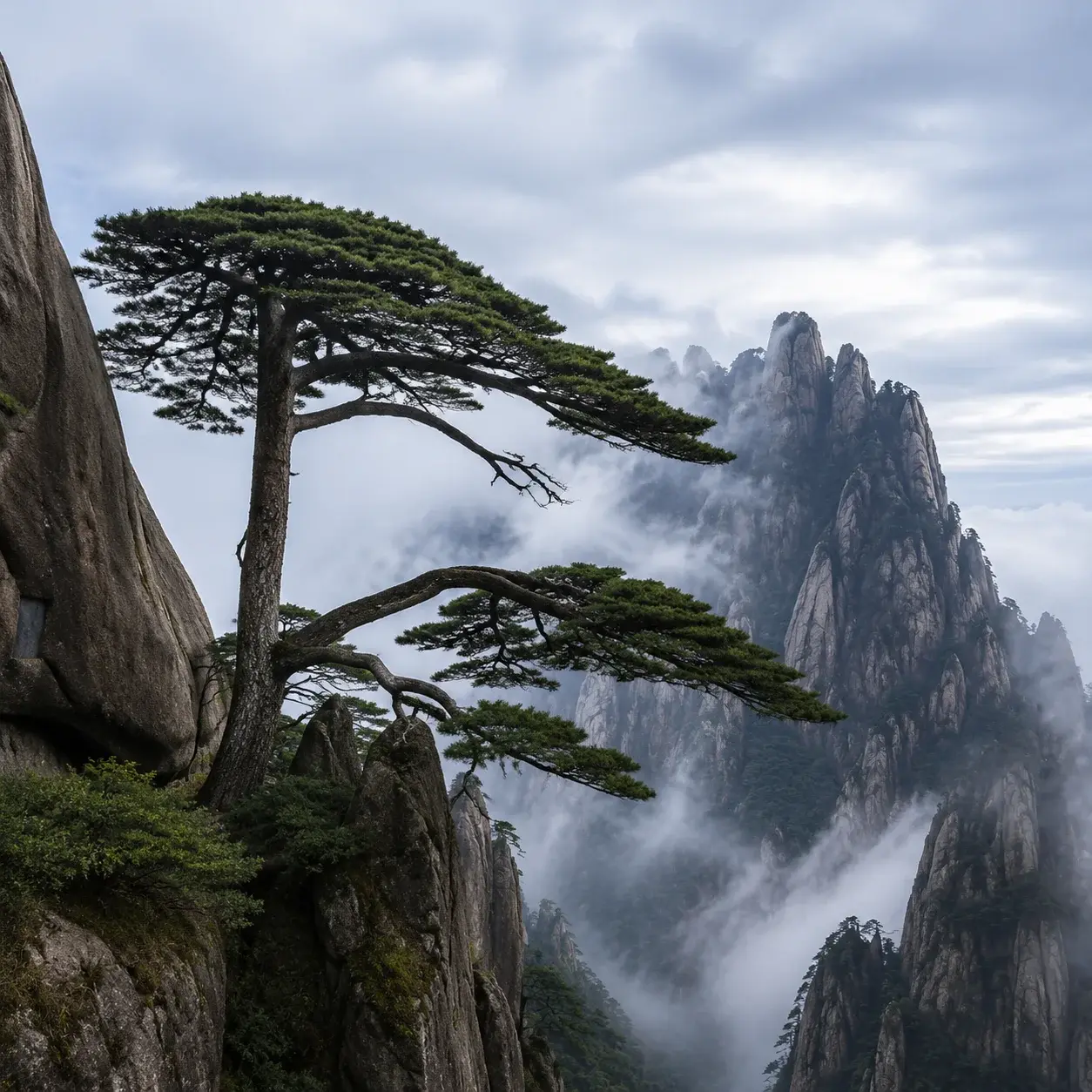
Der Rückenberg ist die Ostseite, bedient durch die Yungu-Seilbahn – sanfter, ca. 2–3 Stunden zu Fuß und weniger überlaufen. Der Vorderberg ist die Westseite, bedient durch die Yuping-Seilbahn, steiler und spektakulärer, ca. 6–7 Stunden lang, und führt am berühmten Begrüßungskiefer vorbei. Der Trick, den viele Guidebücher verschweigen: Gehen Sie den Rückenberg hinauf und den Vorderberg hinunter, so dass Sie den Gipfel nur einmal überqueren und keine Schritte zurücklegen müssen. In einer Rundtour sehen Sie beide Gesichter des Bergs.
Konkret beginnt die Back-Mountain-Route am Yungu-Tempel (ca. 730 m) und steigt bis Baieling; es ist der kürzere, mildere Aufstieg, den man hinaufnehmen sollte. Die Front-Mountain-Route verläuft von Ciguangge vorbei am Jade-Screen (Yuping) und dem Grüßenden Tannenbaum – grandioser, anstrengender und der natürliche Weg abwärts mit der Seilbahn. Kehrt man dies um (und kämpft sich die Front hinauf), verbrennt man sich die Beine am steilsten Abschnitt und verpasst trotzdem die Hälfte des Berges.
Drei Gipfel krönen die Spitze: Lotus-Gipfel (莲花峰, ~1.864 m, der höchste), Helle Gipfel (光明顶) und Himmlische Hauptgipfel (天都峰). Beachten Sie, dass Lotus und Himmlischer Hauptgipfel alle fünf Jahre abwechselnd für Restaurierungsschließungen stehen, um die Ökologie zu schützen, sodass einer von ihnen möglicherweise beim Besuch gesperrt ist (huangshantourguide.com, verifiziert 2026-07) – prüfen Sie, welche Gipfel geöffnet sind, bevor Sie losziehen. Der herausragende Gipfelweg ist das Westmeer (Xihai)-Große Tal, ein Klattenweg mit einer kurzen Sightseeing-Monoreihe unten, die Sie wieder hinausträgt; es ist der beste Wanderweg des Berges, aber auch die härteste Leiterstrecke, und er schließt ungefähr Dezember–März wegen Eis und Schnee.
Wie viele Tage benötigen Sie – und lohnt es sich, übernachtend den Sonnenaufgang zu erleben?
Ein Tag reicht, wenn Sie mit der Seilbahn hinaufsteigen, den Gipfel umrunden und wieder hinunterfahren — Sie werden die Gipfel sehen und bei Glück eine Wolkensee, aber keinen Sonnenaufgang. Zwei Tage mit einer Übernachtung auf dem Gipfel sind die klassische Tour und der einzige Weg, um den Morgengraupen zu erleben, da man bei Dunkelheit nicht hinaufwandern kann. Für die meisten Ersterprobten, die mit vernünftigen Wetteraussichten rechnen, lohnt sich die Übernachtung; wenn Ihre Prognose trocken-klar ist oder Ihr Budget knapp ist, machen Sie es an einem Tag und schlafen Sie komfortabel in Tangkou.
Die Hotels am Gipfel sind teuer, und es hilft zu verstehen warum: Alles dort oben — Essen, Bettwäsche, Wasser — wird per Seilbahn oder von Trägern hochgebracht, also zahlen Sie für die Lage, nicht für Luxus. Die größte Variable im gesamten Huangshan-Budget ist weder der Ticket noch die Seilbahn; es ist die Frage, ob Sie übernachten. Hier ist die Entscheidung klar dargelegt:
| Entscheidungskriterium | Tagesausfahrt (Auf- und Abfahrt mit Seilbahn) | Übernachtung auf dem Gipfel |
|---|---|---|
| Was Sie sehen | Tagesgipfel + Meereswelle der Wolken, wenn die Bedingungen günstig sind; kein Sonnenaufgang | Morgendlicher Sonnenaufgang + das beste Morgenfenster für die Wolkenmeer-Sicht + eine fast leere Berglandschaft |
| Kosten (indikativ, prüfen) | Eintritt + nur Seilbahnen (ca. ¥300–500 pro Person) | Ca. ¥200–300 zusätzlich für ein Bett in einem Schlafsaal bis zu ¥800–2.300+ pro Nacht für ein Zimmer |
| Wahrscheinlichkeit von Wolkenmeer / Sonnenaufgang | Mittel – das Wolkenmeer am Tag ist zufällig; Sonnenaufgang unmöglich | Höher, aber nicht gesichert – Wolkenmeer wahrscheinlich Nov–Mai nach Regen/Schnee; Sonnenaufgang需要一个晴朗的黎明 |
| Buchungsrealität | Keine Buchung erforderlich | Buchen Sie ca. 1–2 Wochen im Voraus in der Nebensaison, 3–4 Wochen in der Hochsaison, 4–6 Wochen für chinesische Feiertagswochen |
| Körperliche Belastung | An einem Tag erledigt; schlafen Sie billig und bequem am Fuße des Berges | Schlafen Sie oben und gehen Sie am nächsten Morgen mit frischen Beinen durch den West Sea Canyon
So das ehrliche Urteil: Übernachten Sie, wenn es Ihr erster Besuch ist, Sie Sonnenaufgang und Meereswolken sehen wollen, Sie Huangshan zwei Tage nehmen können und ein Zimmer auf dem Gipfel in Ihrem Zielzeitraum buchen können. Verzichten Sie auf die Übernachtung, wenn der Budget knapp ist, Sie nur einen Tag haben oder das Wetter klar und trocken ist (geringe Wahrscheinlichkeit für Wolkenmeer, und ein Sonnenaufgang ohne Wolkenmeer ist nur ein heller Horizont). Schlafen Sie nicht standardmäßig auf dem Gipfel, als ob es verpflichtend wäre — es ist eine echte Wahl mit echten Kompromissen. Gipfelzimmer konzentrieren sich um die Beihai (Nordsee)-Region, die gut für Aussichtspunkte am Sonnenaufgang geeignet ist (chinadiscovery.com, verifiziert 2026-07); wählen Sie ein Hotel nahe einem Aussichtspunkt, damit der Morgengang selbst keine Wanderung ist.
Wann ist die beste Zeit für einen Besuch in Huangshan? (Und Ihre tatsächlichen Chancen auf ein Wolkenmeer)
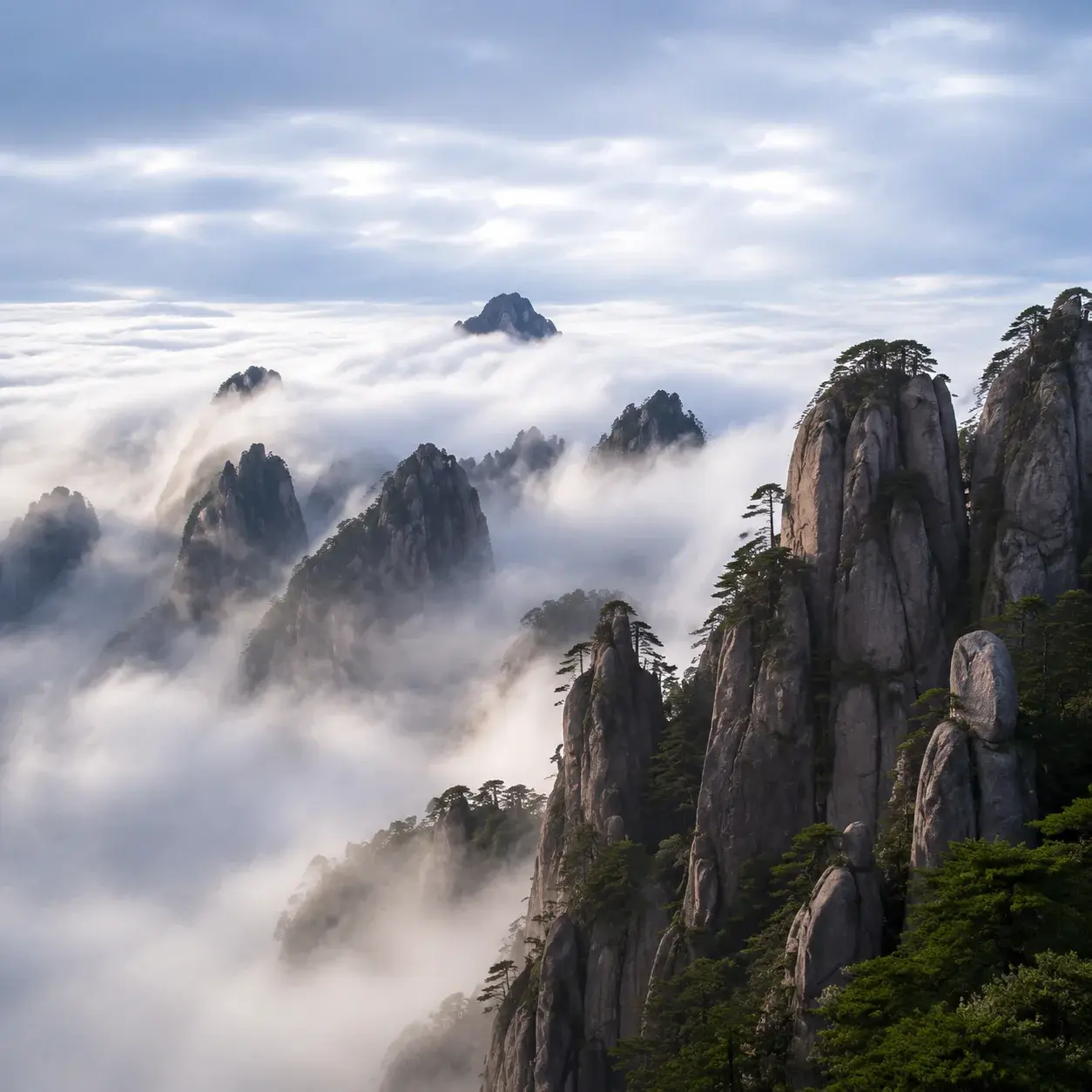
Die besten Fenster sind März–Mai und September bis Anfang November – mildes Wetter, Frühlingsblüten oder Herbstfarben und bessere Chancen auf ein Wolkenmeer. Das Wolkenmeer selbst ist eine Wahrscheinlichkeit, um die Sie planen, keine Garantie: Es ist am wahrscheinlichsten von November bis Mai, besonders nach Regen oder Schnee, wenn feuchte Luft sich unterhalb der Gipfel staut. Ein klarer, trockener Sommertag bietet Ihnen sichte Weitblicke, aber eine geringe Chance auf ein Wolkenmeer — die beiden kommen selten zusammen.
Die zu vermeidende Falle sind Menschenmassen. An Wochenenden, während der Sommerferien und in der Golden Week Anfang Oktober ist es voll, und genau dann sind die Berghotels oft schon Wochen im Voraus ausgebucht. Ein Werktag in der Übergangszeit, idealerweise ein oder zwei Tage nach einem vorbeiziehenden Wetterfront, ist der ideale Zeitpunkt sowohl für das Meereswolkenspektakel als auch für ausreichend Raum.
| Saison | Was Sie erleben | Menschenmassen | Wahrscheinlichkeit von Wolkenmeer |
|---|---|---|---|
| Frühling (Mär–Mai) | Mild, Azaleen und frisches Grün; eines der beiden besten Fenster | Mittel (Mai-Ferien voll) | Mittel–hoch, steigt nach Regen |
| Sommer (Jun–Aug) | Klare Sicht, aber heiß, feucht, Gewitter | Hoch (Schulferien) | Niedrig–mittel; sehr niedrig an trockenen, klaren Tagen |
| Herbst (Sep–Anfang Nov) | Herbstfarben und stabiles Wetter; das andere beste Fenster | Mittel (Golden Week voll) | Mittel–hoch |
| Winter (Dez–Feb) | Reif und Schnee, niedrigste Preise, West Sea Canyon geschlossen | Niedrig | Hoch nach Schnee – aber es wird kalt |
Daumenregel: Feuchtigkeit erzeugt das Wolkenmeer, trockene Luft sorgt für weite Ausblicke, und beides gleichzeitig haben Sie normalerweise nicht. Entscheiden Sie, was Sie anstreben, und wählen Sie das Wetter entsprechend aus.
Kann man Huangshan mit Kindern oder älteren Eltern besuchen? (Die Treppenfrage)
Ja zu beiden — die Treppe ist die gesamte Sorge, und die Antwort ist dieselbe: Lassen Sie die Seilbahnen den Aufstieg übernehmen. Mit Kindern (ungefähr 6–12 Jahren) fahren Sie beide Richtungen mit der Seilbahn und bleiben Sie auf den flachen Gipfelrouten. Bei älteren oder mehrgenerationellen Reisenden fahren Sie bergauf und bergab mit der Seilbahn, verwenden Sie die Sesseltäger für die steilen Abschnitte und überspringen Sie ganz die Leitern im West Sea Canyon. Dies ist die Frage, die kein Wettbewerber direkt beantwortet, und sie ist es meist, um die sich Familien am meisten sorgen.
Für Kinder sind die flachen Gipfelwege rund um Beihai und Bright Summit wirklich leicht — ein 7- bis 12-Jähriger kommt ohne Probleme über gepflasterte Wege. Was Sie vermeiden, sind die langen Steinstufenabstiege und die steilen Canyonleitern, die ermüdend sind und vor allem für kleine Beine beim Abstieg belastend. Fahren Sie beide Richtungen mit der Seilbahn und halten Sie das Gehen sanft und loop-förmig.
Für ältere oder eingeschränkte Eltern lautet die ehrliche Empfehlung: Der Berg ist durchaus bewältigbar, wenn Sie eine Regel beherzigen: niemals die Treppe hinuntersteigen. Nutzen Sie die Seilbahn hinauf und hinunter, mieten Sie für die steileren Abschnitte Tragen bis zum Gipfel, wählen Sie ein Gipfelhotel in der Nähe eines Sonnenaufgangspunkts, damit niemand vor Morgendämmerung wandern muss, und vermeiden Sie die Goldene Woche, wenn alles überfüllt ist. Die Leitern im West Sea Canyon sollten Sie einfach überspringen — Sie können die Canyon-Ausicht trotzdem vom Wolkenauflösungsturm genießen, ohne hineinzusteigen. Wenn Sie lieber die gesamte Mehrgenerationenreise nach dem Fitnessniveau Ihrer Gruppe planen lassen wollen, genau das ist es, was LyrikTrip tut.
Wie man nach Huangshan kommt (Flughafen, Hochgeschwindigkeitszug und von Shanghai oder Hangzhou aus)
Die meisten ausländischen Reisenden erreichen Huangshan mit dem Hochgeschwindigkeitszug nach Huangshan North Railway Station – ca. 2,5–3,5 Stunden von Shanghai und etwa 1,5 Stunden von Hangzhou entfernt – oder mit einem Flug nach Huangshan (Tunxi) Airport. Von beiden aus sind es ca. 50 Minuten mit dem Shuttle nach Tangkou, der Südeingang-Stadt, und dann zur Yungu (Rück-) oder Ciguangge (Vorder-) Seilbahnbasis. Der Zug ist die Standardoption: Es gibt mehr als zwölf tägliche Hochgeschwindigkeitspaare von Shanghai und über zwanzige von Hangzhou (travelchinaguide.com / chinadiscovery.com, verifiziert 2026-07).
Hier ist die geordnete Version, die viele Reiseführer als einen Block-Prose angeben:
- Nehmen Sie einen Schnellzug nach Huangshan North Railway Station (Shanghai ca. 2,5–3,5 h; Hangzhou ca. 1,5 h) oder fliegen Sie zum Huangshan Tunxi Airport, der etwa 15 km vom Bahnhof entfernt ist.
- Fahren Sie mit dem Shuttle-Bus nach Tangkou, die Stadt am Südfuß des Berges (ca. 50 Minuten Fahrt; das Naturschutzgebiet liegt ca. 60 km vom Bahnhof entfernt).
- Von Tangkou nehmen Sie den Eco-Shuttle bis zur Talstation der Seilbahn – Yungu für den hinteren Berg oder Ciguangge für den vorderen.
Achten Sie auf eine Namensfalle, die Touristen immer wieder erwischt: „Huangshan-Stadt“ (der Tunxi-Kreis um den Bahnhof) ist der Verkehrsknotenpunkt, ca. 60 km vom eigentlichen Berg entfernt – es ist nicht das Naturschutzgebiet. Sie fahren nach Tangkou und zum Eingang des Naturschutzgebiets, nicht in das Zentrum von Huangshan-Stadt. Hangzhou lässt sich leicht anreisen oder abreisen; es ist die ca. 1,5-stündige Gateway-Stadt und ein lohnenswerter Stop für sich – sehen Sie unseren Reiseführer zu Hangzhou. Und wenn Sie gerade erst in China ankommen und den ersten Flughafen organisieren, deckt unser Leitfaden zum Flughafen Shanghai Pudong die Landungslogistik ab, bevor Sie überhaupt den Zug erreichen.
Häufig gestellte Fragen
Wie schwierig ist die Huangshan-Begehung? Eine vollständige Wanderung zu Fuß ist wirklich schwer – Tausende von Steinstufen und 10–12 Stunden für fitte Wanderer. Die Seilbahnen decken jedoch ca. 80 % der vertikalen Strecke ab, sodass die meisten Besucher sie als einen bewältigbaren Tag mit befestigten Gipfelpfaden erleben statt als ganztägigen Treppenanstieg.
Muss ich die Seilbahn nehmen und wie viel kostet sie? Nein, aber die meisten sollten es tun – die Bahnen entfernen etwa 80 % des Anstiegs und schonen Ihre Knie beim Abstieg. Einweg-Höchstpreise (Stand Juli 2026): Yungu ~¥80, Yuping ~¥90, Taiping ~¥80, West Sea Sightseeing ~¥100, mit niedrigeren Winterpreisen.
Wie viele Tage benötige ich in Huangshan? Ein Tag reicht, wenn Sie mit der Bahn raufsteigen, den Gipfel umrunden und wieder hinunterfahren – Sie werden die Gipfel sehen und eventuell eine Wolkensee erleben. Fügen Sie einen zweiten Tag nur hinzu, wenn Sie den Sonnenaufgang am Gipfel erleben wollen, was auf keinem anderen Weg möglich ist.
Muss ich übernachten, um den Sonnenaufgang in Huangshan zu sehen? Ja. Der Sonnenaufgang ist nur vom Gipfel aus sichtbar, und man kann nicht im Dunkeln hinaufsteigen, sodass das Erleben bedeutet, in einer Gipfelunterkunft zu übernachten. Wenn der Sonnenaufgang keine Priorität hat, deckt eine ein-tägige Seilfahrt die Höhepunkte des Tages ab.
Wann ist die beste Zeit für einen Besuch in Huangshan? März bis Mai und September bis Anfang November sind ideal für Wetter und Farben. Für den Wolkensee eignen sich späte Herbst bis Frühling, idealerweise nach Regen oder Schnee. Vermeiden Sie Wochenende, Sommerferien und die Goldene Woche im Oktober wegen der Menschenmassen.
Gibt es Hotels auf dem Bergspitze und sind sie teuer? Ja – mehrere Gipfelhotels in der Nähe des Behai-Gebietes, von Schlafplätzen (ca. ¥200–300) bis Zimmern (ungefähr ¥800–2.300+ pro Nacht, Richtwerte, bitte vor Ort prüfen). Sie sind teuer, weil alles hinaufgetragen wird; Sie zahlen für die Lage am Sonnenaufgang, nicht für Luxus.
Vorder- oder Bergseite — was ist besser? Steigen Sie über die Rückseite (Östliche Stufen / Yungu, sanfter und ruhiger) ab und über die Vorderseite (Westliche Stufen / Yuping, am Begrüßungsbaum vorbei). Diese Schleife überquert den Gipfel einmal, vermeidet Umwege und zeigt Ihnen beide Seiten des Bergs an einem Tag.
Kann ich Huangshan mit Kindern oder älteren Eltern besuchen? Ja. Nehmen Sie die Seilbahn in beide Halte und bleiben Sie auf den flachen Gipfelrouten um Beihai und Bright Summit. Für ältere Reisende nutzen Sie die Tragen auf steilen Abschnitten und vermeiden Sie die Leitern im Westmeeres-Canyon. Die wichtigste Regel ist: Nie die langen Treppen hinunterlaufen.
Wie komme ich von Shanghai oder Hangzhou nach Huangshan? Nehmen Sie einen Hochgeschwindigkeitszug zum Bahnhof Huangshan Nord (Shanghai ca. 2,5–3,5 h; Hangzhou ca. 1,5 h), dann einen ca. 50-minütigen Shuttle nach Tangkulu am Fuße des Berges, dann den Eco-Shuttle zur Talstation der Seilbahn. Die Alternative ist der Flug nach Huangshan Tunxi Airport. Soll ich Hongcun oder Xidi dazunehmen? Ja, wenn Sie Zeit haben — die wasserstädtischen Dörfer von Huizhou, Hongcun und Xidi, liegen am Fuße des Berges und sind ein klassischer Add-on für Tag zwei oder drei. Lesen Sie unseren Leitfaden zu den alten Wasserstädten bei Shanghai, wie sie sich mit Huangshan kombinieren lassen.
Fazit
Huangshan belohnt drei Entscheidungen, die Sie in dieser Reihenfolge treffen sollten: Erstens, wie Sie aufsteigen und absteigen — fitte Wanderer steigen auf dem Rücken des Bergs ab und nehmen die Seilbahn nach vorne; alle anderen nutzen die Seilbahn hin und umrunden den Gipfel, wobei Familien und ältere Eltern die Klippenleitern meiden. Zweitens, einen oder zwei Tage — ein Tag reicht für die Gipfel am Tag, aber nur ein Übernachtungspreis bietet Ihnen Sonnenaufgang am Morgen und das Meer aus Wolken. Drittens, wann Sie gehen — jagen Sie das Wolkenmeer in kühleren Monaten nach Regen, genießen Sie weite Ausblicke an klaren Tagen und vermeiden Sie die Golden Week-Überfüllung, egal wann.
Die beruhigende Wahrheit ist, dass die Seilbahnen die Gelben Berge für fast所有人都 machbar machen, einschließlich Kinder und Großeltern — der ermüdende Treppenanstieg den ganzen Tag ist optional, und für die meisten Reisenden sollte es auch bleiben. Wenn Sie lieber das Zimmer mit Sonnenaufstieg im Hotel am Gipfel im richtigen Wetterfenster buchen, die Route ohne Rückweg, die an die Fitness Ihrer Gruppe angepasst ist, und den Zug plus einen Hongcun-Anhänger komplett organisiert haben wollen, ist das die Reise, die LyrikTrip plant. Wie auch immer Sie es machen: Huangshan ist die Mühe wert, die Schritte zu unternehmen, die Sie wählen.