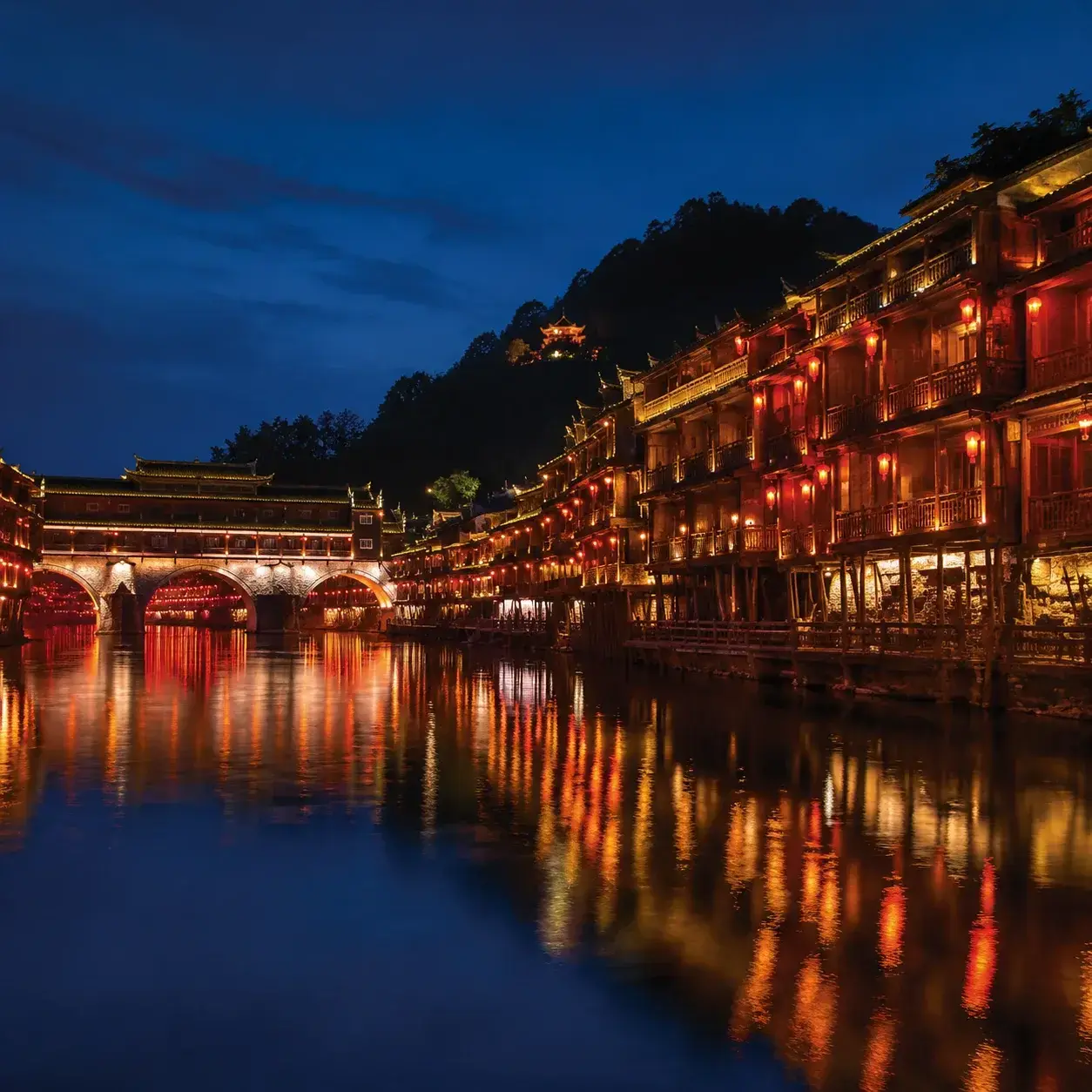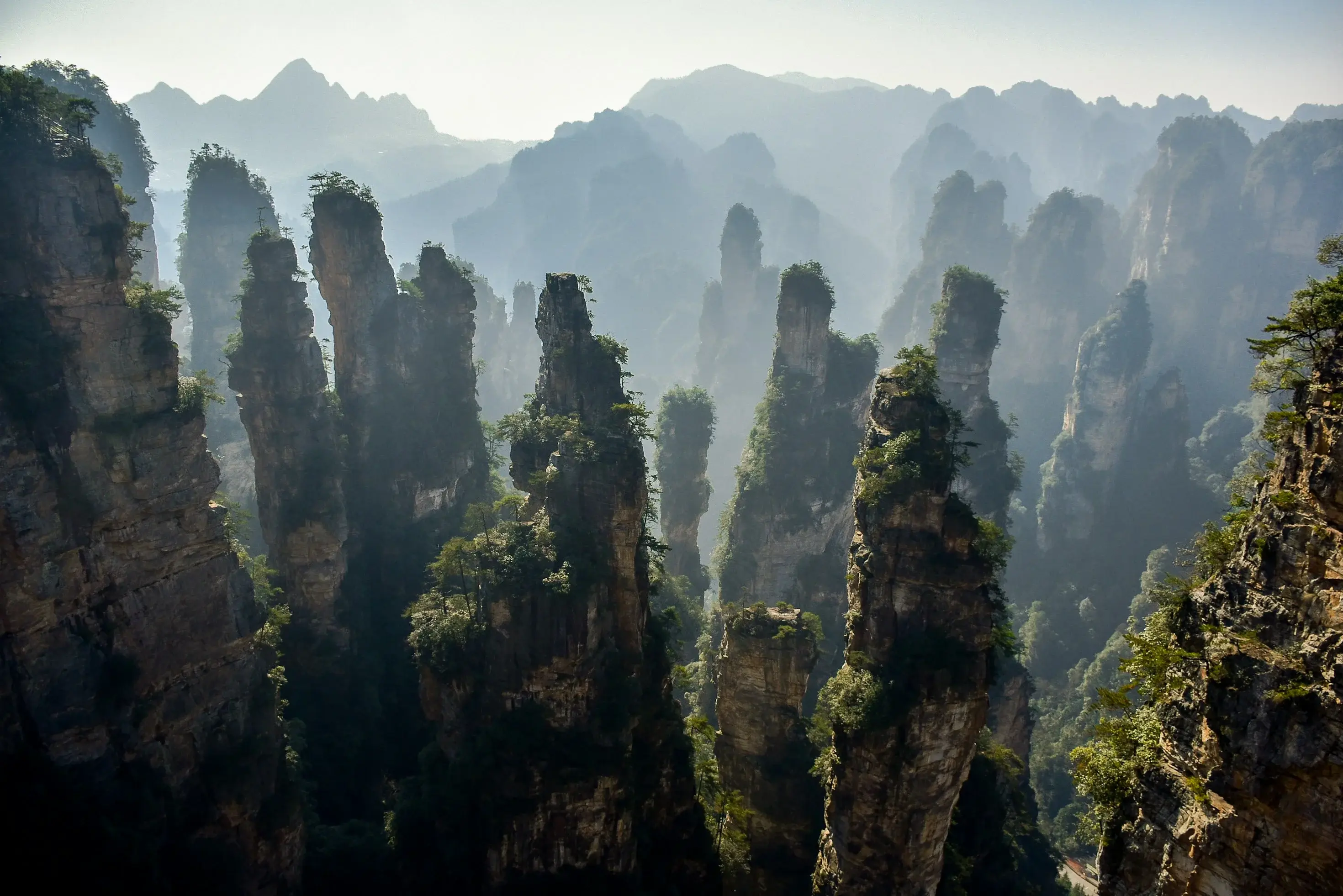





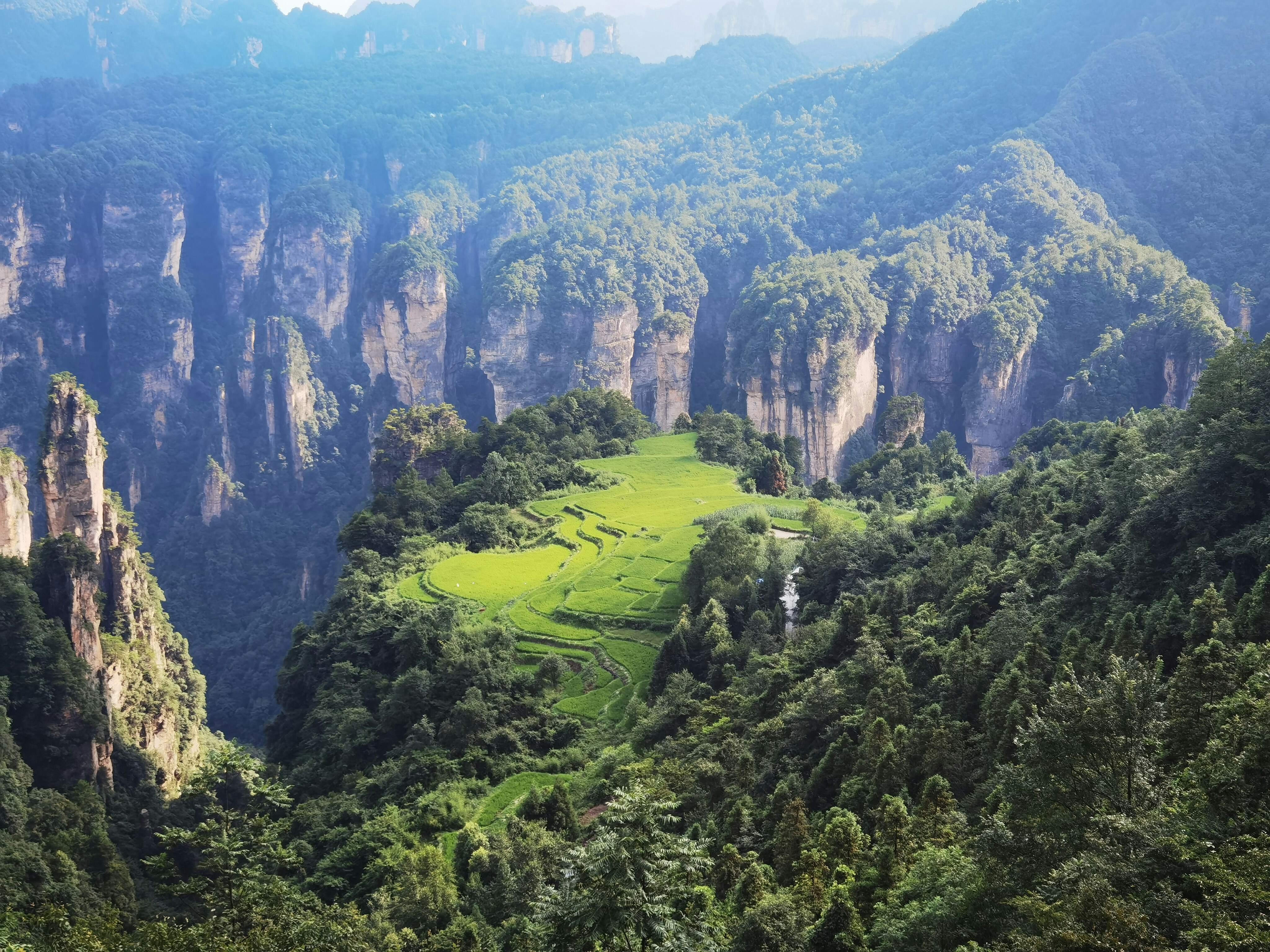
 18 Tage China, von Anfang bis Ende Peking → Xi'an → Chuanzhusi → Jiuzhaigou → Chengdu → Zhangjiajie → Guilin → Yangshuo → Shenzhen ab $6,360 Route ansehen
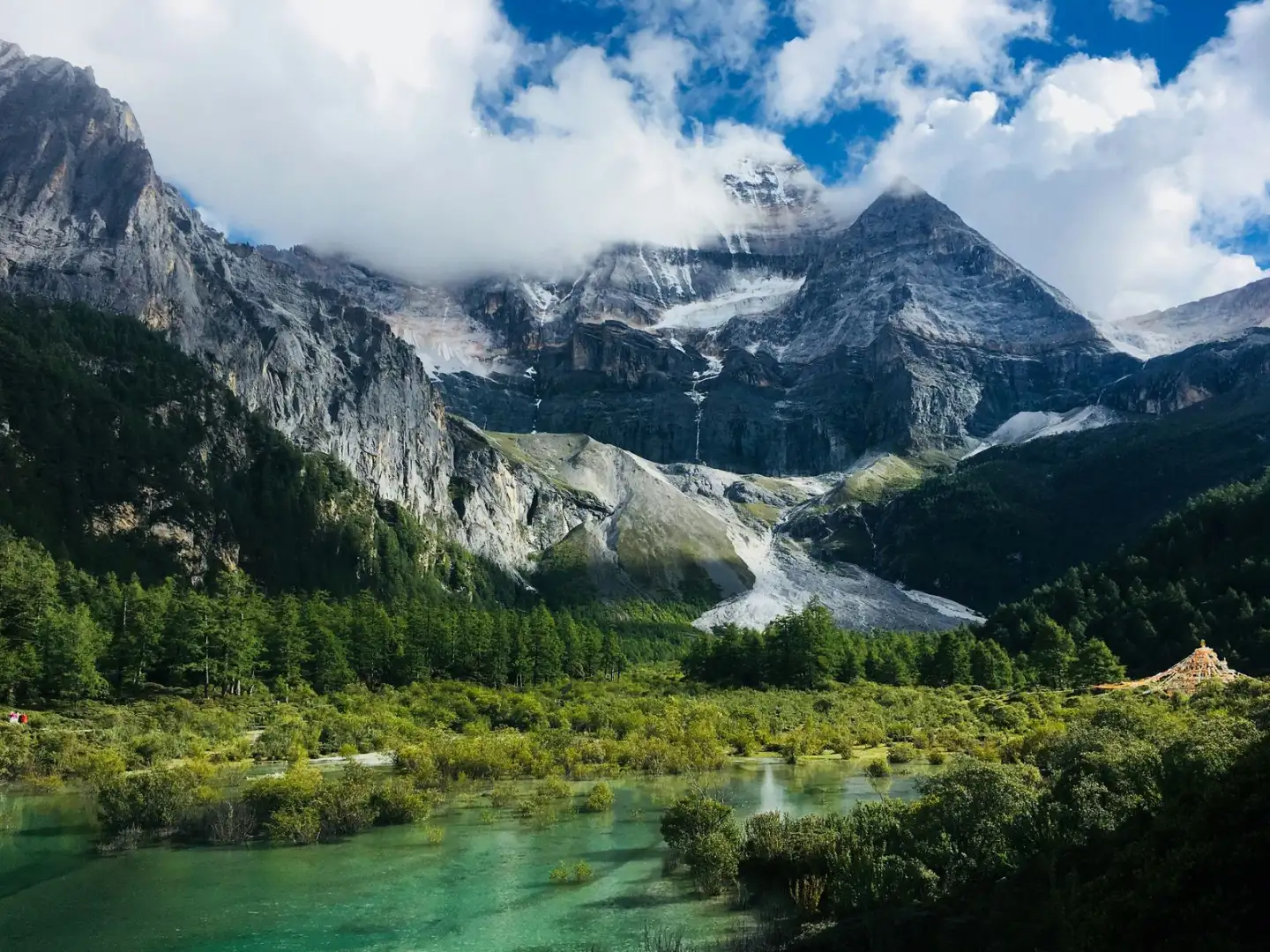
 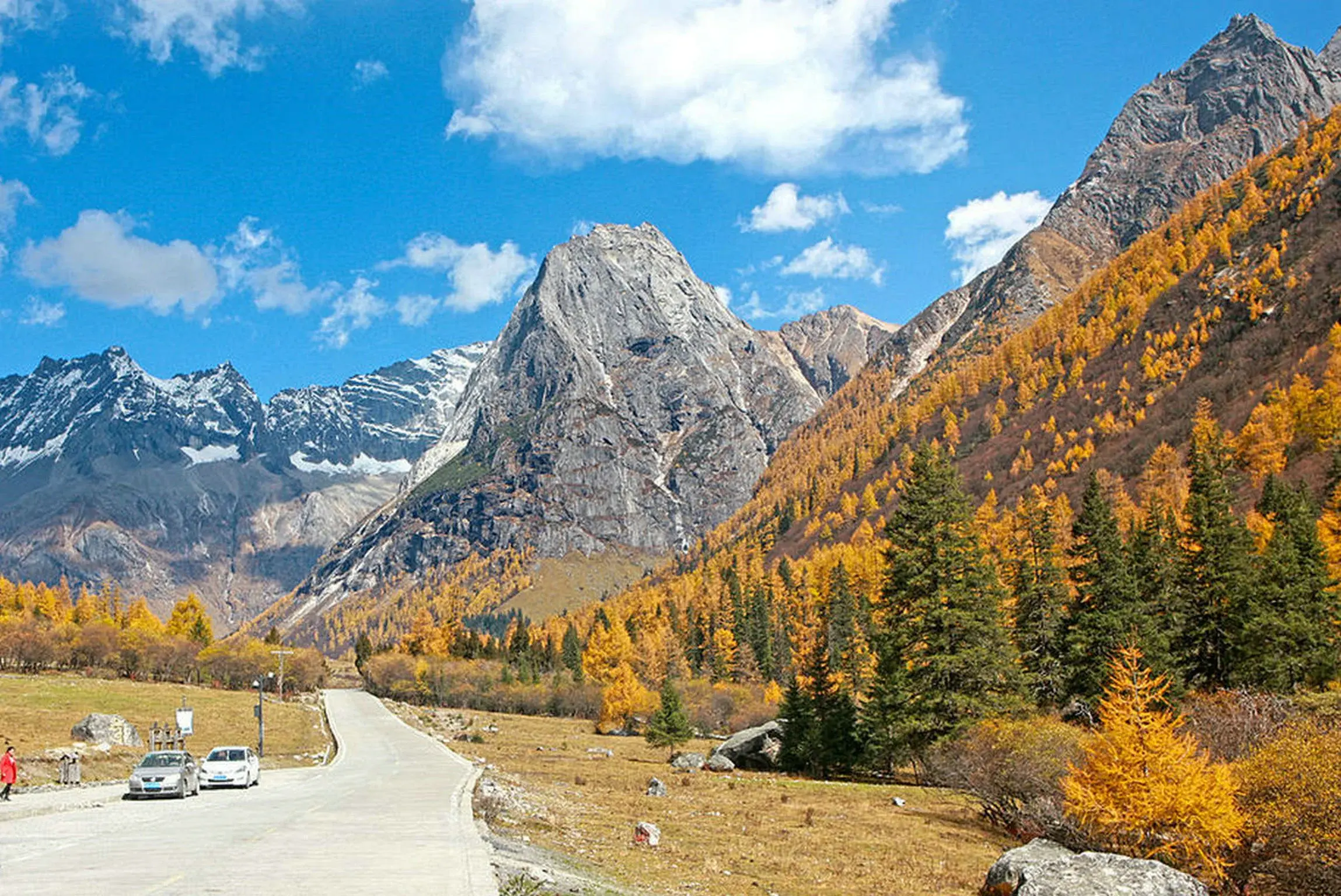 3 Tage 3-tägige Tour: Vier-Gipfel-Berg, Biepagou und Dagu-Eisberg Chengdu ab $1,599 Route ansehen
  10 Tage Abschiedsessen Guangzhou → Shantou → Jieyang → Chaozhou → Quanzhou → Zhangzhou → Xiamen ab $4,000 Route ansehen
 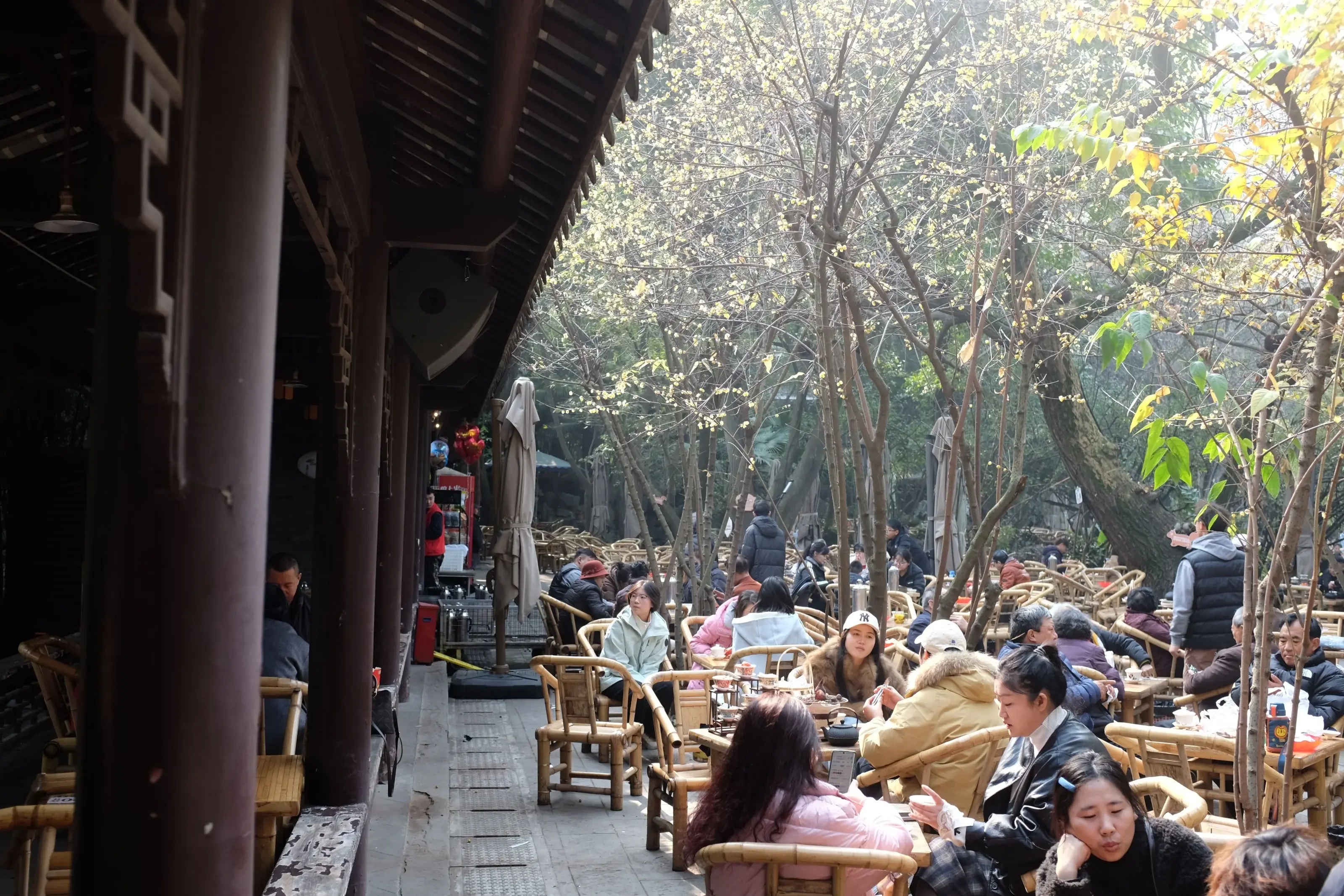 12 Tage Achse bis Küchentisch Peking → Xi'an → Chengdu ab $4,060 Route ansehen
 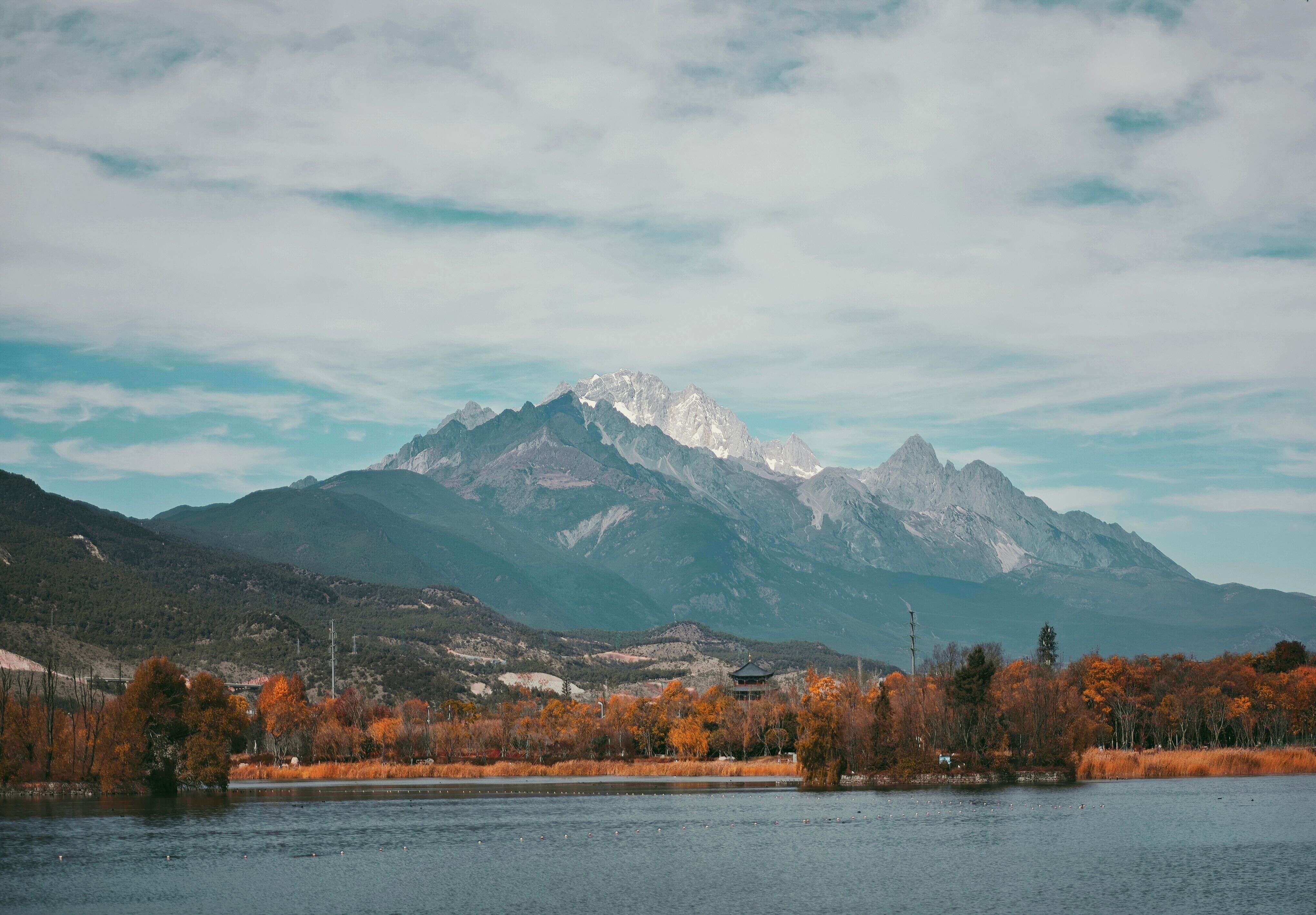 12 Tage China auf zwei Höhen Kunming → Lijiang → Shangri-La → Tacheng → Chengdu → Dujiangyan → Leshan ab $3,900 Route ansehen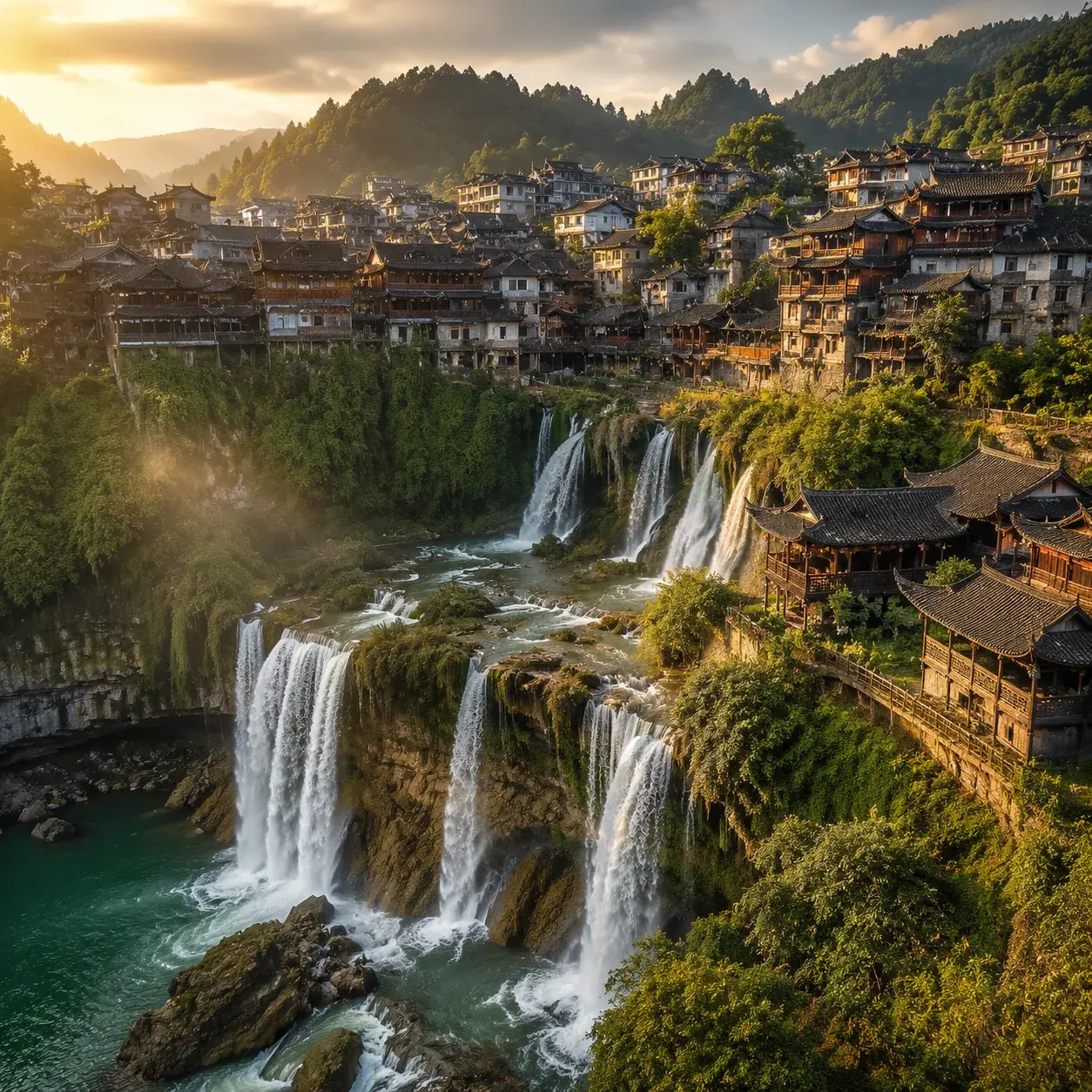
Ist die antike Furong-Dörfer einen Besuch wert? Die "Dorf am Wasserfall", und wie man es zwischen Zhangjiajie und Fenghuang einplant.
Die antike Furong-Dörfer ist einen Besuch wert – aber als Halbtages- oder Übernachtungsstopp zwischen Zhangjiajie und Fenghuang, nicht als eigenständige Destination. Dieses 2.000 Jahre alte Tujia-Dorf in West-Hunan ist auf Klippen über einem 60 Meter hohen Wasserfall gebaut, und seit der Eröffnung der Hochgeschwindigkeitsbahn liegt es ungefähr 25–30 Minuten von Zhangjiajie entfernt, sodass Sie es fast kostenlos hinzufügen können.
Das "fast kostenlos" ist der ganze Grund, warum diese Seite existiert. Die meisten Reisenden, die nach antiker Furong-Dörfer suchen, haben bereits ein Foto des Wasserfalls gesehen – usually bei der Planung von Zhangjiajie und den Avatar-Bergen – und entscheiden sich nun für eine einzige Frage: Ist diese Umweg wertvoll, und wie passe ich es ein? Dies ist ein vertrauenswürdiger Planungsleitfaden, kein Betreiber- oder Ticketanbieter-Listing. Hier erhalten Sie ein ehrliches Werturteil, die zwei entscheidenden Timing-Fakten (wann der Wasserfall voll läuft, wann die Nachtlichter eingeschaltet werden), einen Hinweis auf Tagesausflug vs. Übernachtung und das Stück, das keine englische Seite so klar darstellt – wie man Zhangjiajie → Furong → Fenghuang zu einer westhunanschen Schleife ohne Rückweg verknüpft.
Wichtige Erkenntnisse
- Lohnt sich als Zwischenstopp, nicht als eigenständige Reise. Furong ist klein — in 2–3 Stunden zu Fuß durchquert — und wird daher günstig zwischen Zhangjiajie und Fenghuang angefahren, nicht eigens angesteuert.
- Der Wasserfall ist saisonal. Er ist am stärksten in den Regenmonaten (ca. Juni–September); in trockenen Monaten kann er zu einem dünnen Rinnsal abschmelzen, was die größte Enttäuschungsquelle ist.
- Nur übernachten, wenn die beleuchtete Stadt der Grund Ihrer Reise ist. Die Beleuchtung schaltet sich gegen 19:30 Uhr ein (lokal prüfen), nachdem die Tagesreisenden bereits gegangen sind — das ist der einzige echte Grund für einen Übernachtungsaufenthalt.
- Machen Sie es in der Mitte der Route. Die intelligente Reihenfolge ist Zhangjiajie → Furong (Übernachtung) → Fenghuang, alle auf derselben Hochgeschwindigkeitslinie, sodass Sie nie zurückfahren müssen.
- Ein echter Fallstrick: Der direkte Bus von Zhangjiajie nach Fenghuang wurde 2018 eingestellt (Wettbewerberquelle, prüfen) — nutzen Sie stattdessen den Zug oder ein privates Auto.
- Alle Fahrpreise, Ticketpreise, Fahrpläne und Öffnungszeiten unten sind indikativ und mit `待实地核实` gekennzeichnet — bestätigen Sie bitte vor Ihrer Reise die offiziellen Quellen/12306. Dies ist eine Logistikseite, auf der Sie handeln.
—
Ist Furong Ancient Town einen Besuch wert? (Die ehrliche Bewertung)
Ja — als Halbtages- oder Übernachtungsstopp zwischen Zhangjiajie und Fenghuang, nicht als Ziel, für das man das Land durchquert. Furong Zhen ist klein genug, um in 2–3 Stunden zu Fuß erkundet zu werden; sein Wert liegt also nicht darin, einen ganzen Tag zu füllen,而在于 der beeindruckende Wasserfallsetting und die beleuchtete Nachtstadt, die quasi gratis dazu kommen, da der Hochgeschwindigkeitszug von Zhangjiajie so kurz ist. Wenn Sie bereits Zhangjiajie und/oder Fenghuang besuchen, kostet Sie die Ergänzung von Furong wenig und bescheren Ihnen eine der fotogensten kleinen Städte in Hunan.
Hier ist der Kompromiss, den keine Betreiberseite offen darstellt, weil „ein kurzer Ausflug“ weniger überzeugend klingt als „muss gesehen werden“:
| Besuchen Sie Furong, wenn… | Lassen Sie es aus oder verkürzen Sie es, wenn… |
|---|---|
| Sie bereits Zhangjiajie und/oder Fenghuang reisen – der Zug macht es zu einem fast kostenlosen Zusatz | Sie bei einer nur auf Zhangjiajie ausgerichteten Reise keine Flexibilität haben und kein Interesse an den Städten |
| Sie eine ruhigere, authentischere Stadt als das überfüllte Fenghuang suchen | Sie in einem trockenen Monat reisen, dann der Wasserfall nur noch ein Rinnsal ist |
| Der Wasserfall in der Saison ist und Sie die Nachtlichte erleben wollen | Sie nur den Wasserfall sehen wollen, er außerhalb der Saison ist und Sie die Route nicht ändern können |
Die sich daraus ergebende Entscheidung ist wo Furong in Ihrer Reise steht – dafür sorgt die Schleisentabelle weiter unten. Wenn Sie es mit anderen historischen Städten vergleichen möchten, sehen Sie im Vergleich in unserem Leitfaden  den besten alten Städten Chinas.
Was ist die Furong-Antike Stadt? Der Wasserfall, die Tujia und die "Hibiskus-Stadt"
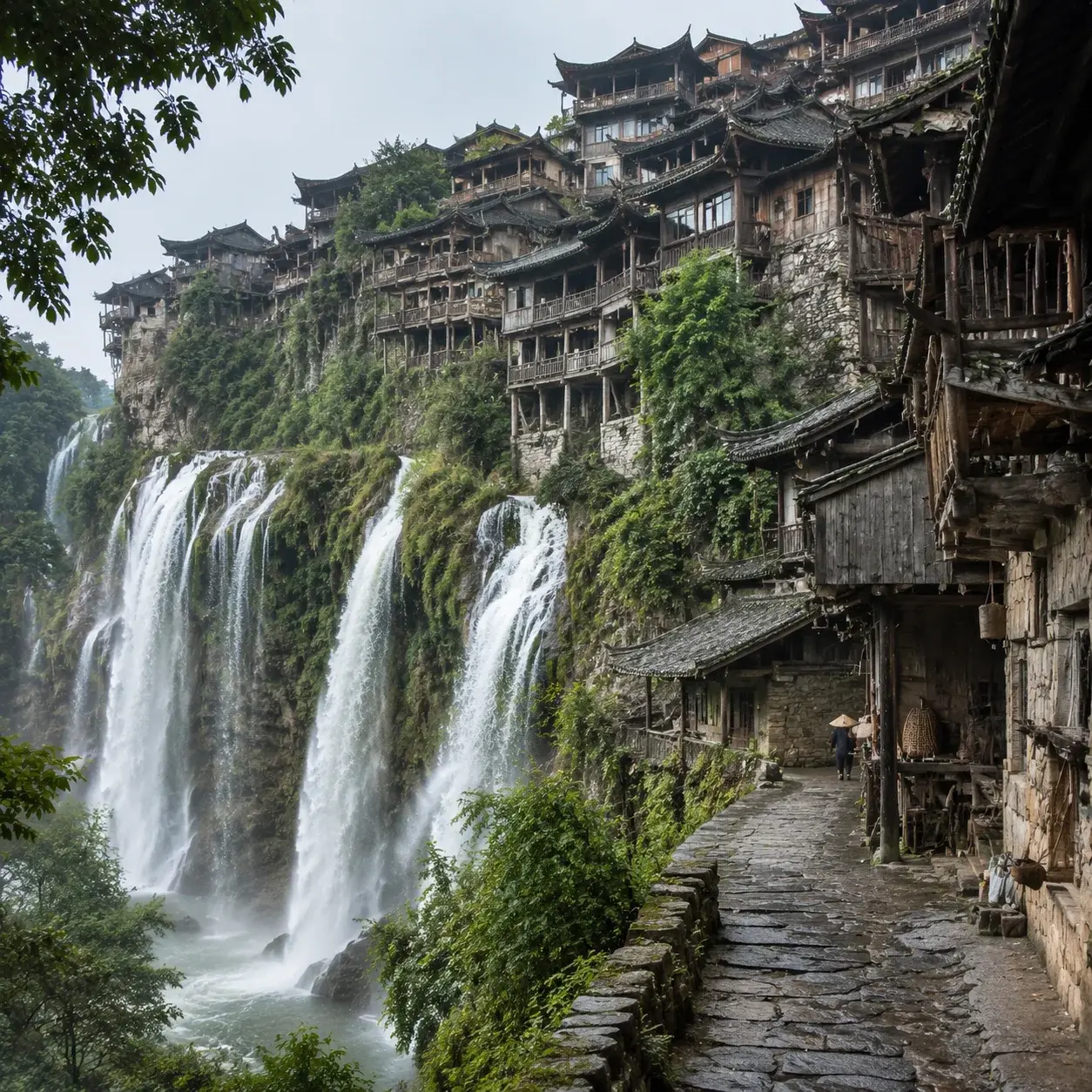
Die Furong-Antike Stadt (Furong Zhen) ist eine 2000 Jahre alte Tujia-Niederlassung im Landkreis Yongshun im westlichen Hunan, auf den Klippen über einem Wasserfall gebaut, der in den You River mündet – weshalb sie auch als "die am Wasserfall hängende Stadt" bezeichnet wird. Sie liegt in der Autonomen Präfektur Xiangxi Tujia und Miao (Wikipedia, "Furong, Yongshun County", verifiziert am 2026-07-04), und sie liegt ungefähr auf halben Weg zwischen Zhangjiajie und Fenghuang, was genau macht, dass es so einfach ist, sie in eine Reise einzufügen.
Einige Dinge, die Sie wissen sollten, bevor Sie gehen:
- Der Name hat eine Geschichte. Die Stadt hieß ursprünglich Wangcun. Sie wurde in Furong („Hibiskus“) umbenannt, nachdem der preisgekrönte Film aus dem Jahr 1966 Hibiscus Town (芙蓉镇), inszeniert von Xie Jin, hier gedreht wurde (travelchinaguide / Wikipedia, verifiziert am 04.07.2026). Die alten Filmstraßen sind noch immer Teil des Rundgangs.
- Der Wasserfall ist der Hauptattraktion. Er ist ungefähr 60 Meter hoch und 40 Meter breit – der größte im westlichen Hunan (chinadiscovery / travelchinaguide, verifiziert am 04.07.2026) – und ein Steinweg führt Sie hinter den Wasserfall, was für die meisten Besucher der unvergessliche Moment ist.
- Es ist eine lebendige Tujia-Stadt, einst Sitz der lokalen Tusi-Herrschaft, heute Heimat von Tujia- und Han-Bewohnern auf steinernen Gassen, gesäumt von hölzernen Pfahlhäusern.
Diese Mischung – eine authentische Minderheitsstadt, ein berühmter Drehort und ein großer Wasserfall mitten drin – ist der Grund, warum Furong mehr als nur ein Foto-Stop ist.
Wann ist der Wasserfall voll und wann leuchten die Nachtlichter?
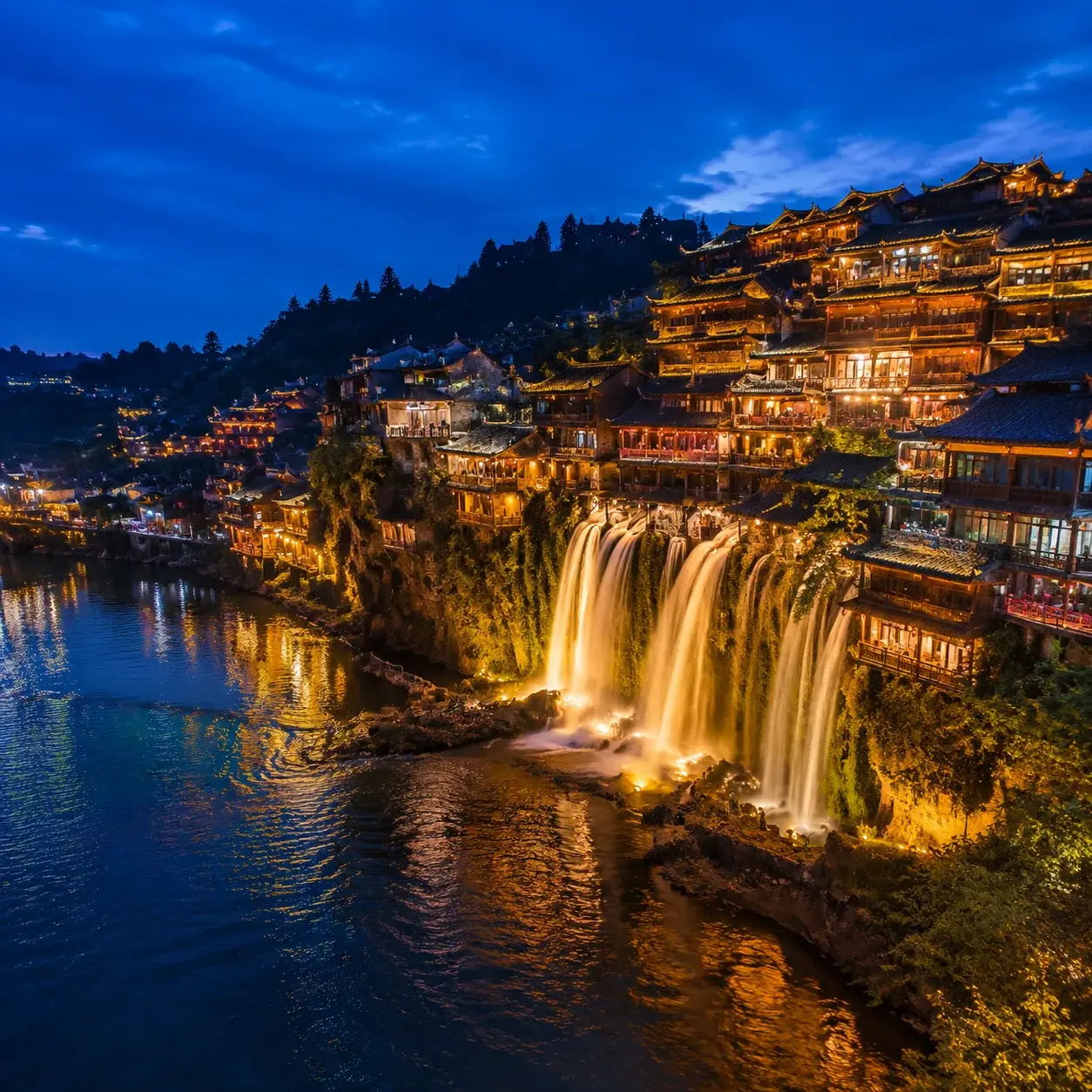
Zwei Timing-Fakten bestimmen oder zerstören einen Besuch in Furong: Der Wasserfall ist am stärksten während der Regenzeit (ungefähr Juni–September), und die Beleuchtung des Towns schaltet sich gegen 19:30 Uhr ein. Falsche Jahreszeit bedeutet, dass der "60-Meter-Wasserfall" nur ein dünner Streifen wird; falsche Uhrzeit bedeutet, dass Sie die beleuchtete Stadt ganz verpassen. Wettbewerber streuen diese Fakten über ihre Seiten; hier sind sie als einer Planer zusammengefasst.
| Was zu timingen | Wann (indikativ, `待实地核实`) | Warum es Ihre Reise entscheidet |
|---|---|---|
| Wasserfall bei voller Durchfluss | ~Juni–September (Regenzeit); eine Quelle sagt April–November | Der Wasserfall ist die Hauptattraktion; in trockenen Monaten kann er zu einem Rinnsal schrumpfen |
| Nachtbeleuchtung an | Ab ca. 19:30 Uhr (Wettbewerberfenster ca. 19:30–22:30 Uhr) | Die beleuchtete Stadt ist der einzige Grund, übernachtet zu bleiben statt nur einen Tagesausflug zu machen |
| Goldene / blaue Stunde für Fotos | ca. 18:00–19:00 Uhr | Beste Beleuchtung für die Stadt kurz bevor die Lichter eingeschaltet werden |
| Weniger Menschen | Werktage, frühe Morgen, Übergangsmonate | Furong ist das ganze Jahr ruhiger als Fenghuang; leere Steinstraßen am Morgengrauz |
Die eine Zeile zum Lesen: Kommen Sie im Sommer (Juni–September), wenn Sie den vollen Wasserfall sehen wollen, und bleiben Sie mindestens eine Nacht, wenn die beleuchtete Stadt der Grund Ihres Besuchs ist. Der größte vermeidbare Fehler ist eine Trockenmonatsreise für den Wasserfall – prüfen Sie die Saison gegen Ihren Reisemonat, bevor Sie sich verpflichten. Jede hier angegebene Zahl ist indikativ und mit `待实地核实` gekennzeichnet; insbesondere die Saison und die Lichtzeit variieren von Jahr zu Jahr und je nach Niederschlag.
Tagesausflug oder Übernachtung? Wie viel Zeit sollte man in Furong einplanen
Die Stadt selbst lässt sich in etwa 2–3 Stunden zu Fuß durchqueren, sodass ein Tagesausflug von Zhangjiajie aus ausreicht, wenn man sie nur bei Tag sehen möchte – aber man sollte übernachten, wenn die beleuchtete Nachtansicht das Ziel ist oder wenn man Furong als Schlafstopp auf dem Weg nach Fenghuang nutzt. Der entscheidende Faktor ist das Licht: Tagesreisende sind usually bereits am Nachmittag weg, Stunden bevor die Laternen angehen.
Machen Sie es zum Tagesausflug, wenn: Sie nur den Wasserfall und die steinigen Gassen bei Tag sehen wollen, wenig Zeit haben und in Zhangjiajie verankert sind. Ein gängiger Tagesablauf (von Wettbewerbern übernommen, überprüfen) wäre, Zhangjiajie um 9:00 Uhr zu verlassen und gegen 15:30 Uhr zurückzukehren – genug Zeit für den Wasserfall, den Pfad hinter dem Wasserfall und Mittagessen.
Übernachten Sie, wenn: die beleuchtete Stadt bei Nacht der Grund Ihres Besuchs ist, Sie ein Fotograf sind, der die blaue Stunde und die leeren Straßen am Morgen sucht, oder – die klügste Begründung – Sie die gesamte West-Hunan-Runde absolvieren und Furong Ihr logischer Schlafstopp zwischen Zhangjiajie und Fenghuang ist. Hier zu übernachten löst auch das Problem „Abendlicht ist zu spät für Kinder": Sie müssen nicht mehr einem Zug hinterherlaufen, also ist ein später Abend völlig in Ordnung. Am nächsten Morgen fahren Sie einfach weiter zu Altstadt Fenghuang.
Wie man Furong mit Zhangjiajie und Fenghuang kombinieren kann (Die West-Hunan-Runde)
Die klassische West-Hunan-Runde führt von Zhangjiajie über Furong nach Fenghuang; alle drei Orte liegen auf derselben Hochgeschwindigkeitsstrecke — die Fahrt von Zhangjiajie West nach Furong dauert etwa 23–30 Minuten, und von Furong geht es in dieselbe Richtung weiter nach Fenghuang, sodass Sie alle drei Ziele in einer Reise besuchen können, ohne jemals umzukehren. Die Hochgeschwindigkeitsstrecke Zhangjiajie–Jishou–Huaihua, die im Dezember 2021 eröffnet wurde, brachte Zhangjiajie West, Furong Town und Fenghuang Ancient Town auf eine einzige Route (China Railway / Wikipedia, verifiziert am 04.07.2026). So wurde aus einem Dreieck eine gerade Linie.
Dies ist der Baustein, den kein Wettbewerber in einen einzigen Plan integriert. Hier er ist – jede Teilstrecke mit ihrer Entfernung, der Eisenbahnoption, der Straßenoption und dem, wofür sie jeweils am besten geeignet ist. Jede Zeit und jeder Fahrpreis stammt von Wettbewerbern oder Suchmaschinen und ist mit `待实地核实 / vor Ort überprüfen (2026)` gekennzeichnet:
| Etappe | Strecke (überprüfen) | Hochgeschwindigkeitszug (überprüfen) | Privater Bus / Bus (überprüfen) | Beste für |
|---|---|---|---|---|
| Zhangjiajie → Furong | ~80 km | ~23–30 min; dann ~6 km / ~15 Min. Taxi vom Bahnhof Furong Town zum Tor | Auto ~2 h; Bus ~1,5 h, ~¥40 (wenige Abfahrten) | Schnellste Ergänzung; einfacher Tagesausflug oder erste Runde |
| Furong → Fenghuang | ~100 km | ~40 Min. Schnellzug (+ Umstieg vom Bahnhof Fenghuang in die Altstadt) | Auto ~1,5 h Tür-zu-Tür | Weiterreise in dieselbe Richtung, keine Rückfahrt |
| Zhangjiajie → Fenghuang (direkt, ohne Furong) | ~230 km | ~60 Min., ~¥93 | Direkter Bus seit 2018 eingestellt; privates Auto ~4 h | Nur wenn Sie Furong überspringen — nicht empfohlen, Sie würden eine einfache Ergänzung verpassen |
Die Reihenfolgeregelung: Machen Sie Furong in der Mitte — zuerst Zhangjiajie, dann Furong (hier übernachten), zuletzt Fenghuang — damit Sie immer in eine Richtung reisen und nie zurückfahren, was der größte Zeitfresser bei einer Selbstfahrer-Tour durch West-Hunan ist. Überten Sie in Furong, um die Beleuchtung gegen 19:30 Uhr zu erleben, und fahren Sie morgens weiter nach Fenghuang.
Hinweis zur Falle: Der direkte Bus von Zhangjiajie nach Fenghuang wurde 2018 eingestellt (discoverzhangjiajie, Wettbewerberquelle, überprüfen), sodass Sie bei einem Umweg durch Furong entweder den Zug oder ein privates Auto mit ca. 4 Stunden Fahrzeit haben — ein weiterer Grund, warum die Route mitten im Loop besser funktioniert. Für das Bergende des Loops siehe unseren Zhangjiajie- und Avatar-Berg-Führer; für das andere Ende setzen Sie den Loop nach Fenghuang fort.
Ankunft und Einreise — Züge, Tickets und Öffnungszeiten
Der nächstgelegene Bahnhof ist Zhangjiajie West; Sie kommen am Bahnhof Furong Town (Furongzhen) an, der etwa 6 km — ca. 15 Minuten mit dem Taxi — vom Eingang des Naturschutzgebiets entfernt liegt, nicht direkt in der Stadt selbst. Letzter Taxihop wird von vielen Routen vergessen. Die Fahrt von Zhangjiajie West nach Furong Town dauert ca. 23–30 Minuten mit mehreren Zügen pro Tag (chinahighlights / chinadiscovery, überprüft am 04.07.2026; genaue Fahrpläne und Tarife `zu überprüfen`).
Praktische Grundlagen, alle indikativ und mit `zu überprüfen` gekennzeichnet:
- Eintritt: Ein Eintrittskarte für das Gebiet kostet ca. ¥108 (von Wettbewerben bezogen; manche sagen, sie sei 2–3 Tage gültig — überprüfen). Furong ist eine zu Fuß erkaltbare alte Stadt, die am besten langsam zu Fuß erkundet wird.
- Vom Bahnhof: Veranschlagen Sie ein Taxi im ~¥-Bereich für die ca. 6 km / ca. 15 Minuten bis zum Tor; es gibt keinen Bahnhof in der Stadt.
- Busalternative: Vom zentralen Busbahnhof von Zhangjiajie aus ca. 1,5 Stunden und ca. ¥40 mit begrenzten Abfahrten (überprüfen) — langsamer und weniger flexibel als der Zug, hauptsächlich als Notlösung nützlich.
- Kostümvermietung (beliebt für Fotos) kostet nach Angaben von Wettbewerbern ca. ¥50/Stunde — *überprüfen Sie den Satz und die Kaution vor Ort).
Wie Furong im Vergleich zu anderen historischen Städten und Wasserstädten in China abschneidet, erfahren Sie in unserem Leitfaden zu den besten alten Städten Chinas.
Ist Furong Alte Stadt gut für Familien und Kinder?
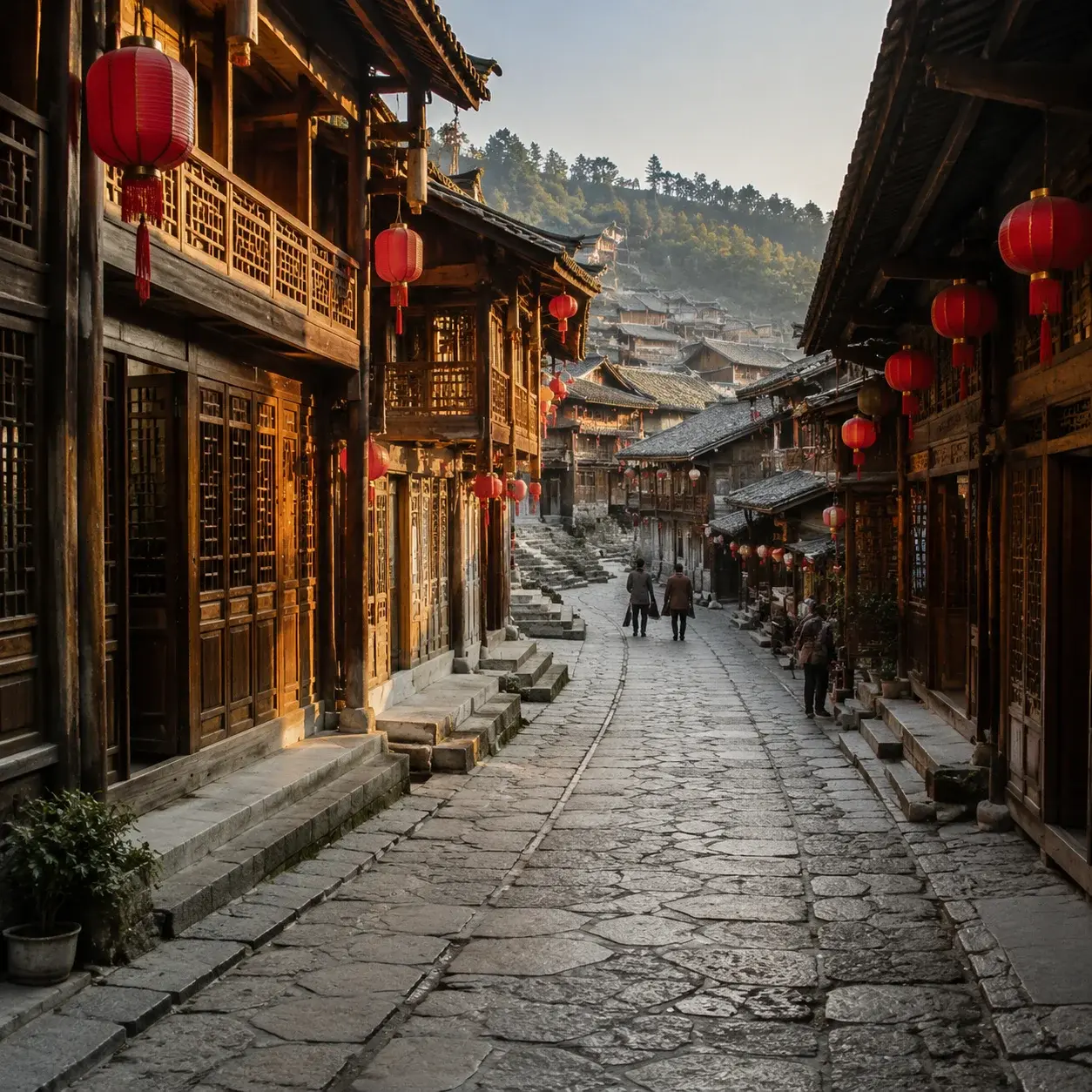
Ja — Furong ist ein guter Familienstopp: Es ist kompiz, weitgehend autofall und der Wasserfall (besonders der Weg hinter dem Wasserfall) ist ein echter Kindertopf. Es ist die Art von Ort, an dem Kinder sicher auf den Steinstraßen laufen können, während Erwachsene die景色 genießen, und kein Wettbewerber hat das jemals erwähnt.
Die ehrlichen Warnungen sind jedoch wichtig. Es gibt steine Treppen und Klippenwege nahe des Wasserfalls – halten Sie die Kleinen fest – und der Sprühnebel um den Wasserfall macht die Steine glatt, daher sind Schuhe mit gutem Grip hilfreich. Der einzige echte Reibungspunkt ist die Timing: der Zauber liegt in der Nachtbeleuchtung ab ca. 19:30 Uhr, was für kleine Kinder spät ist. Das spricht eigentlich dafür, übernachtet statt als hastiger Tagesausflug zu bleiben – Sie können die beleuchtete Stadt sehen, ohne gegen den letzten Zug anzulaufen, und kleine Kinder müssen nicht umständlich umsteigen. (Überprüfen Sie vor Ort die speziellen Einrichtungen – Rollstuhlzugang, Wickelraum – diese sind nicht gut dokumentiert.)
Häufig gestellte Fragen
Ist Furong Ancient Town einen Besuch wert? Ja, aber eher als halbtägiger oder Übernachtungsstopp zwischen Zhangjiajie und Fenghuang als eigenständige Reise. Es ist klein (in 2–3 Stunden zu Fuß durchstreifen), sein Wert liegt also an der Wasserfallszene und den günstigen Nachtlichtern dank des schnellen Zugs – kein Ziel, das eine lange Umweg lohnt.
Wie komme ich von Zhangjiajie nach Furong Ancient Town? Mit dem Hochgeschwindigkeitszug von Zhangjiajie West nach Furong Town Station – ca. 23–30 Minuten (überprüfen). Der Bahnhof ist etwa 6 km (~15 Minuten mit Taxi) vom Eingang des Naturschutzgebiets entfernt, planen Sie diese letzte Teilstrecke ein. Ein langsamer Bus (~1,5 Stunden, begrenzte Abfahrten) fährt auch vom zentralen Busbahnhof von Zhangjiajie aus.
Wann ist der Furong-Wasserfall am stärksten? Etwa von Juni bis September, während der Regenzeit, ist der Wasserfall am stärksten (Wettbewerbsquelle, verifizieren). In trockenen Monaten — Winter und Frühling — kann er zu einem dünnen Rinnsal schrumpfen, planen Sie also einen besuch, der sich auf den Wasserfall konzentriert, lieber für den Sommer als für die Nebensaison.
Wann leuchten die Nachtlichter im Furong auf? Die Beleuchtung des Towns schaltet sich typischerweise gegen 19:30 Uhr ein (Wettbewerbsfenster ~19:30–22:30 Uhr, lokal verifizieren), mit goldenem und blauem Licht für Fotos zwischen 18:00 und 19:00 Uhr. Da die Lichter eingeschaltet werden, nachdem die meisten Tagesausflügler gegangen sind, ist das Hauptgrund, übernachtend zu bleiben.
Wie lange sollte ich in der Alten Stadt Furong verbringen? Die Stadt selbst dauert etwa 2–3 Stunden zu Fuß. Ein Tagesbesuch oder eine Tagesreise von Zhangjiajie reicht aus, wenn Sie nur den Wasserfall und die Gassen sehen möchten; übernachten Sie eine Nacht, wenn die beleuchtete Stadt das Ziel ist oder wenn Sie Furong als Übernachtungsstop auf dem Weg nach Fenghuang nutzen.
Kann ich Furong und Fenghuang in derselben Reise besuchen? Ja — sie liegen auf derselben Hochgeschwindigkeitslinie, so dass die natürliche Schleife Zhangjiajie → Furong → Fenghuang ohne Umwege ist. Furong nach Fenghuang dauert etwa 40 Minuten mit dem Schnellzug (verifizieren). Übernachten Sie in Furong für die Nachtlichte und fahren Sie am nächsten Morgen nach Fenghuang fort.
Wie viel kostet der Eintritt zum alten Dorf Furong? Der Eintrittspreis für das Gelände liegt bei etwa ¥108, und manche Quellen sagen, dass er 2–3 Tage lang gültig ist (Wettbewerbssource, überprüfen Sie vor Ihrer Reise gegen das offizielle Ticketbüro). Betrachten Sie dies als Richtwert — Eintrittspreise und Gültigkeitsdauer in chinesischen Sehenswürden ändern sich, also bestätigen Sie dies vor Ort oder über einen offiziellen Kanal.
Ist Furong Ancient Town gut für Kinder? Ja — es ist kompakt, weitgehend autofrei, und der Wasserfall (inklusive des Wegs dahinter) kommt bei Kindern gut an. Achten Sie auf steile Treppen, Klippenwege und den sprühenden Nebel nahe dem Wasserfall. Die späten (~19:30 Uhr) Nachtlichter sind mit Kindern einfacher, wenn Sie übernachten statt nur einen Tagesausflug machen.
Fazit
Furong Ancient Town belohnt Reisende, die es so betrachten, wie es ist: kein Highlight-Ziel, sondern eines der einfachsten, fotogensten Anhängsel im westlichen Hunan. Die drei Entscheidungen lassen sich wie folgt zusammenfassen: Es lohnt sich als Zwischenstopp zwischen Zhangjiajie und Fenghuang, nicht als eigenständige Reise; reisen Sie am besten im Sommer (Juni–September) für den vollen Wasserfall und bleiben Sie eine Nacht, um die ~19:30 Uhr Beleuchtung zu erleben; tun Sie es in der Mitte der Route — Zhangjiajie → Furong → Fenghuang — sodass Sie nie zurückkehren müssen. Familien sind willkommen, achten Sie aber auf die Treppen und den Sprühnebel. Prüfen Sie vor Planung der Reise die Saison des Wasserfalls gegen Ihren Reisemonat.
Wenn Sie lieber die gesamte West-Hunan-Runde von A bis Z geplant haben möchten – mit den richtigen Bahnabschnitten in der richtigen Reihenfolge, einem Übernachtungsaufenthalt in Furong abgestimmt auf die Nachtbeleuchtung und einem englischsprachigen Guide für die Tujia-Geschichte und den Hintergrund der Hibiscus Town – genau solche Reisen erstellt LyrikTrip. Kommen Sie wegen des Wasserfalls; bleiben Sie für die Stadt, die aufleuchtet, wenn alle anderen schon nach Hause gegangen sind.