





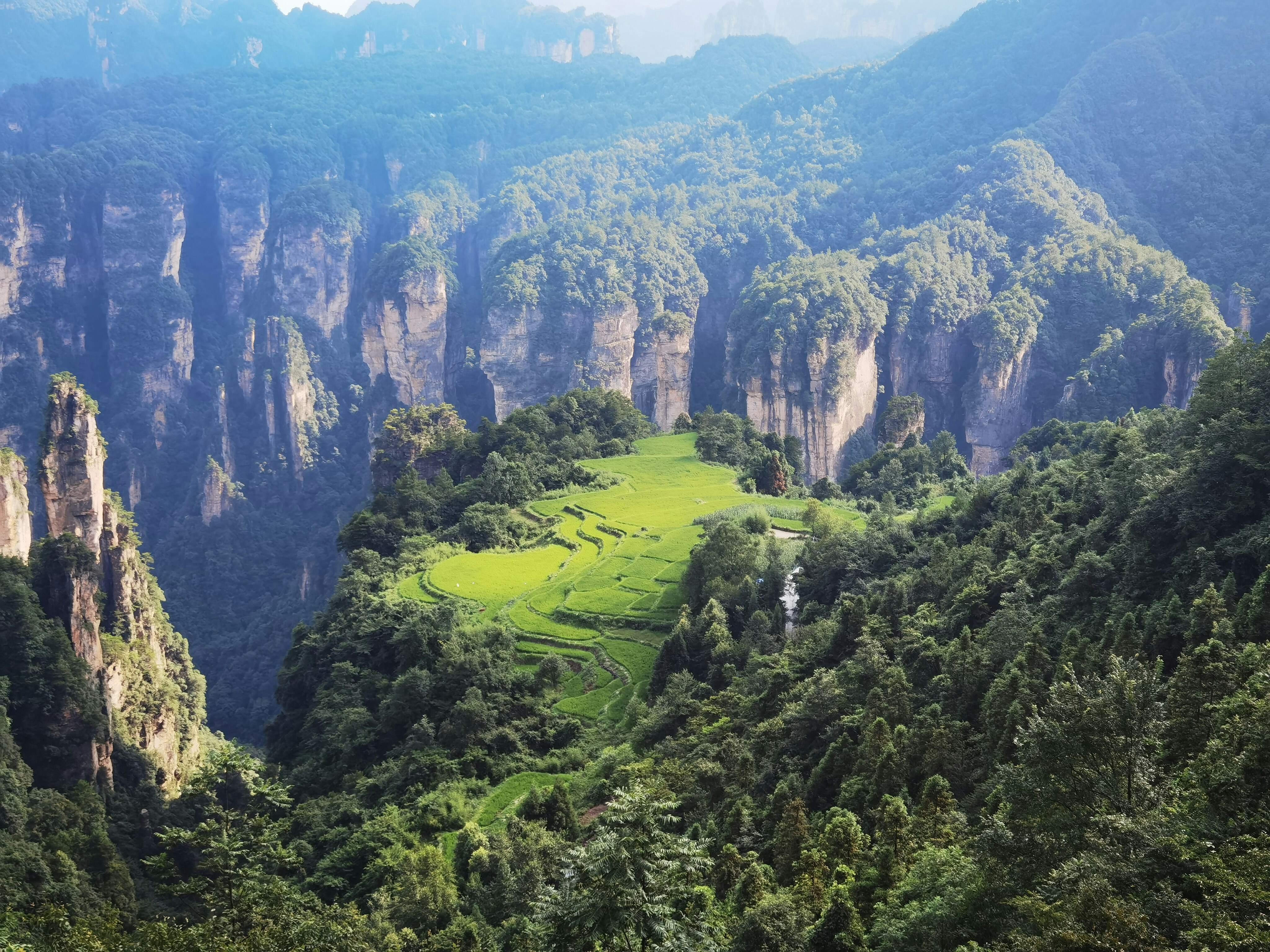
 18 Tage China, von Anfang bis Ende Peking → Xi'an → Chuanzhusi → Jiuzhaigou → Chengdu → Zhangjiajie → Guilin → Yangshuo → Shenzhen ab $6,360 Route ansehen
 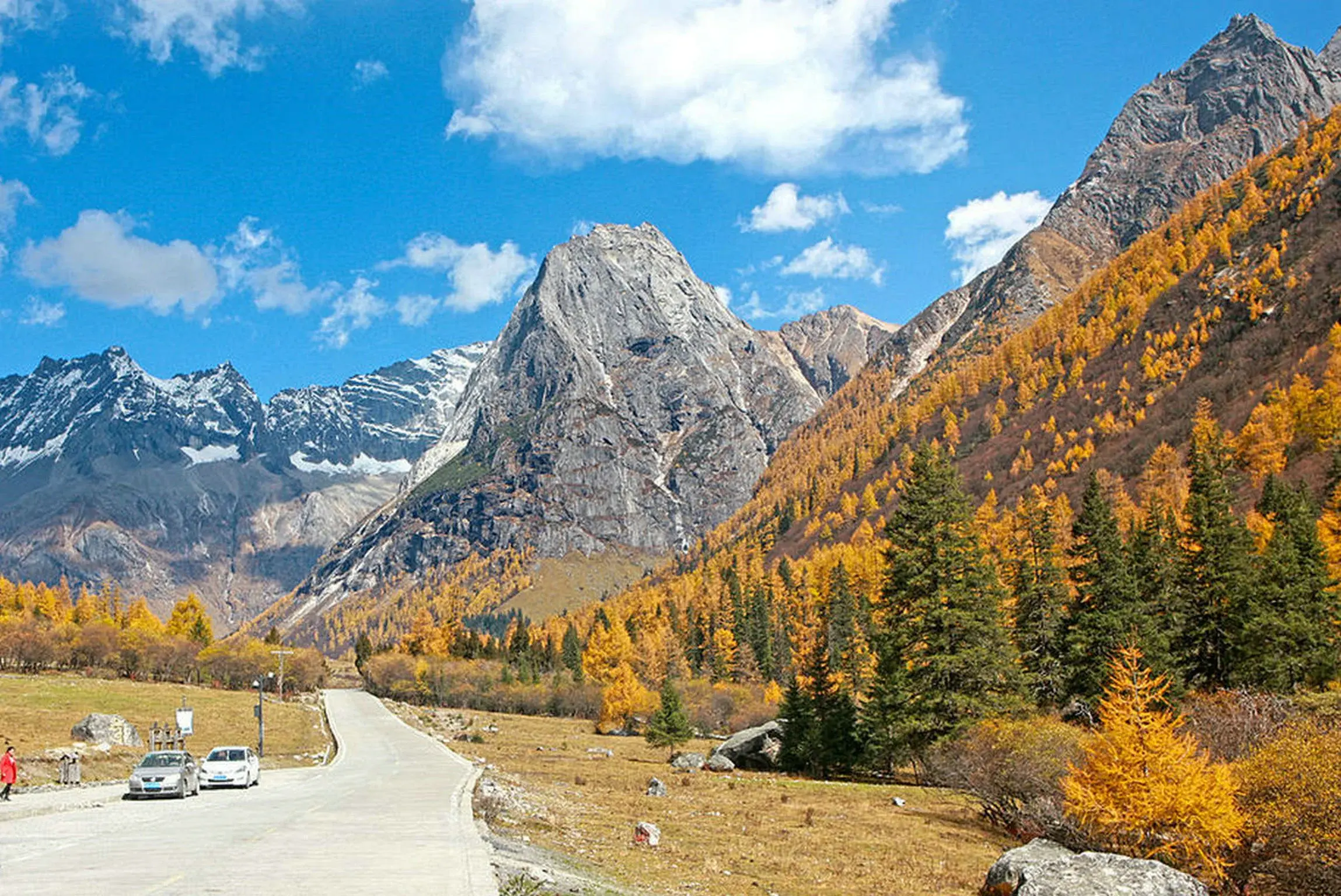 3 Tage 3-tägige Tour: Vier-Gipfel-Berg, Biepagou und Dagu-Eisberg Chengdu ab $1,599 Route ansehen
  10 Tage Abschiedsessen Guangzhou → Shantou → Jieyang → Chaozhou → Quanzhou → Zhangzhou → Xiamen ab $4,000 Route ansehen
 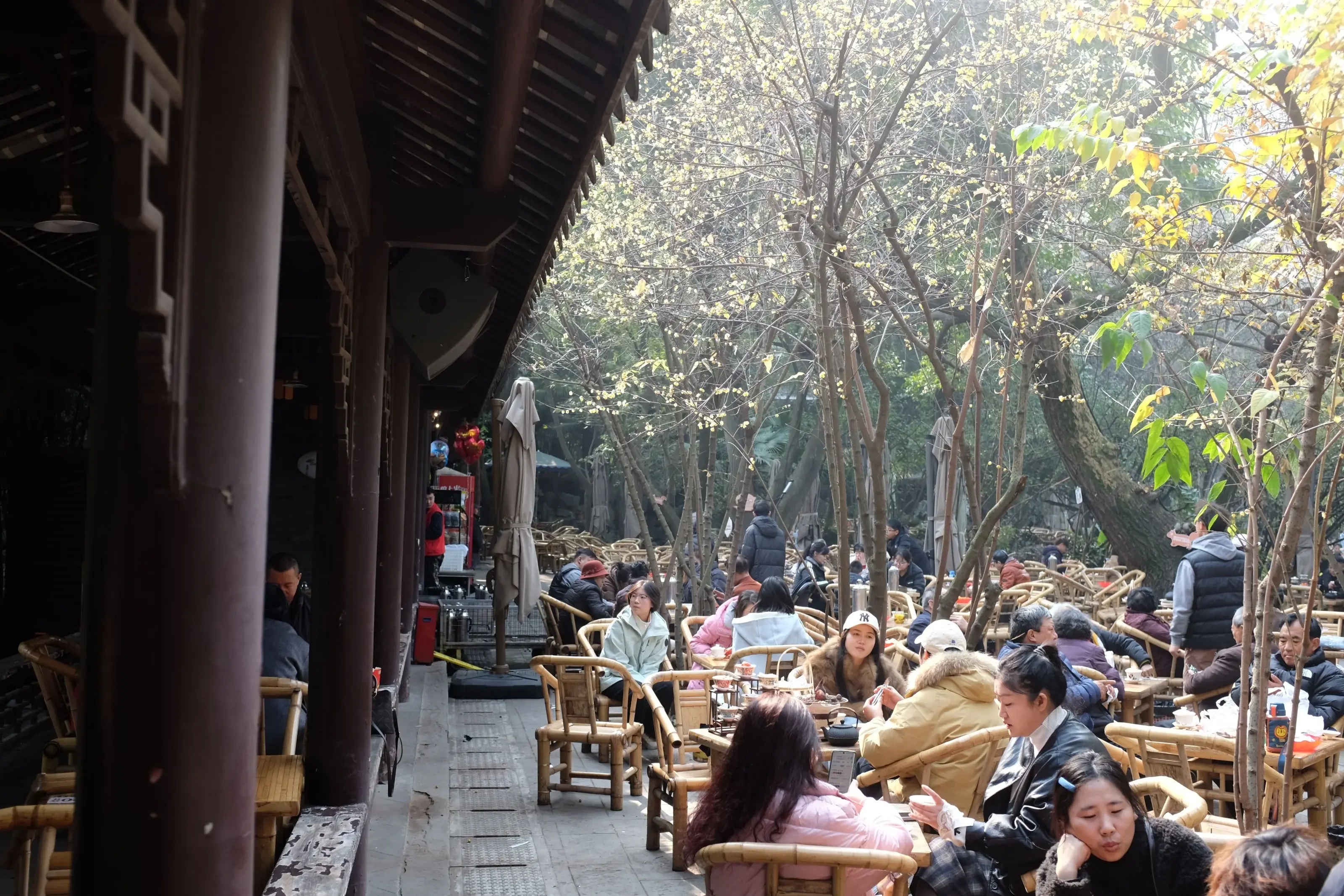 12 Tage Achse bis Küchentisch Peking → Xi'an → Chengdu ab $4,060 Route ansehen
  12 Tage China auf zwei Höhen Kunming → Lijiang → Shangri-La → Tacheng → Chengdu → Dujiangyan → Leshan ab $3,900 Route ansehen
Dali, Yunnan: Ist es einen Besuch wert und wie plant man eine Reise? (Leitfaden 2026)
Ja – Dali in Yunnan ist einen Besuch wert, wenn Sie eine ruhige, niedriggelegene, fahrradfreundliche Basis suchen und nicht nur ein einzelnes Postkartenbild. Auf einem Plateau zwischen dem Erhai-See und den Cangshan-Bergen in etwa 1.972 m Höhe belohnt Dali Reisende, die den See mit dem Fahrrad umrunden, durch Bai-Dörfer schlendern und in Cafés verweilen. Erstbesucher, die nach einem einzigen ikonischen Bild suchen, werden besser in Lijiang bedient.
Wir sind ein Reiseplanungsunternehmen und kein Ticketvertrieb, sodass Ihnen dieser Leitfaden ehrlich verrät, wann Dali die richtige Wahl ist und wann nicht. Er beantwortet die zwei Entscheidungen, bei denen jeder Yunnan-Planer stecken bleibt – Dali vs. Lijiang und wie man tatsächlich den Erhai-See-Loop fährt – und ordnet Dali in die klassische Route Kunming → Dali → Lijiang → Shangri-La ein. Dali liegt niedriger und sanfter als beide berühmten Nachbarn, was sich als wichtiger erweist, als die meisten Reiseführer zugaben. Für einen größeren Überblick beginnen Sie mit unserem  Yunnan-Reiseführer.
Wichtige Punkte
- Dali ist die langsame, niedrige und lebenswerte Basis in Yunnan — flache See-Radtouren, Bai-Kultur, Café-Gastronomie und weniger crowds als Lijiang.
- Dali vs. Lijiang, auf einen Strich: Lijiang ist das Denkmal (UNESCO-Alstadt, Jade Dragon Snow Mountain); Dali ist das Leben (Erhai-Runde, Dörfer, entspanntes Tempo). Wähle nach dir, nicht danach, was „besser“ ist.
- Der Erhai-See ist der zweithöchste See Chinas — ca. 250 km², ~1.972 m Höhe, rund 116 km lang (Wikipedia, geprüft am 2026-07-04). Fahre ihn im Uhrzeigersinn; 2 Tage sind besser als ein hektischer 1-Tages-Trip.
- Beste Monate: Mai–Juni und September–Oktober für klare Sicht und leichte Fahrten; März–April für Blumen und Festivals; vermeide Juli–August Nachmittage (Regen).
- Wie viele Tage: 2 für die Checkliste, 4–5 für langsames Reisen.
- Anreise: Hochgeschwindigkeitszug von Kunming (~2–2,5 Std., indikativ) oder Direktflug nach Dali Airport.
- Die beste Familienbasis in Yunnan: niedriger und flacher als Lijiang oder Shangri-La, mit einer Seilbahn auf den Cangshan statt eines Anstiegs.
Ist Dali einen Besuch wert? (Kurzantwort)
Ja – für Langsamreisende, Radfahrer, Cafés-Besitzer, Feinschmecker und Familien, die eine ruhige, niedriggelegene Basis in Yuchen suchen. Dali ersetzt Lijiangs polierte Postkarte durch eine entspannte, echte, fahrradfreundliche Bergstadt, die Einheimische und Auswanderer halb scherzend „Dalifornia“ nennen.
Verzichte nur auf Dali, wenn du nur einen Tag hast und das eine ikonische UNESCO-Altstadt-Schneeberg-Shot willst — das ist Lijiang, und wir bringen dich dorthin mit Freude. Die Sehenswürden hier sind die Altstadt von Dali, der Erhai-See, der Cangshan-Berg, die Drei Pagoden und die Bai-Dörfer Xizhou und Zhoucheng. Wenn du zwischen den beiden Städten schwankst, lies den nächsten Abschnitt.
Die Einzeilerregel: Lijiang ist das Markenzeichen, Dali ist das Leben. Lijiang bietet dir die unbedingt zu fotografierende Altstadt und den Jade Dragon Schneeberg; Dali bietet dir eine Woche langsames Verweilen am See. Es geht also nicht darum, „welches besser ist“, sondern „wer du bist“.
Dali vs. Lijiang: Welches solltest du besuchen? (Und warum)
Wähle Lijiang, wenn du wenig Zeit hast und die ikonische UNESCO-Altstadt und den Jade Dragon Schneeberg willst; wähle Dali, wenn du eine langsamere, entspanntere Basis mit Erhai-Radtour, Bai-Kultur und besseren Café-Genüssen willst — und wenn du 5+ Tage hast, mach beides, zuerst Dali. Die beiden Städte sind nur etwa 200 km voneinander entfernt (~2–2,5 Stunden mit dem Hochgeschwindigkeitszug, Hinweis — lokale Überprüfung empfohlen, 2026-07), weshalb es bei längeren Reisen selten eine Entscheidung muss sein.
Die ehrlichen Unterschiede: Atmosphäre (Dali entspannt und bohemian vs. Lijiang poliert und theatralisch), Mengen (Dali moderat vs. Lijiang sehr hoch), Höhe (Dali ca. 1.972 m vs. Lijiang ca. 2.400 m), Landschaft (ein See vs. ein Schneeberg) und Kultur – das ist entscheidend und wird oft vermischt: Dali ist Bai-Kultur (Batik, der "Drei-Räume-ein-Schirmhof"-Hof, Kormoranfischer), während Lijiang Naxi-Kultur ist (Dongba-Schrift, kanalverflochtene alte Stadt). Die Kosten sind in Dali etwas niedriger (indikativer Wert, bitte lokal prüfen). Verwenden Sie die Auswahl unten, um nach Reisenden-Typ zu wählen – das ist der schnellste Weg, die Frage zu klären.
| Reisender-Typ | Auswahl | Warum |
|---|---|---|
| Erstermalige, wenig Zeit, will das Icon | Lijiang | UNESCO Altstadt, Naxi-Kanäle, Jade Dragon Snow Mountain, Zugang zum Tiger Leaping Gorge |
| Langsame Reisende, Radfahrer, Café-/Feinschmecker | Dali | Erhai-Runde, Bai-Dörfer, ruhigere Atmosphäre, bessere Café-Verpflegung, weniger Menschen |
| Familie mit Großeltern oder kleinen Kindern | Dali | Niedriger und flacher (~1.972 m vs. Lijiang ~2.400 m), sanftes Radfahren, Seilbahn Cangshan, zu Fuß Altstadt |
| Fotograf | Beide | Dali für Erhai bei Sonnenaufgang und S-Bay; Lijiang für Jade Dragon Snow Mountain und Altstadt-Nächte |
| Dichte Nachtsucht | Lijiang (Dali als Alternative) | Lijiangs Barstraße ist das Nachtleben-Yunnan-Hub; Dalis Renmin Road sind ruhige Bars, Live-Musik, Cafés |
| Allein und willst entspannen | Dali | Wähle Dali zur Entspannung, Lijiang um das Wahrzeichen abzuhacken |
| 5+ Tage | Beide, zuerst Dali | Akklimatisiere dich niedrig in Dali, bevor du nach Lijiang → Shangri-La kletterst |
Sieh dir auf der anderen Seite dieser Entscheidung unseren Reiseführer Lijiang an.
Top Dinge, die man in Dali machen kann

Das Herz von Dali besteht aus fünf Dingen: durch die Altstadt schlendern, den Erhai-Radweg fahren, die Seilbahn bis zum Cangshan nehmen, die drei Pagoden besuchen und einen halben Tag in den Bai-Dörfern von Xizhou verbringen. Du kannst die Highlights in zwei Tagen abdecken oder sie über fünf Tage verteilen.
Dali Altstadt (Dali Gucheng). Eine befestigte Stadt der Tang-Zeit mit Kopfsteinwegen, Bai-Höfen und der Café- und Bar-Straße Renmin Road („Fremdenstraße“, die nachts zum Leben erwacht). Es ist kostenlos zu flanieren; ein paar kleine Museen verlangen etwa ¥20–40 (Richtwert, vor Ort prüfen, 2026-07).
Erhai-See. Yunnans Visitensee – ca. 250 km² und Chinas zweitergrößter Hochlandsee nach dem Dianchi, gelegen auf ~1.972 m (Wikipedia, geprüft am 2026-07-04). Das Highlight ist die Ufer-Radtour; vollständiger Plan unten.
Cangshan-Gebirge. Ein 19-Gipfel umfassendes Gebirge entlang des westlichen Randes von Dali; der höchste Punkt ist der Malong-Gipfel mit 4.122 m (Wikipedia / Reiseleitern consensus, geprüft am 2026-07-04). Eine Seilbahn erspart den Aufstieg – wichtig für ältere Reisende – und bietet Zugang zu Wasserfällen sowie den Zhonghe- und Gantong-Tempeln.
Drei Pagodas (Chongsheng-Tempel). Dali’s Postkartenmotiv. Die zentrale Qianxun-Pagoda ist ca. 69,6 m hoch, besteht aus sechzehn Geschossen und wurde ungefähr zwischen 823 und 840 n. Chr. im Reich Nanzhao errichtet, was sie über 1.100 Jahre alt macht (Wikipedia: Drei Pagodas, geprüft am 2026-07-04). Der Eintritt kostet etwa ¥75 (Richtwert, vor Ort prüfen, 2026-07).
Xizhou und Zhoucheng. Bai-Dörfer nördlich des Sees, bekannt für Ming-Dynastie-Höfe, Tie-dye-Werkstätten und frisches Xizhou-Baba-Fladenbrot aus dem Ofen. Ein praktischer Bai-Kochkurs kostet etwa ¥200–400 (Richtpreis, vor Ort prüfen, 2026-07) und ist bei Familien und Langreisenden beliebt.
Erhai-See-Rundfahrt planen (Loop-Planer)
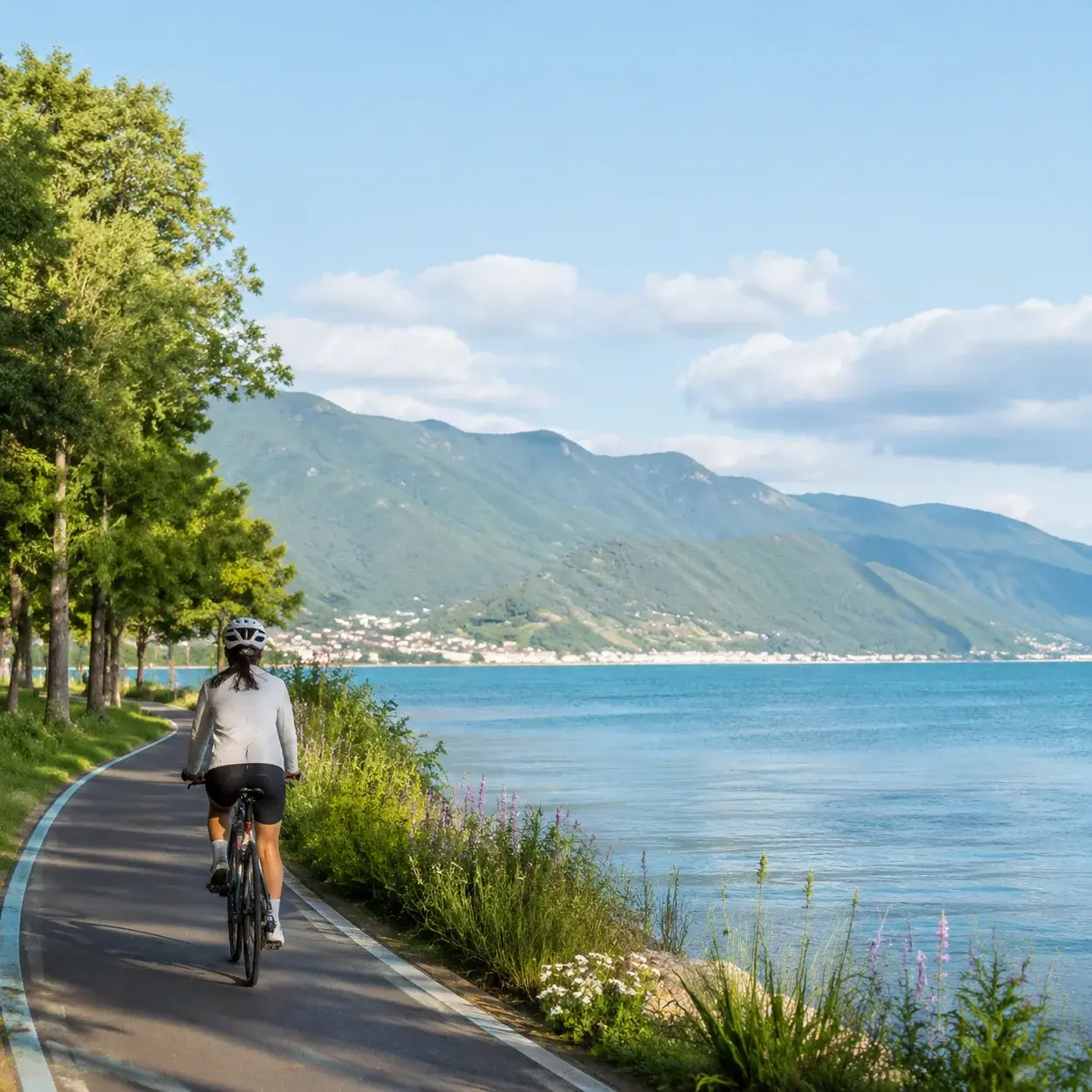
Die gesamte Erhai-Runde beträgt ca. 116–129 km; fahren Sie im Uhrzeigersinn, damit der See rechts von Ihnen bleibt – das bietet bessere Ausblicke und sicherere Fahrspuren. Nehmen Sie sich besser 2 Tage als 1, wenn es geht. Ein Tag ist eine große Herausforderung; zwei Tage mit Übernachtung in Xizhou oder Shuanglang sind entspannter – oder machen Sie nur eine halbe Runde am West- oder Ostufer. Der Umfang des Sees beträgt ungefähr 116 km (Wikipedia, geprüft am 2026-07-04); der beschilderte ökologische Korridor entlang des Ufers wird länger, wenn man die Fußwege und Umwege mitzählt.
Die Regel, die die meisten Führer übersehen: Der zentrale Ökologische Korridor am Seeufer ist für Fahrräder und Fußgänger gebaut, und Motorroller sind darauf eingeschränkt (Wettbewerbserhebungen, vor Ort überprüfen, 2026-07). Wenn Sie also den Korridor wollen, nehmen Sie ein Fahrrad oder ein E-Bike – nicht einen Benzinroller, der Ihnen den Weg verwehren wird. Die Miete für E-Bikes beträgt etwa ¥30 für zwei Stunden bei offiziellen Anbietern im Bereich (indikativ, vor Ort überprüfen, 2026-07); achten Sie auf die Reichweite der Batterie und die Lademöglichkeiten. Bei ~1.972 m ist das UV-Licht das ganze Jahr über stark, und von Dezember bis April bringen Nachmittags Winde Gegenwind. Wichtige Haltepunkte, im Uhrzeigersinn: Caicun Pier → Xizhou → Schmetterlingsquelle → Shuanglang → Little Putuo → S-Bay (Panxi) → Longkan Pier.
| Option | Strecke | Zeit | Geeignet für |
|---|---|---|---|
| Vollstrecke, 2 Tage | ~116–129 km | 2 Tage, Übernachtung in Xizhou / Shuanglang | Radfahrer, Langsamreisende |
| Vollstrecke, 1 Tag | ~116–129 km | Ein langer Tag (~6–8 Std. Fahren) | Fit, erfahrene Fahrer |
| Westuferabschnitt | ~40–50 km | Halber Tag | Sonnenuntergang, S-Bay, Xizhou, Familien |
| Ostuferabschnitt | ~50–60 km | Halber Tag | Sonnenaufgang, ruhiger, Little Putuo |
Ein Wort zur Scooter-Sicherheit: Ein gemieteter Scooter mag wie Freiheit aussehen, aber das Kerngebiet des Korridors ist für ihn tabu, und die Seestraße hat echten Verkehr bei starker Hochlagen-UV-Strahlung sowie den Winter-zu-Frühling-Heckwinden am Nachmittag. Lange Scooter-Touren sind nichts für Großeltern oder kleine Kinder — nutzen Sie ein E-Bike für kurze Uferabschnitte und chartern Sie ein Auto als Wetter-Reserve. Der Westufer-Abschnitt ist der wertvollste Halbtagesausflug (S-Bay, Xizhou, Reisfelder, Sonnenuntergang); das Ostufer ist ruhender und besser für Sonnenaufgänge. Nur eine Zeit? Nehmen Sie das Westufer.
Wann ist die beste Reisezeit nach Dali?
Der breite Zeitraum ist März bis Oktober, aber Mai–Juni und September–Oktober sind die Optimalzeiten — klare Himmel, dünnere Menschenmengen und die besten Erhai-Ride-Möglichkeiten. März–April bringt Blumen und Bai-Feste (darunter den Märzmarkt); Juli–August ist die Regenzeit, bei der Nachmittagsgewitter die Seeansichten zerstören können (von Wettbewerbern bezogen, lokal verifizieren); und Mitte Oktober bis Dezember wird mild, sonnig und ruhig.
Für die Fahrt speziell: Frühling und Herbst sind ideal, während Wintertage klar sind, aber mit jenen Nachmittagswinden vom See verbunden sind. Wenn Sie eine Familienreise in einem Schulferien im Juli oder August planen, kommen Sie trotzdem — packen Sie einfach Regenkleidung ein und halten Sie das Programm flexibel. Und wenn es geht, meiden Sie die erste Oktoberwoche des Nationalfeiertags, wenn sich ganz Yunnan gleichzeitig füllt.
| Fenster | Wetter / Szene | Erhai-Reiten | Fazit |
|---|---|---|---|
| Mär–Apr | Blumen, Bai-Feste, Aufwärmphase | Gut, gelegentlich Nachmittagswind | Höhepunkt der Hochsaison |
| Mai–Jun | Klare Himmel, weniger crowds als im Sommer | Beste Reitzeit | Bestes Preis-Leistungs-Verhältnis |
| Jul–Aug | Regenzeit, Nachmittagsregenmalen | Mal gut, mal schlecht | Regenkleidung mitnehmen, flexibel bleiben |
| Sep–Oct | Klar, frisch, tolles Licht | Beste Reitzeit | Gleichwertig mit Mai–Jun (vermeiden Sie den Oktoberfeiertag) |
| Mitte Okt–Dez | Mild, sonnig, ruhig | Fahrbar, Nachmittagkopfwind | Ideal für Ruhe und Abgeschiedenheit |
Wie viele Tage benötigen Sie in Dali?
Zwei Tage decken die Checkliste ab; vier bis fünf Tage sind die Langsam-Reisevariante – und Dali belohnt den längeren Aufenthalt still. Stellen Sie es sich eher als Tempoentscheidung vor: Diese Stadt ist zum Verweilen geschaffen.
Checkliste für zwei Tage: Dali Altstadt und die drei Pagoden am ersten Tag; eine Erhai-Ride entlang des Westufers und Xizhou am zweiten Tag. Sie sehen die Ikonen und erhalten einen guten Seeabschnitt.
Langsam-Reise mit vier bis fünf Tagen: Fügen Sie die komplette Erhai-Runde mit Übernachtung in Xizhou oder Shuanglang, einen Bai-Kochkurs, die Seilbahn auf Cangshan und einen Tagesausflug zur alten Stadt Shaxi auf der alten Dali-Lijiang-Teepferdstraße hinzu. Familien mit Großeltern sollten einen echten Ruhetag einplanen. Um Dali in eine vollständige Provinzroute einzubauen, siehe den Itinerarabschnitt unseres Yunnan-Reiseführers.
Dali mit Lijiang und Shangri-La kombinieren

Der klassische Yunnan-Bogen verläuft von Kunming → Dali → Lijiang → Shangri-La, und die Reihenfolge ist entscheidend, da es sich um einen Höhenunterschied handelt: Dali ~1.972 m → Lijiang ~2.400 m → Shangri-La ~3.459 m. Der niedrige Start in Dali ermöglicht dem Körper eine Akklimatisation vor dem Aufstieg — genau deshalb ist „Dali zuerst“ die intelligente Reihenfolge, die kein Wettbewerber zu erklären vermag.
Höhenleitlinien zur schrittweisen Akklimatisation empfehlen, die Sprünke moderat zu halten und ein oder zwei Nächte auf niedrigerer Ebene zu verbringen, bevor man weiter aufsteigt (Wikipedia / Leitlinien für Hochgebirgsreisen, überprüft am 04.07.2026) — die Route Dali → Lijiang → Shangri-La erfüllt dies ganz natürlich, während die umgekehrte Reihenfolge mit dem höchsten Punkt zuerst das Risiko einer Höhenkrankheit erhöht. Die Strecken sind kurz: Die Bahnstrecke von Kunming nach Dali sowie von Dali nach Lijiang dauert jeweils etwa 2–2,5 Stunden mit dem Hochgeschwindigkeitszug (Richtwert, bitte lokal prüfen), und von Lijiang nach Shangri-La sind es nur wenige Stunden per Straße. Planen Sie den Bogen mit unserem Reiseführer Kunming für den Einstieg, dann dem Reiseführer Lijiang und für den Aufstieg nach Shangri-La unserem Reiseführer Shangri-La.
| Stop | Höhe | Empfohlene Aufenthaltsdauer | Nächster Stop | Rolle auf der Route |
|---|---|---|---|---|
| Kunming | ~1.890 m | 1–2 Tage | → Dali, Bahn ~2–2,5 Std. (indikativ) | Gateway, sanfter Einstieg |
| Dali | ~1.972 m | 3–4 Tage | → Lijiang, Bahn ~2–2,5 Std. (indikativ) | Akklimatisation auf niedriger Höhe + Erhai |
| Lijiang | ~2.400 m | 2–3 Tage | → Shangri-La, Straße ~3–4 Std. (indikativ) | Altstadt, Jade Dragon Snow Mountain, mittlere Stufe |
| Shangri-La | ~3.459 m | 2 Tage | Ende / Rückreise | Tibetisches Plateau, oberste Steigung |
Ist Dali gut für Familien, Großeltern und ältere Reisende?
Ja – Dali ist die sanfteste Basis in Yunnan für Mehrgenerationenreisen, da sie niedriger, flacher und besser zu dosieren ist als Lijiang oder Shangri-La. Diese Tatsache ist der Grund, warum wir die meisten Familienplaner dorthin lenken.
Mit Kindern: Flache Radtouren am Seeufer im Westen, Tie-Dye- und Kochworkshops in Xizhou, Fischfüttern und Bootsfahrten auf dem Erhai sowie entspanntes Stöbern in der Altstadt. Kurze, ebene Strecken combined mit handwerklichen Aktivitäten halten jüngere Reisende glücklich, ohne sie zu überfordern.
Für Großeltern und ältere Reisende: Dali liegt mit ca. 1.972 m deutlich unterhalb von Lijiang (~2.400 m) und weit unterhalb von Shangri-La (~3.459 m), sodass die Höhenbelastung geringer ist; die Altstadt ist flach und gut zu Fuß erreichbar; und der Cangshan ist per Seilbahn statt durch eine Wanderung zu erreichen. Planen Sie einen langsameren Rhythmus, legen Sie einen Ruhetag im Programm ein und nutzen Sie ein gemietetes Auto rund um den See anstelle einer langen Fahrt. Dies gilt für den Besuch von Dali vorher der höheren Orte, nicht danach.
Wie man nach Dali kommt (Flug und Zug aus Kunming)
Die meisten ausländischen Reisenden erreichen Dali mit dem Hochgeschwindigkeitszug aus Kunming (ca. 2–2,5 Stunden, indikativ) nach dem Flug in ein großes chinesisches Drehkreuz oder mit einem Direktflug zum Flughafen Dali. Ein Sitzklasse 2-Zug von Kunming kostet ungefähr ¥115–155 (indikativ, lokal überprüfen, 2026-07).
Mit dem Flugzeug erreicht der Flughafen Dali (IATA DLU – lokal überprüfen) Direktflüge von Kunming (~1 Stunde), Guangzhou (~3 Stunden) und Peking oder Shanghai (~4 Stunden), mit einem Flughafenshuttle in die Stadt von etwa ¥25, der ca. 2 Stunden dauert (indikativ, lokal überprüfen, 2026-07). Vom Lijiang aus beträgt die Rückfahrt mit dem Zug nach Dali ebenfalls ca. 2–2,5 Stunden. Da inbound-Reisende fast immer zuerst ein großes Drehkreuz durchlaufen, planen Sie diese Strecke mit unserem südlichen Drehkreuz Leitfaden zum Flughafen Guangzhou Baiyun – das wichtigste Lufttor in den Süden von Yunnan – und vergessen Sie nicht, die chinesische Ankunftsformular auszufüllen, bevor Sie landen.
Häufig gestellte Fragen
Ist Dali einen Besuch wert? Ja, wenn Sie eine entspannte Basis in niedriger Höhe für Radtouren um den See, Bai-Dörfer und Café-Kultur suchen und nicht nur ein ikonisches Foto. Dali eignet sich für langsame Reisende, Feinschmecker, Radfahrer und Familien. Wenn Sie nur einen Tag haben und das klassische Altstadt-Foto machen möchten, wählen Sie stattdessen Lijiang.
Dali oder Lijiang – welches ist besser? Keines ist einfach „besser“. Lijiang ist das Wahrzeichen: eine UNESCO-Weltkulturerbestadt und der Jade-Drachen-Schneeberg, ideal für kurze, erste Reisen. Dali ist das Leben: Erhai-Radtouren, Bai-Kultur und ruhigere Atmosphäre, ideal für langsame Reisen und Familien. Bei mehr als 5 Tagen besuchen Sie beide, zuerst Dali.
Wie viele Tage benötigen Sie in Dali? Zwei Tage decken die Checkliste ab – die Altstadt, die Drei Pagoden, eine Westufer-Runde um den Erhai und Xizhou. Vier bis fünf Tage ermöglichen Ihnen eine vollständige Erhai-Radtour mit Übernachtung, einen Bai-Kochkurs, eine Fahrt auf dem Cangshan und einen Tagesausflug nach Shaxi. Dali belohnt einen langsameren Aufenthalt.
Wann ist die beste Reisezeit für Dali? Mai–Juni und September–Oktober sind am besten – klare Himmel, weniger crowds und ideale Bedingungen für Erhai-Radtouren. März–April bringt Blumen und Bai-Feste. Juli–August ist regnerisch mit Nachmittagsschauern, und der Winter ist mild, aber mit Nachmittagswinden vom See zu rechnen. Vermeiden Sie die erste Oktoberwoche des Nationalfeiertags.
Wie umfähst man den Erhai-See? Fahren Sie im Uhrzeigersinn, damit der See rechts von Ihnen liegt und Sie die besten Ausblicke und Fahrspuren haben. Die gesamte Runde beträgt etwa 116–129 km – zwei Tage mit Übernachtung in Xizhou oder Shuanglang sind bequem; ein Tag ist eine anstrengende Tour. Für den Ökologischen Korridor am Ufer verwenden Sie ein Fahrrad oder E-Bike, nicht einen Benzinscooter, der dort eingeschränkt ist.
Was sind die wichtigsten Dinge, die man in Dali machen kann? Bummeln Sie durch die Altstadt von Dali, fahren Sie um den Erhai-See, nehmen Sie die Seilbahn auf dem Cangshan, sehen Sie sich die drei Pagoden an und besuchen Sie die Bai-Dörfer Xizhou und Zhoucheng für Tie-Dye, Innenhöfe und Xizhou Baba Fladenbrot. Ein Bai-Kochkurs rundet einen langsamen Aufenthalt ab. Ist die Altstadt von Dali es wert? Ja. Die befestigte Stadt aus der Tang-Zeit ist kostenlos zu erkunden, mit gepflasterten Bai-Straßen, Innenhofarchitektur und der belebten Renmin Road mit Cafés und Bars in der Abend. Sie ist mehr bewohnt und weniger inszeniert als die Altstadt von Lijiang, was genau ihren Reiz für langsame Reisende macht. Wie kommt man von Kunming nach Dali? Der einfachste Weg ist der Hochgeschwindigkeitszug, etwa 2–2,5 Stunden, mit einem Sitz der zweiten Klasse bei etwa ¥115–155 (indikativ, prüfen Sie lokal vor Ort). Sie können auch in den Flughafen von Dali fliegen, was ungefähr eine Stunde von Kunming dauert. Die meisten ausländischen Besucher nehmen den Zug nach Ankunft an einem wichtigen chinesischen Drehkreuz.
Ist Dali gut für Familien und ältere Reisende? Ja — es ist die sanfteste Basis in Yunnan. Mit ~1.972 m liegt es niedriger als Lijiang und weit unterhalb von Shangri-La, sodass die Höhenbelastung geringer ist. Die Altstadt ist flach und gut zu Fuß erreichbar, die Cangshan-Bergbahn bietet Aufzugsmöglichkeiten, und der westliche Uweg des Sees ermöglicht einfaches, ebenes Radfahren für Kinder und Großeltern alike.
Fazit
Dali in Yunnan lässt sich auf zwei Entscheidungen reduzieren, und beide sind einfach, wenn man sie richtig formuliert: Dali vs. Lijiang ist eine Frage der Persönlichkeit: Lijiang für das Wahrzeichen und einen kurzen Aufenthalt, Dali für eine ruhige, niedrige und lebenswerte Basis — und wenn man Zeit hat, beides mit Dali zuerst zur Akklimatisation. Der Erhai-See-Rundweg ist eine Frage des Tempos: Fahren Sie im Uhrzeigersinn, nehmen Sie zwei Tage anstatt einem, und nutzen Sie ein Fahrrad oder E-Bike für den Korridor. Wenn Sie diese Entscheidungen treffen, wird Dali das, was es am besten kann: eine Woche Entspannung am See vor dem Aufstieg in das höhere Yunnan.
Wenn Sie lieber eine private, englischsprachige Yunnan-Reise planen lassen möchten – Dali abgestimmt auf Großeltern und Kinder, die Erhai-Ride und ein Bai-Kochkurs organisiert, und der Höhenverlauf nach Lijiang und Shangri-La für Sie übernommen –, genau das leistet LyrikTrip. Beginnen Sie mit unserem Yunnan-Reiseführer, und wir gestalten die Dali-Expedition genau so, wie Sie es sich wünschen.